The capital
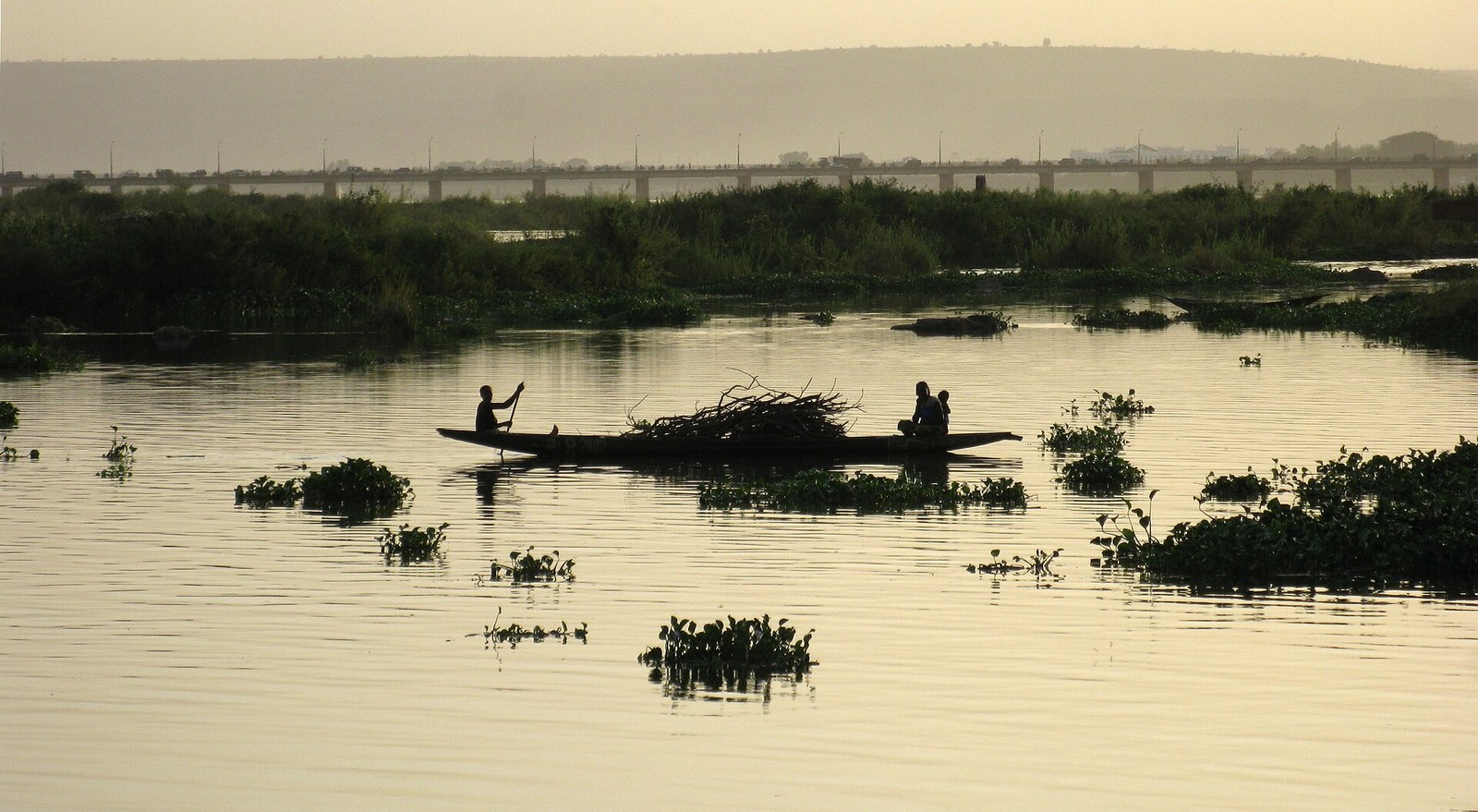
Bamako is where nearly every trip starts and where most visitors now spend all their time. It is a sprawling, green, noisy river city with the excellent National Museum, huge markets, live music most nights and the country's main international airport. Security is tighter here than anywhere else in Mali, though the capital has seen attacks too.
The river towns
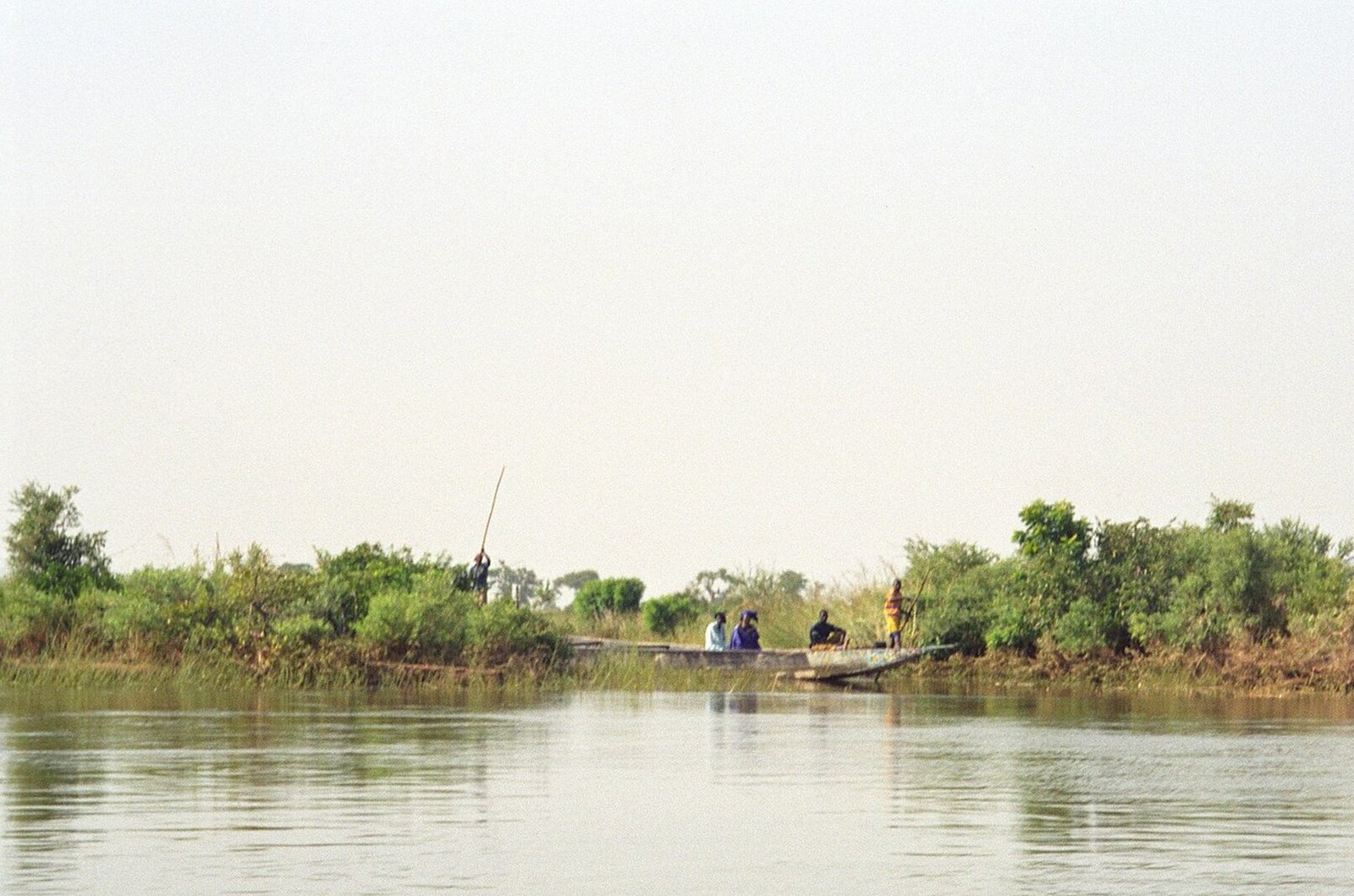
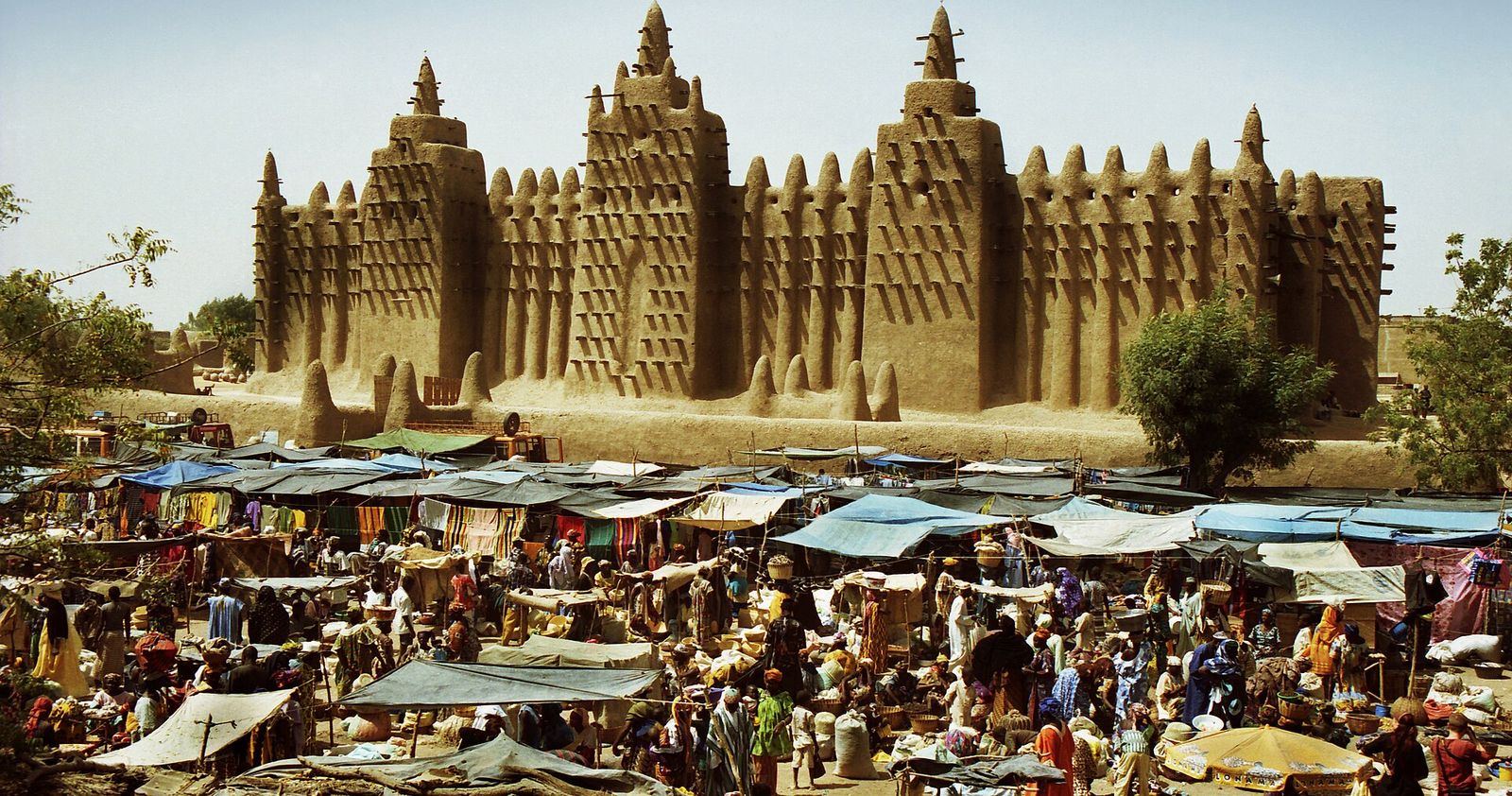
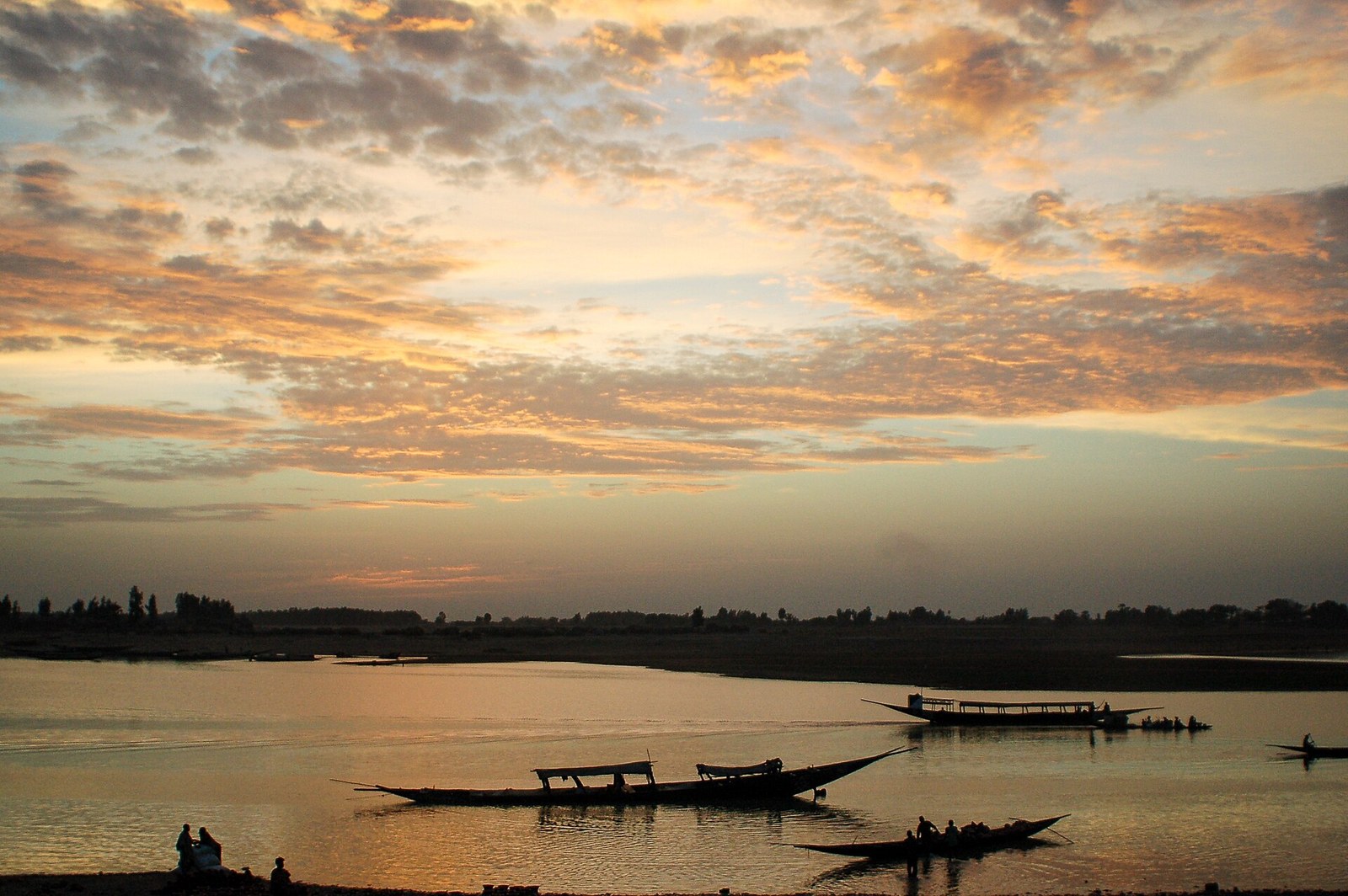
Ségou, a few hours downstream, was the capital of the Bambara kingdom and later home to the Festival sur le Niger. It is known for pottery, bogolan mud cloth and colonial era buildings along the river. Further on, Djenné holds the Great Mosque, the largest mud-brick building in the world, and a Monday market that once drew travellers from everywhere. Mopti, where the Bani meets the Niger, was the gateway to Dogon Country and the busiest port on the river.
The desert city
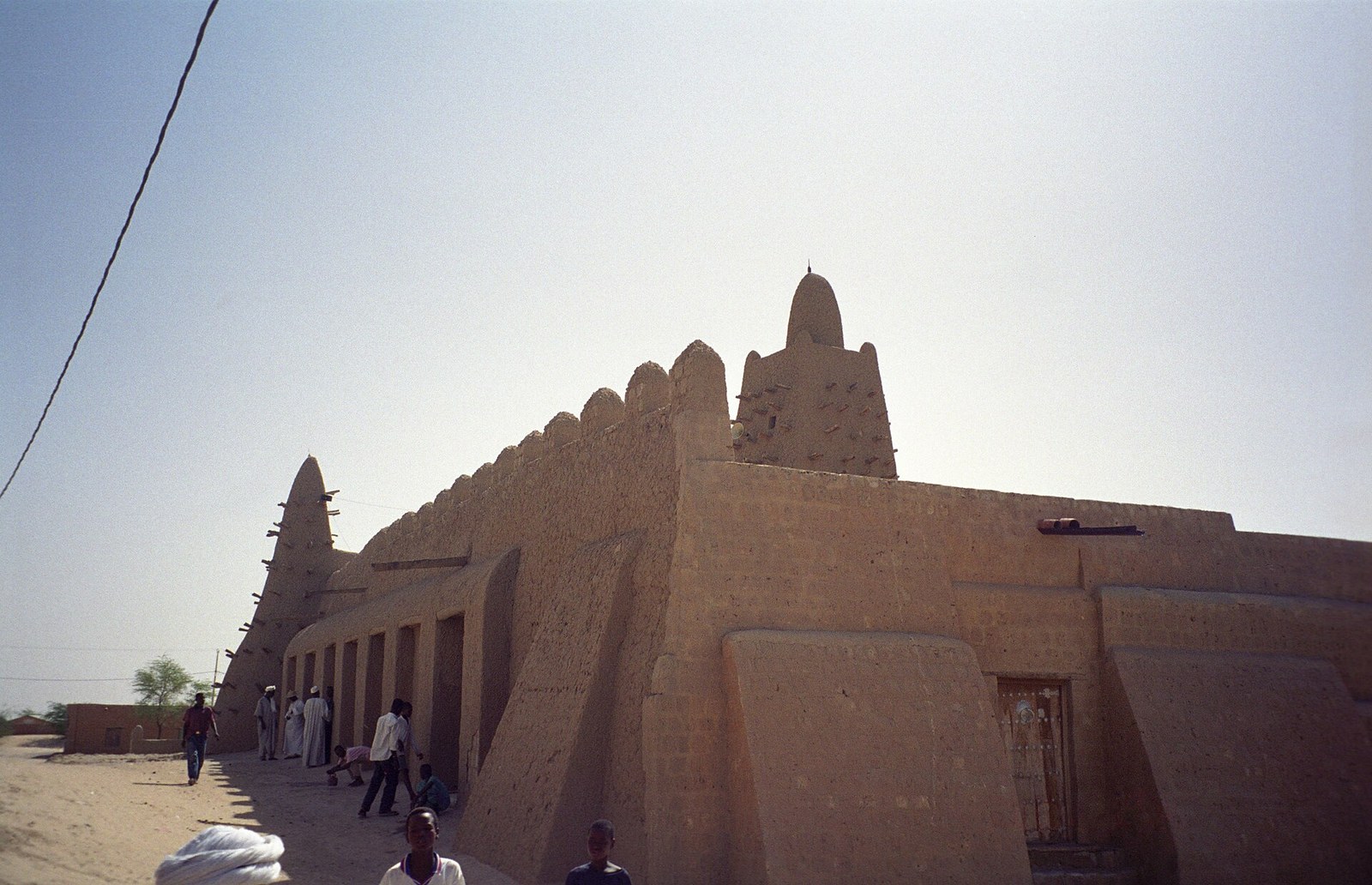
Timbuktu was a centre of Islamic scholarship for centuries, famous for its manuscripts and its Djinguereber, Sankoré and Sidi Yahia mosques. It is remote and lies in a region where every major government advises against all travel, so treat it as a place to read about until conditions change.
Planning around the advice
Travel advice for Mali is strict and changes often. Road travel between towns carries a real risk of attack, kidnapping and fuel shortages, and much of the centre and north is effectively closed to visitors. Before you choose where to go, read your government's advice, check your insurance and keep plans flexible. Our free trip planner can help you build a realistic plan, and you can see food, music and stays on our places to visit page.