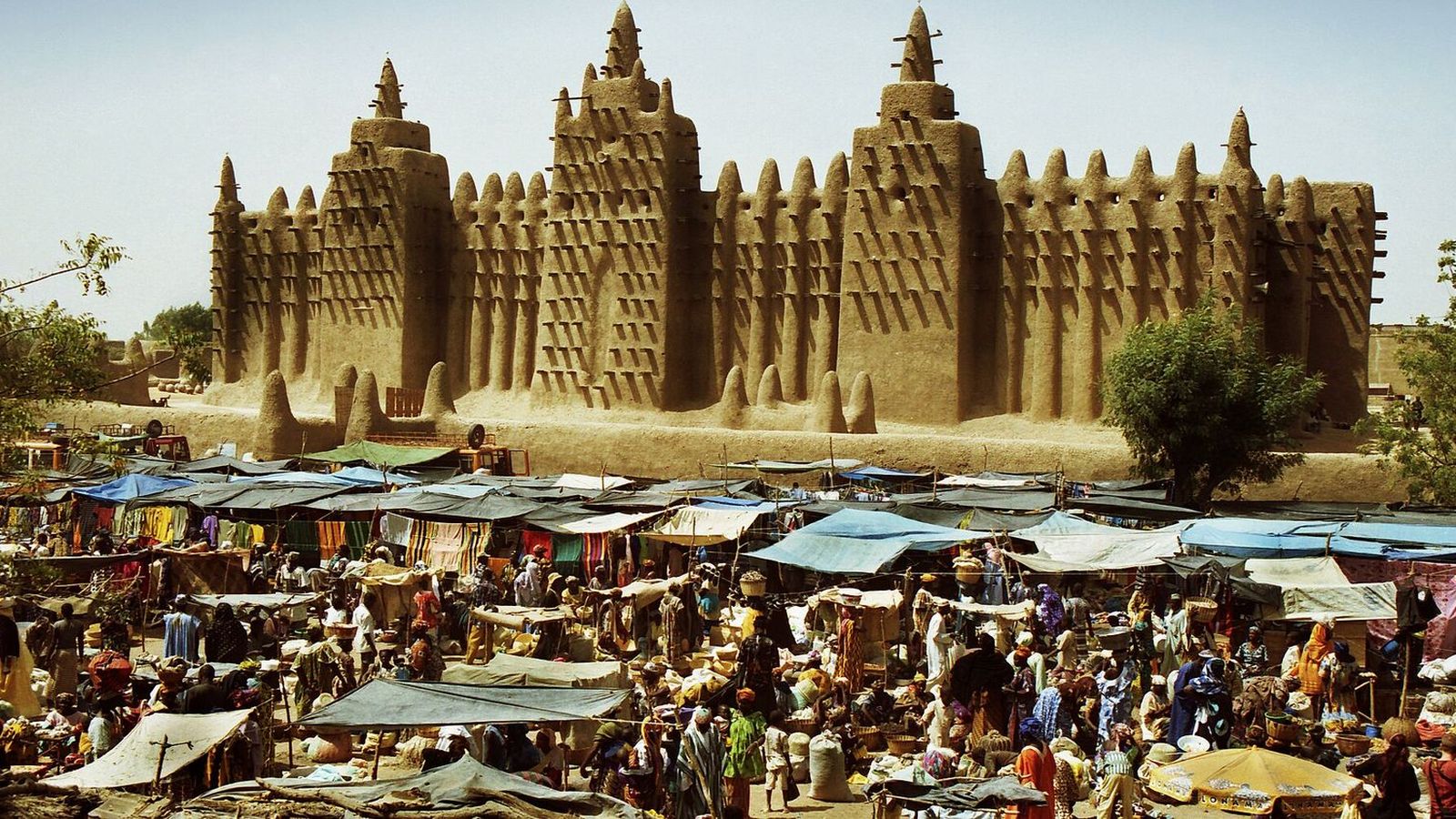
Great Mosque of Djenné, MaliPhoto: Dr. Ondřej Havelka (cestovatel), CC BY-SA 4.0, via Wikimedia Commons
Find your Bliss in Mali
Mali, made clear: music, mud-brick and the Niger, honestly explained
Mali gave the world Timbuktu's manuscripts, the Great Mosque of Djenné and the music of Ali Farka Touré, Salif Keita and Toumani Diabaté. It is also a country where security is serious, and most governments advise against all travel there. This guide gives you the straight facts on safety, entry, money and getting around, so family visits and essential trips feel calmer.
Your trip, step by step
- Before you flyTravel advice, visa, yellow fever and cash, answered
- LandingBamako's airport and your first hours, explained
- Your days in MaliFamily, markets, music and food, planned with care
- Home againDeparture tips so the last day is calm too
Where to go, eat and stay
- Plain answersClear, honest guidance on the questions visitors actually ask.
- Official sourcesEntry, health and safety facts point you to the official pages to confirm.
- No price surprisesWe explain what costs more and what costs less, so your budget holds.
- Free to useEvery guide and the trip planner are free.
Our promise
We will never pretend Mali is simple right now. We explain the real situation, point you to official advice and help you plan only what makes sense, so any trip you take starts from knowledge rather than worry.
Most visitors today are Malian families coming home, aid, business and diplomatic travellers, and old friends of the country. This guide was written with all of you in mind.
How to use this guide
Four steps from first idea to a trip that is as safe and smooth as it can be.
- Read the travel adviceStart with your own government's current advice for Mali and check whether your travel insurance still covers you.
- Sort the essentialsVisa, yellow fever certificate, cash in CFA francs and the right season, checked against official sources.
- Pick your placesUse our places to visit list for food, markets, music and stays in Bamako and beyond.
- Plan your daysUse the free trip planner to shape a realistic plan around family, rest and safe movement.
Everything your Mali trip needs
Free tools and guides for every stage of the journey.
Destinations
Bamako, Ségou, Djenné, Mopti and Timbuktu, each explained with honest safety context.
Explore destinationsPlaces to visit
More than a hundred restaurants, markets, museums, music spots and stays, from classics to hidden corners.
See places to visitFlights and stays
Search flights into Bamako and stays in each city.
Plan travelPlaces finder
Restaurants, sights and stays mapped around each base.
Find placesFree trip planner
Tell us your dates and reasons for travel and build a plan that fits.
Plan your trip
Why people love Mali
Empires, manuscripts and the world's best music
Mali sits on the heartland of the old Mali and Songhai empires. Its mud-brick mosques in Djenné and Timbuktu are World Heritage Sites, its griots keep oral history alive and its musicians fill stages worldwide. Bamako, on the Niger River, is where that culture is easiest to meet today.
- The Great Mosque of Djenné, the largest mud-brick building on earth
- Timbuktu's manuscripts and Djinguereber Mosque
- Bogolan mud cloth, bazin and Ségou pottery
- Kora, ngoni and desert blues
Start with the destinations
See what each city and region offers, and what the travel advice says.
Mali destinationsPlan with care
A realistic plan, not a wish list
Security changes quickly across Mali, and road travel outside Bamako carries serious risk. Our free planner helps you build a plan around where you actually need to be, with sensible movement, daylight travel and room to change if advice changes.
- Check official advice first
- Keep plans flexible
- Travel by day only
Where to go in Mali
The capital, the river towns and the legendary desert city, with honest notes on each.
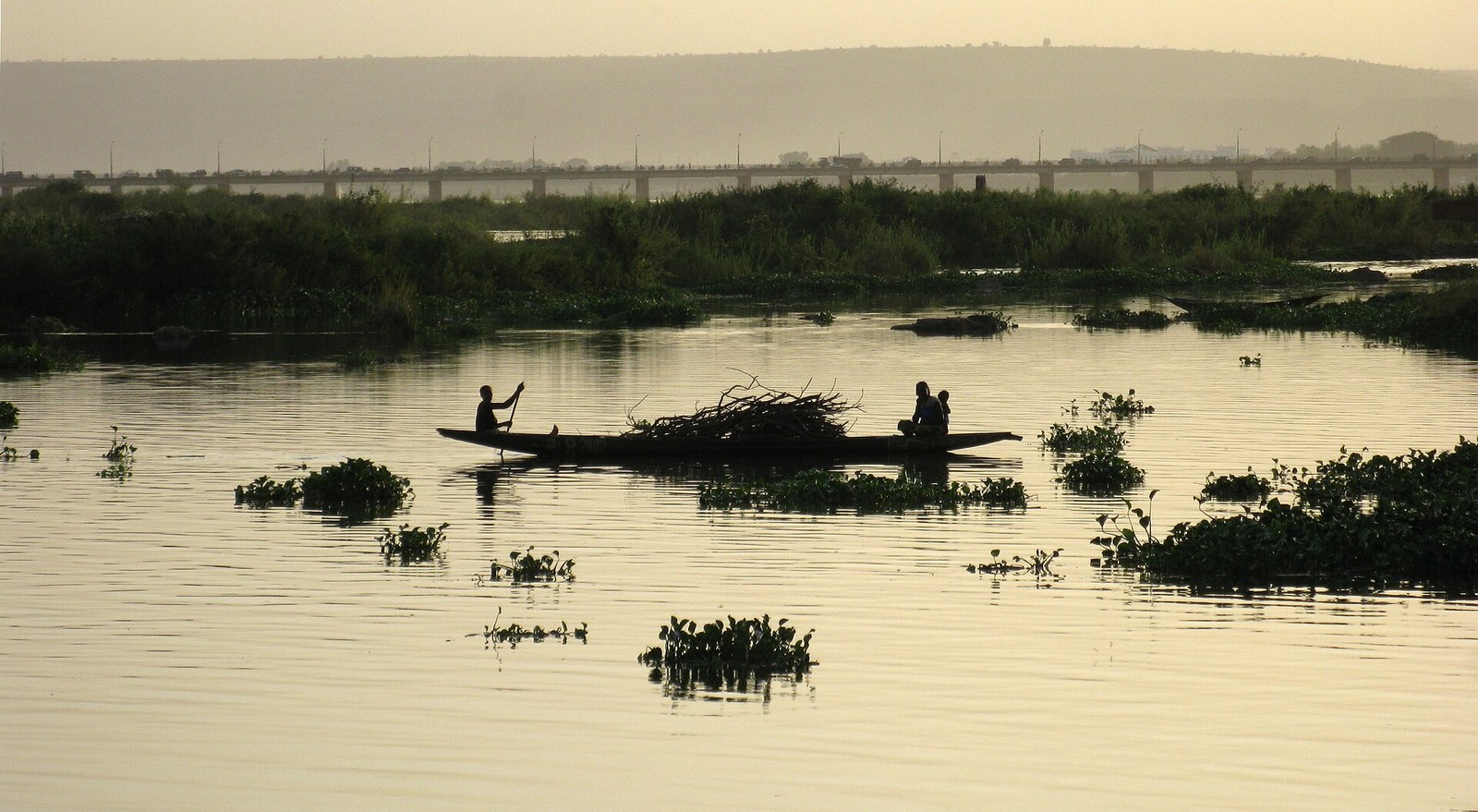
Bamako District
Bamako
The river capital of markets, music and the National Museum, and the base for nearly every visit.
Read the guidePhoto: Dan Flore, CC BY-SA 4.0, via Wikimedia Commons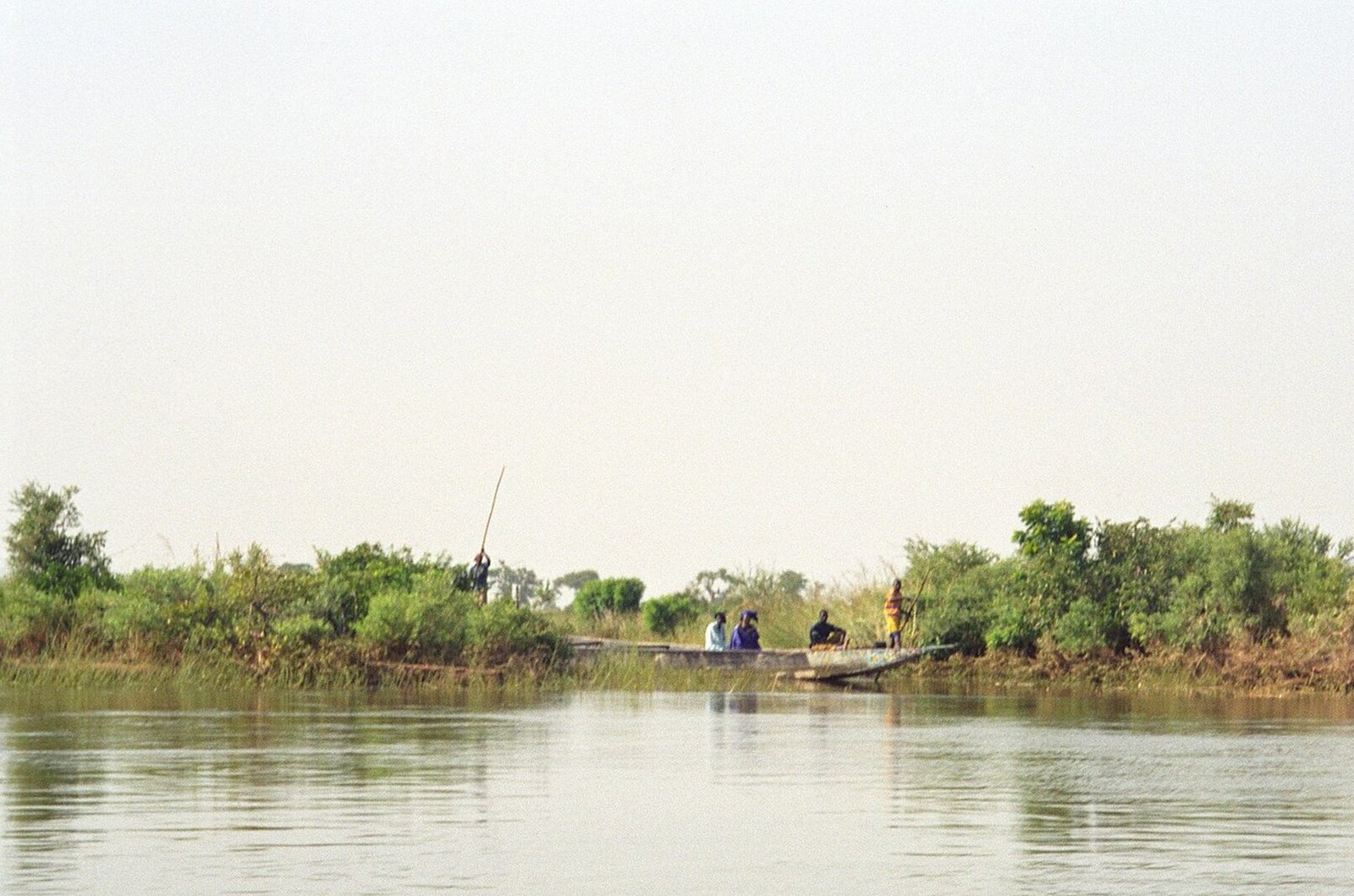
Ségou region
Ségou
The old Bambara capital on the Niger, known for pottery, mud cloth and a famous river festival.
Read the guidePhoto: upyernoz from Haverford, USA, CC BY 2.0, via Wikimedia Commons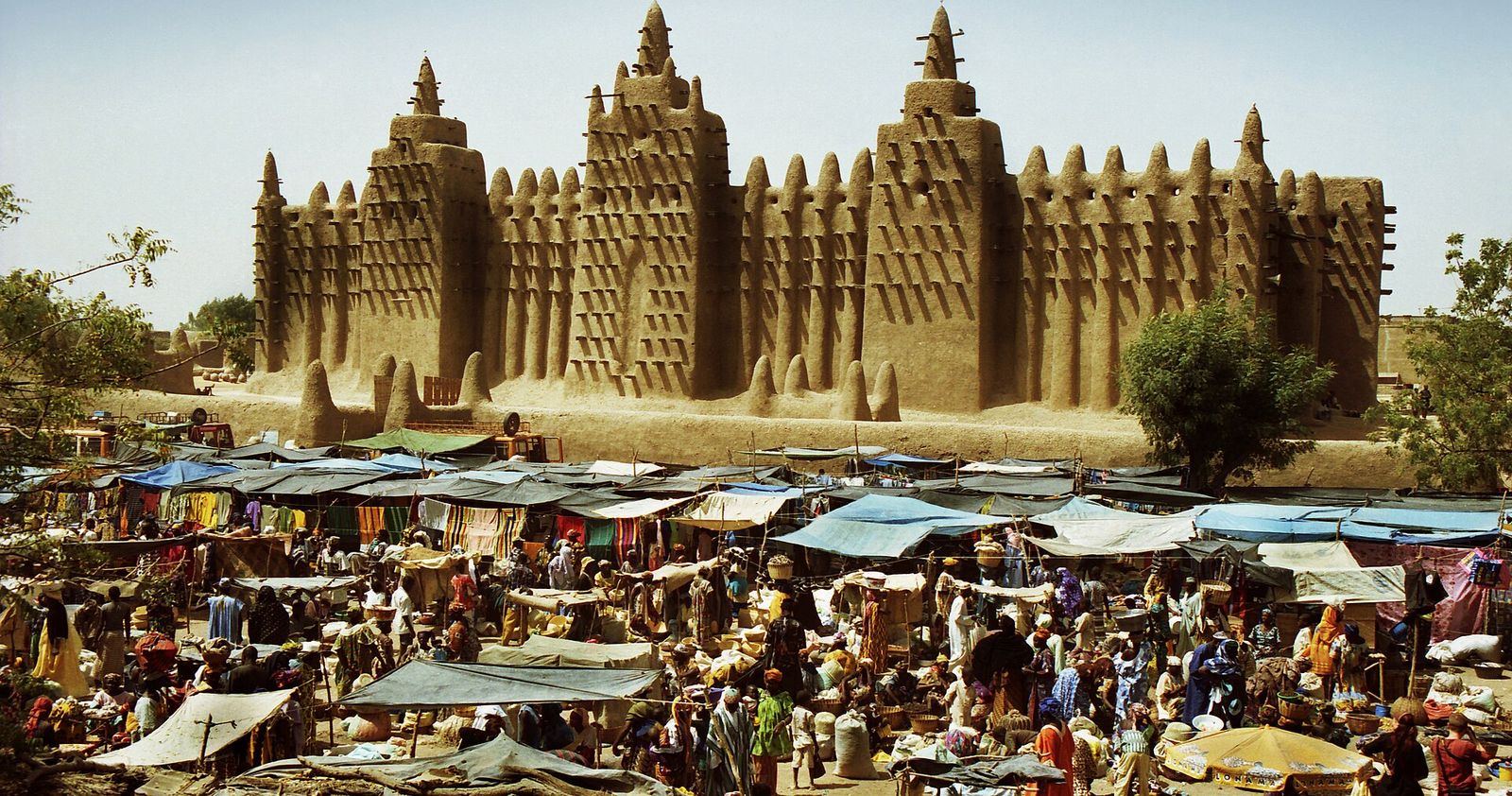
Mopti region
Djenné
Home of the Great Mosque, the largest mud-brick building in the world, and a famous Monday market.
Read the guidePhoto: Dr. Ondřej Havelka (cestovatel), CC BY-SA 4.0, via Wikimedia Commons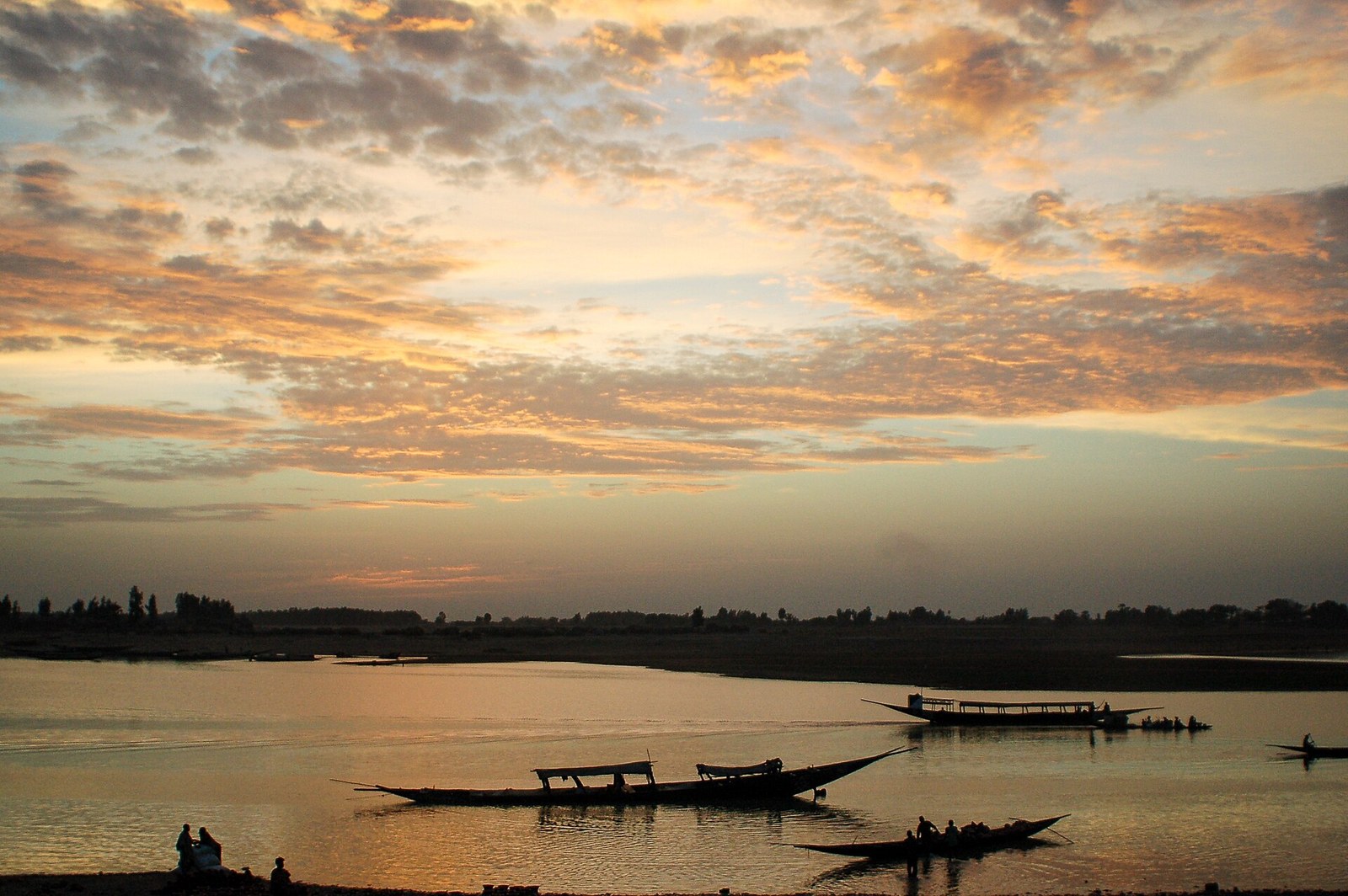
Mopti region
Mopti
The busy port where the Bani meets the Niger, once the gateway to Dogon Country.
Read the guidePhoto: Ralf Steinberger from Milan, Berlin + Munich, Italy + Germany, CC BY 2.0, via Wikimedia Commons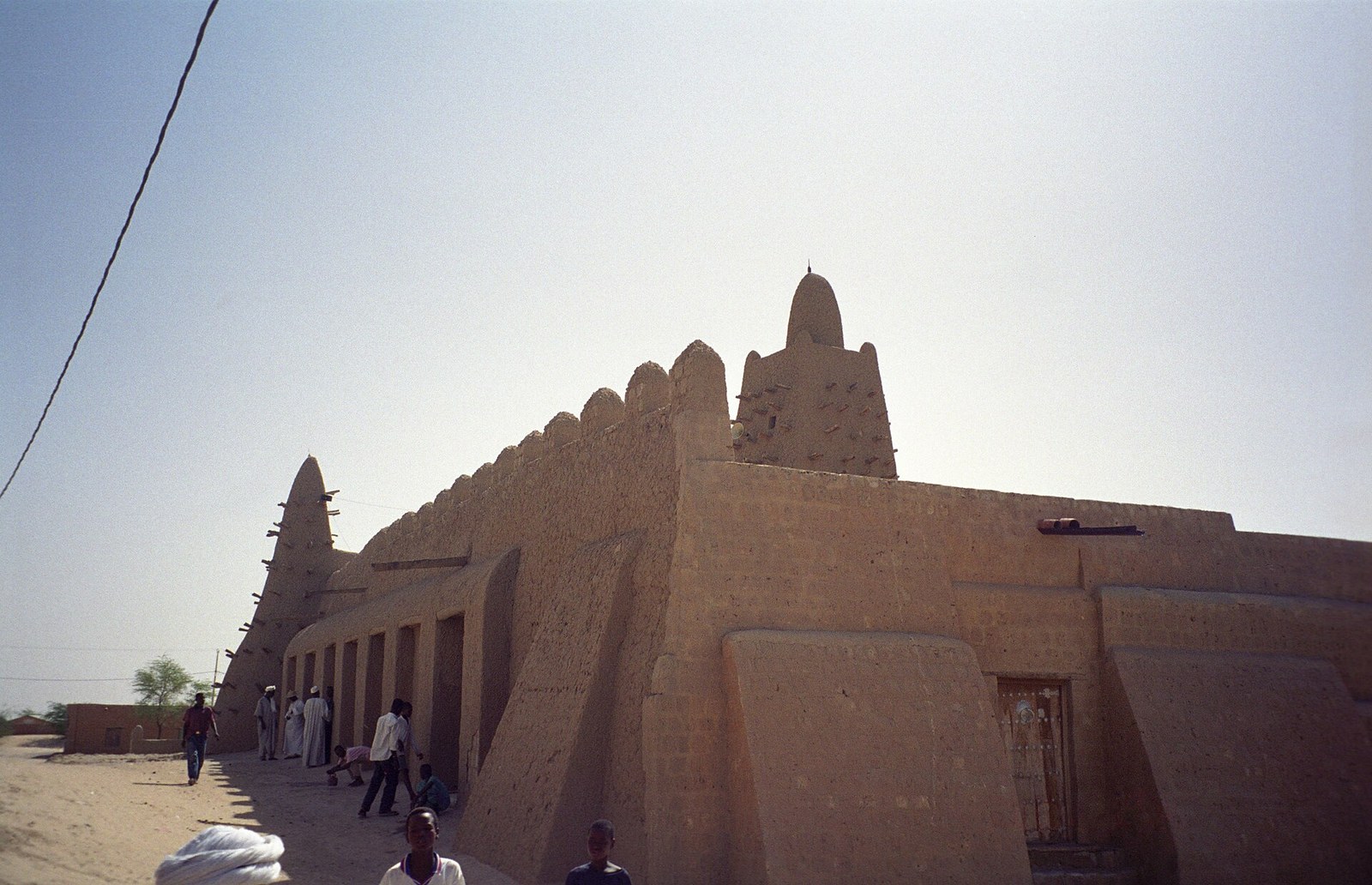
Timbuktu region
Timbuktu
The legendary city of scholars and manuscripts on the edge of the Sahara.
Read the guidePhoto: upyernoz from Haverford, USA, CC BY 2.0, via Wikimedia Commons
A note from our founder
A note from our founder
My first time visiting Kenya, I was genuinely surprised with how fast it began feeling like home. The people are so friendly, the food is delicious and familiar, and the accommodations are modern and upscale.
During my travels throughout the continent, I commonly hear tourists share stories about being scammed or taken advantage of, which is both frustrating and disheartening.
Living in Kenya for the last 2 years, I have had the great fortune to meet a network of wonderful Kenyans who have continuously help guide my family's journey. Their shared knowledge has not only greatly enhanced our overall experience here, but it has also saved us tons of time, energy, and resources.
With BlissPoint Travel, my hope is to build a global community that is willing to share useful, uncommon knowledge so that we can all blissfully enjoy the wonders our world has to offer.
Questions we hear most
Is Mali safe to visit?
Security is the biggest question for any trip. Armed groups are active across much of the country, kidnapping of foreigners is a real threat and governments such as the US, UK, Canada and Australia advise against all travel to Mali. Read your own government's current advice before booking and check whether your insurance is valid.
Do I need a visa for Mali?
Most visitors need a visa arranged before travel through a Malian embassy or the official channel it names, while citizens of some African countries can enter without one. Rules vary by passport and have changed recently, so check with the official source before you book.
Do I need a yellow fever vaccination?
Yes. Mali requires proof of yellow fever vaccination for arriving travellers, so carry your certificate with your passport. Malaria is present all year, so speak to a travel clinic about tablets too.
When is the best time to go?
The cooler dry season from November to February is the most comfortable. March to June is extremely hot, and the rains fall roughly July to September.
What language is spoken in Mali?
Bambara is the everyday language for most people, and French is widely used in business and hotels. Fulfulde, Songhai and Tamasheq are spoken in the centre and north. English is limited.
How do I get help planning?
Use our free trip planner to shape your days, or send a question through our contact page.
Planning a trip to Mali?
Use the free trip planner to turn your dates and reasons for travel into a calm, realistic plan.