At a glance
- Best for
- River life, crafts and history
- Gateway
- By road from Bamako, around four hours
- Time needed
- Two to three days
- Best season
- November to February
- Getting around
- On foot in the centre, pinasse boats on the river
- Language
- Bambara and French
A note before you go
Ségou lies outside Bamako, and governments including the US, UK, Canada and Australia advise against all travel to Mali. The road from Bamako has been affected by insecurity and by the fuel blockade imposed by armed groups since 2025. If you are thinking of going, read your government's current advice, ask people who travel the route regularly and travel by day only.
Why Ségou matters
In the 18th and 19th centuries Ségou was the seat of the Bambara empire founded by Biton Coulibaly, a state that ruled much of the middle Niger. Later it became a French colonial administrative centre, which left wide avenues and a row of fine Sudano-colonial buildings near the river. Today it is a regional capital with a relaxed pace, a long riverfront and a strong crafts tradition.
It is also known worldwide through literature. Maryse Condé's novel *Segu* tells the story of a Bambara family during the empire's last days, and many visitors arrive having read it.
What to see and do
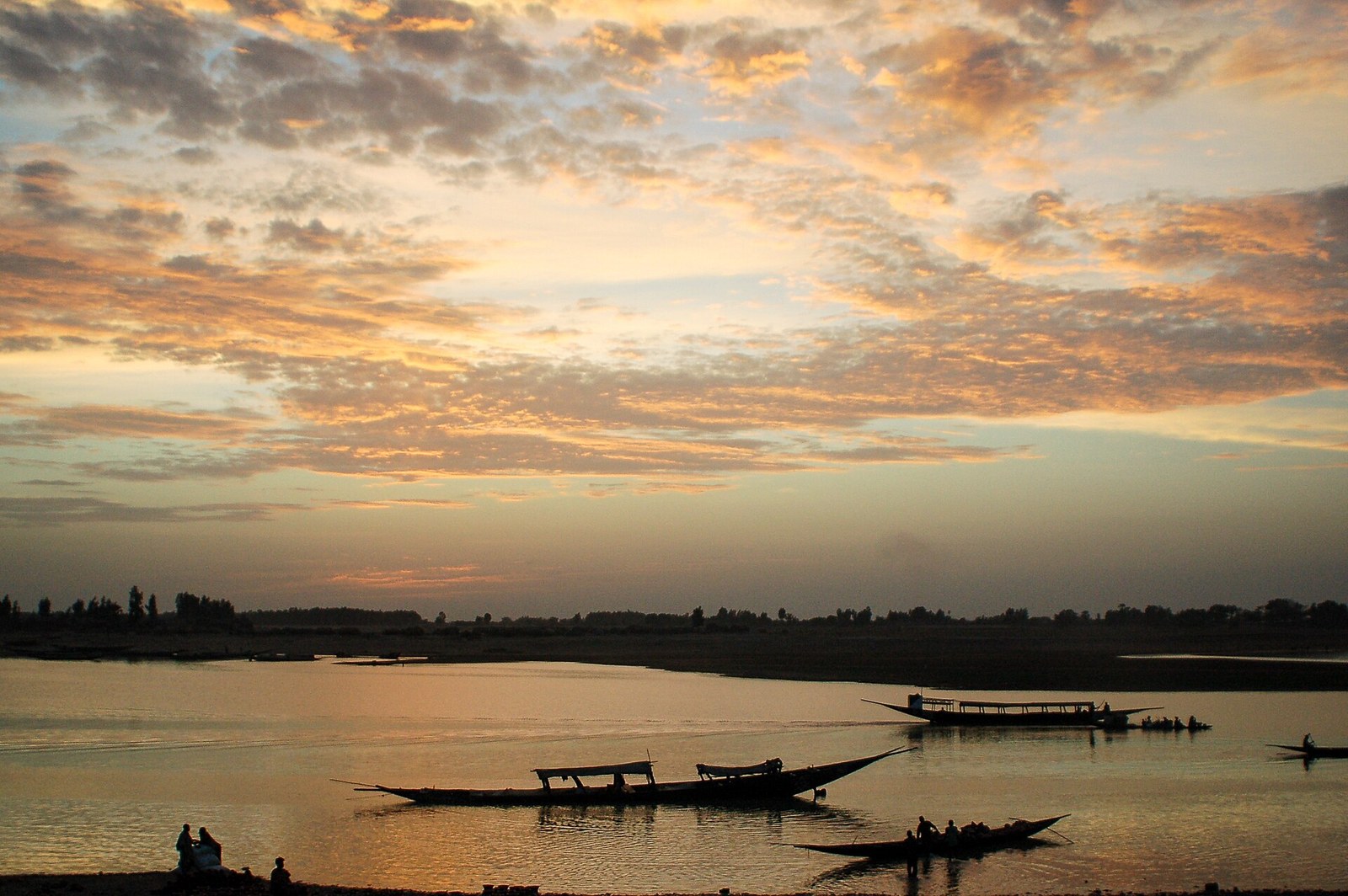
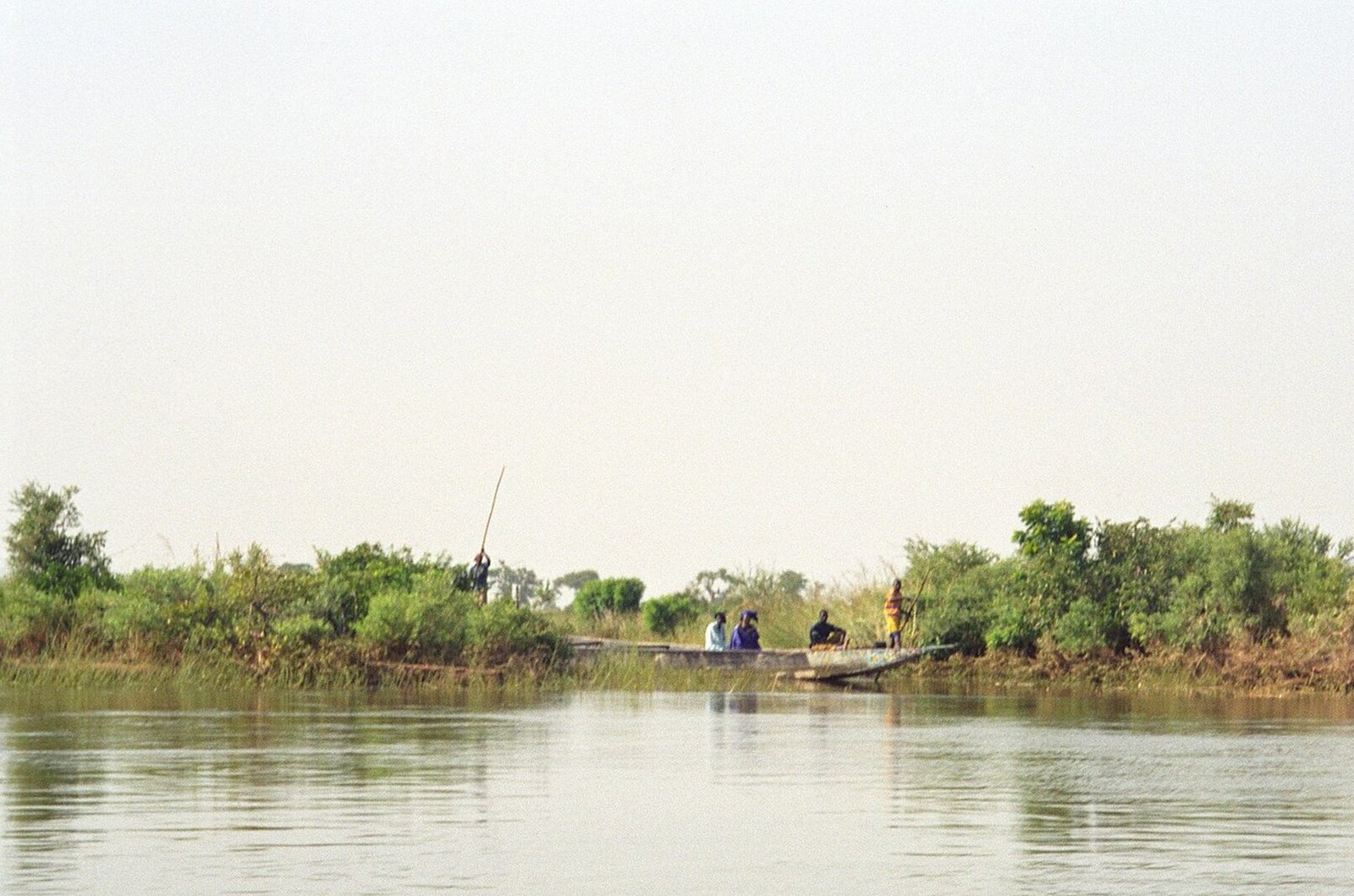
- **The riverfront**: walk along the Niger at sunset, watching pinasses (long wooden boats) and fishermen at work.
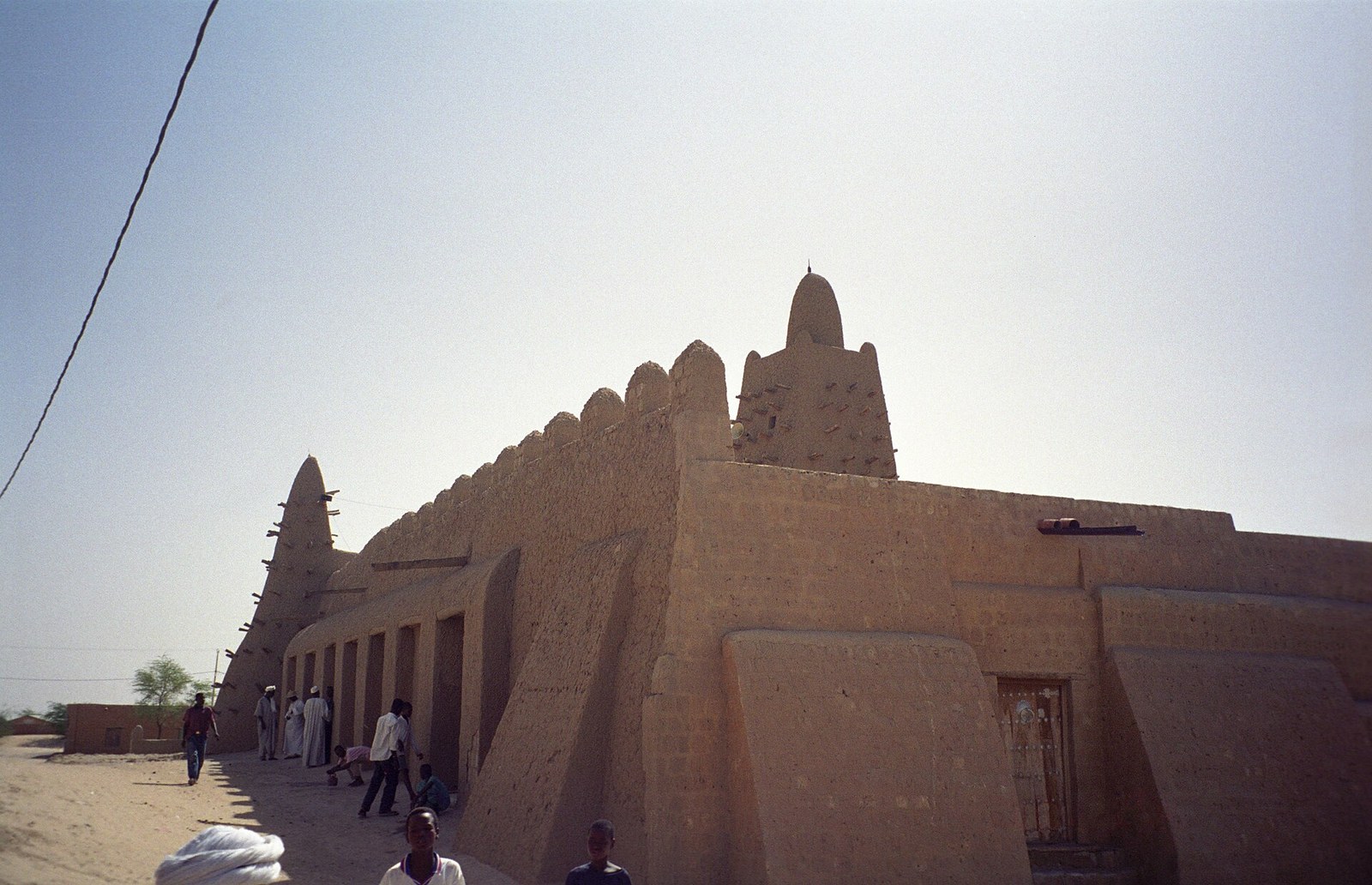
- **Ségou Koro**: the old royal village just upstream, with the tomb of Biton Coulibaly, old mosques and mud-brick houses. Visit with a local guide and greet the village chief, as custom requires.
- **Kalabougou**: a pottery village across the river where women make large clay jars and fire them in open fires, usually reached by pinasse.
- **Ndomo**: a well-known workshop that trains young people in bogolan and natural dyes, where you can see the process and buy cloth.
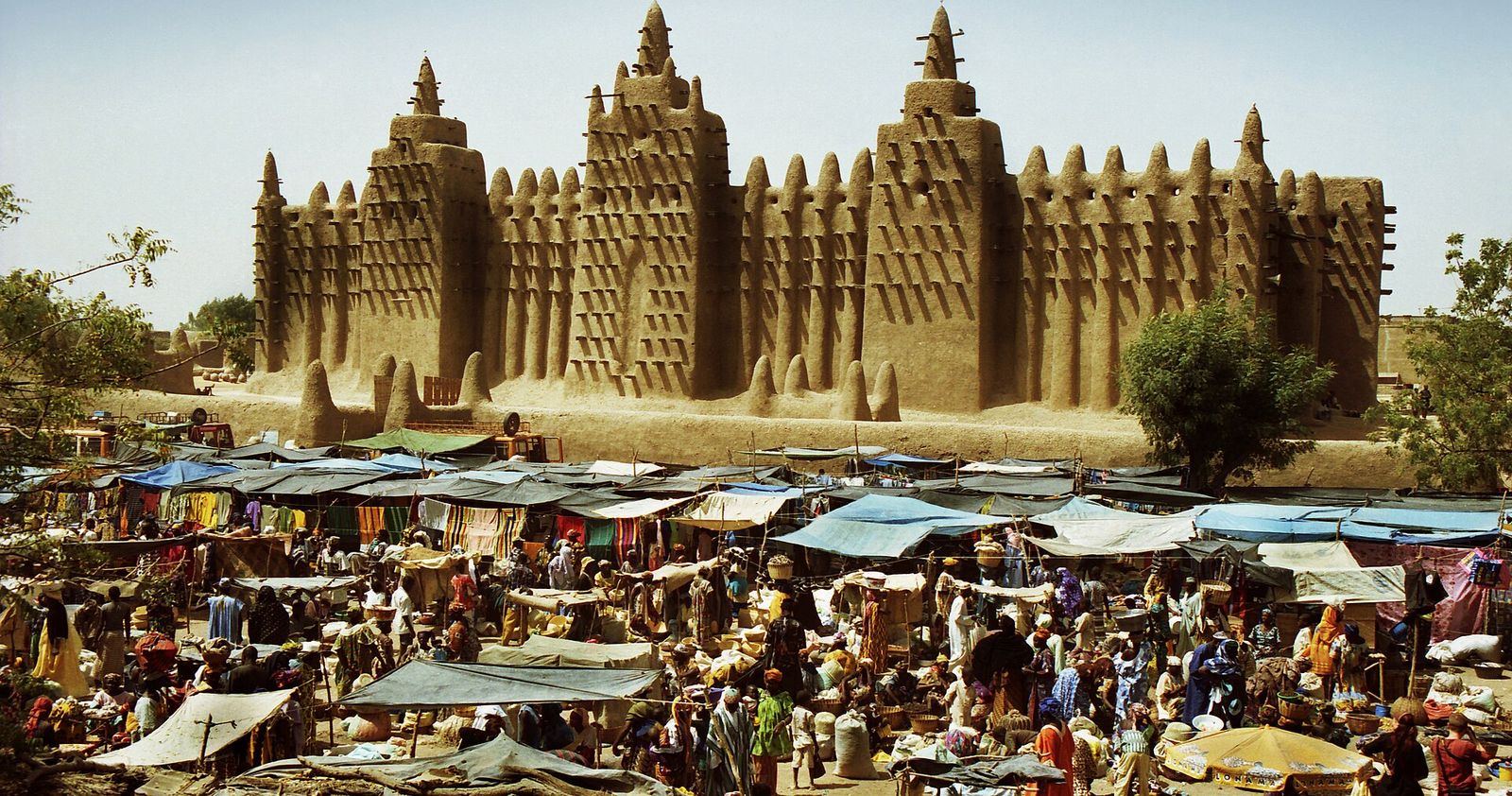
- **The Monday market**: the big weekly market, with pottery, cloth, grain, livestock and crowds from the surrounding villages.
- **Colonial quarter**: the old administrative buildings and the former governor's residence in the Sudanese style.
- **Centre Culturel Kôrè**: the cultural centre that has organised the Festival sur le Niger and hosts exhibitions and concerts.
Festival sur le Niger
For years the Festival sur le Niger brought Malian and international musicians to a stage on the river in early February, with puppets, crafts and boat races. It has been held in reduced form or paused in some years because of security, so check whether and when the next edition will take place before building a trip around it.
Food
Ségou eats like Bamako, with fresh fish from the river at the centre. Try grilled **capitaine** and **tilapia**, **riz gras**, **tô** with sauce and **fakoye**. Small riverside restaurants and hotel terraces serve simple meals. Drink bissap and ginger juice, and enjoy tea with your hosts.
Where to stay
Ségou has a handful of hotels and guesthouses, several along the river with gardens and terraces. Many have seen few foreign guests in recent years, so confirm they are open and ask about security and backup power before you go.
Getting there and around
Ségou is reached by road from Bamako. Buses run the route, but most visitors who go use a trusted private driver and travel only by day. In town, the centre and riverfront are compact enough to walk in the cooler hours, and pinasses can be hired for river trips.
Questions about Ségou
How far is Ségou from Bamako?
Ségou is around 235 kilometres northeast of Bamako by road, usually four hours or more depending on checkpoints and road conditions.
Is the Festival sur le Niger still held?
It has been held in some years in a smaller form and paused in others. Check the organisers' current announcements before planning a trip around it.
Can I visit Ségou safely?
Governments including the US, UK, Canada and Australia advise against all travel to Mali. Read your own government's current advice and seek local knowledge before travelling outside Bamako.
What should I buy in Ségou?
Bogolan mud cloth, pottery from Kalabougou and woven blankets are the town's best-known crafts.
Facts checked . Fees, schedules and entry rules change, so always confirm the latest with the official source.