Which place suits you
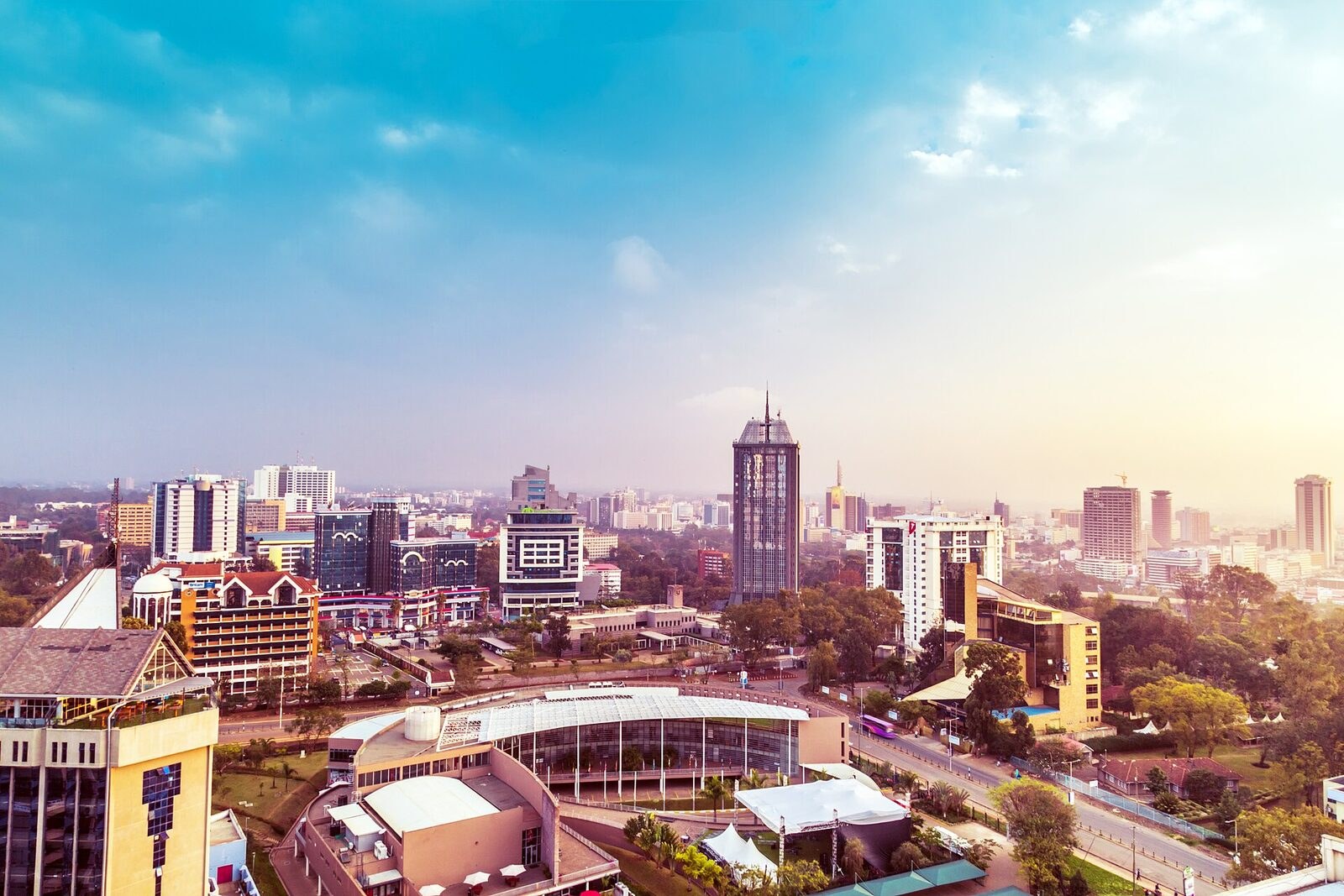
- Nairobi: where almost every trip starts and ends. Give it a day or two for the national park on the edge of the city, the baby elephants and giraffes, the museums and the food, or a night either side of a safari.
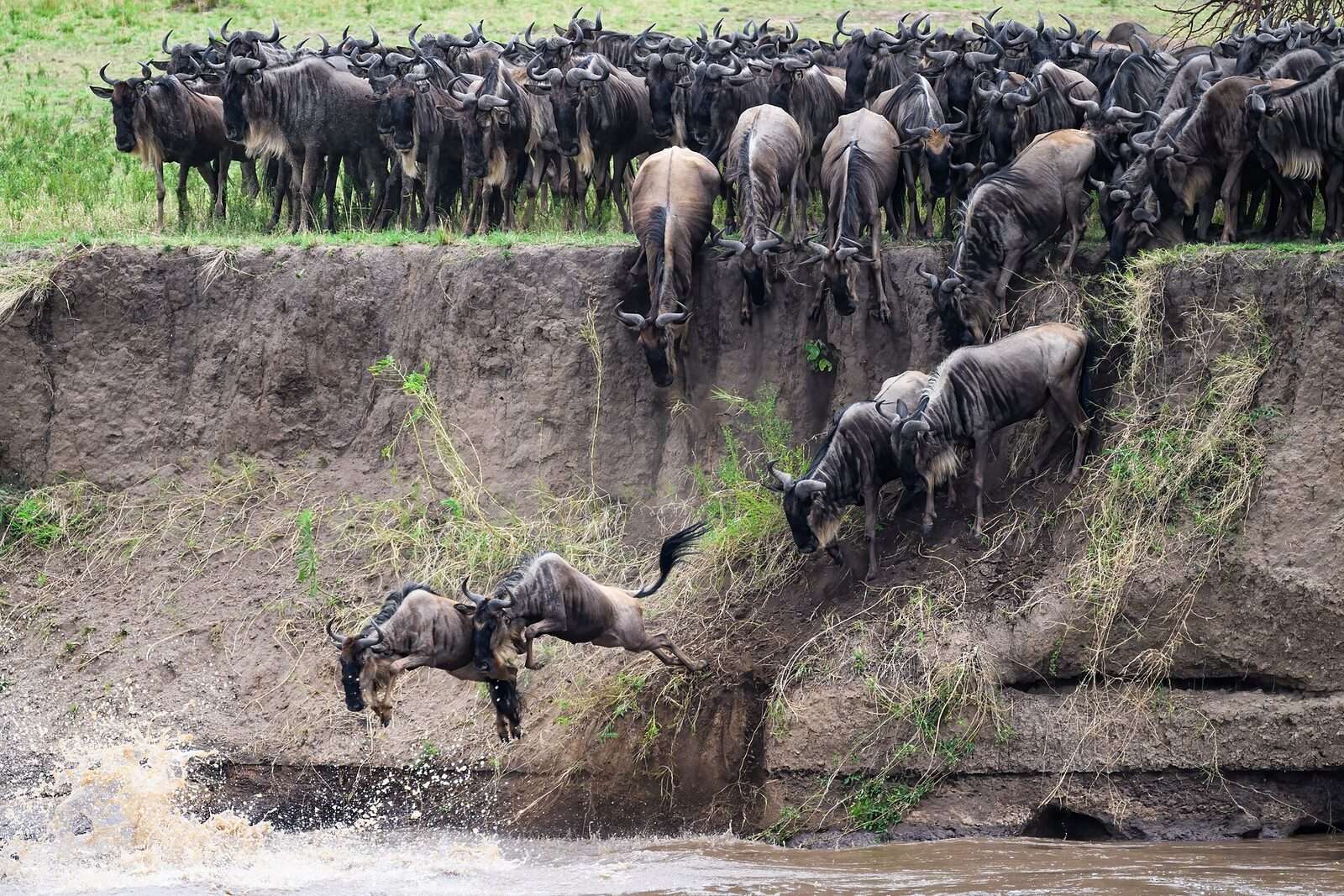
- The Maasai Mara: the classic big-game safari of open grassland, lions and elephants, and the Great Migration in season.
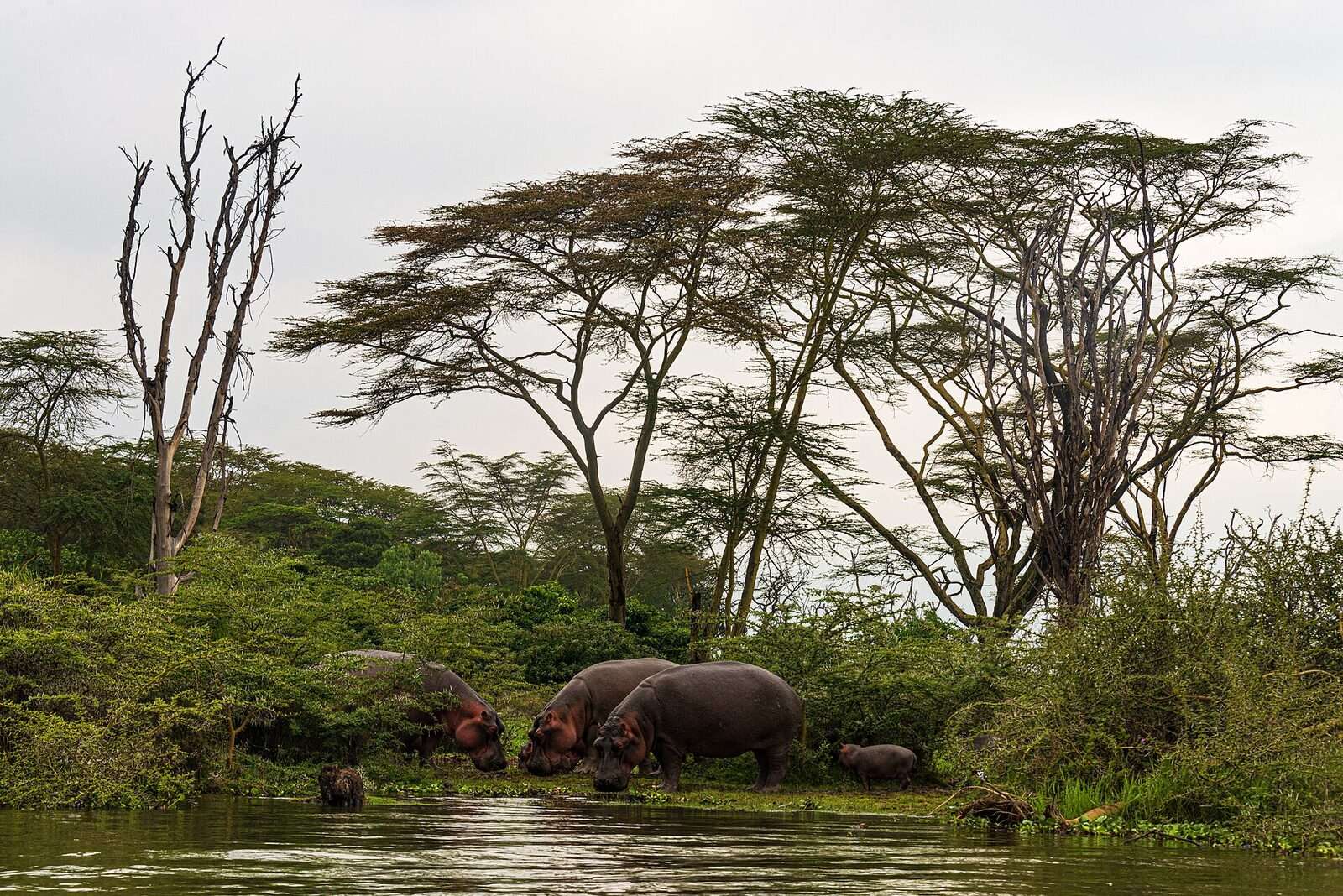
- Lake Naivasha: the easiest escape from the city, about two hours away. Walk among giraffes and zebras, watch hippos from a boat and cycle in Hell's Gate. A favourite with families and first-timers.
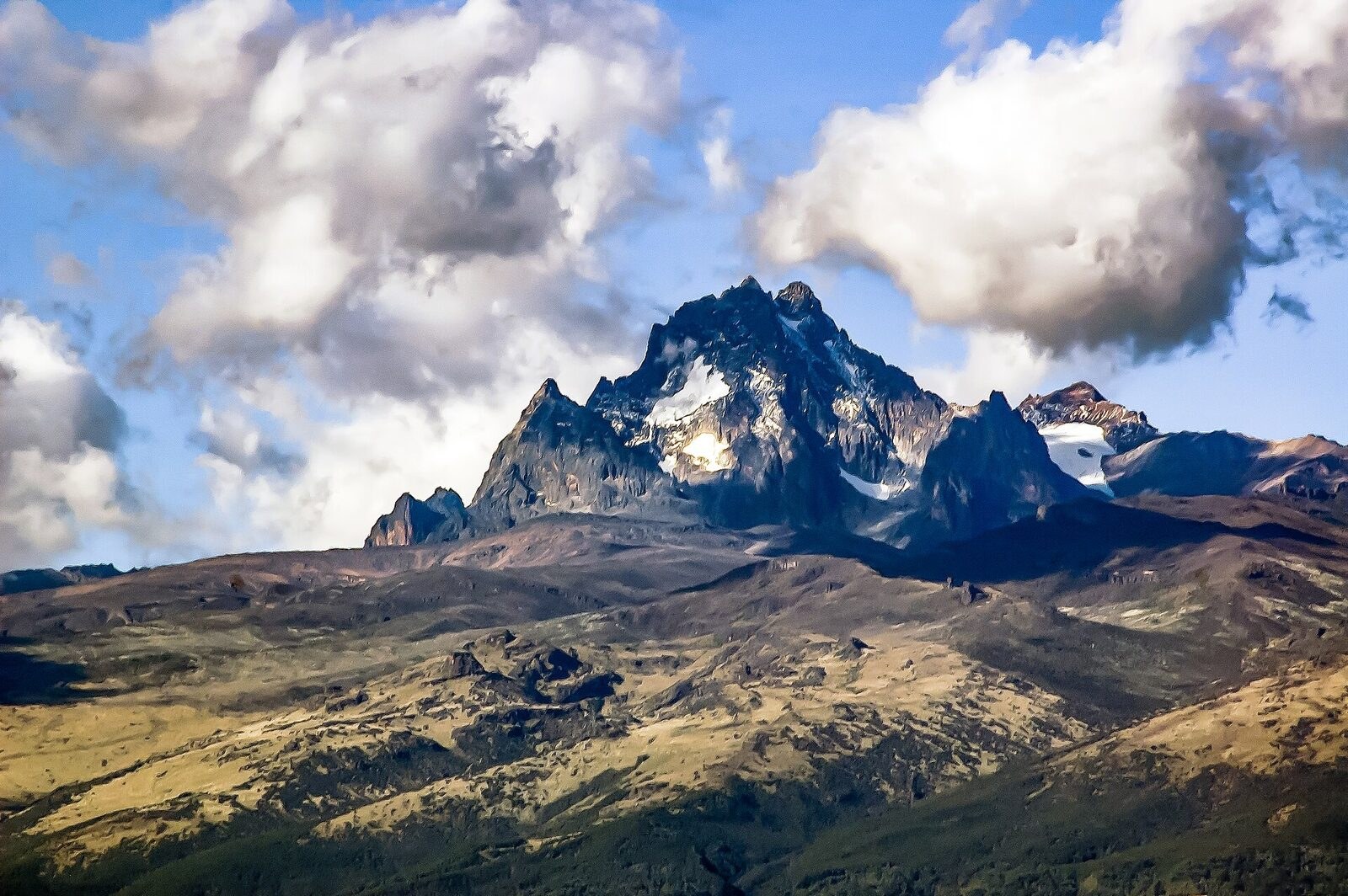
- Nanyuki and Mount Kenya: cool air, rhino conservancies on the Laikipia plateau and walks on the mountain, with far fewer vehicles than the busiest parks.
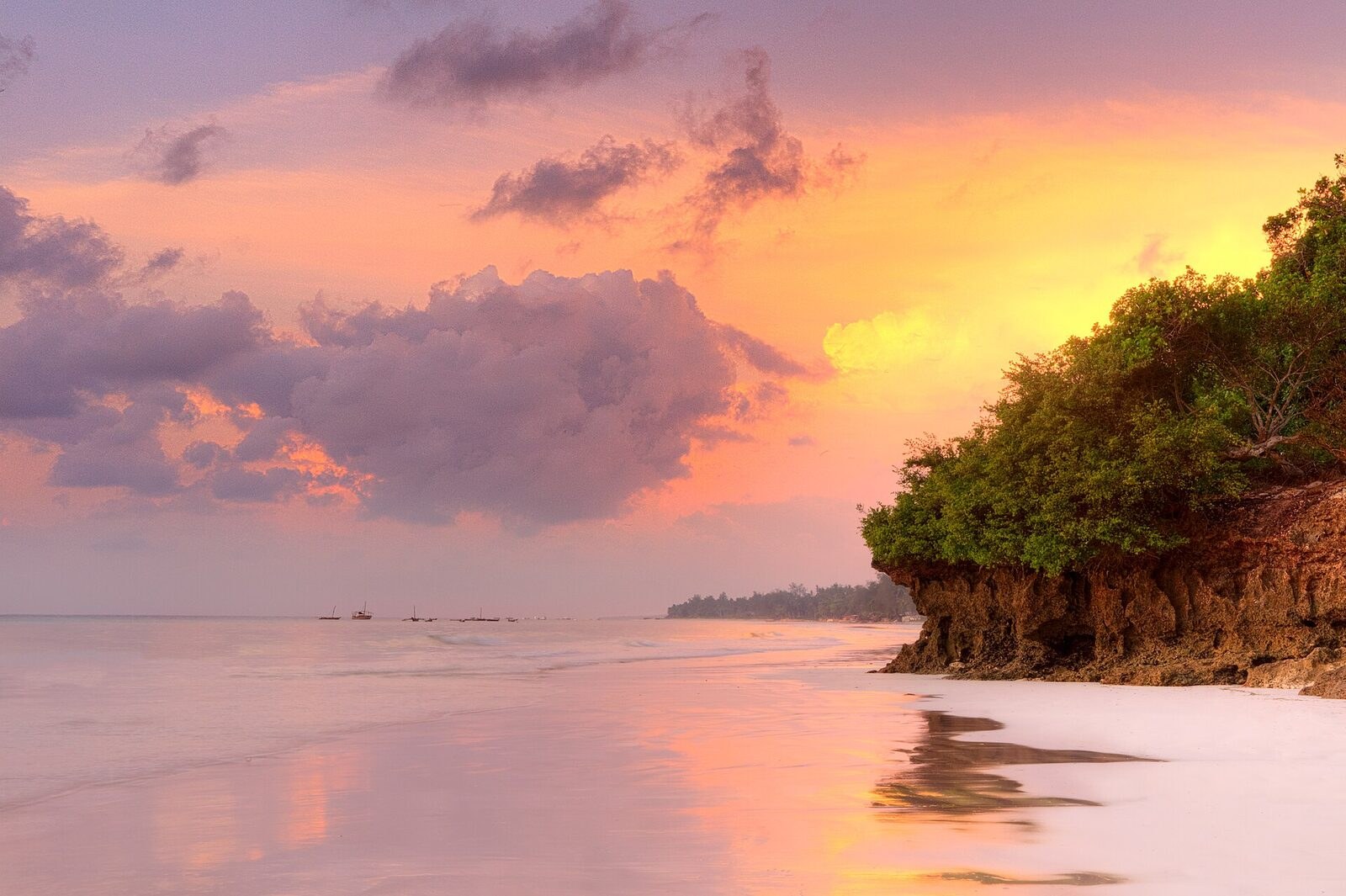
- Diani Beach: white sand, warm water and a slow pace on the south coast. The natural way to end a trip, for couples, families and honeymooners.
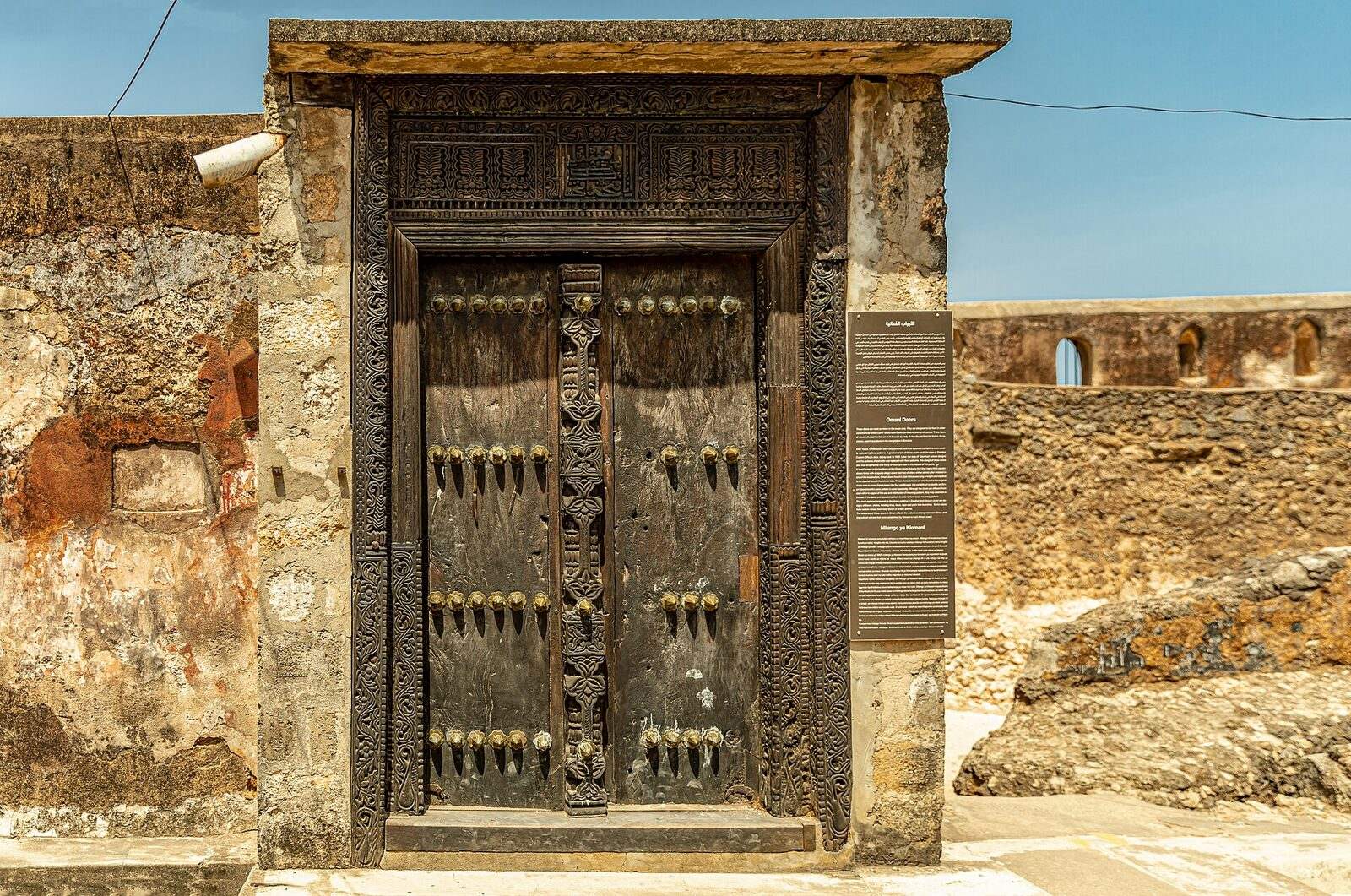
- Mombasa: history, Swahili food and the north coast beaches, reached by the SGR train from Nairobi.
How many days to allow
Our guides suggest:
- Nairobi: two to three days on its own, or a night either side of a safari.
- Maasai Mara: three nights is ideal, and two at the very least.
- Lake Naivasha: a day trip, or one to two nights.
- Nanyuki and Mount Kenya: two to four nights.
- Diani Beach: four nights or more.
- Mombasa: two to four nights.
Count the travel days too. From Nairobi, Lake Naivasha is about 2 to 2.5 hours by road, Nanyuki three to four hours, and the Maasai Mara five to six hours plus stops, or around an hour by light aircraft. The coast is about an hour by air, or five to six hours on the SGR train to Mombasa. After a long-haul flight, keep the first day gentle, and avoid driving outside towns at night.
When to go
Kenya is a year-round destination, but the seasons shape each place.
- The long rains usually fall from around March or April to May. Tracks in the Mara and the conservancies can be muddy, but the country is green and quieter. On the coast the heaviest rain is from around April to June.
- The short rains are lighter, usually around November, and from around October to December in Nairobi, with plenty of sunshine between showers.
- The Great Migration usually reaches the Mara from around July to October, with river crossings often in August and September. These are the busiest safari months, so book early.
- For walking, hiking and game viewing around Mount Kenya and Laikipia, the drier months, roughly January to February and June to October, are best.
- The coast is hot and mostly dry from December to March, its busiest season, and a little cooler and breezier from July to October.
- In December the diaspora comes home, and flights, cars, train seats and holiday stays fill up early. Our homecoming guide explains how to plan for it.
Our month-by-month guide to the best time to visit puts the seasons, holidays and school breaks in one table.
Putting places together
Most first trips combine the city, the wild and the sea. Some combinations that work well:
- A first taste of Kenya: two nights in Nairobi, a night or two at Lake Naivasha, then three nights in the Maasai Mara. The roads to Naivasha and the Mara leave Nairobi the same way, down the escarpment into the Rift Valley.
- Safari and beach: three nights in the Mara, then fly to the coast for four nights or more on Diani Beach.
- The north and the coast: rhinos and cool air in Nanyuki and Laikipia, then the beach. Light aircraft fly to Nanyuki from Wilson Airport in Nairobi, which makes it easy to link with the Mara or the coast.
- By train: the SGR from Nairobi to Mombasa, a couple of nights in the Old Town and on the north coast, then the drive south to Diani.
- Coming home with family: time with relatives in Nairobi or upcountry, with a weekend at Lake Naivasha or a few days at the coast for the children.