Mali · Local picks
100+ Places to Visit in Mali
These are the markets, museums, music spots, river towns, historic sites and stays that make Mali memorable, from Bamako's National Museum to Djenné's Great Mosque. Always check your government's travel advice before going anywhere outside Bamako, as most of the country is covered by strict warnings.
Places to Visit in Bamako
Arts and Culture
- Musée National du Mali (Avenue de la Liberté)
West Africa's finest museum of textiles, masks, archaeology and Dogon and Bambara culture. - Musée du District de Bamako (Quartier du Fleuve)
Small museum telling the story of the city and its founding families. - Musée Muso Kunda (Korofina)
A museum dedicated to Malian women, their crafts, clothing and roles in society. - Palais de la Culture Amadou Hampâté Bâ (Badalabougou)
The national cultural hall on the river, used for concerts, theatre and festivals. - Institut Français de Bamako (Centre)
Concerts, films, exhibitions and a library in a leafy cultural centre. - Conservatoire Balla Fasséké Kouyaté (Quartier du Fleuve)
The national arts and music conservatory, with student concerts and shows. - Bibliothèque Nationale du Mali (ACI 2000)
The national library, a quiet place for readers interested in Malian history.
Nature and Outdoors
- Parc National du Mali (Avenue de la Liberté)
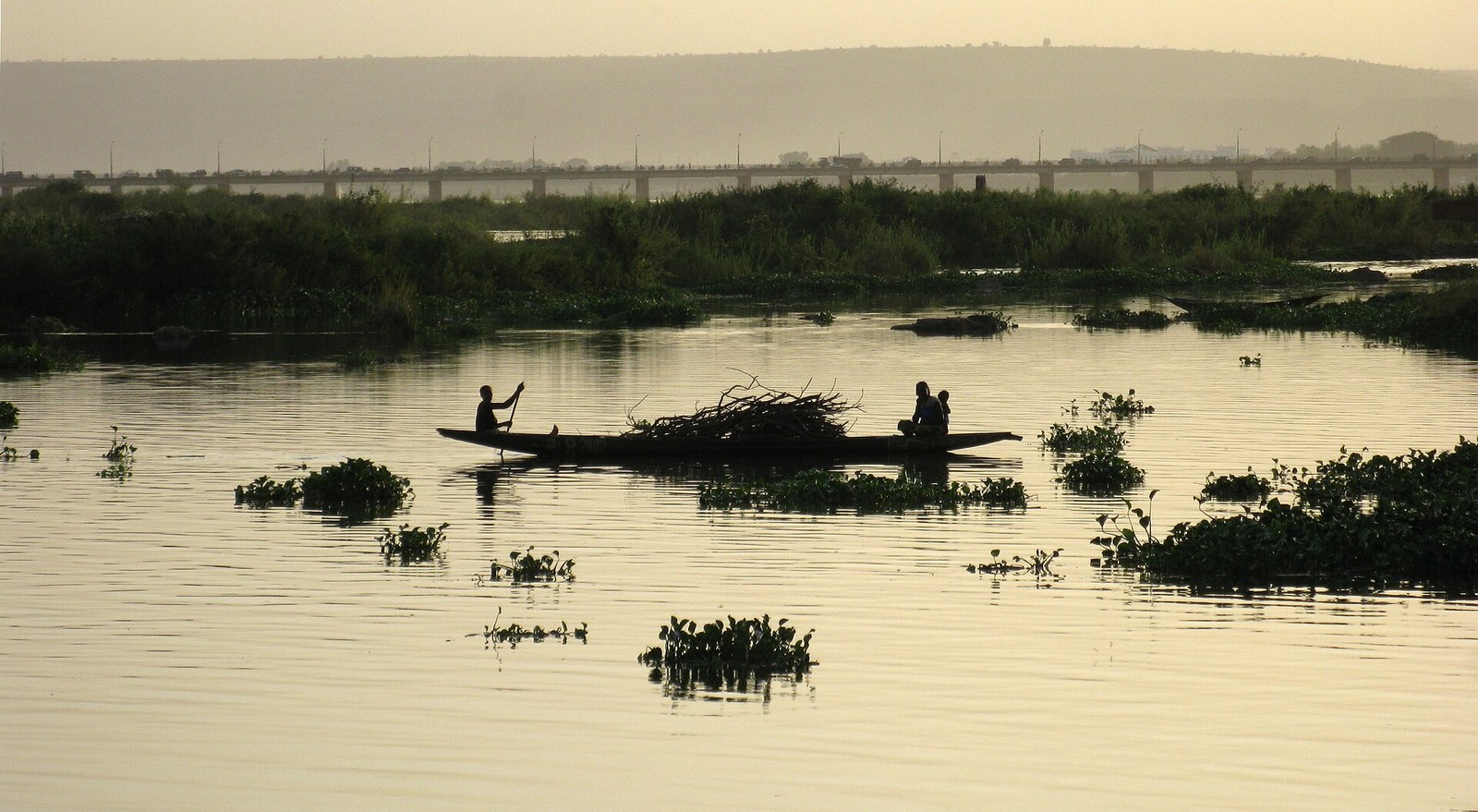
Shady botanical park with walking paths, playgrounds and a calm break from the heat. - Niger River riverbank at Quartier du Fleuve (Quartier du Fleuve)
Evening walks along the river to watch pirogues and the sunset. - Bamako Zoo (Avenue de la Liberté)
The restored city zoo next to the National Park, popular with families.
Shopping and Markets
- Grand Marché de Bamako (Centre)
The pink-walled central market and the crowded streets of cloth, spices and goods around it. - Marché de Médine (Médina Coura)
A vast local market for food, fabric and household goods where Bamako really shops. - Marché aux Fétiches (Centre)
Stalls of traditional medicine and charms that show a side of Malian belief few visitors see. - Maison des Artisans (Centre)
Jewellers, leatherworkers and woodcarvers working and selling in one compound. - Marché de Dibida (Dibida)
A busy market known for bazin, wax prints and tailoring supplies. - Tailors of Bamako (Citywide)
Have bazin or wax cloth made into clothes in a few days.
Things to Do
- Grande Mosquée de Bamako (Centre)
The city's main mosque, a landmark of the old centre, best admired from outside. - Monument de l'Indépendance (Boulevard de l'Indépendance)
The city's best-known monument, a striking piece of post-independence architecture. - Tour de l'Afrique (ACI 2000)
A tall monument to African unity at a busy roundabout in the business district. - Point G Hill (Point G)
The hill above the city with wide views over Bamako and the Niger. - Pont des Martyrs (Niger River)
The old bridge across the Niger with views of fishermen and river gardens. - Pont Roi Fahd (Niger River)
The second bridge, good for seeing the river's sandbanks and market gardens. - Koulouba Hill (Koulouba)
The hill of the presidential palace with views over the city, seen from the road.
Events
- Rencontres de Bamako (Various venues)
The biennial of African photography, one of the most important on the continent. - Tabaski celebrations (Citywide)
The festival of sacrifice, when families gather in their finest bazin. - Street weddings and baptisms (Citywide)
Weekend celebrations with griots, drums and dancing, where much of Bamako's best music happens.
Restaurants
- San Toro (Hippodrome)
A Malian restaurant decorated with crafts, serving local dishes with live kora at times. - Dibiterie stalls (Hippodrome)
Street grills selling grilled mutton with onions and mustard late into the night. - Riz gras canteens (Médina Coura)
Simple canteens serving big plates of riz gras at lunchtime. - Restaurant du Radisson Blu (ACI 2000)
A secure hotel restaurant with buffet and international dishes. - Capitaine grills by the river (Badalabougou)
Riverside stands grilling fresh capitaine fish from the Niger. - Restaurant Amandine (Hippodrome)
A bakery and restaurant well known for pastries and light meals. - Fakoye at local canteens (Citywide)
A Songhai meat stew in jute leaf sauce, served with rice.
Cafés
- Pâtisserie Amandine (Hippodrome)
Croissants, cakes and coffee in one of the city's favourite bakeries. - Grin tea circles (Citywide)
Join friends drinking three rounds of strong sweet green tea in the street. - Dégué sellers (Citywide)
Sweet millet and yoghurt dessert, perfect on a hot afternoon.
Bars and Nightlife
- Terrace bars of Hippodrome (Hippodrome)
The neighbourhood's open-air bars, busiest on weekend evenings. - Live music nights at Palais de la Culture (Badalabougou)
Concerts by major Malian artists when they are in town.
Stays
- Radisson Blu Hotel Bamako (ACI 2000)
A secure international hotel with a pool, garden and backup power. - Azalaï Hôtel Salam (Quartier du Fleuve)
A large riverside hotel near the centre with gardens and a pool. - Sheraton Bamako (ACI 2000)
An international hotel with a rooftop view over the city. - Hôtel Olympe International (Hippodrome)
A mid-range hotel near the restaurants of Hippodrome. - Hôtel Mandé (Cité du Niger)
A riverside hotel on the Niger with garden views.
Places to Visit in Ségou
Things to Do
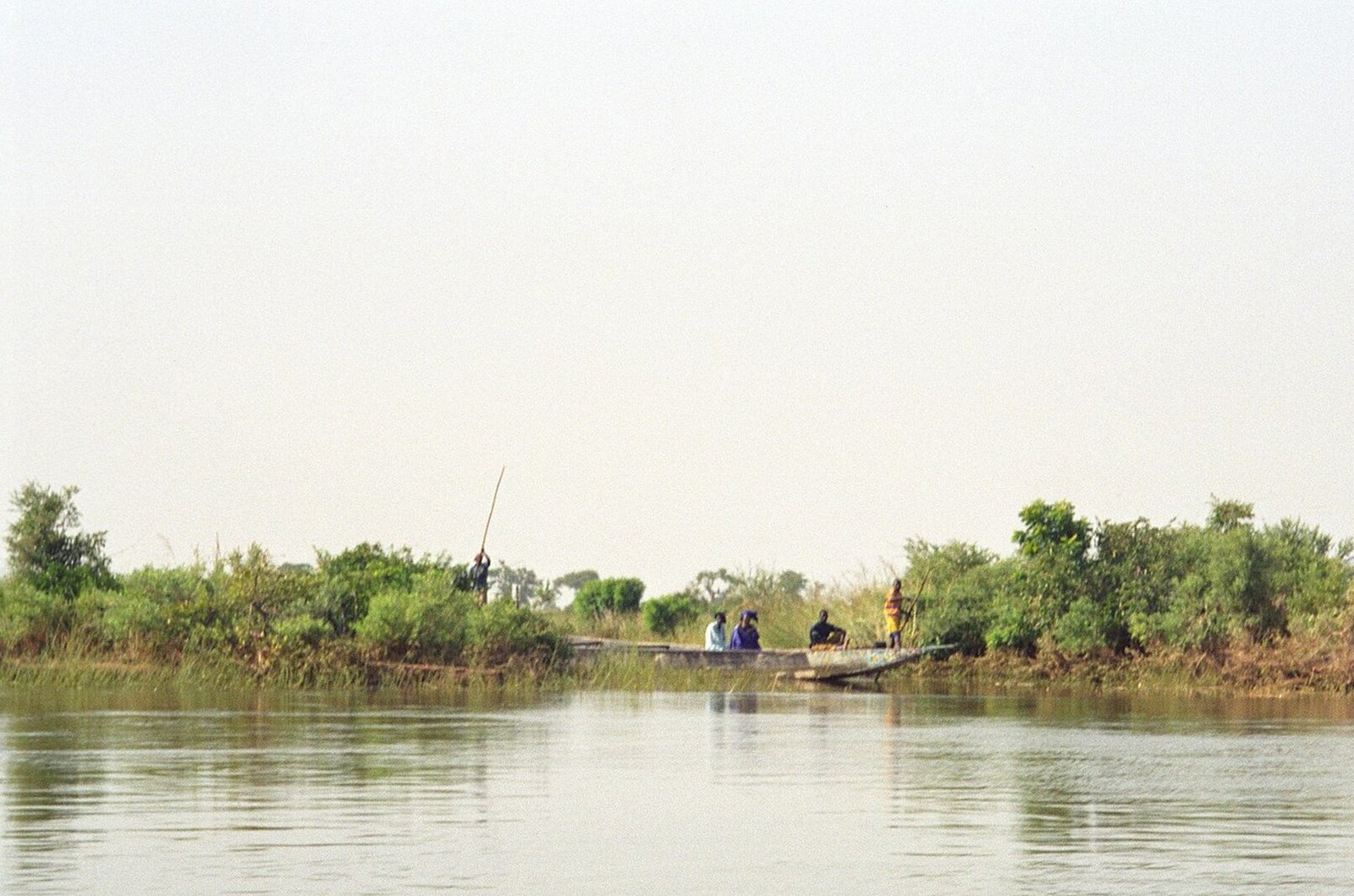
- Ségou riverfront (Centre)
Sunset walks along the Niger, with fishermen and pinasses at work. - Ségou Koro (Ségou Koro)
The old royal village with the tomb of Biton Coulibaly and mud-brick mosques. - Kalabougou pottery village (Across the Niger)
A village where women shape and fire large clay jars in open fires. - Markala Dam (Markala)
The great dam that feeds the Office du Niger irrigation scheme.
Arts and Culture
- Ndomo (Centre)
A bogolan workshop where young people learn natural dyeing, and you can watch and buy. - Centre Culturel Kôrè (Centre)
The cultural centre behind the river festival, with exhibitions and concerts. - Colonial quarter of Ségou (Centre)
Sudano-colonial administrative buildings along wide shady avenues.
Shopping and Markets
- Ségou Monday market (Centre)
The big weekly market with pottery, cloth, grain and livestock. - Bogolan sellers of Ségou (Centre)
Small shops selling mud cloth, blankets and pottery.
Stays
- Hôtel l'Auberge (Centre)
A long-running hotel with a shady garden and restaurant.
Restaurants
- Riverside fish grills (Riverfront)
Freshly grilled capitaine and tilapia by the water. - Restaurant of l'Auberge (Centre)
Simple Malian and European dishes in the garden.
Nature and Outdoors
- Pinasse trip on the Niger (Riverfront)
A boat ride past fishing camps and villages along the river.
Places to Visit in Mopti
Things to Do
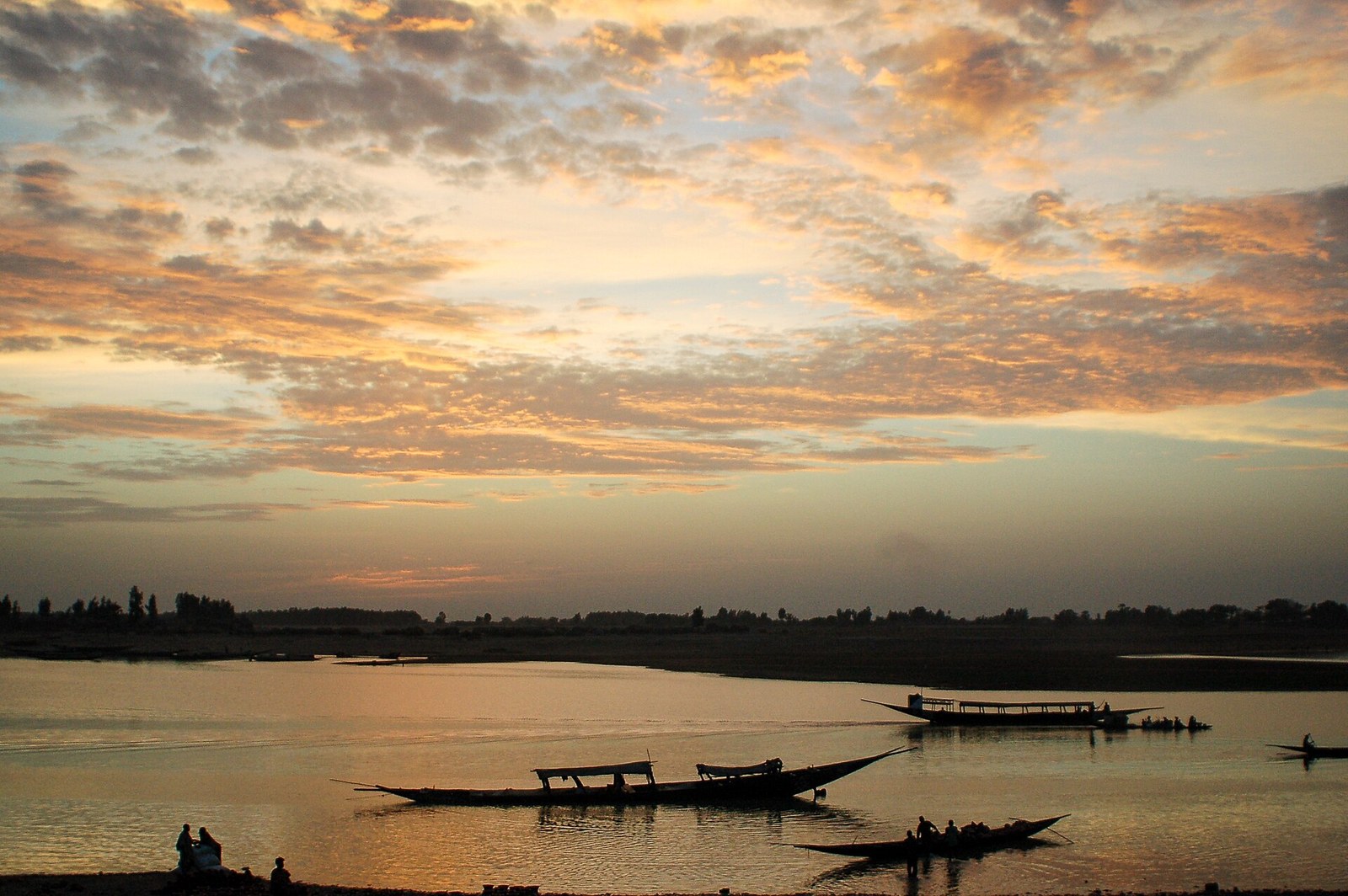
- Port of Mopti (Harbour)
The busy harbour where pinasses load and salt slabs are sold. - Boat builders of Mopti (Harbour)
Craftsmen shaping long wooden pinasses on the riverbank. - Sévaré (Sévaré)
The twin town on the main road, with the airport and most hotels. - Inner Niger Delta (Mopti region)
A vast seasonal floodplain of birds, rice fields and fishing camps.
Arts and Culture
- Komoguel Mosque (Komoguel)
A fine Sudano-Sahelian mud-brick mosque restored with the Aga Khan Trust. - Songho rock paintings (Dogon Country)
Rock art linked to Dogon circumcision rites near Bandiagara.
Shopping and Markets
- Mopti fish market (Harbour)
Dried and smoked fish from across the inner delta. - Mopti main market (Centre)
A big market of cloth, crafts and goods from the whole region.
Nature and Outdoors
- Bozo fishing villages (Niger River)
River villages of the Bozo fishing people, once visited by pinasse. - Bandiagara Escarpment (Dogon Country)
The great cliff of Dogon villages, a UNESCO site now off limits to visitors.
Events
- Dogon mask dances (Dogon Country)
Masked dances performed at funerals and festivals, a famous Dogon tradition.
Places to Visit in Djenné
Arts and Culture
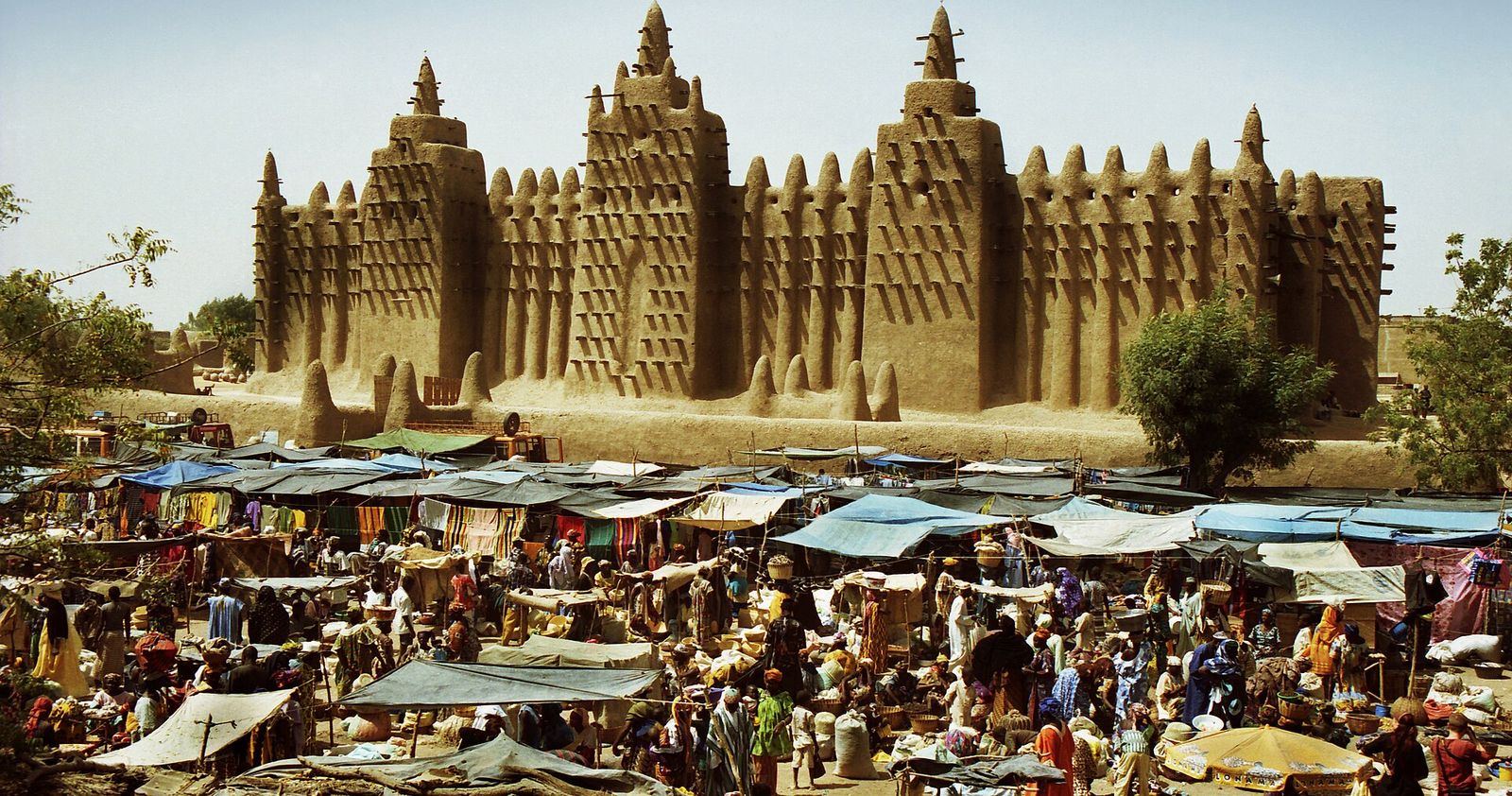
- Great Mosque of Djenné (Centre)
The largest mud-brick building in the world, seen from the square and rooftops. - Djenné-Djeno (Near Djenné)
The ancient city mounds, one of the oldest known cities in West Africa.
Shopping and Markets
- Djenné Monday market (Mosque square)
The famous weekly market in front of the Great Mosque.
Events
- Crépissage of the Great Mosque (Centre)
The yearly festival when the whole town replasters the mosque.
Things to Do
- Old town of Djenné (Centre)
Narrow lanes of mud-brick houses with carved wooden doors. - Bani River ferry (Bani River)
The short crossing that brings travellers onto Djenné's island.
Restaurants
- Djenné street food (Centre)
Rice dishes, river fish and fresh milk from Fulani herders.
Places to Visit in Timbuktu
Arts and Culture
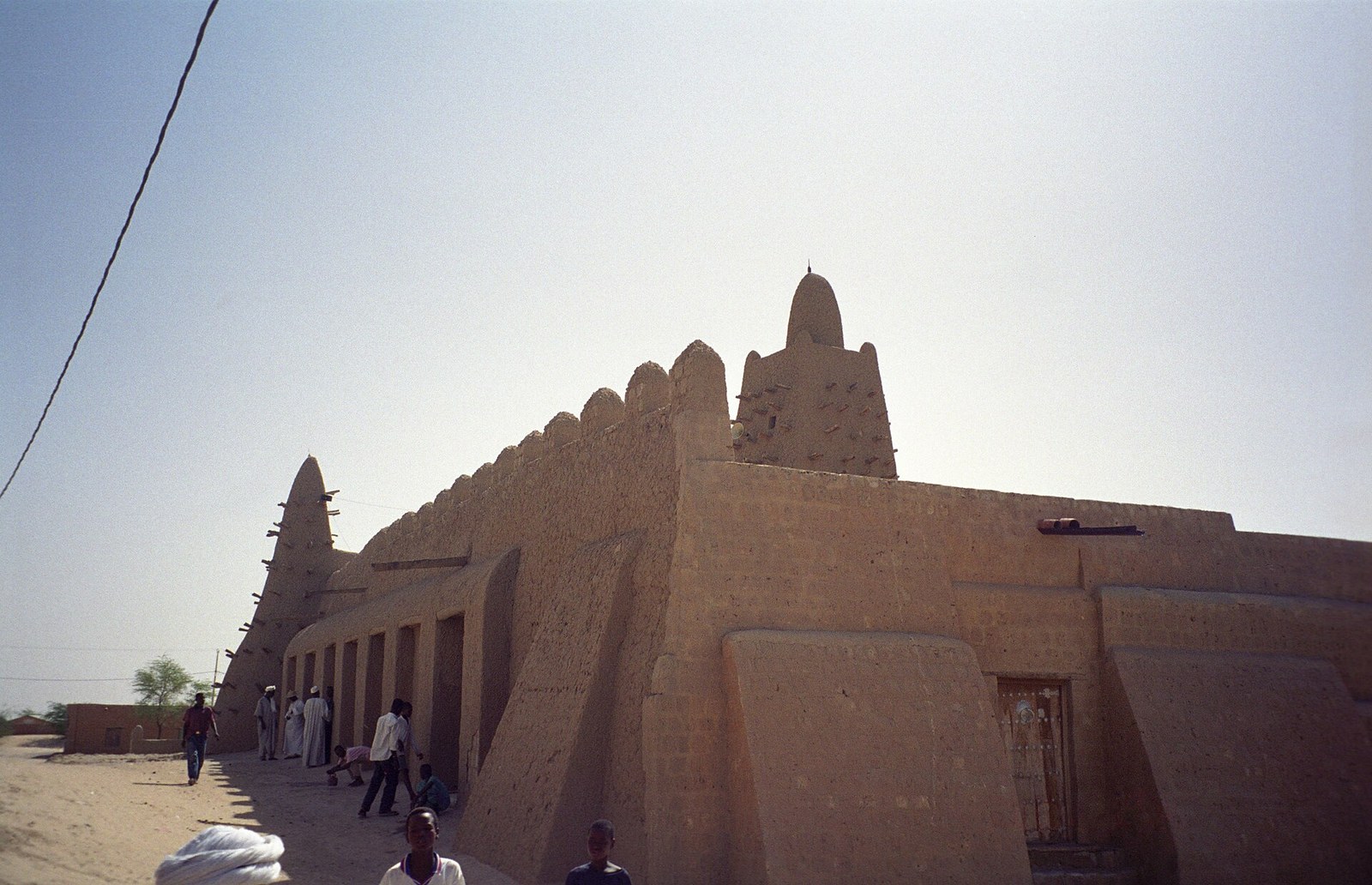
- Djinguereber Mosque (Djingareiber)
The oldest mosque in Timbuktu, built around 1327 under Mansa Musa. - Sankoré Mosque (Sankoré)
The heart of the old university of Timbuktu. - Sidi Yahia Mosque (Centre)
A 15th century mosque named after a revered scholar. - Ahmed Baba Institute (Sankoré)
A major public collection of Timbuktu's manuscripts. - Mamma Haidara Library (Centre)
A family manuscript library whose collection was saved in 2012. - Timbuktu mausoleums (Citywide)
Saints' tombs rebuilt by local masons after their destruction in 2012.
Things to Do
- René Caillié House (Centre)
The house where the French explorer stayed in 1828. - Heinrich Barth House (Centre)
The house of the German explorer who spent months in the city. - Gordon Laing House (Centre)
The house of the first European known to have reached Timbuktu. - Flame of Peace monument (Centre)
Marks the 1996 burning of weapons that ended an earlier rebellion. - Port of Kabara (Kabara)
The old river port that linked Timbuktu to the Niger.
Nature and Outdoors
- Sahara dunes near Timbuktu (Outskirts)
Dunes at the edge of the city where camel caravans once arrived.
Places to Visit in Kayes
Things to Do
- Fort de Médine (Médine)
A 19th century French fort on the Senegal River near Kayes.
Nature and Outdoors
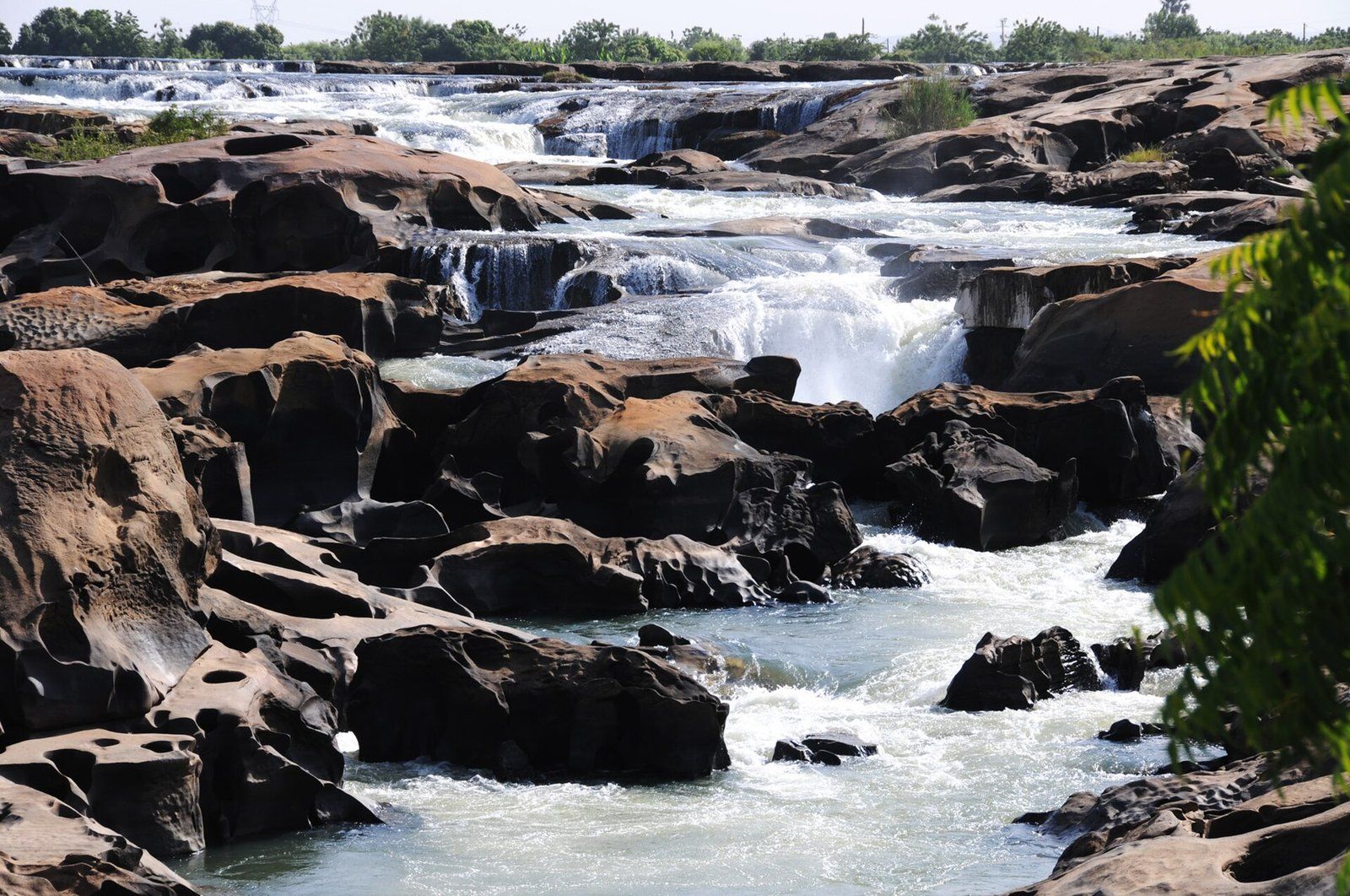
- Félou Falls (Near Kayes)
Waterfalls on the Senegal River, best seen after the rains. - Gouina Falls (Near Kayes)
Wide falls on the Senegal River in a dramatic setting.
More to Explore
We are still checking these with fresh sources, so confirm opening times before you go.
- Marché de Lafiabougou (Lafiabougou, Bamako)
A large neighbourhood market selling everything from grain to secondhand clothes. - Siby Arch (Siby, Bamako)
A dramatic natural sandstone arch in the hills southwest of the city. - Centre Soleil d'Afrique (Faladié, Bamako)
An arts and culture centre that hosts exhibitions, workshops and performances. - Galerie Médina (Centre, Bamako)
A contemporary art gallery showing Malian painters and photographers. - Musée de la Femme (Korofina, Bamako)
A cultural space linked to women's heritage and crafts. - Festival Ségou'Art preview events (Various venues, Bamako)
Art fair events that sometimes extend from Ségou to Bamako. - Le Loft (ACI 2000, Bamako)
A popular restaurant and lounge for international dishes and evenings out. - Restaurant Le Djembé (Hippodrome, Bamako)
A long-standing spot for Malian dishes and grilled fish. - Le Patio (Hippodrome, Bamako)
A garden restaurant for a relaxed dinner under the trees. - Broadway Café (ACI 2000, Bamako)
A family-friendly café and restaurant with burgers, pizzas and juices. - Le Bla Bla (Hippodrome, Bamako)
A longtime meeting place for food, drinks and conversation. - Restaurant Appaloosa (Hippodrome, Bamako)
A well-known spot for steaks and Tex-Mex style dishes. - Le Relax café (Hippodrome, Bamako)
A hotel café for breakfast and fresh juices. - Café of the Institut Français (Centre, Bamako)
A shady courtyard café between exhibitions and films. - Le Diplomate (Hippodrome, Bamako)
A lively bar and nightclub area popular at weekends. - Espace Bouna (Hippodrome, Bamako)
A live music venue that has hosted Malian bands. - Hôtel de l'Amitié (Quartier du Fleuve, Bamako)
The landmark riverside tower hotel, a Bamako icon. - Hôtel Columbus (Badalabougou, Bamako)
A small hotel with a garden and pool in a quiet area. - Hôtel Onomo Bamako (ACI 2000, Bamako)
A modern mid-range hotel near the business district. - Festival sur le Niger (Riverfront, Ségou)
The river music festival in early February, held in some years only. - Ségou'Art (Centre, Ségou)
The contemporary art fair that runs alongside the festival. - Hôtel Djoliba (Centre, Ségou)
A small hotel with a rooftop terrace and pizza oven. - Hôtel Savane (Riverfront, Ségou)
A riverside hotel with gardens on the Niger. - Farako village (Near Ségou, Ségou)
A village known for bogolan and craft cooperatives. - Bar Bozo (Harbour, Mopti)
The famous waterfront restaurant overlooking the port. - Hôtel Kanaga (Mopti, Mopti)
A riverside hotel once popular with travellers heading to Dogon Country. - Hôtel Ya Pas de Problème (Mopti, Mopti)
A small riverside hotel near the port. - Hôtel Flandre (Sévaré, Mopti)
A hotel in Sévaré with garden and restaurant. - Djenné Manuscript Library (Centre, Djenné)
A library preserving the town's Islamic manuscripts. - Hôtel Djenné Djenno (Djenné, Djenné)
A mud-brick hotel decorated with local textiles. - Campement de Djenné (Centre, Djenné)
The town's long-standing simple guesthouse. - Senossa village (Near Djenné, Djenné)
A nearby village with its own mud-brick mosque. - Ethnological Museum of Timbuktu (Centre, Timbuktu)
Exhibits on the peoples and history of the region. - Hôtel La Colombe (Centre, Timbuktu)
A small hotel in the old town. - Festival au Désert (Essakane, Timbuktu)
The famous desert music festival, not held near Timbuktu for many years. - Musée National kora concerts (Avenue de la Liberté, Bamako)
Occasional acoustic concerts in the museum grounds. - Kati Hills drive (Kati, Bamako)
Rocky hills just outside the city, best checked locally before going. - Indigo dyers of Bamako (Badalabougou, Bamako)
Small workshops dyeing cloth in indigo and kola.