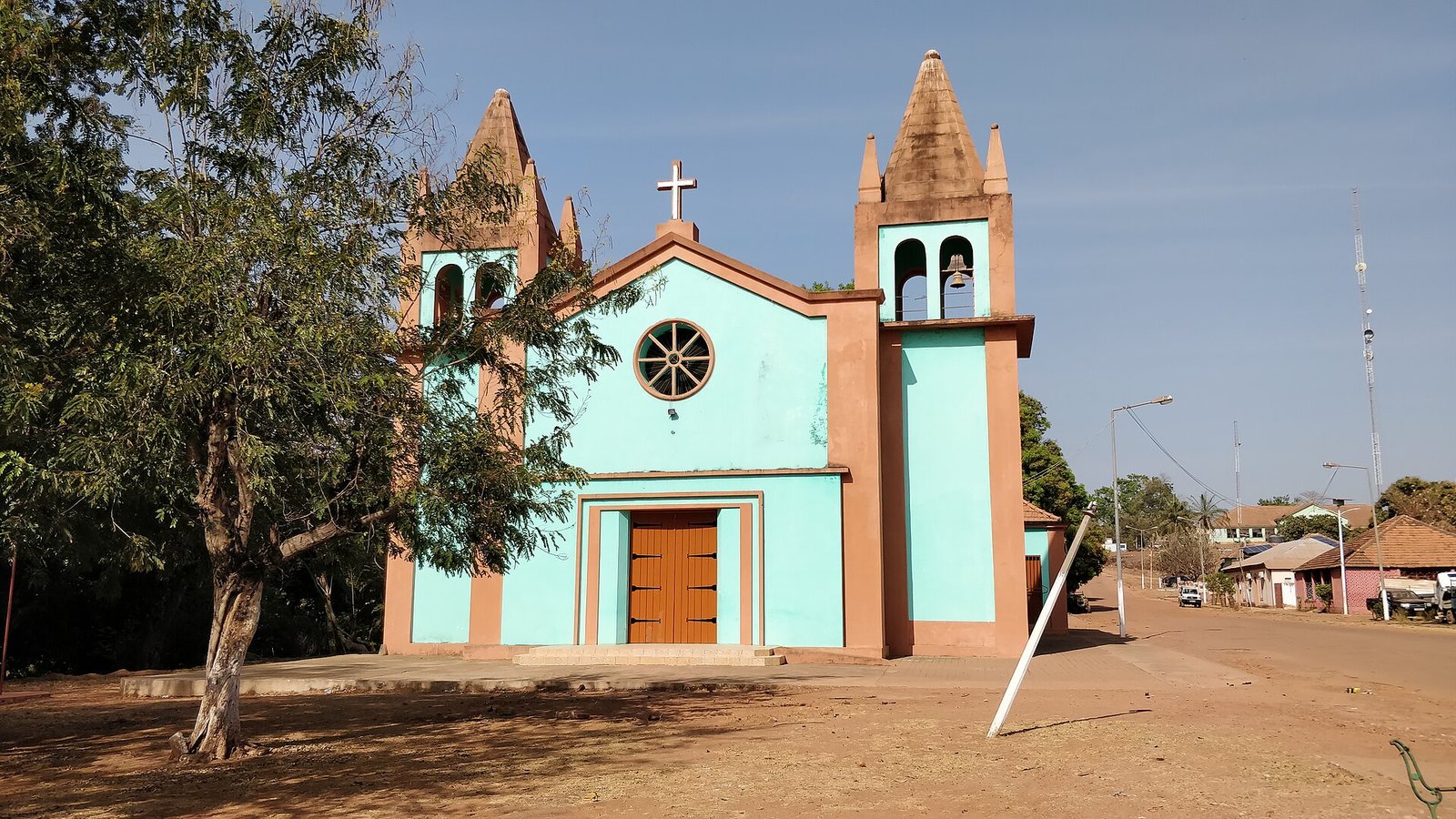
The capital
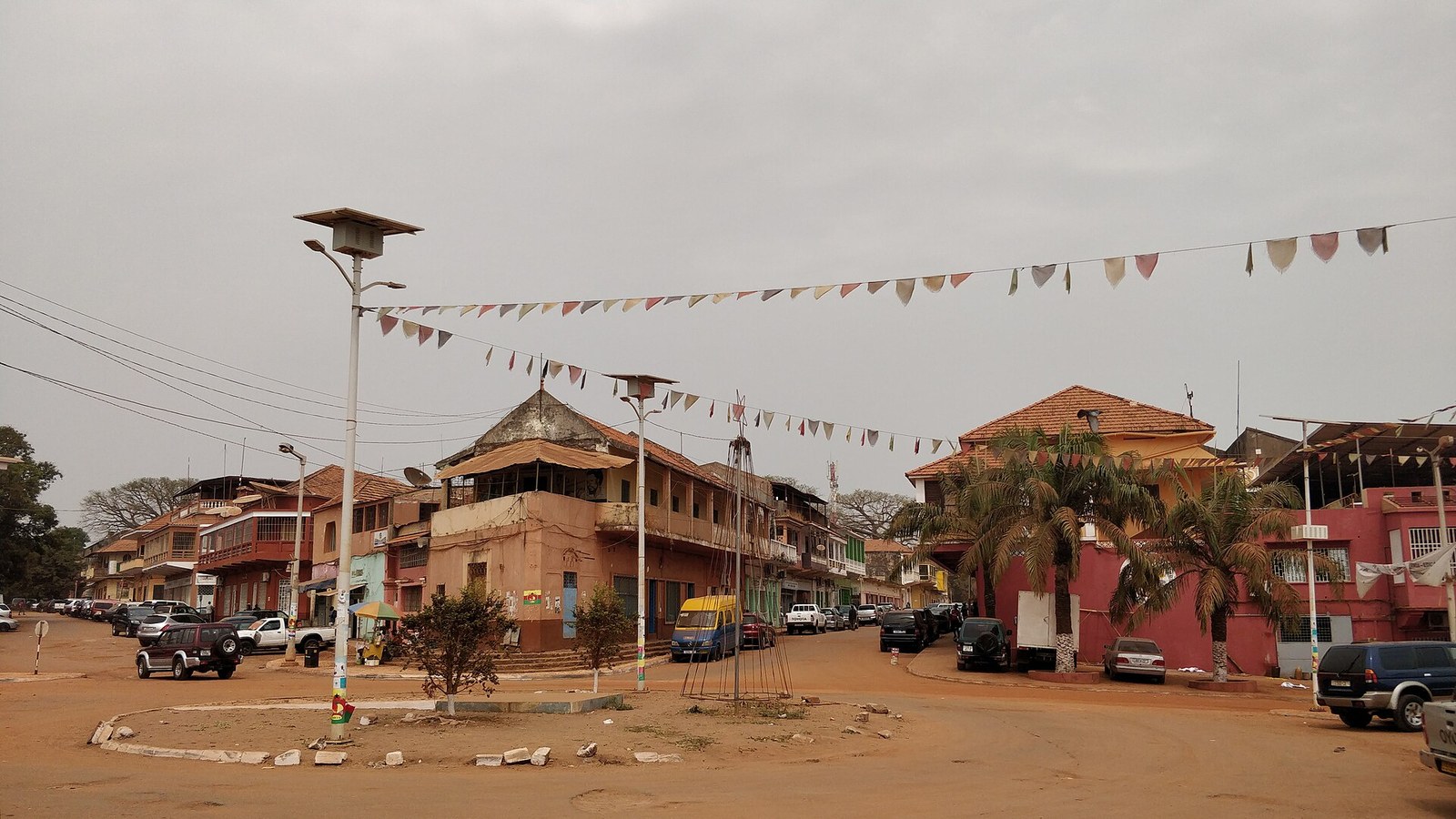
Bissau is where almost every trip starts. It is a small, relaxed capital with a crumbling colonial old town, the Amura fort, the Pidjiguiti memorial and the huge Bandim market. Two nights is enough for most visitors, longer if you are visiting family.
The islands
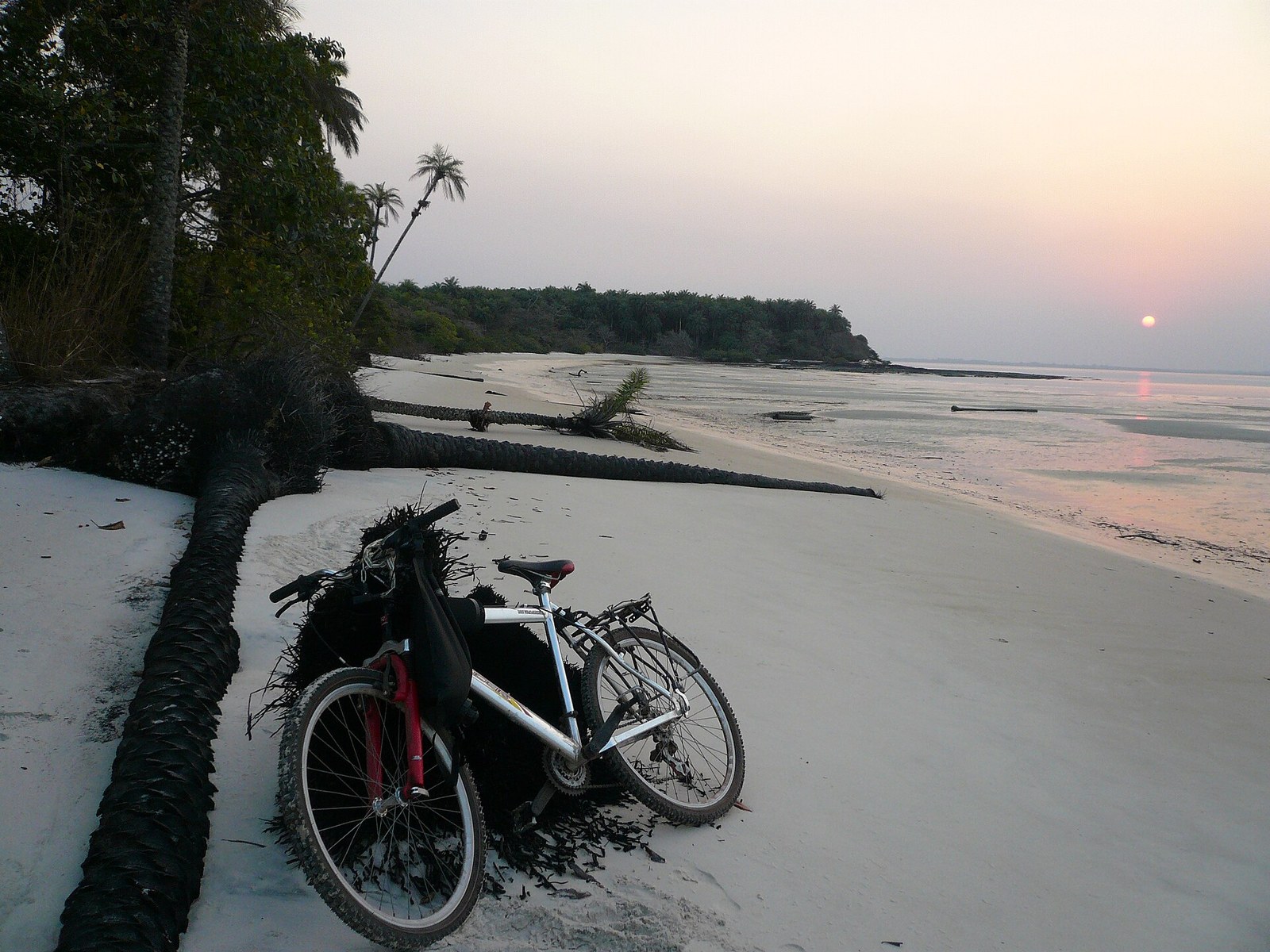
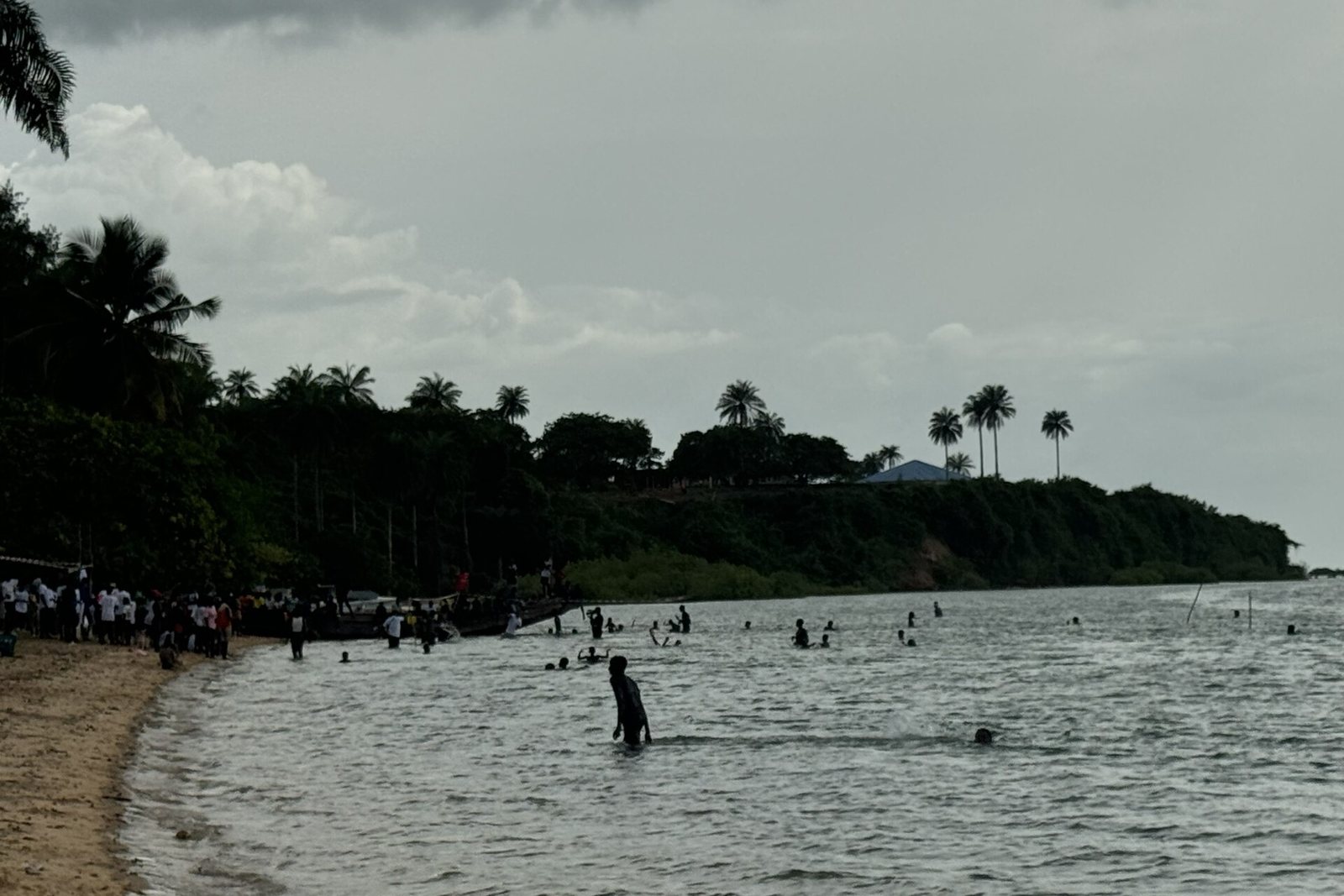
The Bijagós Islands are the country's great draw: a UNESCO biosphere reserve of islands, mangroves and sandbanks where saltwater hippos graze, green turtles nest and island villages keep their own traditions. Bubaque is the hub, reached by ferry or speedboat from Bissau.
The north coast
Cacheu and Varela pair history with beaches. Cacheu was one of West Africa's oldest slaving ports and now has a moving memorial museum and a vast mangrove park, while Varela, near the Senegal border, has the wildest beach on the mainland.
The southern forests
Cantanhez is a national park of forest, mangrove and sacred groves where wild chimpanzees still live. A community run camp at Iemberém makes it possible to stay, walk with guides and see a side of the country few visitors reach.
The east
Bafatá and the east take in the birthplace of Amílcar Cabral, the busy trading town of Gabú and the remote Boé hills. This is the Fula and Mandinka heartland, more Sahelian and mostly Muslim, and the road route to Guinea and Senegal.
How to link them
A week works well as Bissau, then four nights in the Bijagós, then back to the capital. With ten to fourteen days add Cacheu and Varela, or Cantanhez. Travel in the dry season from November to May, and check boat times a day or two ahead. Our free trip planner can help you fit it together, and the places to visit list has markets, beaches and stays for each base.