At a glance
- Best for
- Beaches, wildlife, island culture and fishing
- Gateway
- Boat from Bissau to Bubaque
- Time needed
- Four to seven nights
- Best season
- November to May; turtles nest roughly July to November
- Getting around
- Ferries, speedboats, pirogues and bikes
- Language
- Bijagó and Kriol, little English
Getting there
Most visitors reach the islands through **Bubaque**, the small hub with a port, a market and the widest choice of places to stay. A public **ferry** runs from Bissau on a few days each week, and private **speedboats** run more often and faster. Departure times follow the tides and change frequently, so confirm them a day or two ahead and allow a spare day before any international flight. Many island lodges arrange their own boat transfers from Bissau, which is the simplest option for remote islands.
Bubaque
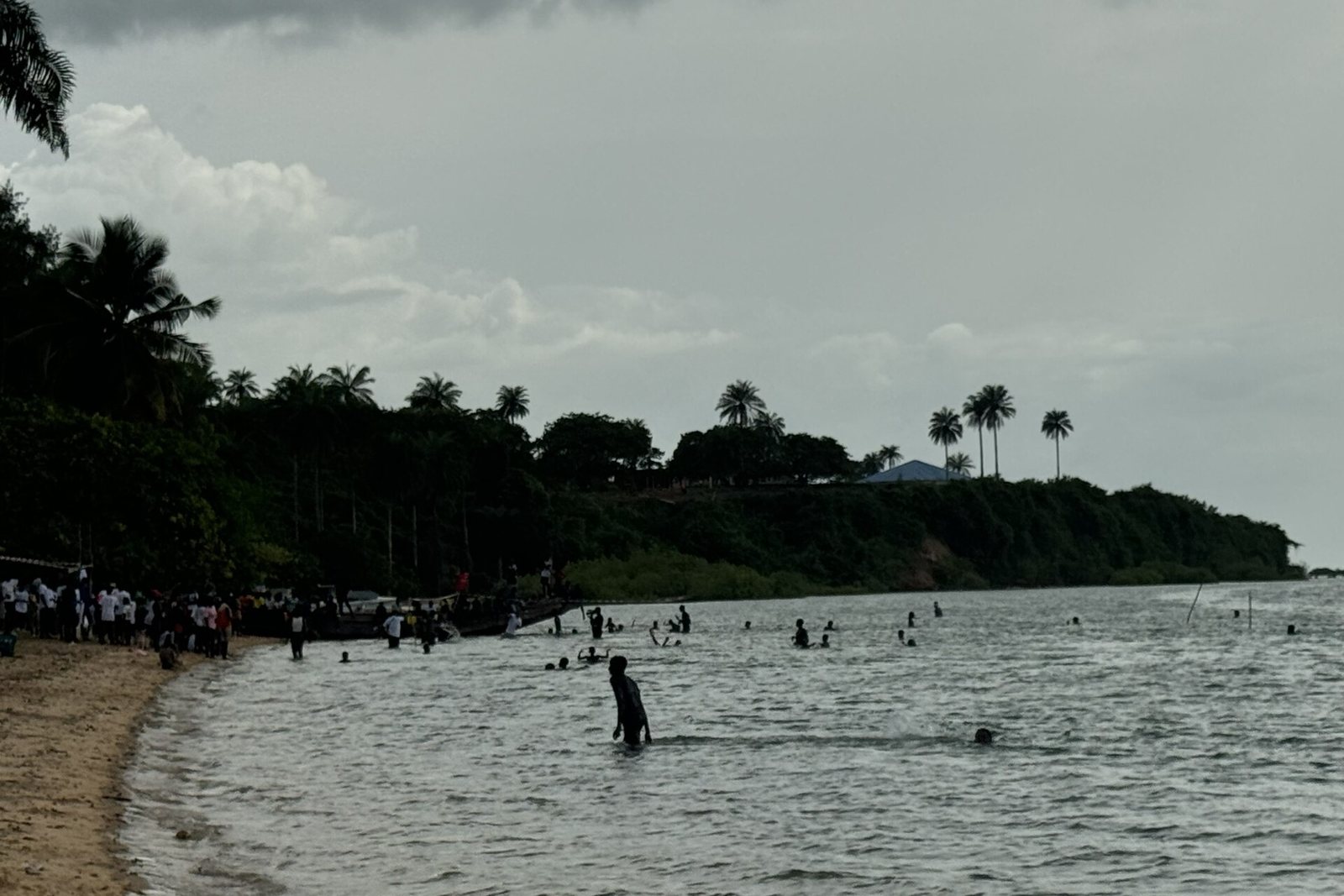
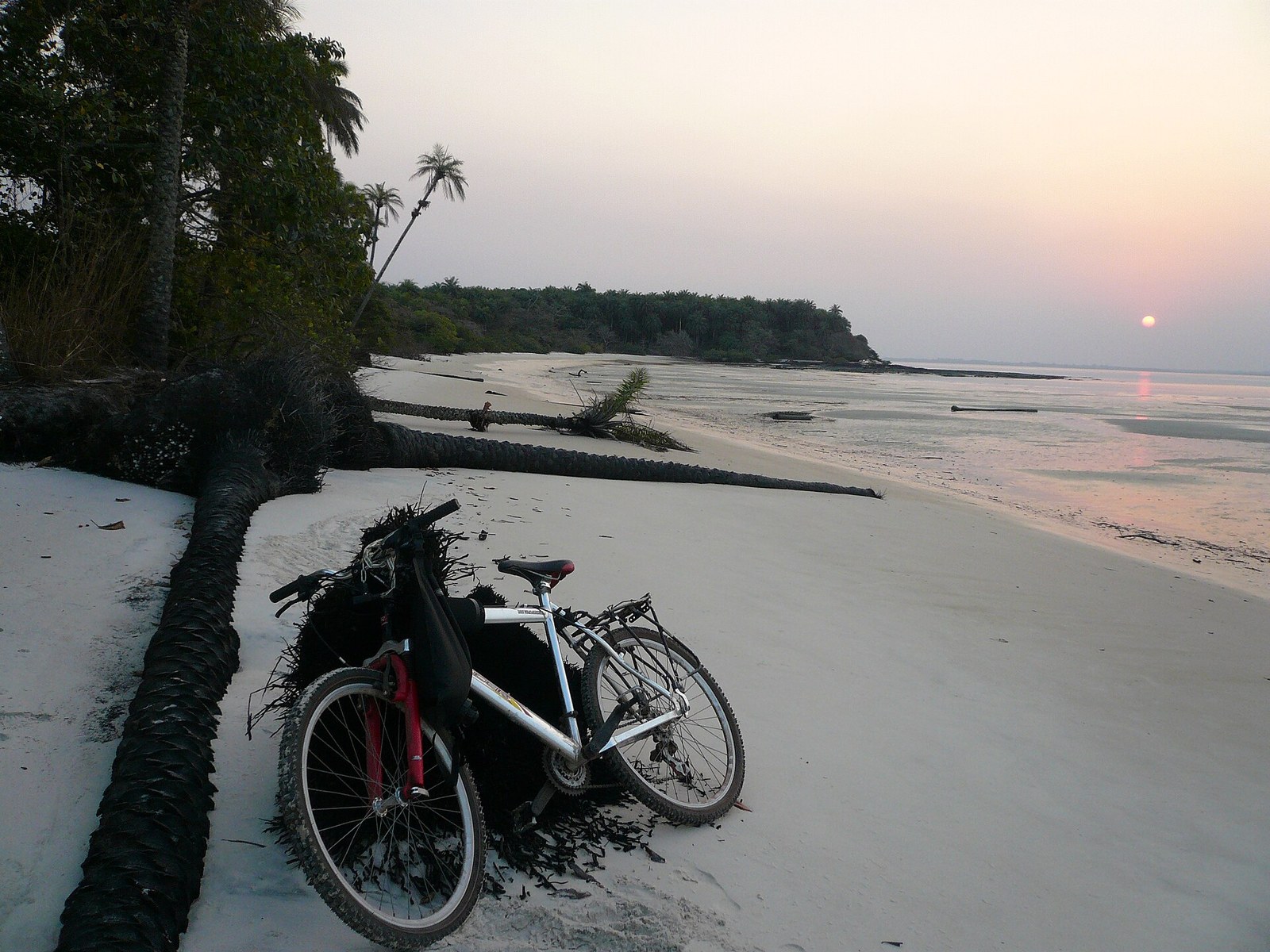
Bubaque is easygoing and green. Hire a bike in town and ride to **Praia de Bruce**, the best beach on the island, at its southern tip. Walk through palm groves and villages, eat grilled fish by the port and watch the boats. Across the channel, **Rubane** has calm water and white sand, and its beach lodges suit couples and anglers.
Orango and the saltwater hippos
**Orango National Park** in the south is famous for its **hippos**, which live in freshwater lagoons but also wade and swim in the sea, a rare behaviour. Visits are on foot with local guides from the community lodge near **Eticoga**, usually starting early. Keep a respectful distance: hippos are dangerous. Orango is also the spiritual heart of Bijagó culture, with the tomb of Queen Okinka Pampa, a revered nineteenth century leader.
João Vieira and Poilão
The **João Vieira and Poilão Marine National Park** protects one of the most important **green turtle** nesting beaches in the Atlantic, on Poilão. Access is controlled and visits need permits and arrangements through the park authority and lodges; nesting is roughly July to November, with many hatchlings later in the year. Never use torches or flash on nesting beaches.
Island culture and etiquette
The Bijagó people have a distinctive society in which women traditionally hold important roles in family and religious life, and age grades guide life from youth to elder. Some islands and forests are **sacred** and closed to outsiders, and **fanado** initiation ceremonies may make areas off limits in some years. Always ask before entering a village, greet the elders, and ask before photographing people. Islanders are generous hosts; respect is the price of entry.
Wildlife and nature
The tidal flats host huge numbers of **migratory shorebirds** in the dry season, and dolphins and manatees live in the channels. The islands are famous for **sport fishing**, especially tarpon, barracuda and jacks; many lodges cater to anglers and practise catch and release.
Where to stay
Choices range from simple guesthouses in Bubaque town to beach lodges on Rubane, the community run **Orango Parque Hotel** and private island lodges on islands such as Kéré. Power often comes from solar or generators, water can be limited and wifi is patchy. Book ahead in the high season and confirm what transfers and meals are included.
Practical tips
Carry enough cash in CFA francs for your whole stay, as there are no reliable ATMs on the islands. Bring sun protection, insect repellent, a torch and any medicines you need. Malaria is present, so take advice on prevention. Sea conditions can be rough, so wear the life jacket offered and avoid overloaded boats.
Questions about the Bijagós Islands
How long is the boat from Bissau to Bubaque?
Speedboats take a few hours and the public ferry takes longer. Times vary with tides and weather, so confirm on the day.
Can I see the saltwater hippos?
Yes, on guided walks in Orango National Park, usually arranged through the community lodge. Sightings are likely but never guaranteed.
Are there ATMs in the Bijagós?
Do not count on one. Bring all the cash you need from Bissau, plus a margin for delayed boats.
When can I see turtles nesting?
Green turtles nest roughly from July to November, mainly on Poilão. Visits need permits and arrangements through the park and lodges.
Facts checked . Fees, schedules and entry rules change, so always confirm the latest with the official source.