At a glance
- Best for
- History, markets, culture and overland routes
- Gateway
- Road from Bissau
- Time needed
- Two to three nights
- Best season
- November to February
- Getting around
- Shared taxis and minibuses
- Language
- Kriol, Fula and Mandinka
Bafatá
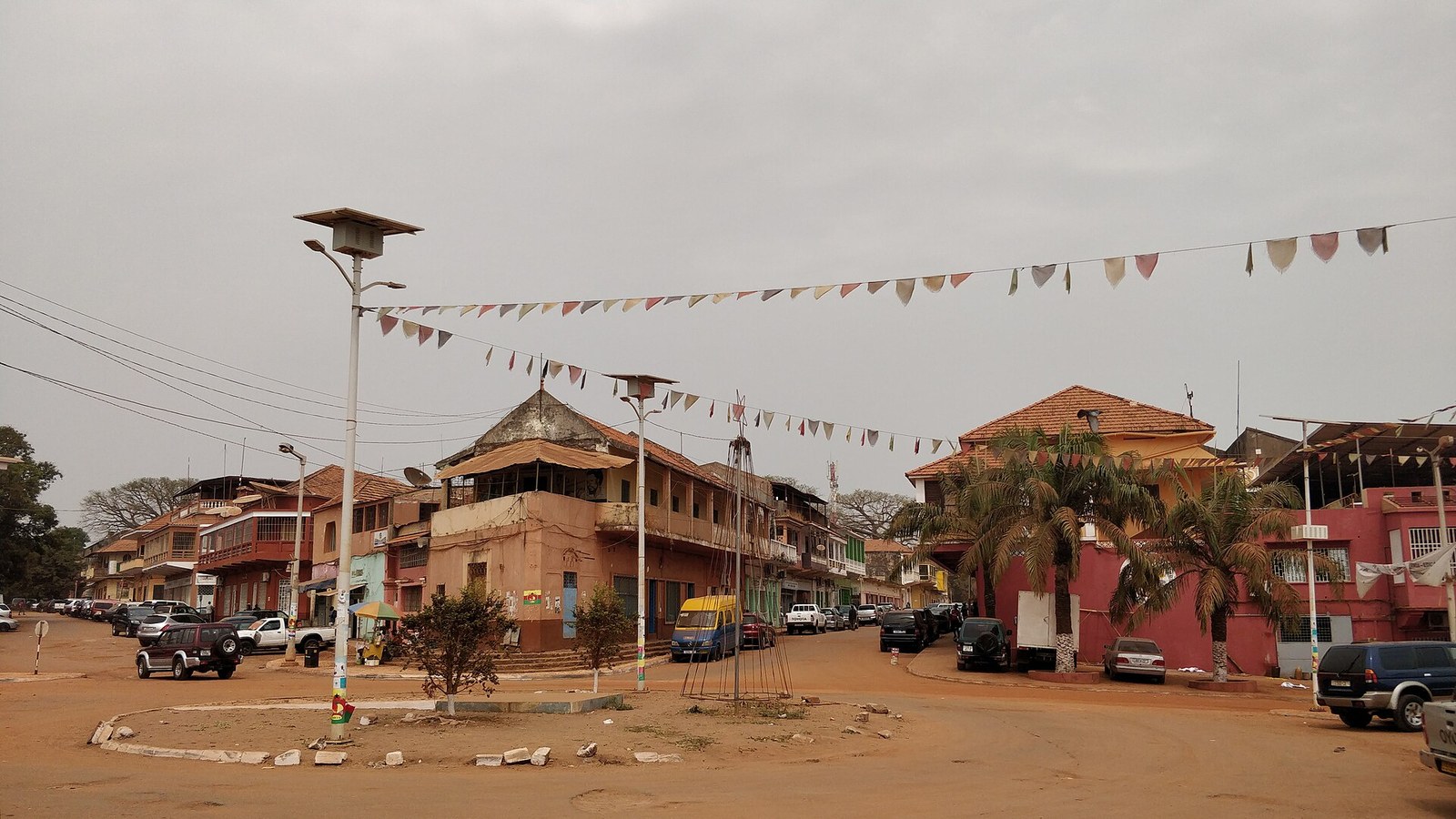
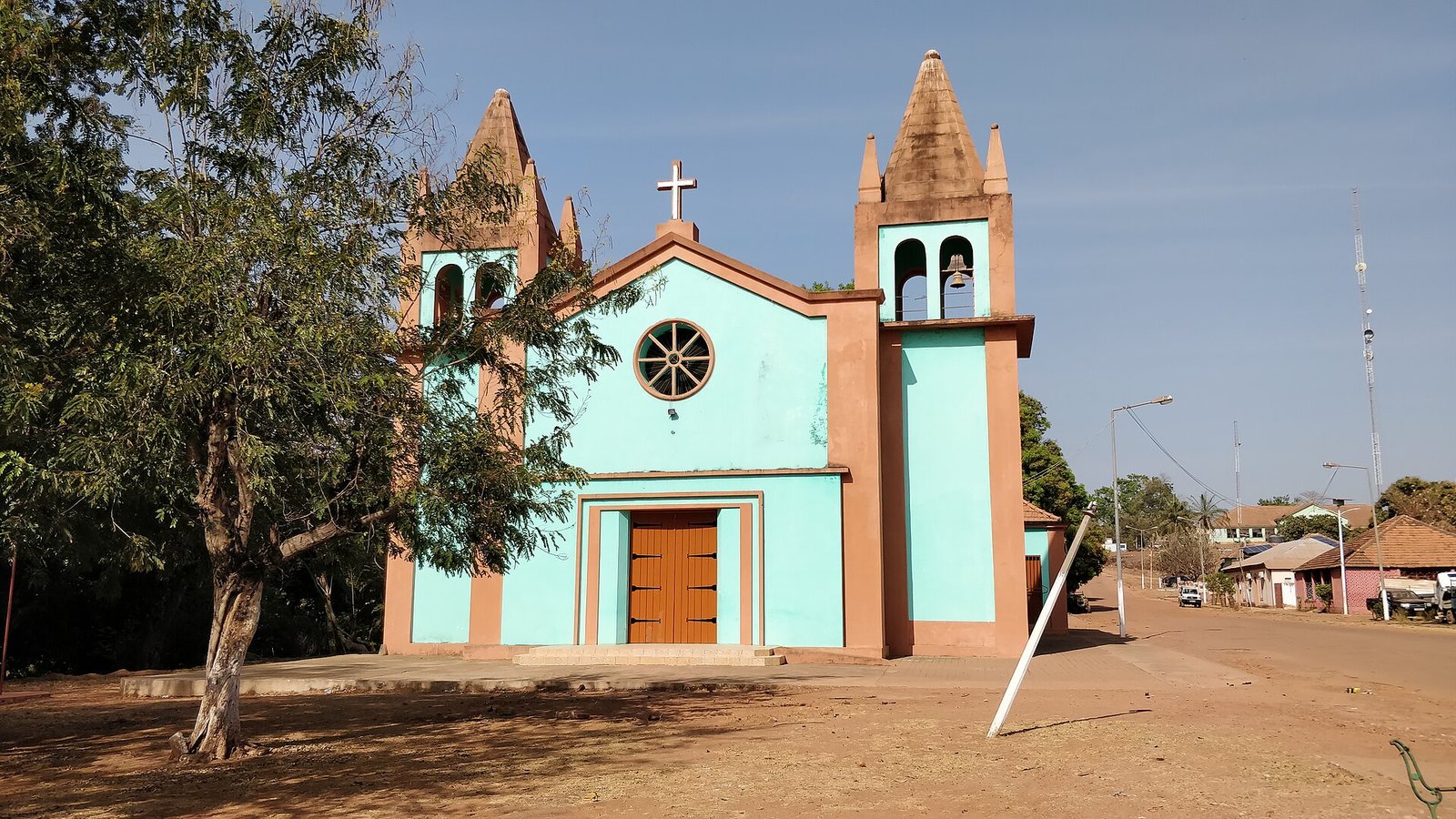
Bafatá sits on a bluff above the **Geba river**, a few hours' drive east of Bissau on one of the country's better roads. Its old town of colonial shops, arcades and a riverside church has an elegant, slightly melancholy air. The **market** is lively and full of goods from across the region.
Bafatá is where **Amílcar Cabral** was born in 1924. The agronomist, poet and revolutionary founded the PAIGC, which led the liberation war against Portugal, and his ideas shaped independence movements across Africa. His birthplace house in the town is a point of pilgrimage for many; ask locally about access and whether it is open, as arrangements change. Cabral was assassinated in Conakry in 1973, months before independence was declared.
Gabú
**Gabú** is the main town of the east and a crossroads for traders from Guinea, Senegal and The Gambia. It was once the centre of the **Kaabu** empire, a Mandinka kingdom that dominated this region for centuries. Today it is a busy, dusty, mostly Muslim town with a large market, mosques and cattle herders coming in from the countryside. It is a practical stop for overland travellers heading to or from Guinea and Senegal.
The Fula and Mandinka heartland
The east is home mainly to **Fula** and **Mandinka** people. Islam shapes daily life, so dress modestly, especially away from town centres, and be aware of prayer times. Festivals such as **Tabaski** (Eid al-Adha) and the end of Ramadan are major celebrations. Village hospitality is strong; a few words of Fula or Kriol greetings will win smiles.
The Corubal river and Saltinho
The **Corubal** is the country's great river of the interior. At **Saltinho**, a bridge crosses a set of rapids, a scenic stop on the road south towards Cantanhez. Downstream, the river winds through forests rarely seen by visitors.
The Boé hills and Dulombi
In the far southeast, the **Boé** hills rise in laterite plateaus and gallery forests. It is where the PAIGC declared independence in 1973, and today the area is known for its chimpanzees, studied and protected with local communities. **Dulombi National Park** covers savannah and woodland further north. Both are remote, with little tourist infrastructure; visits need careful planning, a capable vehicle and local guides.
Where to stay
Bafatá and Gabú have simple pensões and guesthouses. Standards vary, so check the room, the fan and the mosquito net before you pay. In the Boé, accommodation is very basic and arranged through local contacts or conservation groups.
Getting there
Shared taxis and minibuses leave Bissau regularly for Bafatá and Gabú. The main road east is paved but can have potholes and police checkpoints; carry your passport. Travel by day, as driving at night is risky.
When to go
The east is hotter and drier than the coast. November to February is the most pleasant; March to May can be very hot, and the rains from June make remote tracks difficult.
A suggested route
Drive from Bissau to Bafatá in the morning, walk the old town and riverbank in the afternoon and spend the night. Continue to Gabú the next day for its market and mosques. From there, overland travellers continue to Guinea or Senegal, while others return west or head south via Saltinho towards Cantanhez. Allow extra time for checkpoints and slow stretches of road.
Questions about Bafatá and the east
Can I visit Amílcar Cabral's birthplace?
His birthplace house in Bafatá is a known site, but access and opening arrangements change. Ask locally when you arrive.
Is Gabú a good place to cross into Guinea or Senegal?
It is the main eastern hub for overland routes. Check visa rules for your next country and your government's advice on border areas first.
Can I visit the Boé hills?
Yes, but it takes planning, a capable vehicle and local guides. Infrastructure is very limited.
How should I dress in the east?
Modestly. The region is mostly Muslim, so cover shoulders and knees, especially in villages and near mosques.
Facts checked . Fees, schedules and entry rules change, so always confirm the latest with the official source.