At a glance
- Best for
- History, mangroves, beaches and quiet
- Gateway
- Road from Bissau
- Time needed
- Three to four nights
- Best season
- November to May
- Getting around
- Shared taxis, minibuses and pirogues
- Language
- Kriol, Manjaco, Felupe and some French
Cacheu: memory and history
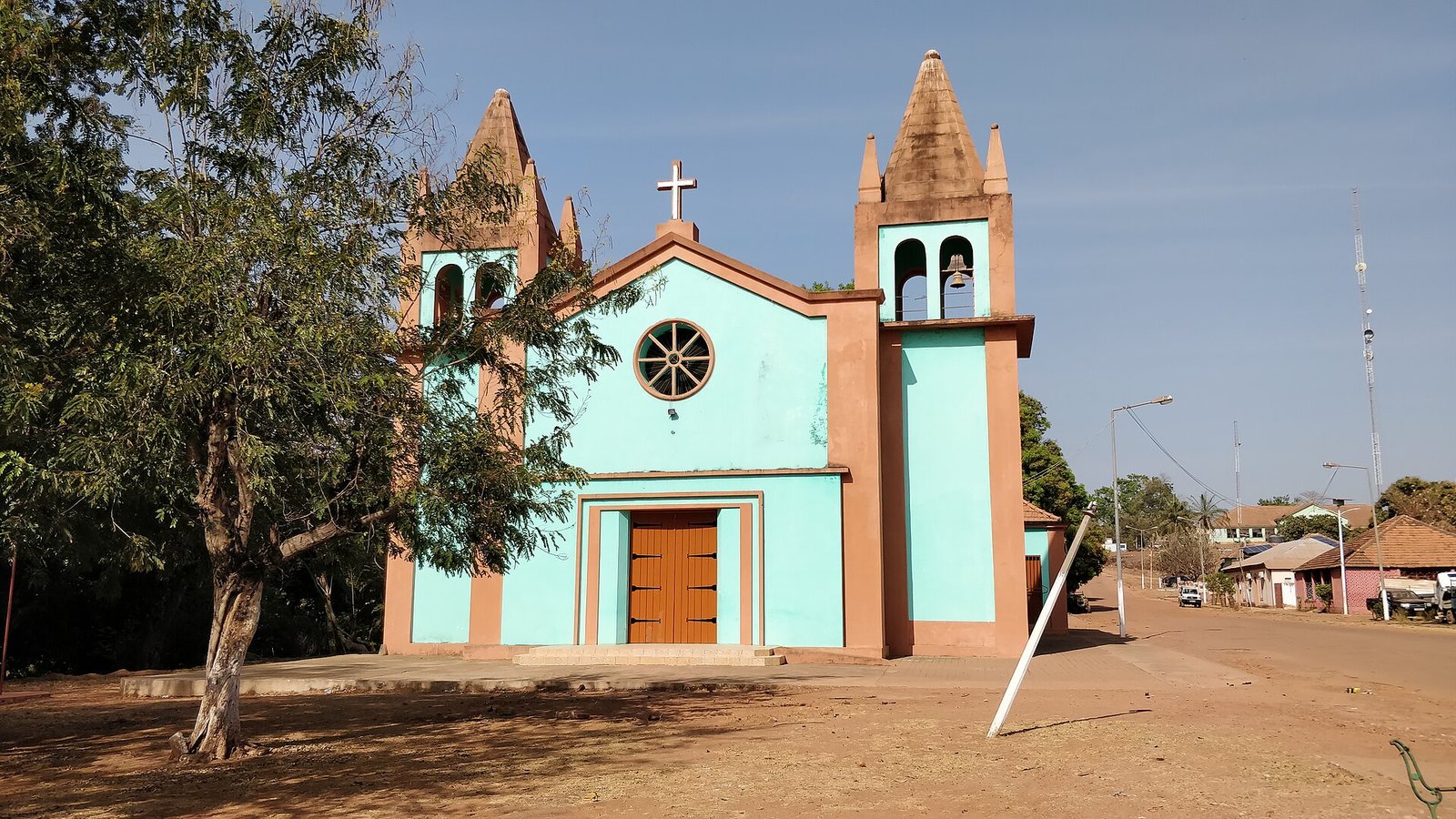
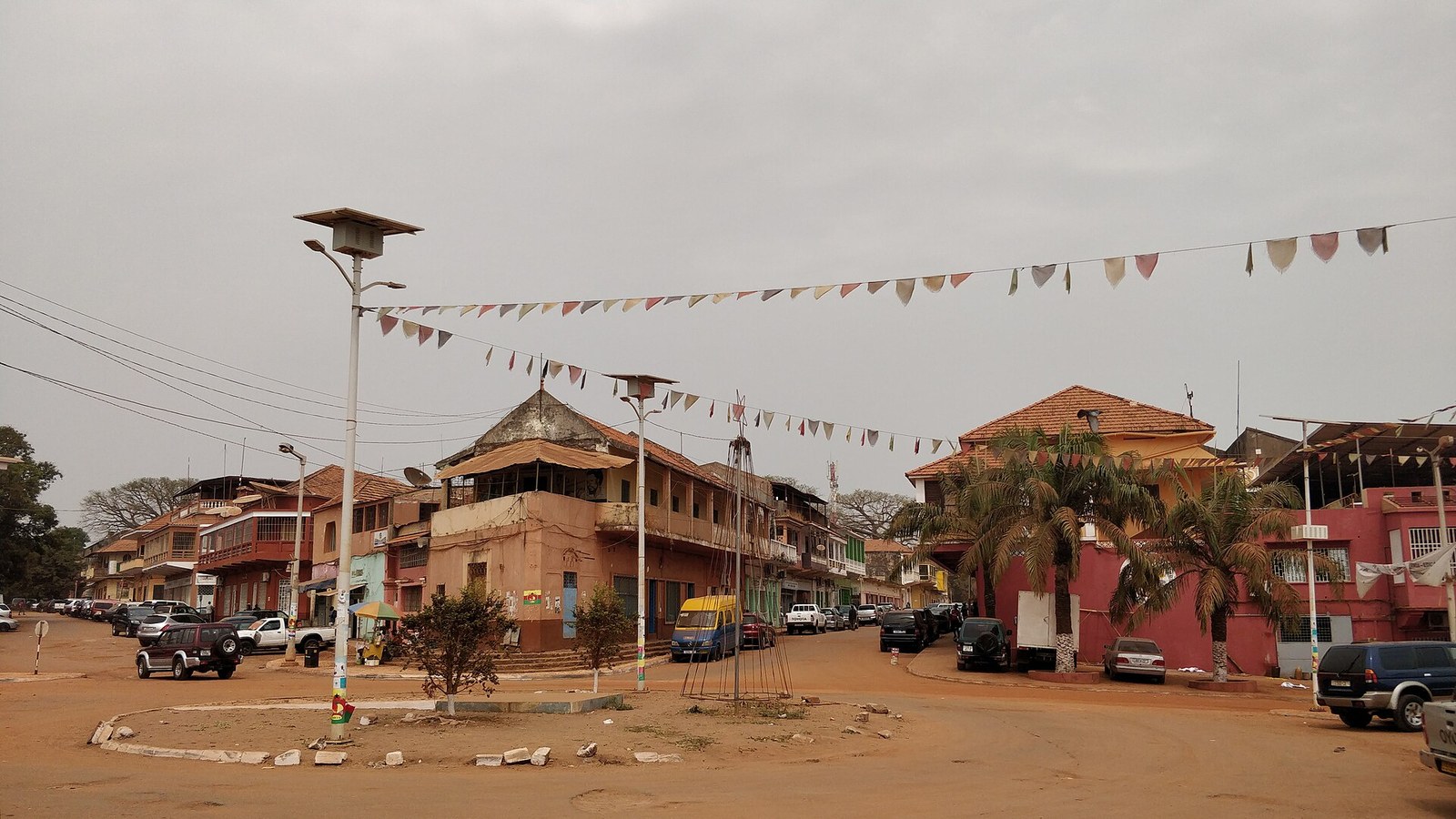
Cacheu sits on the south bank of the wide **Cacheu river**. Founded as a Portuguese trading post in the late sixteenth century, it became one of the busiest slaving ports on this stretch of coast. Today it is a quiet town of old churches, colonial houses and fishing boats.
The **Memorial da Escravatura de Cacheu** is the main reason to come. This museum tells the story of the Atlantic slave trade from this coast and its human cost, with displays on the routes, the trade and its legacy. It is sobering and important, especially for diaspora visitors tracing roots in Upper Guinea. Check opening times locally.
Nearby, the small **Fortaleza de Cacheu** overlooks the river. After independence, statues of Portuguese colonial figures were moved here from Bissau and now stand together in its grounds, a striking sight.
The mangrove park
The **Parque Natural dos Tarrafes do Rio Cacheu** protects one of the largest mangrove areas in West Africa. Hire a pirogue with a local boatman to glide through the channels, looking for herons, kingfishers, pelicans and, with luck, manatees or crocodiles. Go at the right tide; your boatman will know when.
Manjaco country
Inland around **Canchungo** is the heartland of the **Manjaco** people, known for weaving, elaborate funerals and strong links with the diaspora in Europe and Senegal. Canchungo's market is lively and gives a good feel for the region.
Varela: the wild coast
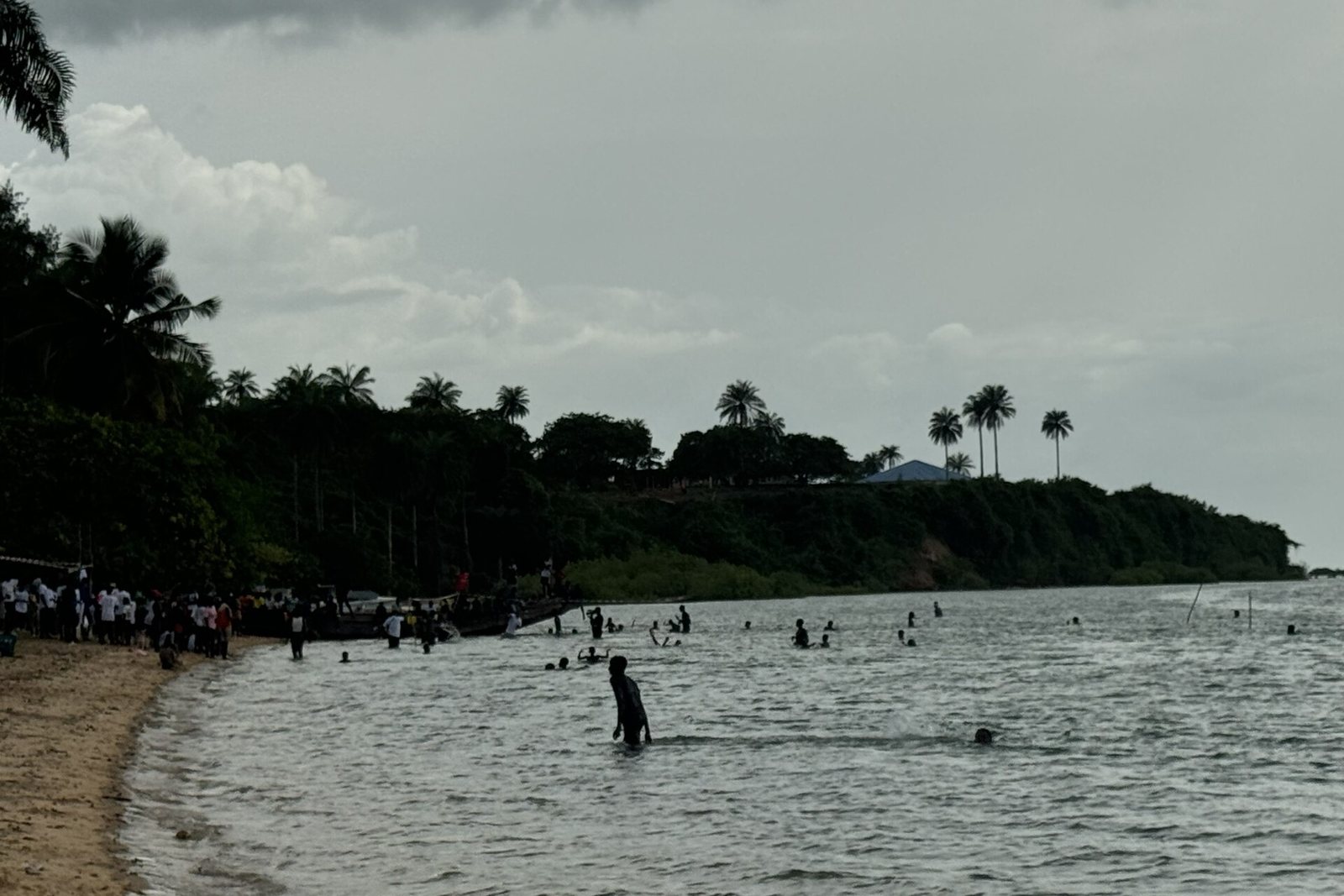
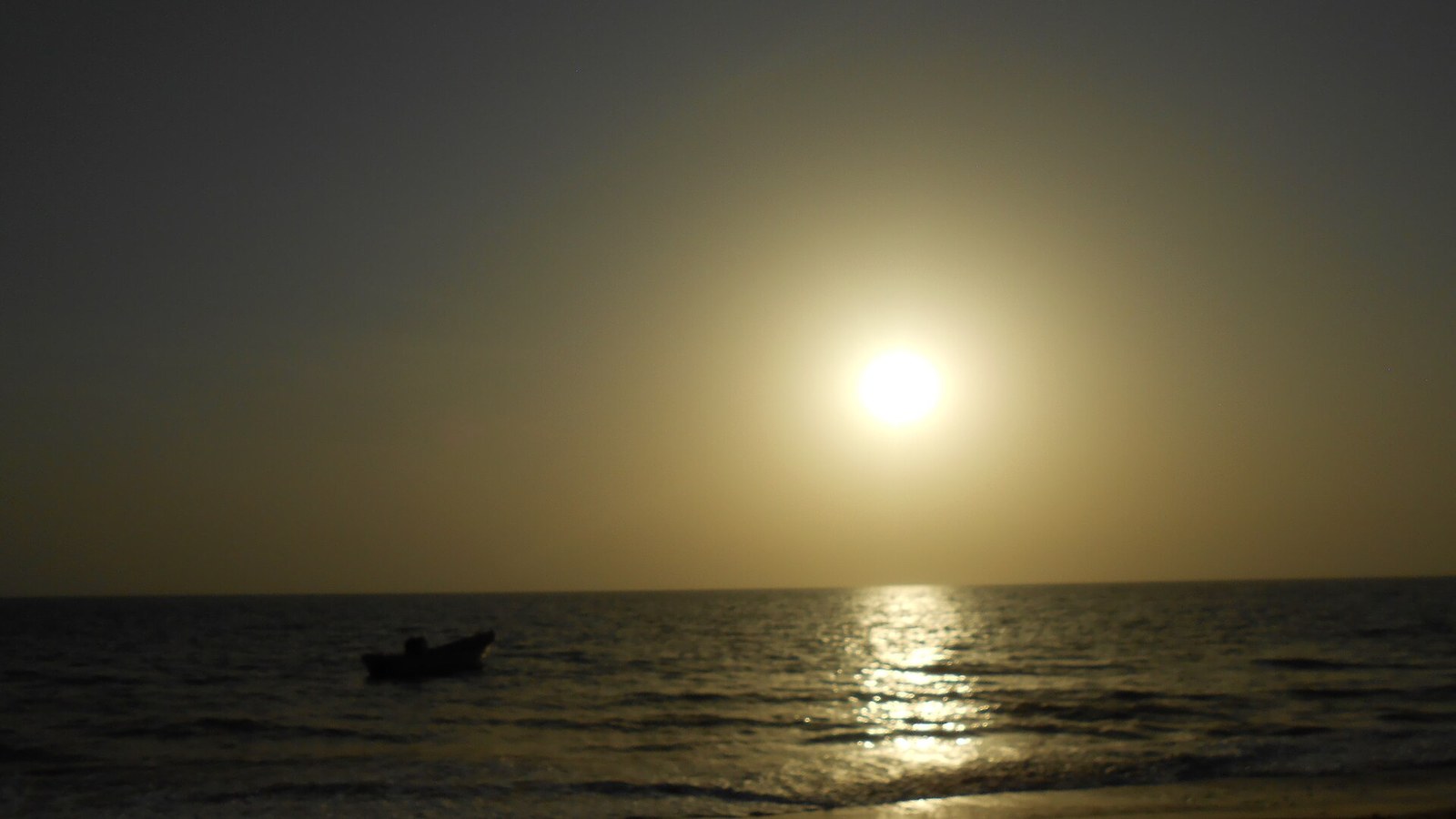
Varela lies at the end of a slow road north through **São Domingos** and the Felupe villages around **Suzana**. The reward is **Praia de Varela**, a wide, wild beach backed by dunes and casuarina pines, with almost no one on it. Swim only in calm conditions and ask locally, as currents can be strong. Erosion has eaten into parts of the shore in recent years.
The **Felupe**, or Jola, people of this corner keep their own rice farming traditions, sacred forests and festivals. Rice paddies cut from the mangroves glow green in the rainy season.
Where to stay
Cacheu has a handful of simple guesthouses. Varela has small family run guesthouses and basic campements; **Chez Hélène** has long been a favourite for its home cooking. Power and water can be limited, so bring a torch and patience. Book ahead in the high season if you can.
Getting there
Shared taxis and minibuses run from Bissau to Canchungo and Cacheu, and on to São Domingos. The last stretch to Varela can be rough, especially after rain, and transport is less frequent. Start early and allow a full day. The area borders Senegal's Casamance region; check your government's travel advice for the border zone before you go.
Practical tips
Bring cash for your whole stay. Mosquitoes are fierce near the mangroves, so use repellent and take malaria advice. Ask before photographing people or sacred sites.
A suggested route
Leave Bissau early for Cacheu, visit the memorial and fort in the afternoon and take a mangrove boat trip the next morning at the right tide. Continue to São Domingos and on to Varela for two or three nights of beach walks, village visits and fresh seafood. Return to Bissau via Canchungo on market day if you can. The whole loop fits comfortably into four days and pairs well with a few nights in the Bijagós.
Questions about Cacheu and Varela
Is Cacheu worth visiting?
Yes, especially for history and for diaspora visitors. The slave trade memorial and the mangrove park are both remarkable and rarely crowded.
How do I get to Varela?
By shared transport from Bissau via São Domingos, or with a hired driver. The last section of road is rough, so allow a full day.
Can you swim at Varela?
Yes, on calm days. Ask locally about currents first and never swim alone.
Is the area near Senegal safe?
The border area with Casamance has been calm in recent years, but check your government's latest travel advice before you go.
Facts checked . Fees, schedules and entry rules change, so always confirm the latest with the official source.