Guinea-Bissau · Local picks
100+ Places to Visit in Guinea-Bissau
These are the places we would point a friend to in Guinea-Bissau, from Bissau's old town and Bandim market to the Bijagós islands, Varela's beaches, Cacheu's mangroves and the forests of Cantanhez. Small businesses change quietly here, so confirm opening times and boat schedules locally before you set out.
Places to Visit in Bissau
Things to Do
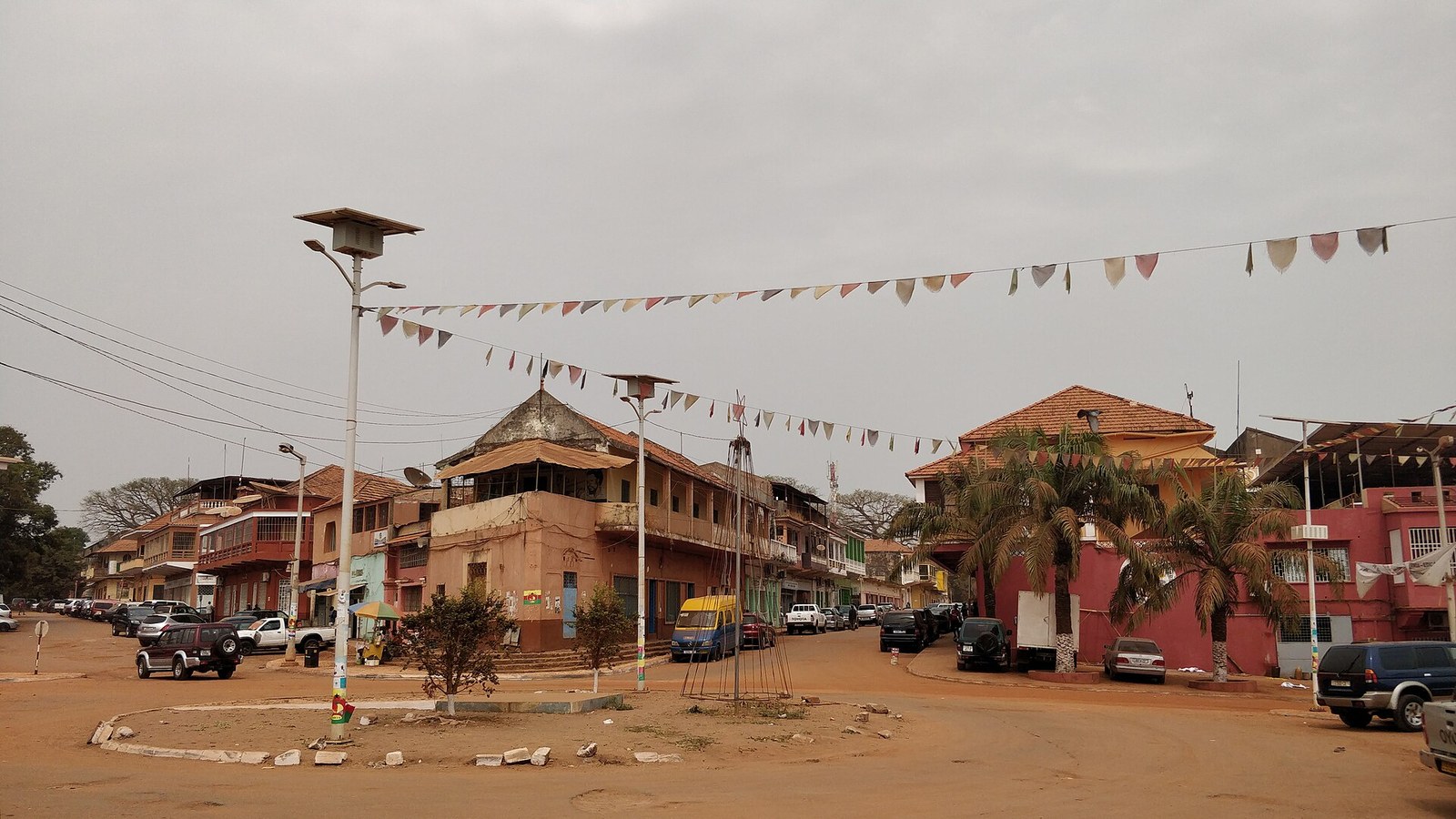
- Bissau Velho (Old town)
Wander the crumbling pastel colonial streets of the old port quarter, the most atmospheric part of the capital. - Praça dos Heróis Nacionais (Avenida Amílcar Cabral)
The grand square at the top of the main avenue, framed by the presidential palace. - Avenida Amílcar Cabral (Centre)
The broad main boulevard linking the port to the palace, good for a first orientation walk. - Porto de Pidjiguiti fishing boats (Bissau Velho)
Watch colourful pirogues unload fish and passengers in the busy morning bustle. - Mansoa river day trip (Mansoa)
A quiet market town on the Mansoa river an hour or so inland, good for a glimpse of rural life. - Bolama island (Bolama)
The ghostly former colonial capital, with grand ruins slowly swallowed by trees.
Arts and Culture
- Fortaleza de São José da Amura (Bissau Velho)
An eighteenth century Portuguese fort that now holds the mausoleum of independence leader Amílcar Cabral. - Pidjiguiti Memorial (Porto de Pidjiguiti)
A memorial to the dockworkers killed in the 1959 strike that sparked the independence struggle. - Catedral de Nossa Senhora da Candelária (Avenida Amílcar Cabral)
The white Catholic cathedral in the centre, a calm and cool stop on a city walk. - Centro Cultural Franco Bissau-Guineense (Centre)
The French cultural centre hosts concerts, films and exhibitions by local artists. - Centro Cultural Português (Centre)
The Portuguese cultural centre runs a library, talks, film nights and music events. - Bolama colonial ruins (Bolama)
Abandoned palaces, a statue lined square and empty avenues from the days when Bolama was capital.
Shopping and Markets
- Mercado de Bandim (Bandim)
The capital's biggest and loudest market, packed with fabrics, fish, spices, cashews and everyday life. - Mercado do Caracol (Caracol)
A sprawling neighbourhood market for produce, cloth and household goods away from the tourist eye. - Panu di pinti weavers (Bissau)
Look for the handwoven striped cloth used at weddings and funerals, sold in markets and by weavers.
Events
- Bissau Carnival (City centre)
The country's biggest party, with masks, music and parades from every ethnic group in the weeks before Lent. - Independence Day celebrations (Praça dos Heróis Nacionais)
Parades and celebrations each 24 September mark the 1973 declaration of independence. - Pidjiguiti Day (Porto de Pidjiguiti)
Each 3 August the city remembers the 1959 dockworkers' massacre with ceremonies at the port.
Nature and Outdoors
- Mangroves of the Geba estuary (Bissau waterfront)
Watch fishing pirogues and wading birds along the wide estuary at low tide. - Quinhámel (Biombo region)
The Pepel heartland west of the capital, known for weaving, a riverside setting and a calm pace.
Stays
- Azalaï Hotel 24 de Setembro (Centre)
A long established hotel with gardens and a pool, set in former colonial buildings. - Ceiba Hotel Bissau (Near the airport road)
A large business hotel with a pool and dependable power and water. - Hotel Malaika (Centre)
A modern mid-range hotel in the centre, convenient for walking to the old town.
Restaurants
- Grilled fish stalls at Bandim (Bandim)
Freshly grilled fish with rice and spicy sauce, eaten where the locals eat. - Caldo de mancarra at a local cantina (Bissau)
Try the national peanut stew with rice at a simple neighbourhood cantina. - Hotel 24 de Setembro restaurant (Centre)
A reliable garden restaurant for a first evening meal in the capital.
Cafés
- Pastelarias of Avenida Amílcar Cabral (Centre)
Portuguese style bakeries for coffee, pastries and fresh bread rolls in the morning. - Street cafés serving cafe touba (Bissau)
Spiced Touba coffee sold from small stands across the city, a cheap early morning ritual.
Bars and Nightlife
- Live gumbé nights (Bissau)
Look for bars hosting gumbé, the country's signature rhythm, especially at weekends. - Sunset drinks on the waterfront (Bissau Velho)
Watch the sun drop over the Geba with a cold Pampa or Cristal beer. - Cashew wine in season (Bissau)
From April to June, local cashew wine is sold fresh across the city, a true taste of the harvest.
Places to Visit in Bubaque
Nature and Outdoors
- Arquipélago Bolama-Bijagós Biosphere Reserve (Bijagós)
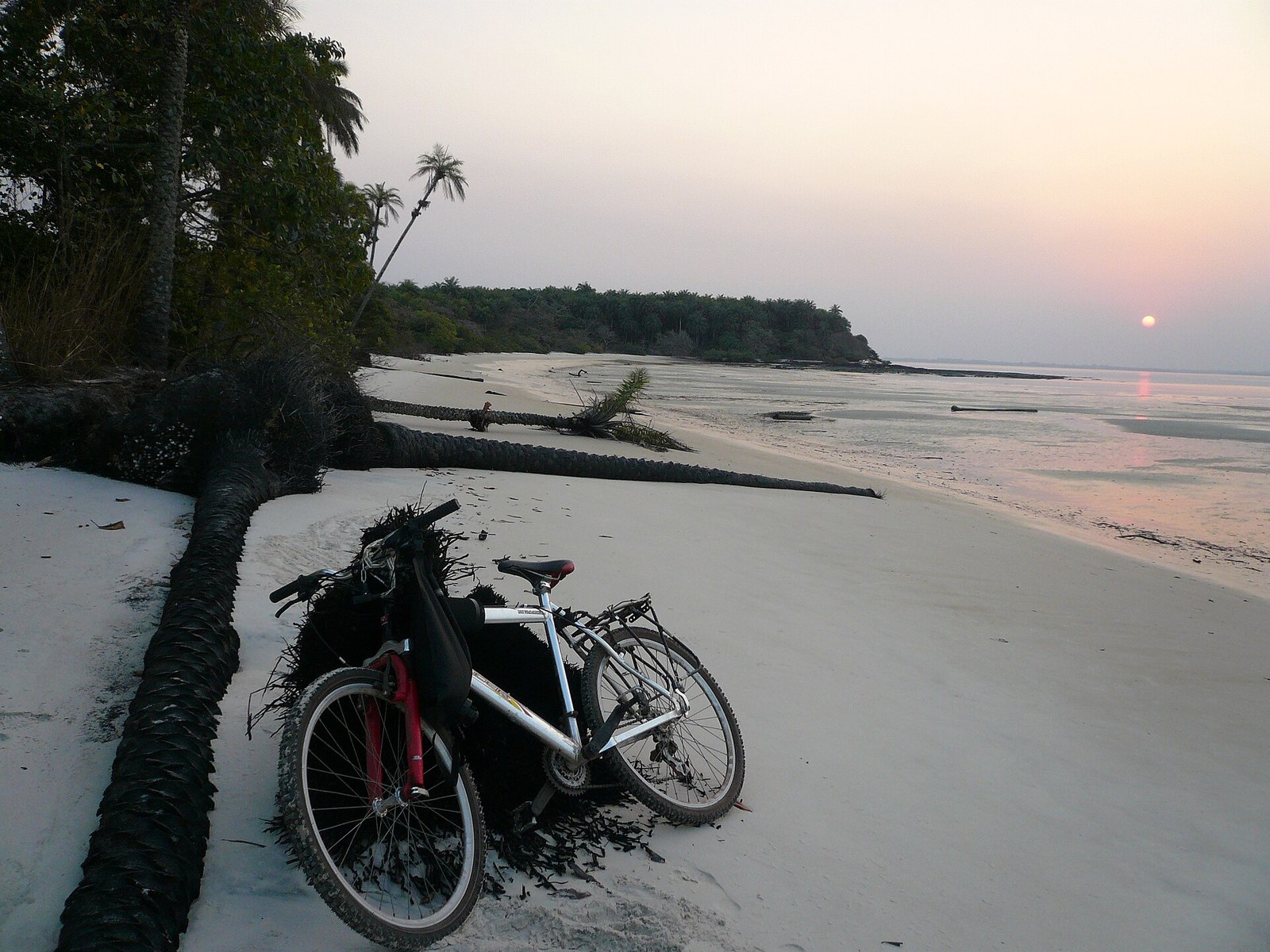
A UNESCO biosphere of more than eighty islands, mangroves and sandbanks rich in birds and marine life. - Praia de Bruce (Southern Bubaque)
The finest beach on Bubaque, a long sweep of sand at the island's southern tip. - João Vieira and Poilão Marine National Park (Southern Bijagós)
Among the most important green turtle nesting sites in the Atlantic, visited only with permits. - Orango Grande lagoons (Orango)
Freshwater lagoons where hippos rest by day, reached on guided walks. - Ilha de Canhabaque (Canhabaque)
A rarely visited island with strong traditions and very few outsiders. - Ilha de Formosa (Formosa)
A northern island of villages, mangroves and long beaches, far from the tourist trail. - Ilha de Rubane (Rubane)
A small island across the channel from Bubaque with white sand and calm water. - Birdwatching on the sandbanks (Bijagós)
Huge flocks of migratory waders gather on the tidal flats in the dry season. - Sunset boat trip around Rubane (Bubaque channel)
A short boat ride at dusk with mangroves and pink skies over the water.
Things to Do
- Orango National Park (Orango)
Home of the rare saltwater hippos that graze in the lagoons and swim between islands. - Bubaque town and port (Bubaque)
The archipelago's small hub, with the ferry jetty, a market and simple places to eat. - Cycling across Bubaque (Bubaque)
Hire a bike in town and ride the island's roads to Praia de Bruce and through palm groves. - Sport fishing in the channels (Bijagós)
The islands are known for big tarpon, barracuda and other game fish in the tidal channels.
Arts and Culture
- Eticoga village (Orango)
A traditional village where Bijagós culture, including its matriarchal customs, remains strong. - Bijagós masks and carvings (Bijagós)
The archipelago's bull and fish masks are among West Africa's most striking art.
Shopping and Markets
- Bubaque market (Bubaque town)
A small market for fish, palm oil, fruit and island goods.
Stays
- Ponta Anchaca (Rubane)
A beach lodge of bungalows facing Bubaque, popular for fishing and quiet sunsets. - Orango Parque Hotel (Orango)
An eco lodge on Orango run with the local community, the base for hippo trips.
Restaurants
- Grilled fish by the port (Bubaque town)
Fresh catch grilled over charcoal and served with rice near the jetty. - Oysters from the mangroves (Bijagós)
Wild mangrove oysters, often grilled, are a local treat when in season.
Events
- Fanado initiation season (Bijagós)
Initiation ceremonies are held in some years; outsiders may only watch if invited, and some areas become off limits.
Places to Visit in Varela
Nature and Outdoors
- Praia de Varela (Varela)
A wild, wide Atlantic beach backed by dunes and pines near the Senegal border. - Varela dunes and pine forest (Varela)
Walk through the dunes and casuarina pines that line the coast north of the village. - Cabo Roxo (Northwest coast)
The country's far northwest point, with lonely beaches near the Senegal border. - Rice paddies of the Felupe (Varela)
Bright green paddies carved from the mangroves, best seen in the rainy season. - Sunset walk on the beach (Varela)
Kilometres of empty sand at golden hour, often with no one else in sight.
Things to Do
- Varela village (Varela)
A small Felupe village where life follows the tides, rice fields and fishing. - Suzana mission village (Suzana)
A Felupe village inland from Varela known for its church and nearby rice paddies. - São Domingos market (São Domingos)
A busy border town market for cashews, cloth and goods from Senegal.
Restaurants
- Seafood at Varela (Varela)
Fresh fish, prawns and oysters cooked simply by village cooks.
Arts and Culture
- Felupe culture (São Domingos region)
The Felupe, or Jola, people have their own festivals, rice farming and sacred forests.
Places to Visit in Cacheu
Arts and Culture
- Fortaleza de Cacheu (Cacheu)
A small Portuguese fort by the river, with colonial statues gathered in its courtyard. - Memorial da Escravatura de Cacheu (Cacheu)
A museum on the slave trade in one of the oldest slaving ports in West Africa. - Manjaco cultural heartland (Canchungo)
The Manjaco region is known for weaving, funeral cloth and strong diaspora links.
Nature and Outdoors
- Parque Natural dos Tarrafes do Rio Cacheu (Cacheu river)
One of West Africa's largest mangrove reserves, home to manatees, birds and crocodiles. - São Domingos ferry crossing (Cacheu river)
Crossing the river on the old ferry route shows the vast scale of the mangroves.
Things to Do
- Cacheu river boat trip (Cacheu)
Explore the mangrove channels by pirogue with a local boatman. - Cacheu town walk (Cacheu)
A quiet riverside town of old churches and colonial houses, easy to explore on foot.
Shopping and Markets
- Canchungo market (Canchungo)
The regional market town for the Manjaco people, lively on market days.
Restaurants
- River fish and rice (Cacheu)
Fresh river fish with rice and sauce from the town's simple eateries.
Places to Visit in Cantanhez
Nature and Outdoors
- Cantanhez National Park (Tombali)
Dense forest and mangroves where chimpanzees, monkeys and forest elephants once ranged. - Mangrove walks at Iemberém (Iemberém)
Guided walks through forest, rice fields and mangrove edges full of birds. - Lagoas de Cufada Natural Park (Buba)
Freshwater lagoons with huge numbers of waterbirds between Buba and Fulacunda. - Cacine (Tombali)
A remote river town near the Guinea border, set among forest and mangroves. - Primate spotting (Cantanhez)
Look for colobus, green monkeys and baboons along the forest trails.
Things to Do
- Chimpanzee tracking (Cantanhez)
Walk with local guides to look for wild chimpanzees in the forest at dawn. - Village visits in Cantanhez (Cantanhez)
Meet Nalú and Balanta communities with a local guide and see daily life. - Buba (Quinara)
A small river town on the road south, a stop on the way to Cantanhez.
Stays
- Iemberém ecotourism camp (Iemberém)
A community run camp of simple bungalows, the main base for exploring the park.
Arts and Culture
- Sacred forests of Cantanhez (Cantanhez)
Village sacred forests protected by tradition, which helped save the area's wildlife.
Restaurants
- Meals at the Iemberém camp (Iemberém)
Simple home cooked rice, fish and forest produce served at the camp.
Shopping and Markets
- Catió market (Catió)
The regional market town of Tombali, busy with rice, fish and palm oil.
Places to Visit in Bafatá
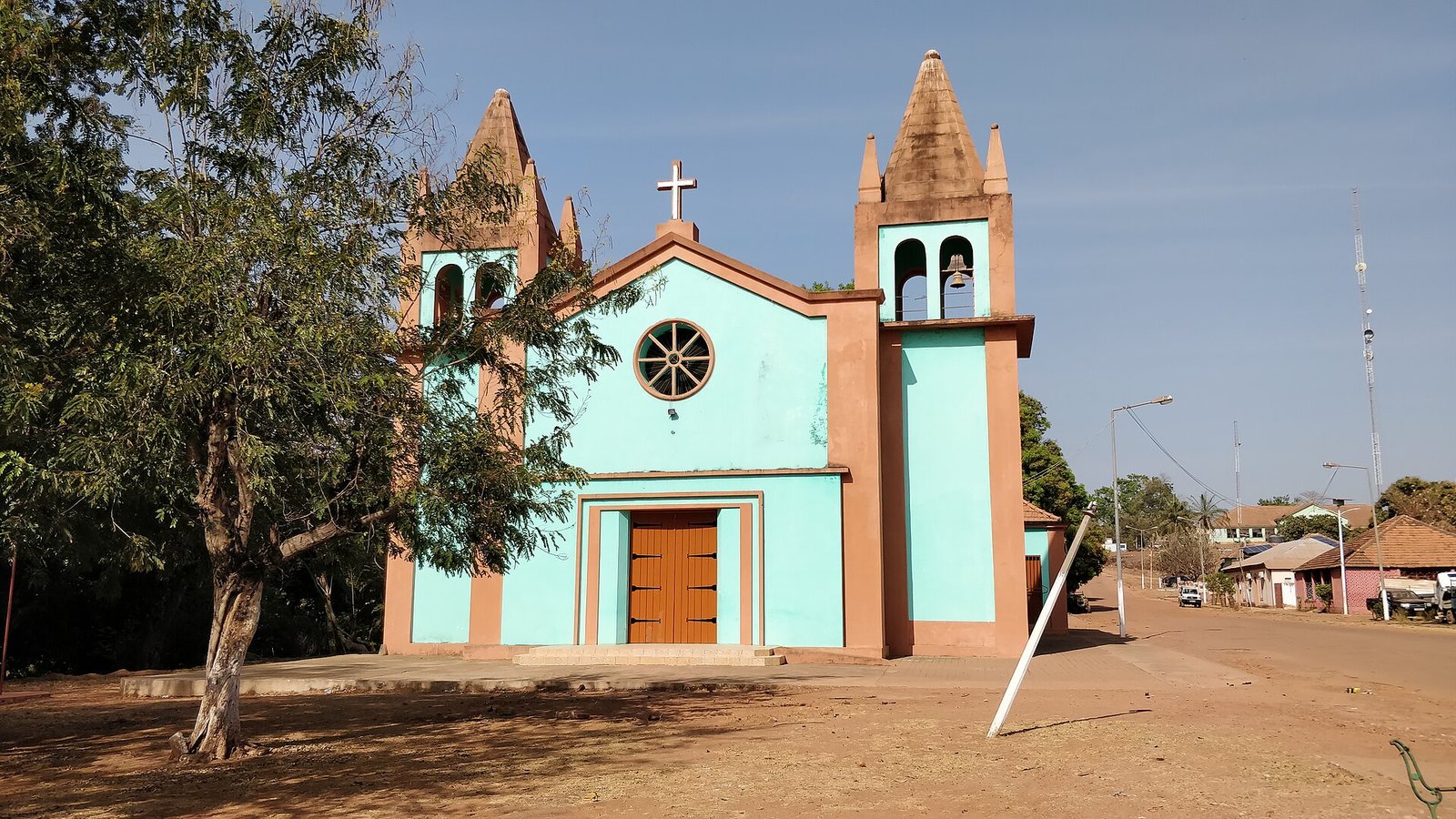
Things to Do
- Bafatá old town (Bafatá)
Faded colonial buildings and a bustling market above the Geba river. - Gabú (Gabú)
The main town of the east, a Fula and Mandinka trading hub near the Guinea border.
Shopping and Markets
- Bafatá market (Bafatá)
A lively market for cloth, cola nuts, cashews and goods from across the east. - Gabú market (Gabú)
A large regional market, busy with traders from Guinea and Senegal.
Nature and Outdoors
- Geba river at Bafatá (Bafatá)
Watch fishermen and washing on the riverbanks below the town. - Saltinho rapids (Corubal river)
Rapids and a bridge on the Corubal river, a scenic stop on the southern road. - Boé hills (Boé)
Remote laterite hills in the southeast with chimpanzees and very few visitors. - Dulombi National Park (Dulombi)
A wild park of savannah and forest in the east with little tourism infrastructure.
Arts and Culture
- Fula villages of the east (Gabú region)
Cattle herding villages where Fula traditions and Islam shape daily life.
Restaurants
- Street grills in Bafatá (Bafatá)
Brochettes, grilled meat and bread sold at roadside grills in the evening.
Events
- Tabaski celebrations (Gabú and Bafatá)
Eid al-Adha is a major festival in the mostly Muslim east, with family feasts and prayers.
More to Explore
We are still checking these with fresh sources, so confirm opening times before you go.
- Museu Etnográfico Nacional (Bairro de Ajuda, Bissau)
A small national collection of masks, carvings and ceremonial objects from the country's many peoples. - Instituto Nacional de Estudos e Pesquisa (Centre, Bissau)
The national research institute, with archives and publications on history and culture for curious visitors. - Artisan stalls near the Hotel 24 de Setembro (Centre, Bissau)
Carvings, Bijagós masks and woven cloth sold by artisans near the central hotels. - Hotel Coimbra (Centre, Bissau)
A smart small hotel near the main avenue with a popular restaurant. - Residencial Coimbra (Centre, Bissau)
A simple, central guesthouse option for budget travellers. - Restaurante Papa Loca (Bissau, Bissau)
A long time favourite for grilled fish, Portuguese dishes and pizza with a relaxed terrace. - Restaurante Kalliste (Bissau, Bissau)
A popular spot for Mediterranean dishes and seafood in a calm setting. - Hotel Mar Azul (Quinhámel, Quinhámel)
A riverside hotel with a pool that makes an easy weekend escape from Bissau. - Ilha do Rei (Across from Bissau, Bissau)
A short boat ride across the harbour to a quiet island with old port buildings and views back to the city. - Kasa Afrikana (Bubaque, Bubaque)
A long running island hotel with a pool, known for fishing trips and boat transfers. - Chez Titi (Bubaque town, Bubaque)
A simple guesthouse in town with home cooked food and a friendly welcome. - Ilha de Kéré lodge (Kéré, Bubaque)
A small private island lodge with bungalows among the palms and quiet beaches. - Aparthotel Cadjoco (Bubaque town, Bubaque)
A guesthouse near the port that suits travellers waiting on the next boat. - Chez Hélène (Varela, Varela)
A beloved small guesthouse known for its home cooking and garden by the beach. - Simple beach campements (Varela, Varela)
Basic rooms in family run campements near the sand. - Simple guesthouses in Cacheu (Cacheu, Cacheu)
A handful of basic rooms in town for an overnight stop. - Cacheu cultural festival (Cacheu, Cacheu)
A periodic festival of music and memory in the old town, held in some years. - Igreja de Cacheu (Cacheu, Cacheu)
One of the oldest Christian sites in the region, a short walk from the fort. - Birthplace of Amílcar Cabral (Bafatá, Bafatá)
The house where the father of independence was born, in the old riverside town. - Simple pensões in Bafatá (Bafatá, Bafatá)
Basic guesthouses for an overnight stop on the road east.