At a glance
- Best for
- History, markets, music and visiting family
- Gateway
- Osvaldo Vieira International Airport (OXB)
- Time needed
- Two to three nights
- Best season
- November to May
- Getting around
- Shared taxis and toca toca minibuses
- Language
- Kriol and Portuguese, some French
Bissau Velho and the port
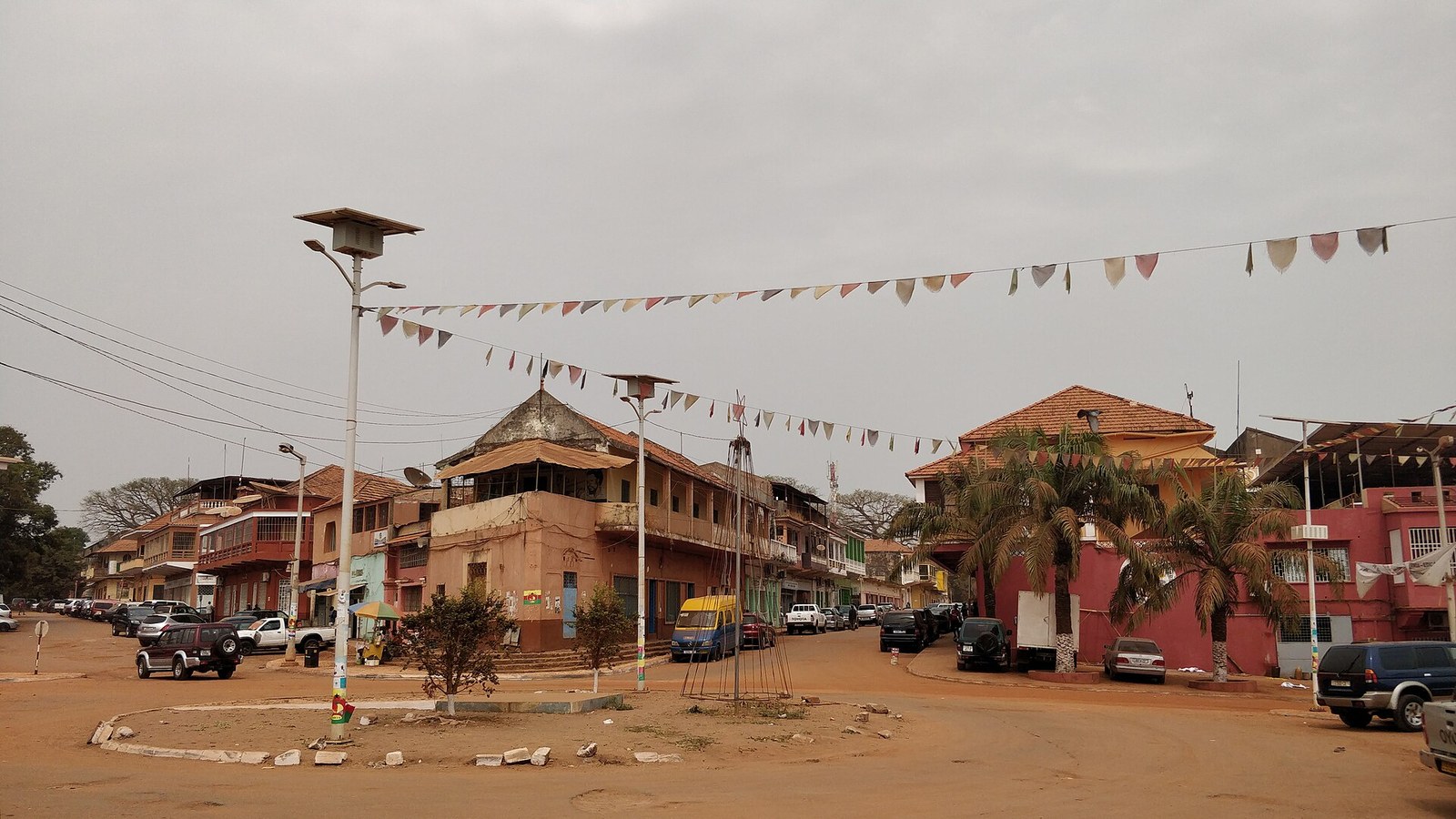
Start in **Bissau Velho**, the old town by the port. Its narrow streets of pastel, peeling Portuguese houses are slowly decaying, which gives the area a faded, cinematic beauty. Walk early in the morning when it is cooler and the light is soft. Close by, the **Fortaleza de São José da Amura** is an eighteenth century fort still used by the military; it holds the mausoleum of **Amílcar Cabral**, the founder of the independence movement. Access depends on permission at the gate, so ask politely and never photograph soldiers or military buildings.
At the **Porto de Pidjiguiti** a memorial marks the 1959 strike, when Portuguese forces killed dockworkers demanding better pay. The massacre pushed the PAIGC towards armed struggle, and the site is central to the national story. Watch the pirogues come and go from the jetty; boats to the islands leave from the port area too.
The centre
The broad **Avenida Amílcar Cabral** runs from the port up to the **Praça dos Heróis Nacionais**, where the presidential palace stands. Along the way are the white **cathedral**, banks, cafés and the old **Hotel 24 de Setembro** area. This is the easiest part of town to walk. The **Centro Cultural Franco Bissau-Guineense** and the **Centro Cultural Português** host concerts, films and exhibitions; check their programmes when you arrive.
Markets
**Mercado de Bandim** is the city at full volume: aisles of fabric, smoked fish, spices, cashews, palm oil, mobile phone stalls and food. It is fascinating but crowded, so carry little, keep your phone out of sight and ask before taking photos of people. Look for **panu di pinti**, the handwoven striped cloth used for ceremonies. The **Caracol** market is smaller and more local.
Food and drink
Bissau's food mixes West African and Portuguese influences. Try **caldo de mancarra**, a peanut stew with rice, **caldo de chabéu** made with palm nut, grilled fish with lime and chilli, and **jollof** style rice dishes. Portuguese style bakeries on the main avenue serve coffee and pastries. Between April and June, fresh **cashew wine** and cashew fruit juice are everywhere. Local beers and Portuguese wines are easy to find.
Nights out
The country's signature music is **gumbé**, a fast, joyful rhythm, alongside kizomba, zouk and Afrobeats. Weekend nights are the liveliest, with bars and clubs in the centre and the Bairro de Ajuda area. Use a taxi you know at night rather than walking.
Where to stay
The main hotels, including the **Azalaï Hotel 24 de Setembro**, the **Ceiba Hotel** and the **Hotel Malaika**, are mid-range to upper mid-range by local standards and have generators, which matters during power cuts. Budget guesthouses exist in the centre but vary a lot; check recent reviews and ask whether rooms have a fan or air conditioning and backup power.
Getting around
Shared yellow and blue **taxis** run set routes and are cheap; you can also hire one for yourself. **Toca toca** minibuses cover the whole city but are crowded. Agree any private fare before you get in. The airport is a short drive from the centre.
Day trips
**Quinhámel**, a Pepel town to the west, is known for weaving and a riverside setting. **Bolama**, the former colonial capital, is a haunting island town of ruined palaces, reached by boat when services run. **Mansoa** offers a glimpse of rural life inland.
Staying safe
Bissau is generally relaxed, but petty theft and bag snatching happen, especially after dark and around markets. Avoid political gatherings, which can turn tense quickly, and keep an eye on the news. Carry a copy of your passport, since police checkpoints are common. Read your government's current travel advice before you go.
Questions about Bissau
How many days do I need in Bissau?
Two nights is enough to see the old town, Amura, Pidjiguiti and Bandim market and to sort boat tickets to the islands. Add a day for Quinhámel or Bolama.
Is Bissau safe to walk around?
In daytime the centre is generally fine to walk with normal care. After dark use a taxi, keep valuables hidden and avoid demonstrations.
Can I use cards in Bissau?
Only at a few larger hotels and businesses. Bring euros to change into CFA francs and use ATMs in the centre, which mainly accept Visa.
Where do boats to the Bijagós leave from?
From the port area in Bissau. Ferry and speedboat times depend on the tides and change often, so confirm a day or two ahead.
Facts checked . Fees, schedules and entry rules change, so always confirm the latest with the official source.