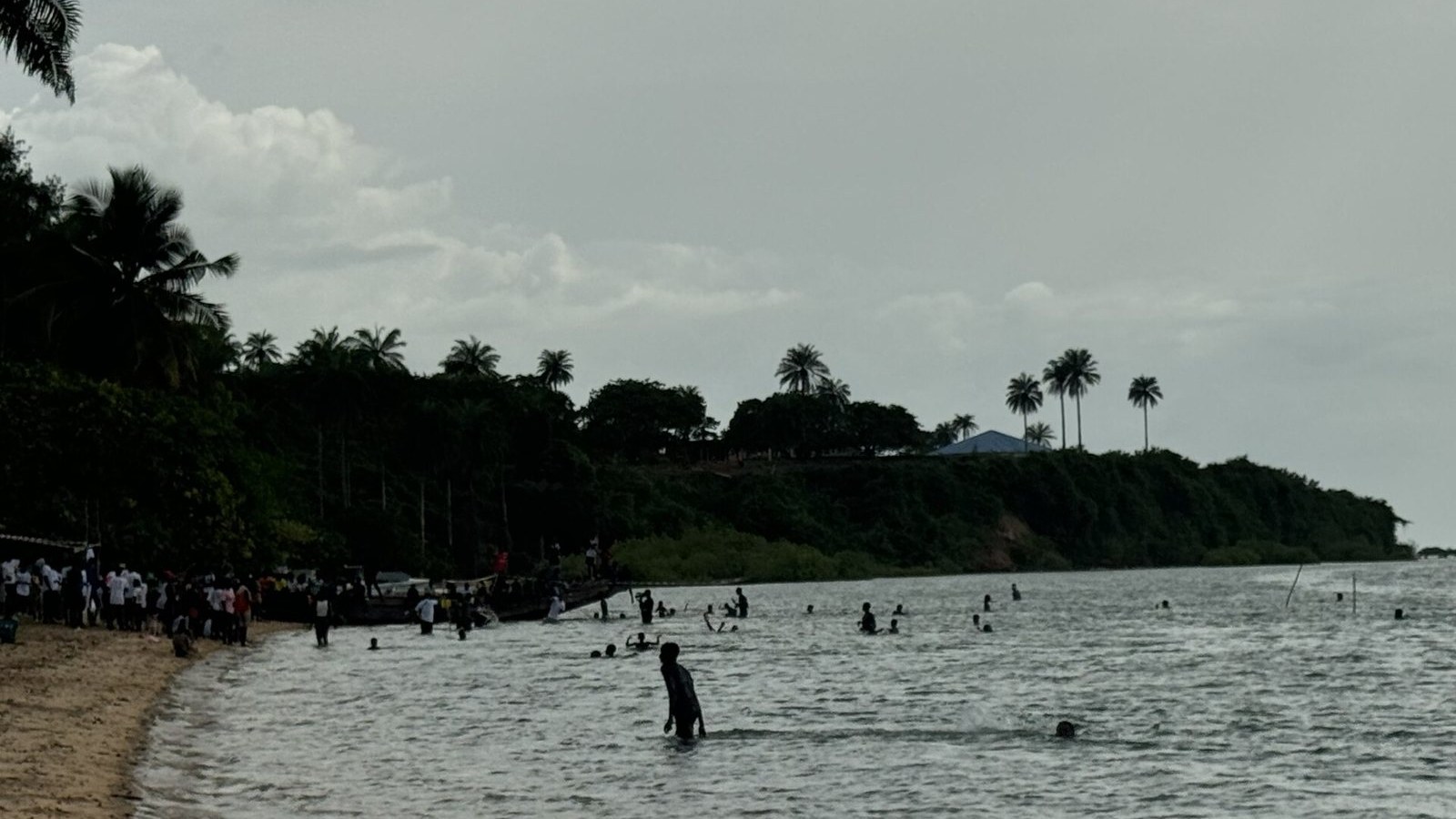
Bubaque, Bijagós, Guinea-BissauPhoto: Mooonswimmer, CC BY-SA 4.0, via Wikimedia Commons
Find your Bliss in Guinea-Bissau
Guinea-Bissau, made simple: islands, mangroves and warm welcomes, without the worry
Guinea-Bissau is one of West Africa's least visited and most rewarding countries: a laid back capital of faded colonial streets, the Bijagós archipelago of matriarchal island cultures, saltwater hippos and nesting turtles, wild beaches at Varela and forests where chimpanzees still roam. Travel here takes planning. This guide untangles visas, cash, boats and seasons so you can relax and enjoy it.
Your trip, step by step
- Before you flyVisas, cash, vaccinations and the right season, answered
- LandingOsvaldo Vieira airport in Bissau and your first hour explained
- Your days in the countryBissau, the Bijagós islands, Varela and the forests, linked by boat and road
- Home againDeparture tips so the last day is calm too
Where to go, eat and stay
- Plain answersClear, honest guidance on the questions first-timers actually ask.
- Official sourcesEntry, health and safety facts point you to the official pages to confirm.
- No price surprisesWe explain what costs more and what costs less, so your budget holds.
- Free to useEvery guide and the trip planner are free.
Our promise
Guinea-Bissau rewards travellers who arrive prepared. We answer the tricky questions about visas, cash, boat schedules and the rainy season before they start, so you land ready to find your Bliss.
Coming from Lisbon, Paris, Dakar or further afield to see family in Bissau, Cacheu or the islands? This guide was written with you in mind too.
How to use this guide
Four steps from first idea to a trip that feels easy.
- Choose your placesBissau's old town, the Bijagós islands, the beaches of Varela, Cantanhez's forests or the eastern towns: start with the destinations that fit you.
- Sort the essentialsVisa, yellow fever certificate, euros to change into CFA francs and travel insurance, checked against official sources.
- Pick your placesUse our places to visit list for markets, islands, beaches, restaurants and stays.
- Plan your routeUse the free trip planner to fit boats, roads and tides into your dates without wasted days.
Everything your Guinea-Bissau trip needs
Free tools and guides for every stage of the journey.
Destinations
Bissau, the Bijagós, Cacheu and Varela, Cantanhez and the east, each explained in depth.
Explore destinationsPlaces to visit
More than a hundred markets, islands, beaches, cafés and stays, from classics to hidden corners.
See places to visitFlights and stays
Search flights into Bissau and stays in the capital, on the islands and on the coast.
Plan travelPlaces finder
Restaurants, sights and stays mapped around each base.
Open the finderFree trip planner
Tell us your dates and interests and shape a route that works with boats and tides.
Plan my tripAsk a question
Stuck on something the guide does not answer? Send us a note.
Contact us
The classic Guinea-Bissau trip
A capital, an archipelago and a wild coast
Most first trips spend two nights in Bissau for the old town, the Bandim market and live gumbé music, then take the boat to Bubaque in the Bijagós for beaches, island villages and trips to Orango's hippos. With more time, add the long empty sands of Varela and the forts of Cacheu in the north, or the chimpanzee forests of Cantanhez in the south.
- Bissau Velho, the Amura fort and the Pidjiguiti memorial
- Island life, beaches and saltwater hippos in the Bijagós
- Wild Atlantic beaches at Varela
- Chimpanzees and sacred forests in Cantanhez
Start with the destinations
See how Bissau, the islands, the north coast and the forests fit together.
Guinea-Bissau destinationsWhere to go in Guinea-Bissau
From a small, easygoing capital and a UNESCO biosphere of islands to wild beaches, mangrove rivers and chimpanzee forests.
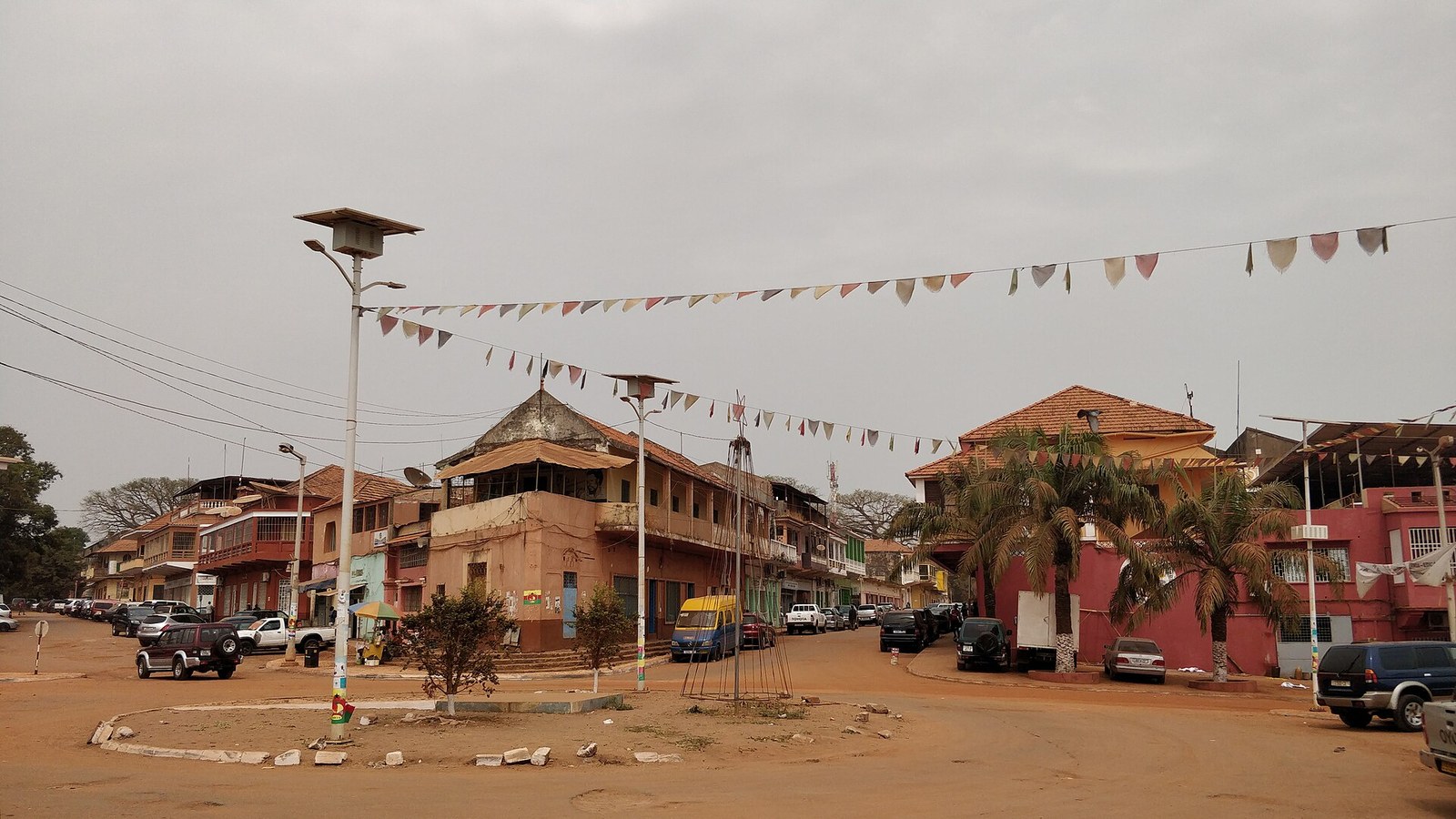
Bissau Autonomous Sector
Bissau
A small, easygoing capital of colonial streets, a historic fort, huge markets and live gumbé music on the Geba estuary.
Read the guidePhoto: Jcornelius, CC BY-SA 4.0, via Wikimedia Commons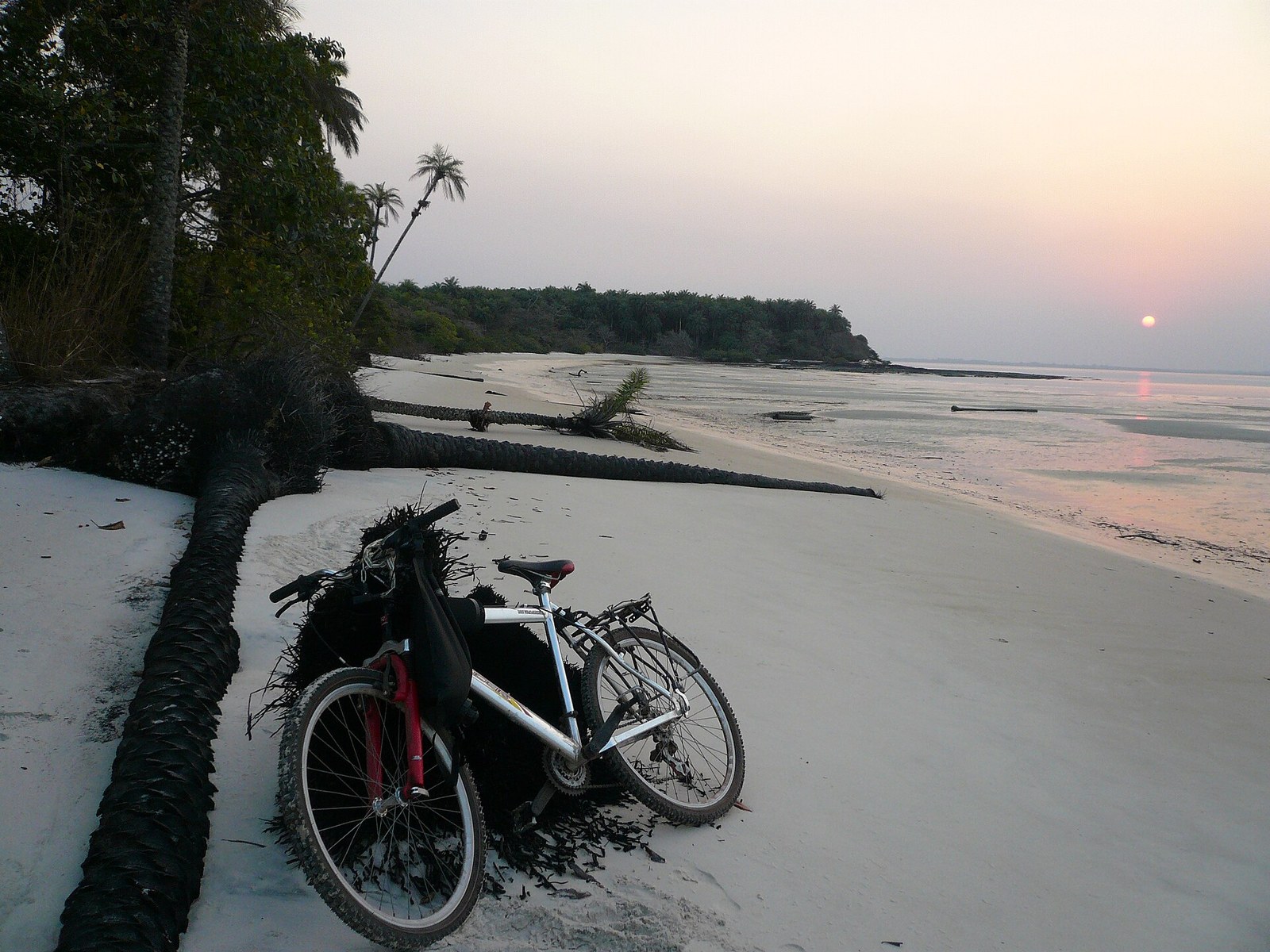
Bolama-Bijagós
Bijagós Islands
A UNESCO biosphere of more than eighty islands, with saltwater hippos, nesting turtles, empty beaches and living island traditions.
Read the guidePhoto: silver darling, CC BY 2.0, via Wikimedia Commons
Cacheu
Cacheu and Varela
An old slaving port with a moving memorial museum, one of West Africa's biggest mangrove parks and the wildest beach on the mainland.
Read the guidePhoto: Joehawkins, CC BY-SA 4.0, via Wikimedia Commons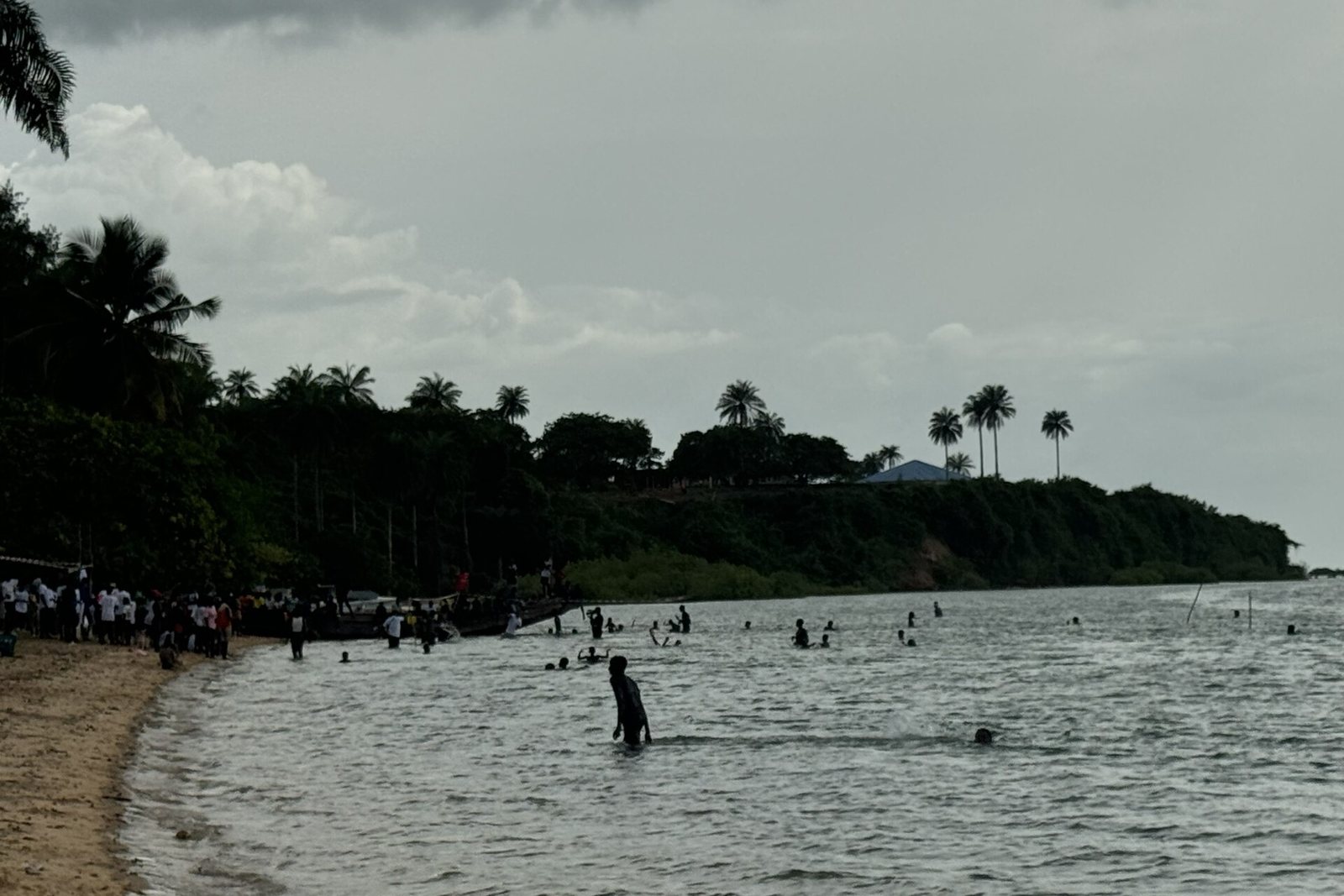
Tombali
Cantanhez
Forests, mangroves and sacred groves in the far south, where wild chimpanzees live and a community camp welcomes visitors.
Read the guidePhoto: Mooonswimmer, CC BY-SA 4.0, via Wikimedia Commons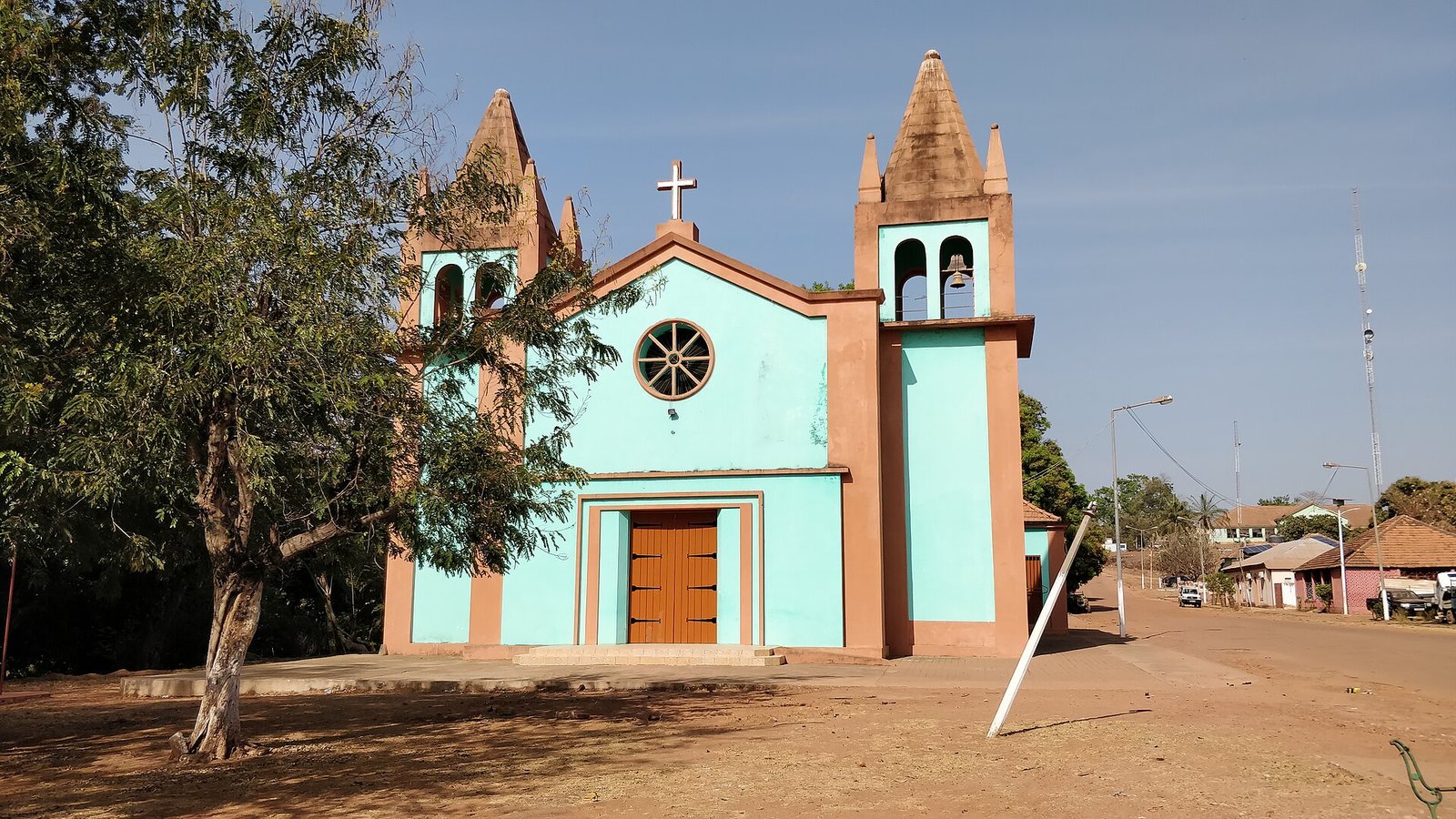
Bafatá and Gabú
Bafatá and the East
The Fula and Mandinka heartland, with Amílcar Cabral's riverside home town, the trading hub of Gabú and the remote Boé hills.
Read the guidePhoto: Jcornelius, CC BY-SA 4.0, via Wikimedia Commons
A note from our founder
A note from our founder
My first time visiting Kenya, I was genuinely surprised with how fast it began feeling like home. The people are so friendly, the food is delicious and familiar, and the accommodations are modern and upscale.
During my travels throughout the continent, I commonly hear tourists share stories about being scammed or taken advantage of, which is both frustrating and disheartening.
Living in Kenya for the last 2 years, I have had the great fortune to meet a network of wonderful Kenyans who have continuously help guide my family's journey. Their shared knowledge has not only greatly enhanced our overall experience here, but it has also saved us tons of time, energy, and resources.
With BlissPoint Travel, my hope is to build a global community that is willing to share useful, uncommon knowledge so that we can all blissfully enjoy the wonders our world has to offer.
Questions we hear most
Is Guinea-Bissau safe for visitors?
Most visits pass without trouble and people are famously friendly, but the country has a history of political instability, coups and sudden protests. Petty crime happens in Bissau after dark. Read your government's current travel advice, avoid demonstrations and keep an eye on the news during your stay.
Do I need a visa for Guinea-Bissau?
Most visitors need a visa, and rules vary by passport. Citizens of ECOWAS countries can usually enter without one. Some travellers can obtain a visa online or on arrival, but this changes, so check with the nearest Guinea-Bissau embassy and your government's travel advice before you book.
What currency does Guinea-Bissau use?
The West African CFA franc (XOF), which is pegged to the euro. Cash rules: cards are accepted at only a few hotels, and ATMs in Bissau mostly take Visa. Bring euros to change and do not count on finding an ATM outside the capital.
How do I get to the Bijagós islands?
Public ferries and private speedboats run from Bissau to Bubaque, the main island hub. Schedules depend on tides and change often, so confirm departures a day or two ahead. From Bubaque, local boats and lodge transfers reach the other islands.
When is the best time to visit Guinea-Bissau?
The dry season, roughly November to May, is best. December to February is the most comfortable. The rainy season from June to October brings heavy downpours, muddy roads and rougher seas, though turtle nesting peaks then.
What language is spoken in Guinea-Bissau?
Portuguese is the official language, but Kriol, a Portuguese based creole, is what nearly everyone speaks day to day. French is widely understood near the borders and English is limited, so a few words of Kriol or Portuguese go a long way.
Ready to plan your Guinea-Bissau trip?
Use the free trip planner to shape your days around boats, tides and seasons, or send us a question.