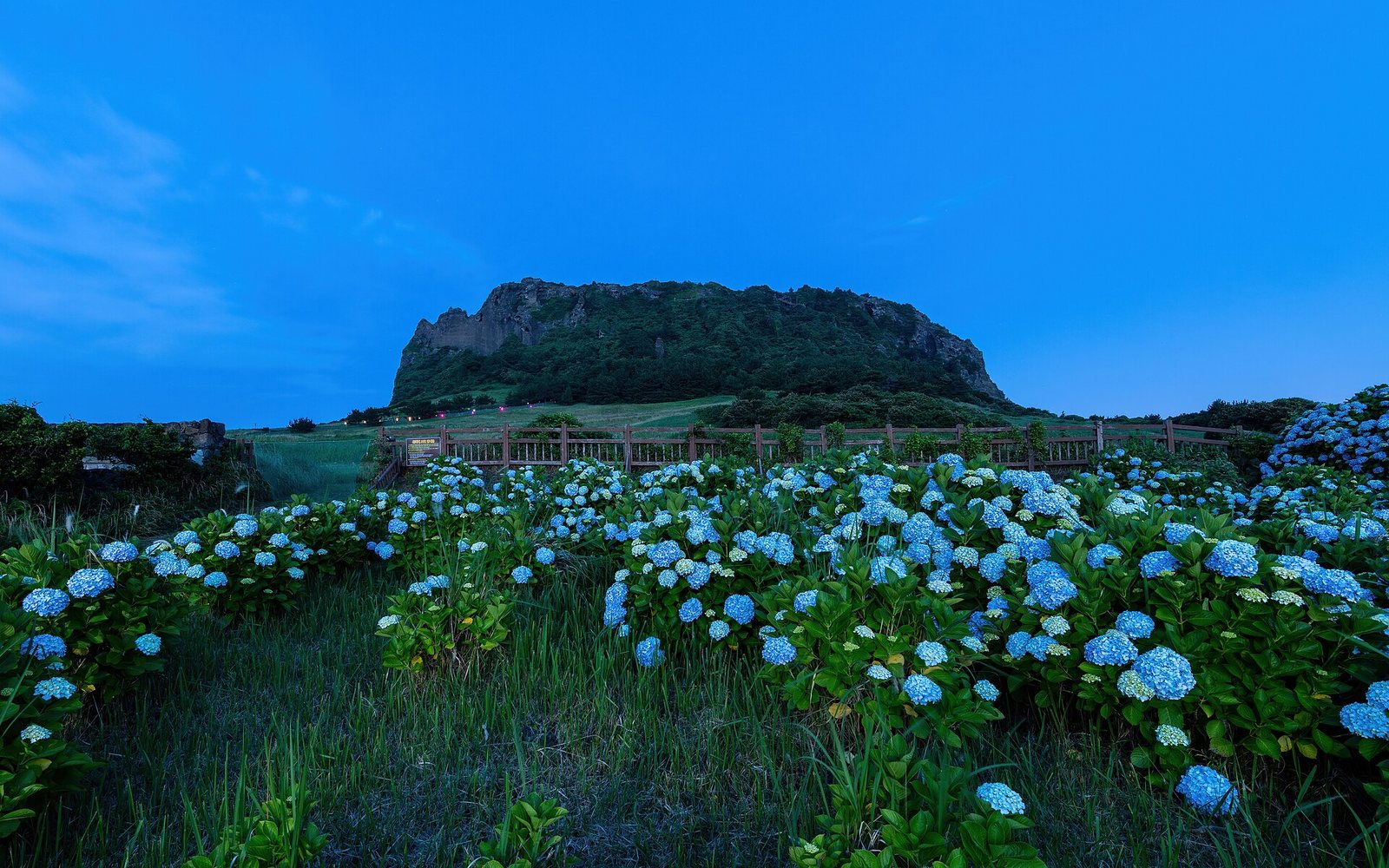
Seongsan Ilchulbong, Jeju, South KoreaPhoto: Basile Morin, CC BY-SA 4.0, via Wikimedia Commons
Find your Bliss in South Korea
South Korea, made simple: palaces, mountains, street food and fast trains
South Korea packs royal palaces, temple stays, neon night markets, granite mountains and volcanic islands into a country you can cross by train in under three hours. It is safe, clean and efficient, but the apps, entry rules and etiquette can puzzle a first-timer. This guide answers those questions so you arrive confident.
Your trip, step by step
- Before you flyK-ETA or visa, seasons, apps and money, answered
- LandingIncheon arrival, transport cards and getting into Seoul, explained
- Your days in KoreaCities, temples, coasts and mountains, planned with care
- Home againTax refunds, airport timing and a calm last day
Where to go, eat and stay
- Plain answersClear, honest guidance on the questions first-timers actually ask.
- Official sourcesEntry, health and safety facts point you to the official pages to confirm.
- No price surprisesWe explain cards, cash, tax refunds and tipping so nothing catches you out.
- Free to useEvery guide and the trip planner are free.
Our promise
South Korea should feel exciting, not overwhelming. We answer the worries before they start, so you land ready to find your Bliss.
Visiting family in Seoul or Busan after years away, a Korean adoptee returning for the first time, or simply drawn by the food and music? This guide was written with you in mind.
How to use this guide
Four steps from first idea to a trip that feels easy.
- Choose your KoreaBig city energy, ancient capitals, beaches or mountain trails: start with the destinations that fit you.
- Sort the essentialsEntry authorisation, apps, transport cards and current travel advice, checked against official sources.
- Pick your placesUse our places to visit list for food, markets, culture and stays in each city.
- Plan your routeUse the free trip planner to shape your days and the trains between them.
Everything your South Korea trip needs
Free tools and guides for every stage of the journey.
Destinations
Seoul, Busan, Jeju, Gyeongju, Jeonju and Seoraksan, each explained in depth.
Explore destinationsPlaces to visit
More than a hundred restaurants, markets, palaces, trails and stays, from classics to hidden corners.
See places to visitFlights and stays
Search flights into Incheon, Gimpo, Gimhae and Jeju, and stays across the country.
Plan travelPlaces finder
Restaurants, sights and stays mapped around each base.
Find placesFree trip planner
Tell us your dates and interests and build a route that fits.
Plan your trip
The classic South Korea trip
Seoul, then south by fast train
Most first trips spend four or five days in Seoul, ride the KTX south to Gyeongju's royal tombs and Busan's beaches, then fly to Jeju for volcanic coast and green tea fields. Trains and domestic flights make the whole loop easy in ten days to two weeks.
- Palaces, hanok lanes and night markets in Seoul
- Silla dynasty tombs and temples in Gyeongju
- Beaches, seafood and hillside villages in Busan
- Volcanic craters and coastal trails on Jeju
Start with the destinations
See how the capital, the southeast and the islands fit together.
South Korea destinationsPlan with confidence
Your route, without the worry
Korea moves fast, and a little planning goes a long way: which apps to download, when to book trains on holiday weekends, and how to pace a busy itinerary. Our free planner helps you choose a realistic route.
- Realistic travel times
- The right season for blossom, foliage or beaches
- Where to base yourself
Where to go in South Korea
From the capital's palaces to Silla tombs, southern beaches, volcanic islands and granite peaks.
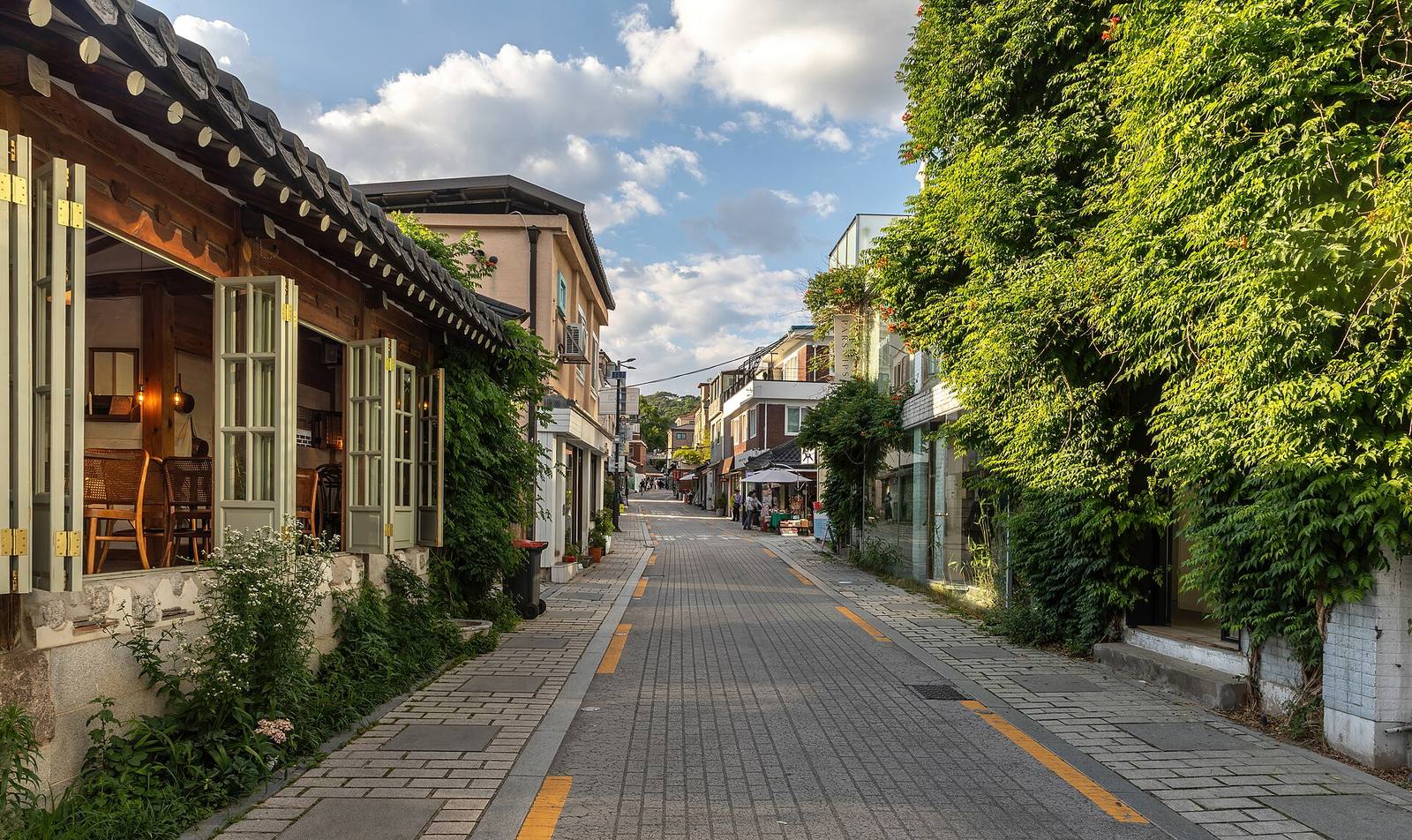
Northwest, Seoul Capital Area
Seoul
A capital of royal palaces, hanok lanes, mountain trails and markets that never seem to sleep.
Read the guidePhoto: Basile Morin, CC BY-SA 4.0, via Wikimedia Commons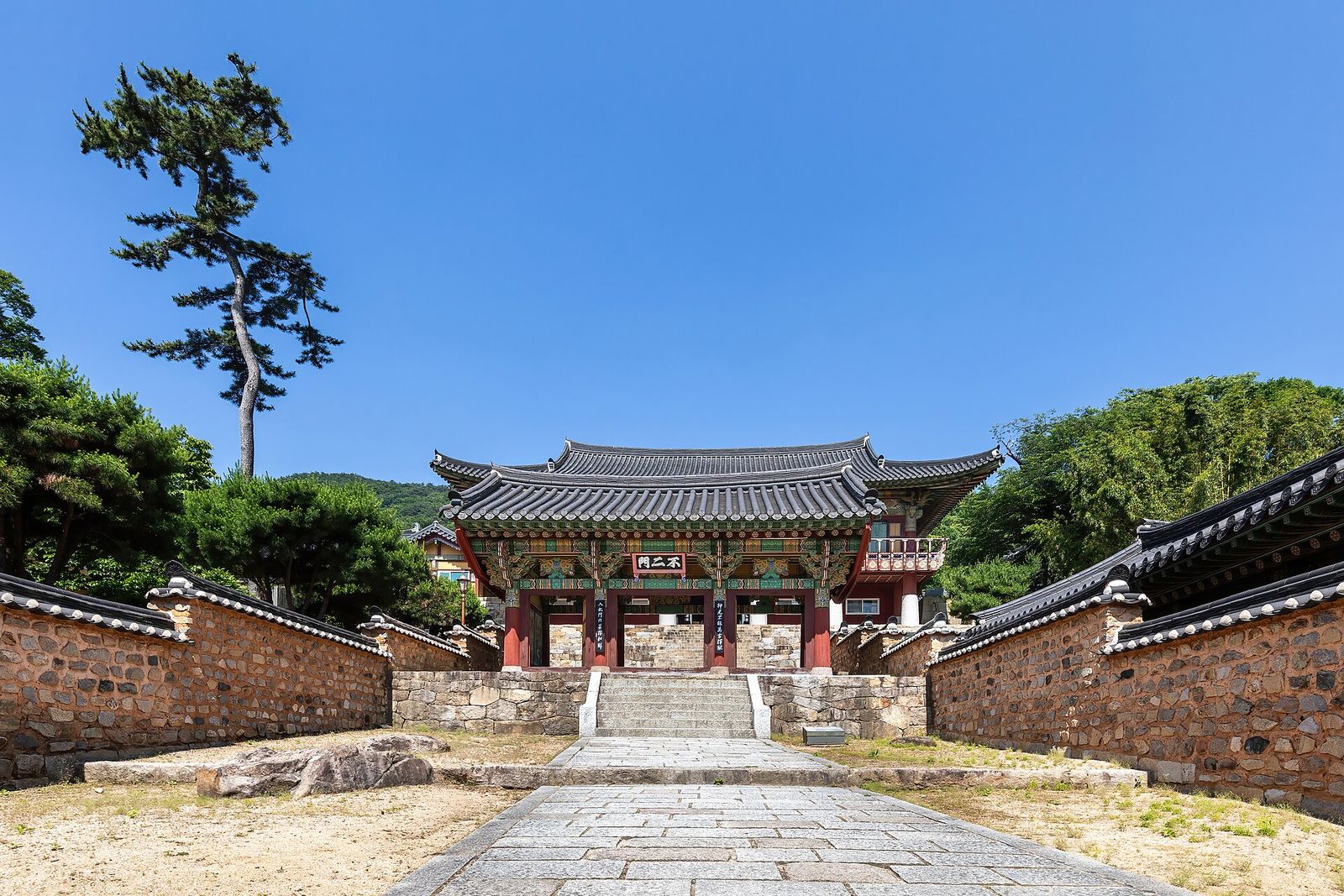
Southeast coast
Busan
Korea's second city and its seaside soul, with city beaches, fish markets and a temple on the rocks.
Read the guidePhoto: Basile Morin, CC BY-SA 4.0, via Wikimedia Commons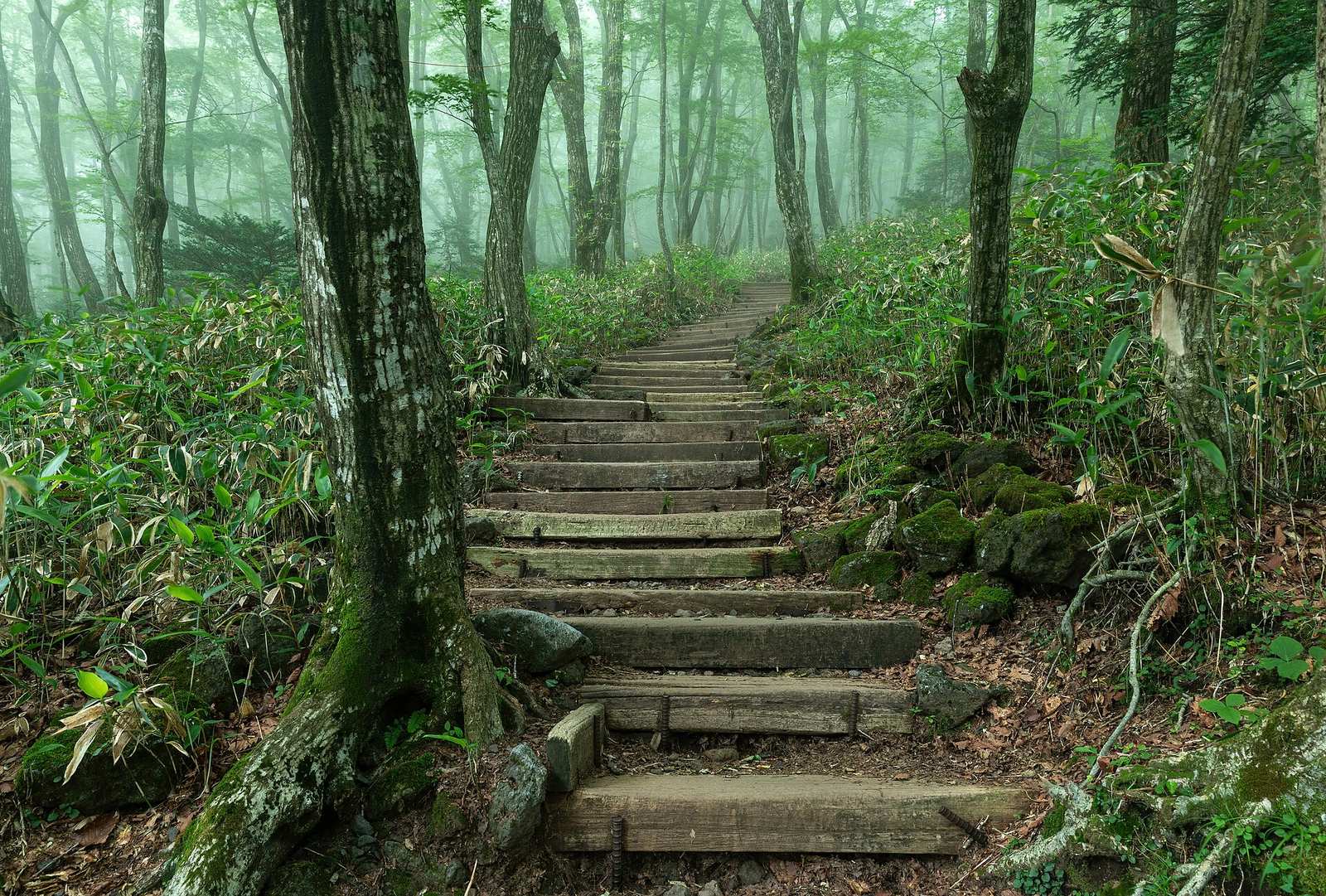
Island off the south coast
Jeju Island
A volcanic island of crater hikes, lava tubes, black rock coasts, tangerine farms and women divers.
Read the guidePhoto: Basile Morin, CC BY-SA 4.0, via Wikimedia Commons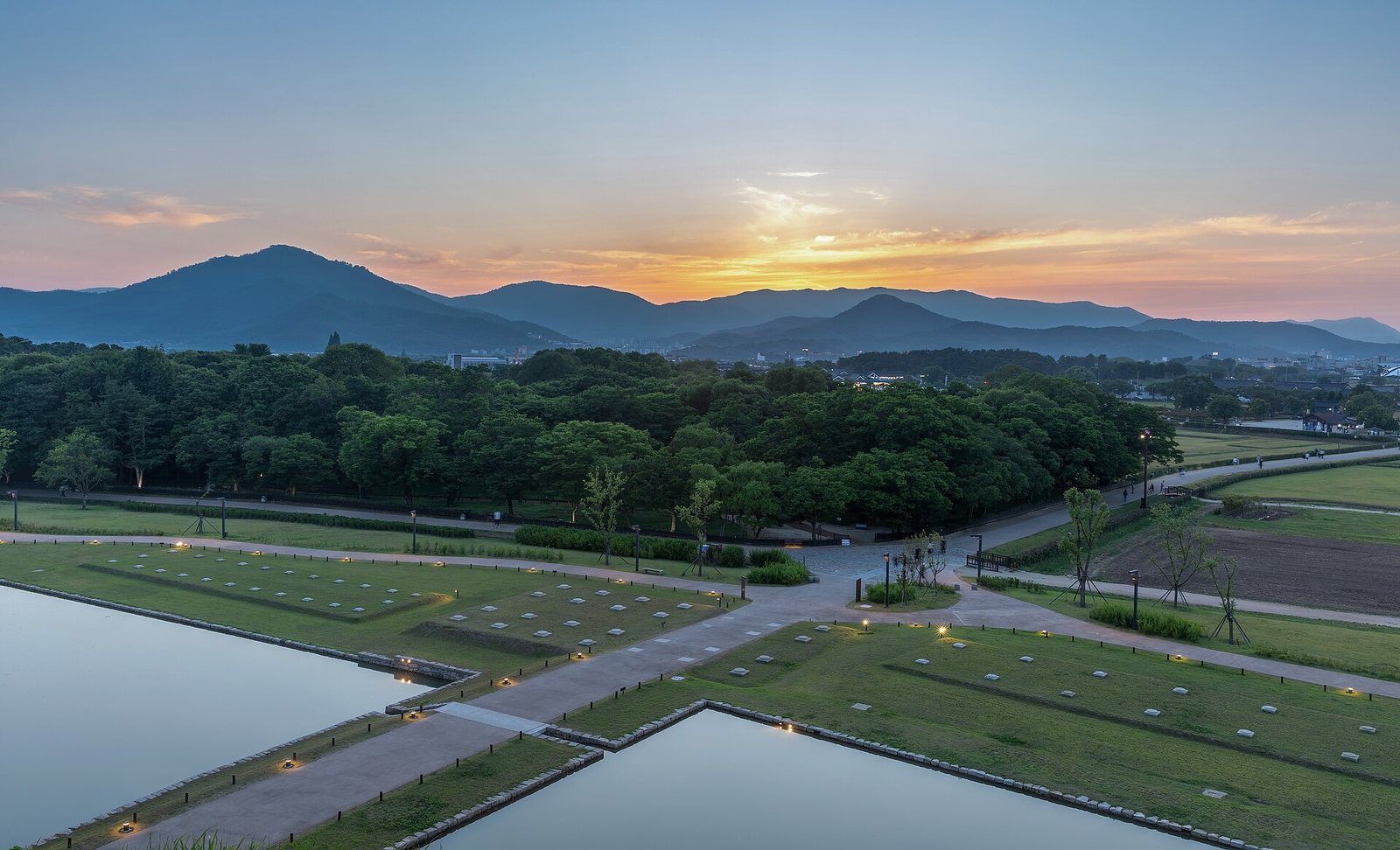
Southeast, near Busan
Gyeongju
Capital of the Silla kingdom for nearly a thousand years, full of royal tombs, temples and stone pagodas.
Read the guidePhoto: Basile Morin, CC BY-SA 4.0, via Wikimedia Commons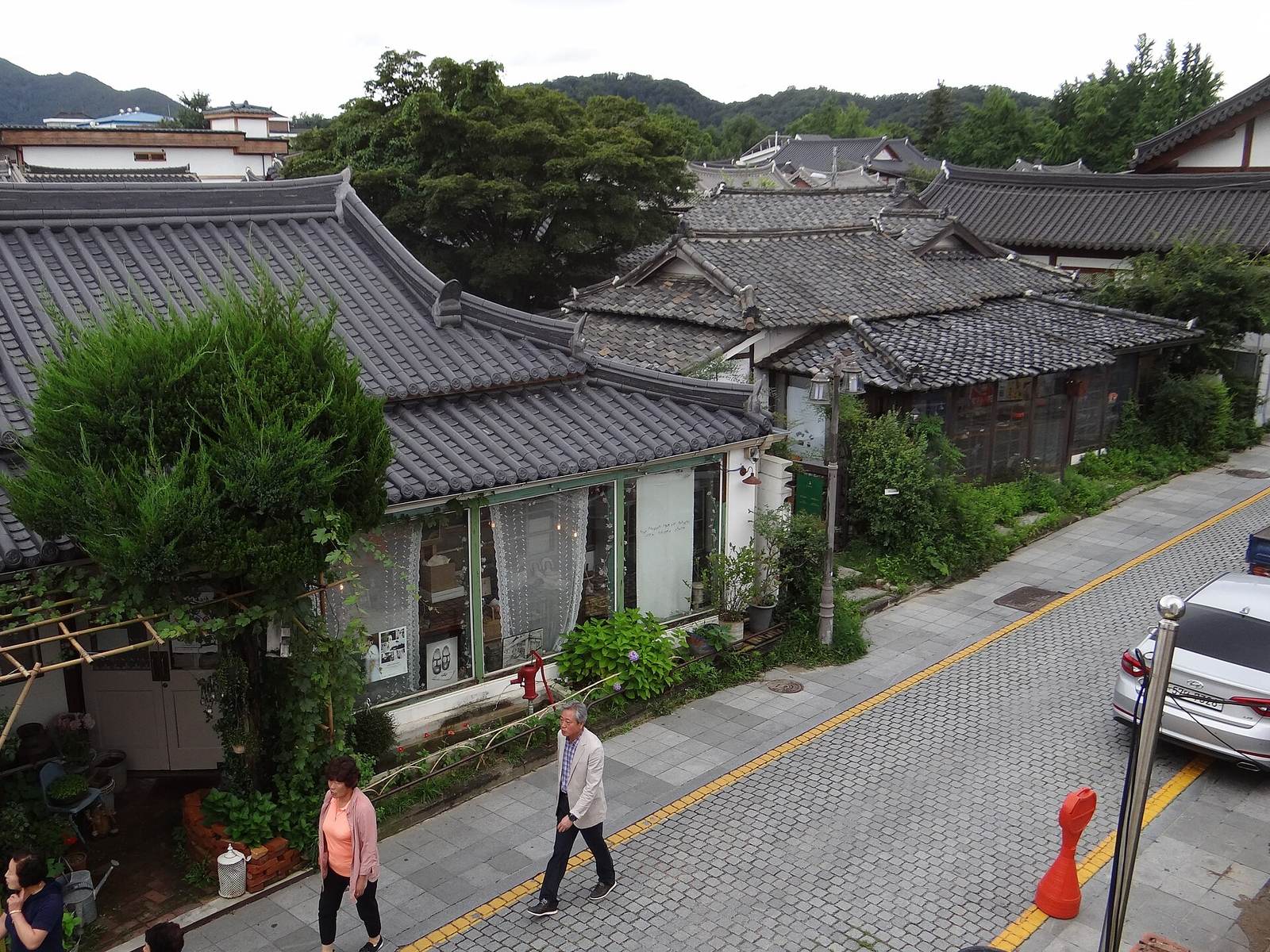
Southwest, North Jeolla
Jeonju
The country's largest hanok village and its most celebrated food city, home of bibimbap.
Read the guidePhoto: Shamus7792003, CC BY-SA 4.0, via Wikimedia Commons
A note from our founder
A note from our founder
My first time visiting Kenya, I was genuinely surprised with how fast it began feeling like home. The people are so friendly, the food is delicious and familiar, and the accommodations are modern and upscale.
During my travels throughout the continent, I commonly hear tourists share stories about being scammed or taken advantage of, which is both frustrating and disheartening.
Living in Kenya for the last 2 years, I have had the great fortune to meet a network of wonderful Kenyans who have continuously help guide my family's journey. Their shared knowledge has not only greatly enhanced our overall experience here, but it has also saved us tons of time, energy, and resources.
With BlissPoint Travel, my hope is to build a global community that is willing to share useful, uncommon knowledge so that we can all blissfully enjoy the wonders our world has to offer.
Questions we hear most
Is South Korea safe to visit?
South Korea has low violent crime and is one of the easier countries in Asia for first-time and solo travellers. Petty theft is uncommon, though nightlife districts call for normal care. Tension with North Korea rarely affects visitors. Read your government's current travel advice before booking.
Do I need a visa or K-ETA for South Korea?
It depends on your passport. Many nationalities can visit visa free but need a K-ETA, while some are temporarily exempt and others need a visa. Check the official K-ETA site and the Korean embassy in your country before you book, as the rules change.
How many days do I need in South Korea?
Seven days covers Seoul and one more city, such as Busan or Gyeongju. Ten to fourteen days lets you add Jeju, Jeonju or the mountains of Seoraksan at a relaxed pace.
When is the best time to visit South Korea?
Spring (April to May) brings cherry blossom and mild days, and autumn (late September to November) brings clear skies and red maples. Summer is hot, humid and rainy, and winter is cold but bright and good for skiing.
Can I use cards in South Korea?
Yes. Cards work almost everywhere, including taxis and convenience stores. Carry some cash for markets, street food and topping up some transport cards, and check that your card works abroad before you fly.
Do people speak English in South Korea?
Signs on transport are in Korean and English, and younger people in cities often speak some English. Outside tourist areas English is limited, so a translation app and a Korean map app make life much easier.
Ready to find your Bliss in South Korea?
Use the free trip planner to turn ideas into a route that fits your dates and budget.