At a glance
- Best for
- Hiking, coast, nature and slow travel
- Airport
- Jeju International (CJU)
- Time needed
- Three to four days
- From Seoul
- About an hour by air
- Best season
- April to June and September to November
- Getting around
- Island buses, taxis and tours
Why visit Jeju
Jeju gives you nature on a scale the mainland cities cannot: crater hikes, waterfalls that drop straight into the sea, lava caves, green tea fields and a coast of black basalt and white sand. It also has its own culture, with a distinct dialect, stone grandfather statues called dol hareubang, and the famous haenyeo, the women divers recognised by UNESCO as intangible heritage.
The natural highlights
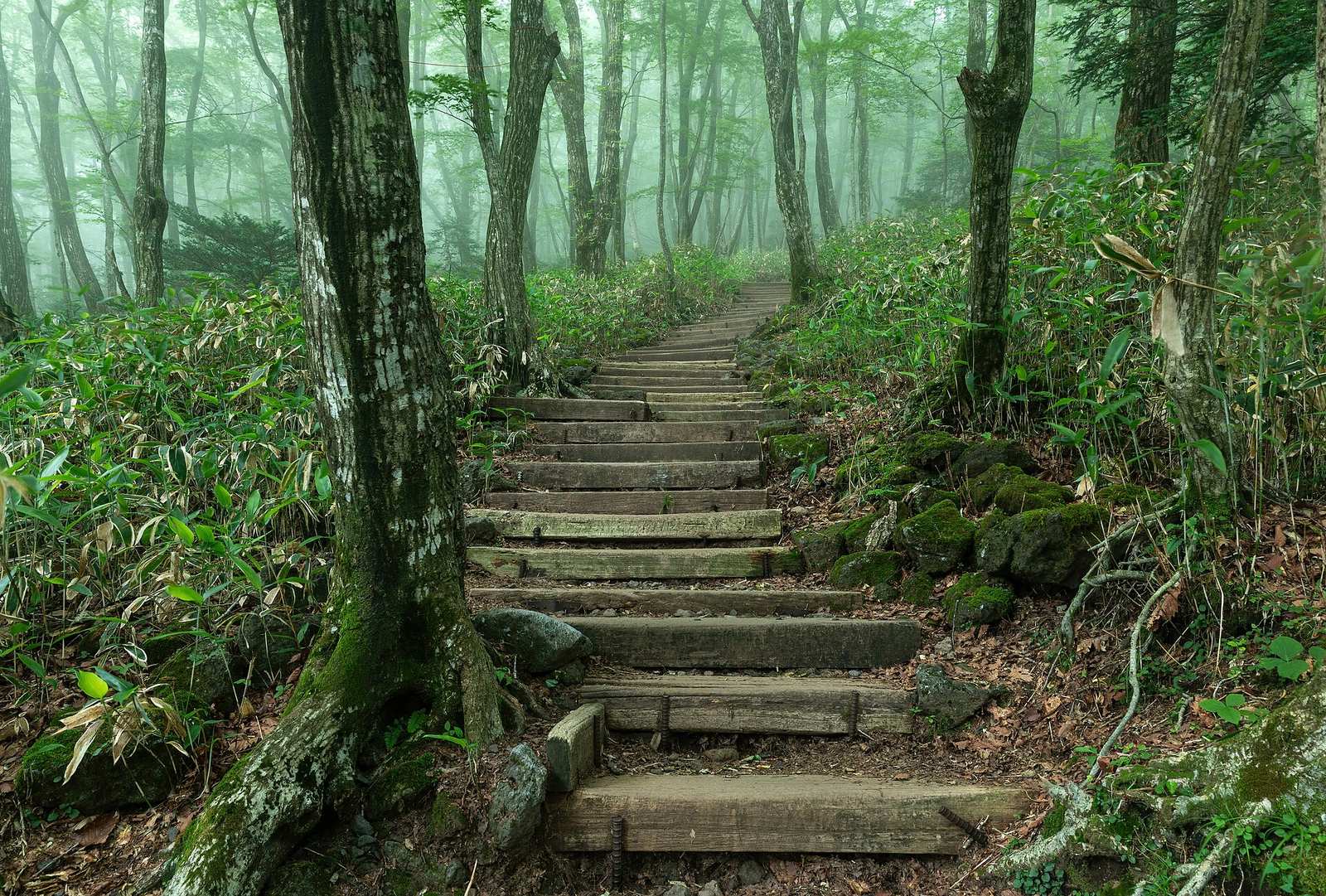
Hallasan, South Korea's highest mountain, is a dormant volcano in the centre of the island. The Seongpanak and Gwaneumsa trails reach the summit crater lake, a full day hike, and must be reserved in advance on the official national park booking site; the shorter Eorimok and Yeongsil trails are beautiful and need no booking. Seongsan Ilchulbong, Sunrise Peak, is a tuff cone rising from the sea on the east coast, with a short steep climb and a famous sunrise. Manjanggul is one of the world's longest lava tubes, and you can walk part of it. Bijarim Forest, Saryeoni Forest Path and the many small oreum, volcanic cones, make easy, quiet walks.
The coast
The Jeju Olle Trail is a network of walking routes around the whole island, divided into stages that suit a morning or a full day. Jeongbang and Cheonjiyeon waterfalls near Seogwipo are easy to visit, and the Jusangjeolli cliffs show hexagonal basalt columns. For beaches, Hyeopjae and Geumneung in the west have shallow, bright turquoise water, and Hamdeok near Jeju City is popular and easy to reach. Udo, a small island off the east coast by ferry, is lovely by bike or electric scooter.
Haenyeo and local culture
The haenyeo are women who free dive for shellfish and seaweed without breathing equipment, many of them now in their seventies and older. The Haenyeo Museum in Gujwa explains their history, and in some villages you can see them at work or eat their catch. Jeju Stone Park and the Jeju 4.3 Peace Park, which tells the story of the 1948 uprising and massacres, are powerful ways to understand the island.
Food
Jeju is known for heuk dwaeji, black pork grilled over charcoal, and for seafood such as abalone porridge, cutlassfish and sea urchin soup. Hallabong tangerines are everywhere in winter and spring. Dongmun Market in Jeju City has a night market with food stalls, and Seogwipo Maeil Olle Market is a favourite for snacks.
Getting around
Jeju has a good public bus network, and the express buses link the airport, Jeju City and Seogwipo. Buses to rural areas can be infrequent, so many visitors join day tours or use taxis for the east and west coasts. Flights from Seoul Gimpo are among the busiest routes in the world, so they are frequent, and ferries run from several south coast ports.
Where to stay
Jeju City is handy for the airport and markets, Seogwipo for waterfalls and the south coast, Jungmun for resorts, and small towns like Aewol or Seongsan for a quieter coastal stay.
Questions about Jeju Island
Do I need to book Hallasan in advance?
The two summit trails, Seongpanak and Gwaneumsa, require a reservation on the official Hallasan National Park booking site. Other trails do not. Check the current rules before you go.
How many days do I need on Jeju?
Three days covers the east and west coasts and a hike. Four or five days allows a Hallasan summit, Udo island and time to relax.
Can I get around Jeju without driving?
Yes. Buses reach most sights, though rural routes can be slow. Day tours and taxis fill the gaps for the more remote corners of the island.
Do visitors need a K-ETA for Jeju?
Jeju has had special visa free arrangements for some nationalities arriving directly on international flights. Rules change, so check the official K-ETA and Korean immigration sites before travelling.
Facts checked . Fees, schedules and entry rules change, so always confirm the latest with the official source.