South Korea · Local picks
100+ Places to Visit in South Korea
These are the places worth your time in South Korea, from Seoul's palaces and markets to Busan's beaches, Jeju's volcanoes, Gyeongju's royal tombs and Jeonju's hanok lanes. Famous classics sit beside quiet corners few visitors find, so every kind of traveller has something to love.
Places to Visit in Seoul
Things to Do
- Gyeongbokgung Palace (Jongno)
The grandest Joseon palace, with the changing of the guard at its main gate. - Changdeokgung Palace and Secret Garden (Jongno)
A UNESCO listed palace whose guided garden tour is one of Seoul's finest experiences. - Cheonggyecheon Stream (Jongno)
A calm walking path through the centre, lit with lanterns in November. - Lotte World (Jamsil)
An indoor and outdoor theme park that works in any weather. - Ihwa Mural Village (Naksan)
Painted alleys on the hillside below the old city wall. - Jogyesa Temple (Jongno)
The headquarters of Korean Zen Buddhism, glowing with lanterns before Buddha's Birthday. - Bongeunsa Temple (Gangnam)
A historic temple among the towers, with a templestay programme. - Suwon Hwaseong Fortress (Suwon)
A UNESCO fortress wall walk within subway reach of Seoul.
Arts and Culture
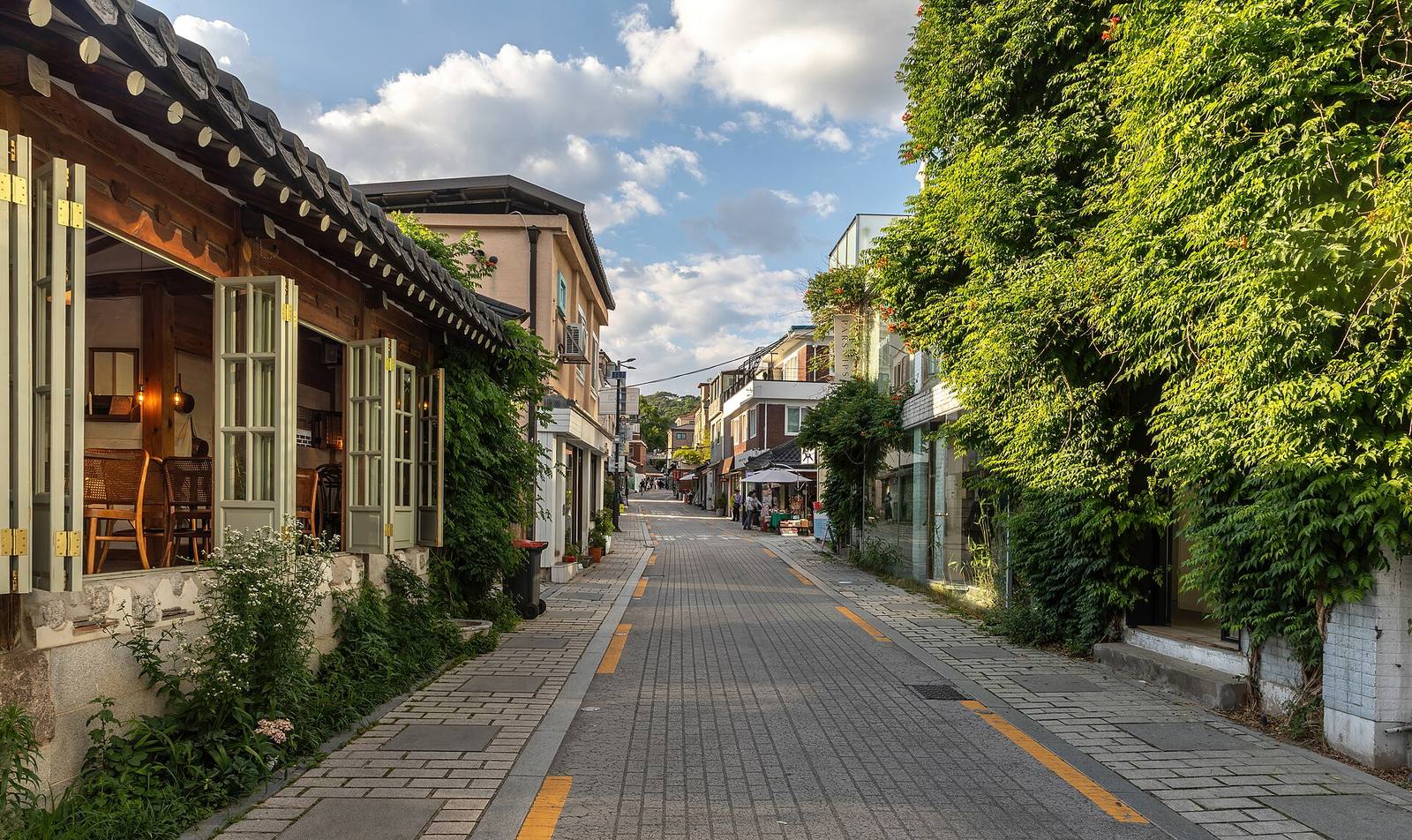
- Bukchon Hanok Village (Jongno)
Hillside lanes of lived in tiled roof houses between two palaces. - National Museum of Korea (Yongsan)
A vast, free collection spanning Korean history, from Silla gold to celadon. - Insadong (Jongno)
Tea houses, galleries and craft shops in the traditional arts quarter. - Dongdaemun Design Plaza (Dongdaemun)
Zaha Hadid's silver landmark, home to exhibitions and a night market area. - Leeum Museum of Art (Hannam)
Korean ceramics and modern art in buildings by star architects. - War Memorial of Korea (Yongsan)
A thorough, moving museum of the Korean War. - Seongsu-dong (Seongsu)
Former shoe factories turned cafés, pop ups and design stores.
Shopping and Markets
- Gwangjang Market (Jongno)
Seoul's classic food market for mung bean pancakes, mayak gimbap and noodles. - Myeongdong Shopping Street (Myeongdong)
Skincare shops by day and street food stalls by evening. - Namdaemun Market (Jung-gu)
A sprawling old market for kitchenware, clothes, ginseng and snacks. - Noryangjin Fish Market (Dongjak)
Choose seafood downstairs and have it cooked in a restaurant upstairs. - Starfield Library (COEX Mall, Gangnam)
A towering wall of books in the middle of a mall, free to wander.
Nature and Outdoors
- Namsan Seoul Tower (Namsan)
The classic city panorama, reached by cable car or a forest walk. - Inwangsan Fortress Wall Trail (Jongno)
A short hike along the old city wall with superb views over the palaces. - Bukhansan National Park (Bukhansan)
Granite peaks and temple trails inside the city limits. - Yeouido Hangang Park (Yeouido)
Seoul's favourite riverside park for picnics, bikes and spring blossom. - Naksan Park (Hyehwa)
Walk the lit fortress wall at sunset above the city. - Seoul Forest (Seongdong)
A big leafy park with deer, ponds and paths beside Seongsu.
Cafés
- Cafe Onion Anguk (Anguk)
A bakery café in a hanok with floor seating and pandoro. - Cafe Onion Seongsu (Seongsu)
The original Onion, in an old factory in Seoul's coolest district.
Bars and Nightlife
- Hongdae Street (Hongdae)
Buskers, live music, small clubs and cheap eats near Hongik University. - Euljiro Nogari Alley (Euljiro)
Plastic tables, dried pollack and cheap beer in an old print district. - Itaewon (Yongsan)
An international nightlife area with rooftop bars and global food.
Restaurants
- Tosokchon Samgyetang (Seochon)
Ginseng chicken soup in a hanok near Gyeongbokgung. - Myeongdong Kyoja (Myeongdong)
Hand cut noodle soup and dumplings, a Seoul institution. - Gwangjang Market Mayak Gimbap Alley (Jongno)
Little addictive rolls dipped in mustard sauce. - Ikseon-dong Hanok Street (Ikseon-dong)
Tiny hanok alleys packed with small restaurants and bars. - Mingles (Gangnam)
Modern Korean fine dining built on fermented sauces and seasonal produce. - Jinokhwa Halmae Wonjo Dakhanmari (Dongdaemun)
Whole chicken simmered at your table in a famous alley.
Events
- Lotus Lantern Festival (Jongno)
A huge lantern parade ahead of Buddha's Birthday each spring. - Seoul Lantern Festival (Cheonggyecheon)
Glowing sculptures float on the stream in November. - Seoul International Fireworks Festival (Yeouido)
Autumn fireworks over the Han River from around the world.
Stays
- Four Seasons Hotel Seoul (Gwanghwamun)
Polished luxury steps from the palaces. - Rakkojae Seoul (Bukchon)
A restored hanok guesthouse with a traditional mud sauna. - Lotte Hotel Seoul (Myeongdong)
A big, central hotel by the shopping streets.
Places to Visit in Busan
Things to Do
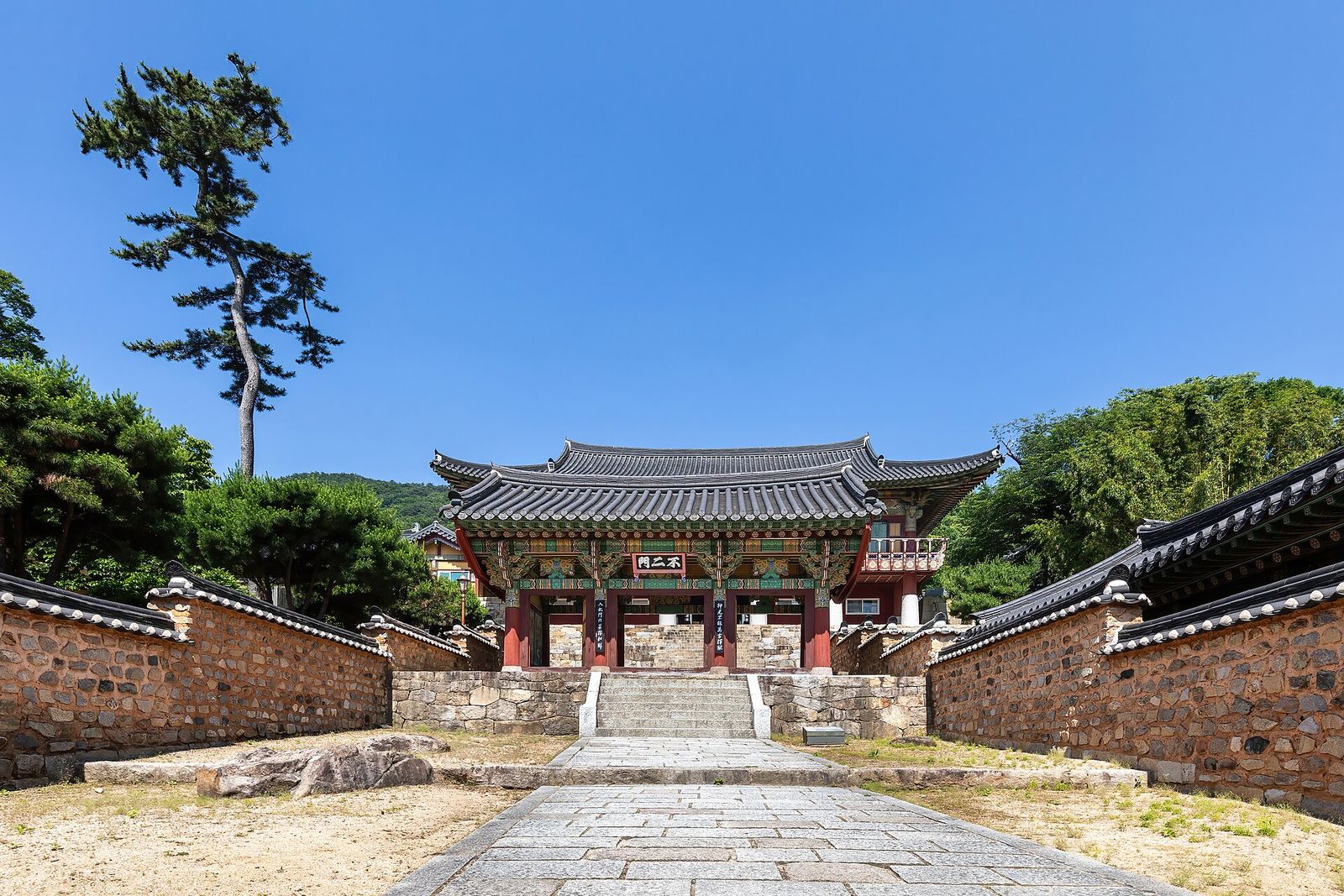
- Haedong Yonggungsa Temple (Gijang)
A rare temple built on rocks above the waves. - Gamcheon Culture Village (Saha-gu)
A hillside of pastel houses, art and alleys. - Haeundae Blueline Park (Haeundae)
A beach train and sky capsules along the old coastal railway. - Beomeosa Temple (Geumjeong)
A great mountain temple with templestay programmes. - SEA LIFE Busan Aquarium (Haeundae)
A family favourite right on Haeundae Beach.
Shopping and Markets
- Jagalchi Fish Market (Nampo)
Korea's biggest seafood market, with restaurants upstairs. - Gukje Market (Nampo)
A wartime market of stalls, lanes and street food. - BIFF Square (Nampo)
Ssiat hotteok and snacks along the old film festival street.
Nature and Outdoors
- Haeundae Beach (Haeundae)
Busan's famous city beach, best outside the peak summer crowds. - Gwangalli Beach (Suyeong)
Sandy beach facing the lit Gwangan Bridge, with drone shows on many Saturdays. - Songjeong Beach (Haeundae)
A quieter beach popular with surfers. - Igidae Coastal Walk (Nam-gu)
Cliff paths with views of the Haeundae skyline. - Taejongdae (Yeongdo)
Wild cliffs and a lighthouse at the tip of Yeongdo. - Dadaepo Beach (Saha-gu)
Wide tidal flats and some of Busan's best sunsets. - Geumjeongsan Fortress (Geumjeong)
Hike the old mountain fortress walls above the city.
Arts and Culture
- Huinnyeoul Culture Village (Yeongdo)
Cliffside alleys and sea view cafés, quieter than Gamcheon. - UN Memorial Cemetery in Korea (Nam-gu)
The world's only UN cemetery, a moving Korean War memorial.
Restaurants
- Samjin Eomuk (Yeongdo)
The city's famous fish cake maker, with a bakery style shop.
Cafés
- Jeonpo Café Street (Seomyeon)
Independent cafés in a former tool district.
Bars and Nightlife
- Gwangalli Beachfront Bars (Suyeong)
Drinks with a view of the illuminated Gwangan Bridge. - Seomyeon (Busanjin)
Busan's busiest nightlife and food district.
Events
- Busan International Film Festival (Haeundae)
Asia's leading film festival each October. - Busan Fireworks Festival (Gwangalli)
A huge autumn fireworks show over the bay.
Stays
- Park Hyatt Busan (Marine City)
Sleek rooms with views over Gwangan Bridge. - Paradise Hotel Busan (Haeundae)
A long established beachfront hotel with sea view pools.
Places to Visit in Jeju
Nature and Outdoors
- Seongsan Ilchulbong (Seongsan)
A tuff cone rising from the sea, famous for sunrise. - Hallasan National Park (Central Jeju)
South Korea's highest peak, a dormant volcano with a crater lake. - Manjanggul Lava Tube (Gujwa)
Walk part of one of the world's longest lava tubes. - Jeongbang Waterfall (Seogwipo)
A waterfall that falls straight into the sea. - Cheonjiyeon Waterfall (Seogwipo)
An easy, lit evening walk to a forest waterfall. - Jusangjeolli Cliff (Jungmun)
Hexagonal basalt columns pounded by the waves. - Hyeopjae Beach (Hallim)
White sand and turquoise water facing Biyangdo island. - Hamdeok Beach (Jocheon)
A bright, shallow beach close to Jeju City. - Bijarim Forest (Gujwa)
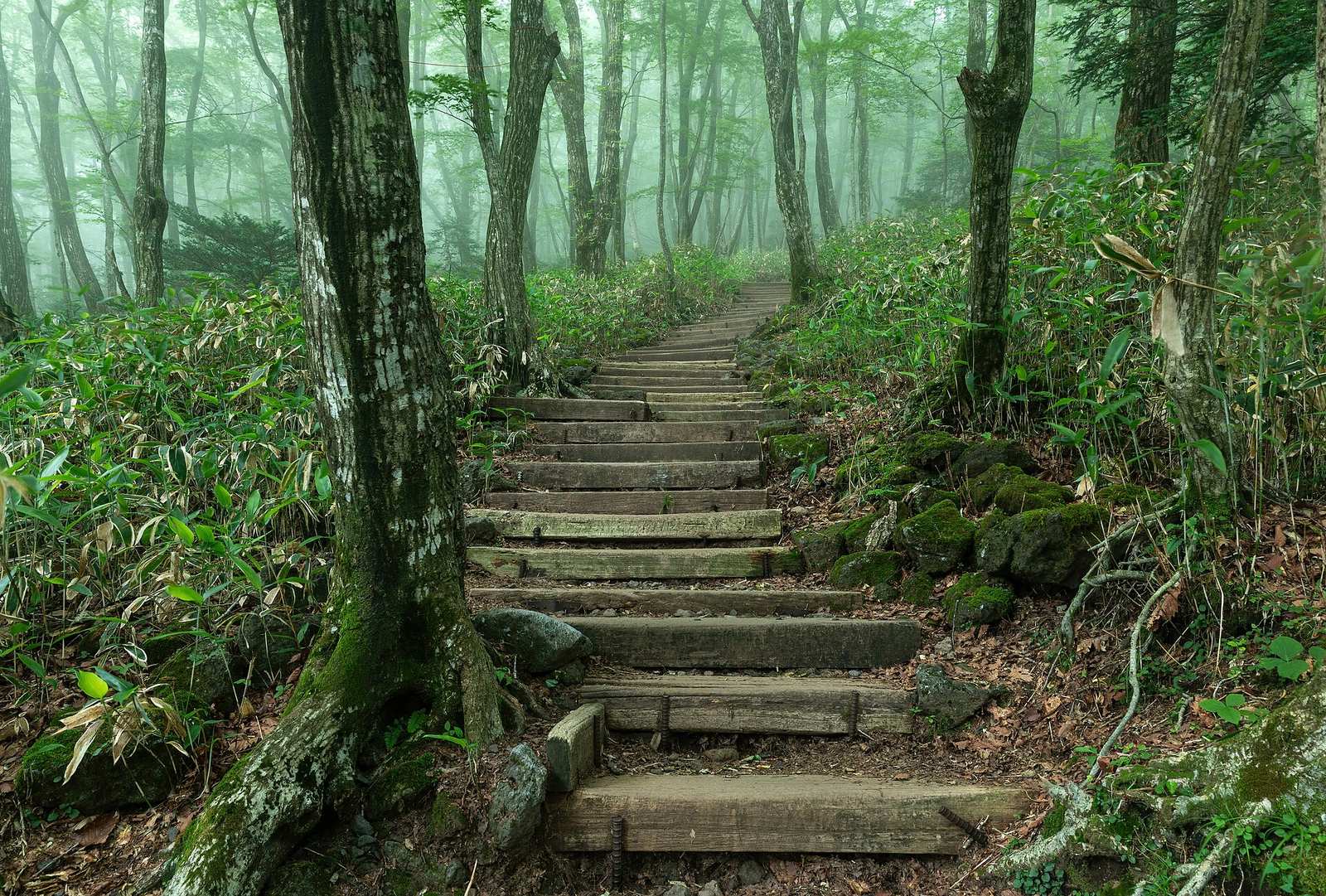
An ancient nutmeg tree forest with gentle paths. - Saryeoni Forest Path (Jocheon)
A quiet cedar forest walk on volcanic red soil. - Jeju Olle Trail (Island wide)
Coastal walking stages that circle the whole island. - Darangshi Oreum (Gujwa)
A volcanic cone with a perfect crater and wide views.
Things to Do
- Udo Island (Udo)
A small island off the east coast, best by bike. - O'sulloc Tea Museum (Andeok)
Green tea fields, tea and green tea ice cream. - Seongeup Folk Village (Pyoseon)
A traditional village of thatched stone houses.
Arts and Culture
- Haenyeo Museum (Gujwa)
The story of Jeju's women free divers. - Jeju 4.3 Peace Park (Jeju City)
A powerful memorial to the 1948 uprising and massacres. - Jeju Stone Park (Jocheon)
Volcanic stone, myth and dol hareubang statues in a huge park. - Bonte Museum (Seogwipo)
Korean crafts in a Tadao Ando building.
Shopping and Markets
- Dongmun Market (Jeju City)
The island's big market, with a night food market. - Seogwipo Maeil Olle Market (Seogwipo)
A covered market loved for snacks and tangerines.
Restaurants
- Black Pork Street (Jeju City)
A street of grills serving Jeju's famous heuk dwaeji. - Myeongjin Jeonbok (Gujwa)
Abalone hot stone rice by the sea.
Stays
- Lotte Hotel Jeju (Jungmun)
A resort hotel above the Jungmun coast. - The Shilla Jeju (Jungmun)
A resort with gardens and an ocean view pool.
Places to Visit in Gyeongju
Arts and Culture
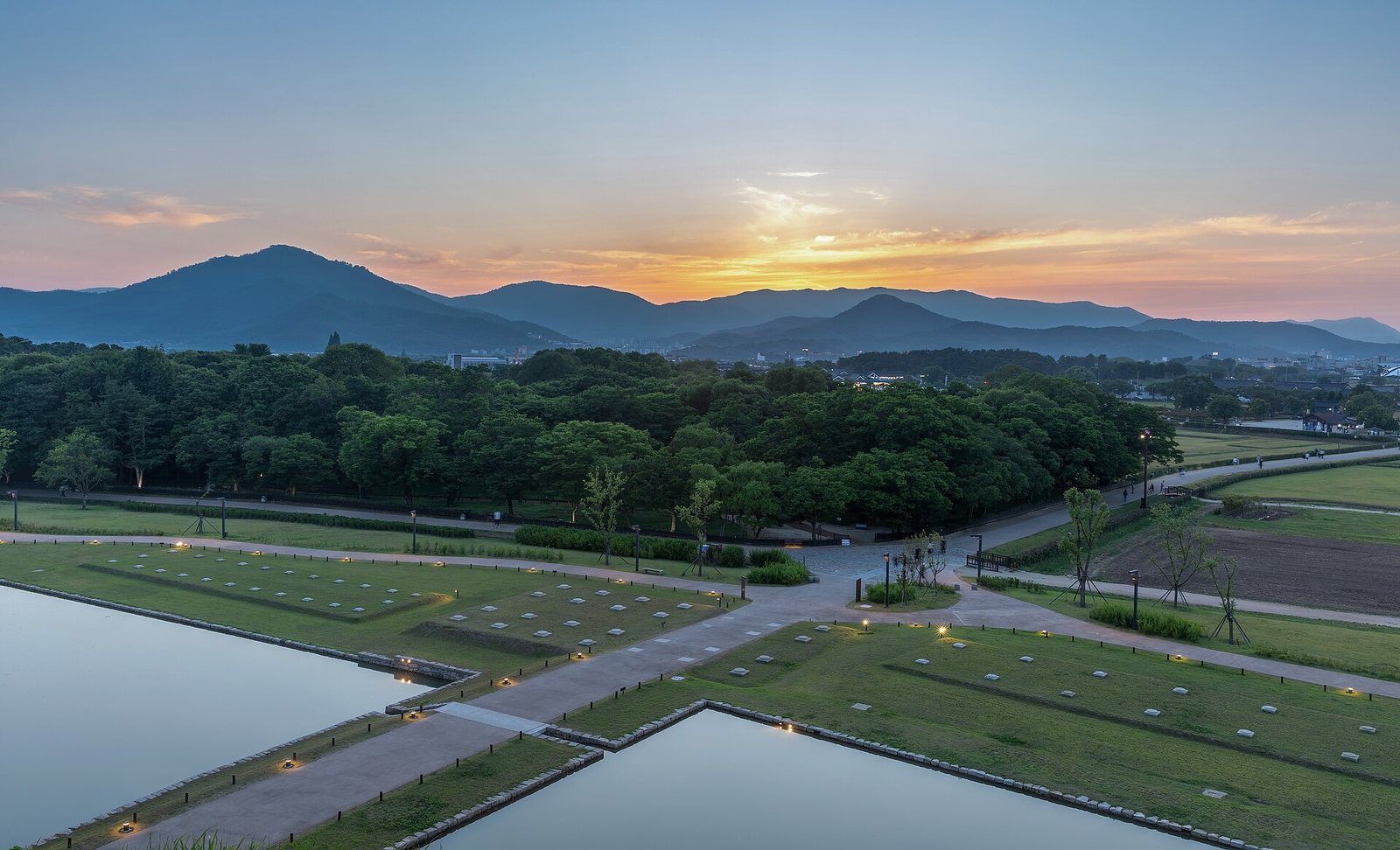
- Daereungwon Tomb Complex (Hwangnam-dong)
Huge grassy burial mounds of Silla royalty. - Bulguksa Temple (Jinhyeon-dong)
A UNESCO masterpiece of Buddhist architecture. - Seokguram Grotto (Tohamsan)
A granite Buddha gazing toward the East Sea. - Cheomseongdae Observatory (Inwang-dong)
A seventh century stone observatory. - Gyeongju National Museum (Inwang-dong)
Silla gold crowns and the great bronze bell. - Gyochon Hanok Village (Gyo-dong)
The Choi family house and a traditional brewery. - Yangdong Folk Village (Gangdong-myeon)
A UNESCO living village of Joseon era houses.
Things to Do
- Donggung Palace and Wolji Pond (Inwang-dong)
Lit pavilions reflected in a royal pond after dark. - Woljeonggyo Bridge (Gyo-dong)
A reconstructed wooden bridge lit at night.
Shopping and Markets
- Hwangridan-gil (Hwangnam-dong)
Hanok lanes of cafés, bakeries and craft shops.
Nature and Outdoors
- Gyeongju Namsan (Namsan)
Trails linking Buddhist rock carvings and pagodas. - Bomun Lake (Bomun)
Lakeside bike paths and cherry trees. - Golgulsa Temple (Yangbuk-myeon)
A cave temple and a centre for sunmudo martial arts.
Restaurants
- Hwangnam Bread (Hwangnam-dong)
The original Gyeongju red bean pastry. - Gyeongju Ssambap Street (Hwangnam-dong)
Lettuce wraps with many side dishes near the tombs.
Stays
- Hilton Gyeongju (Bomun)
A resort hotel by the lake. - Hwangnam Guan Hanok Village (Hwangnam-dong)
A hanok hotel beside the tombs.
Places to Visit in Jeonju
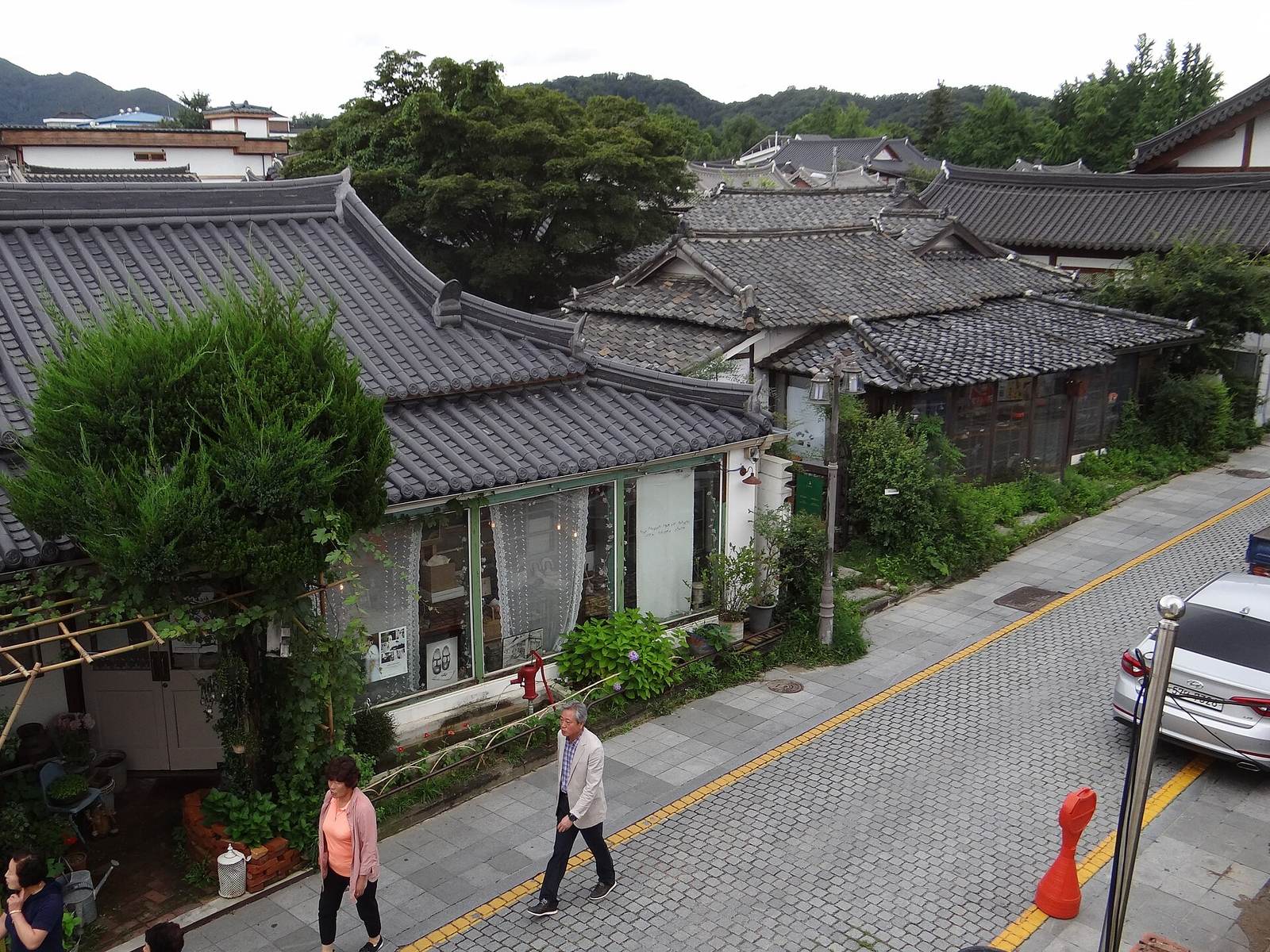
Arts and Culture
- Jeonju Hanok Village (Wansan-gu)
More than seven hundred traditional houses in Korea's largest hanok village. - Gyeonggijeon Shrine (Wansan-gu)
The portrait of the Joseon founder and the royal annals archive. - Jeondong Cathedral (Wansan-gu)
A red brick Romanesque church beside the hanok village. - Jaman Mural Village (Wansan-gu)
Painted hillside houses and small cafés. - Jeonju Traditional Wine Museum (Wansan-gu)
An introduction to Korean rice liquors. - Jeonju Hanji Museum (Deokjin-gu)
The story of traditional mulberry paper.
Nature and Outdoors
- Omokdae (Wansan-gu)
A hill with views over the hanok rooftops. - Deokjin Park (Deokjin-gu)
A huge lotus pond that blooms in summer. - Maisan Provincial Park (Jinan)
Horse ear peaks and a temple of stacked stone towers.
Shopping and Markets
- Nambu Market Night Market (Wansan-gu)
Weekend night food stalls and a rooftop youth mall.
Restaurants
- Hankookjib (Wansan-gu)
A long established house of Jeonju bibimbap. - Sambaekjip (Wansan-gu)
Bean sprout soup with rice, the classic Jeonju breakfast. - PNB Pungnyeon Bakery (Wansan-gu)
Famous chocolate pies, the city's favourite souvenir.
Bars and Nightlife
- Samcheon-dong Makgeolli Alley (Samcheon-dong)
Rice wine kettles that come with table loads of side dishes.
Events
- Jeonju International Film Festival (Wansan-gu)
A leading independent film festival each spring.
Stays
- Lahan Hotel Jeonju (Wansan-gu)
A comfortable hotel at the edge of the hanok village.
More to Explore
We are still checking these with fresh sources, so confirm opening times before you go.
- Ssangdungi Dwaeji Gukbap (Busan Station area, Busan)
Milky pork and rice soup, Busan's signature comfort food. - Gaya Milmyeon (Nampo, Busan)
Cold wheat noodles born in the Korean War.