At a glance
- Best for
- Palaces, food, shopping and nightlife
- Airports
- Incheon (ICN) and Gimpo (GMP)
- Time needed
- Four to five days
- Best season
- April to May and late September to November
- Getting around
- Subway, buses and taxis with a T-money card
- Day trips
- DMZ tours, Suwon fortress, Nami Island
Why visit Seoul
Seoul is the heart of modern Korea: its food, fashion, music and technology all flow from here, yet the city keeps its history in plain sight. Five grand palaces survive from the Joseon dynasty, the old city wall still runs over the hills, and in places like Bukchon people still live in traditional hanok houses. It is also the easiest place to start a Korean trip, with the main international airport, excellent hotels at every level and transport signs in English.
The palaces and old Seoul
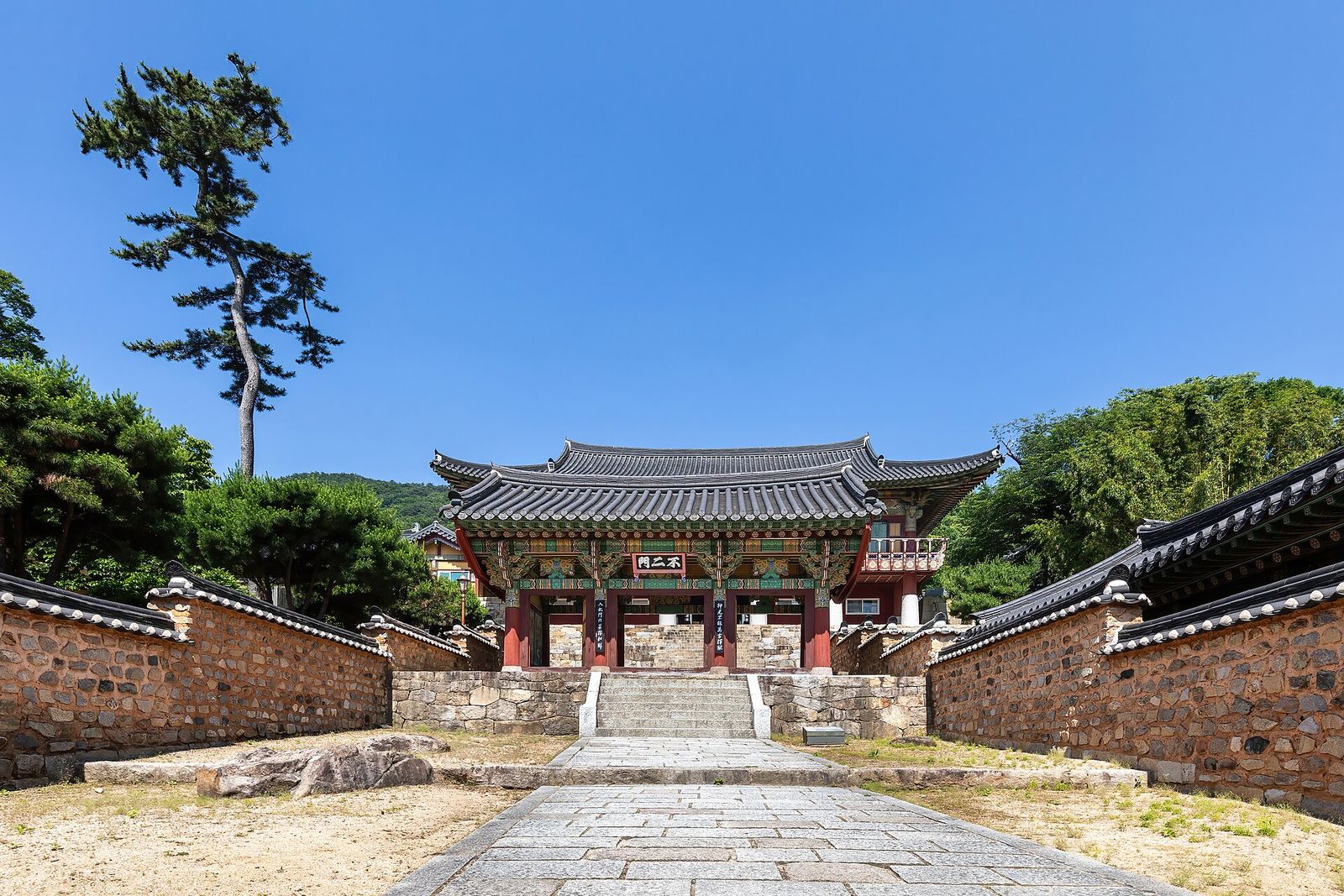
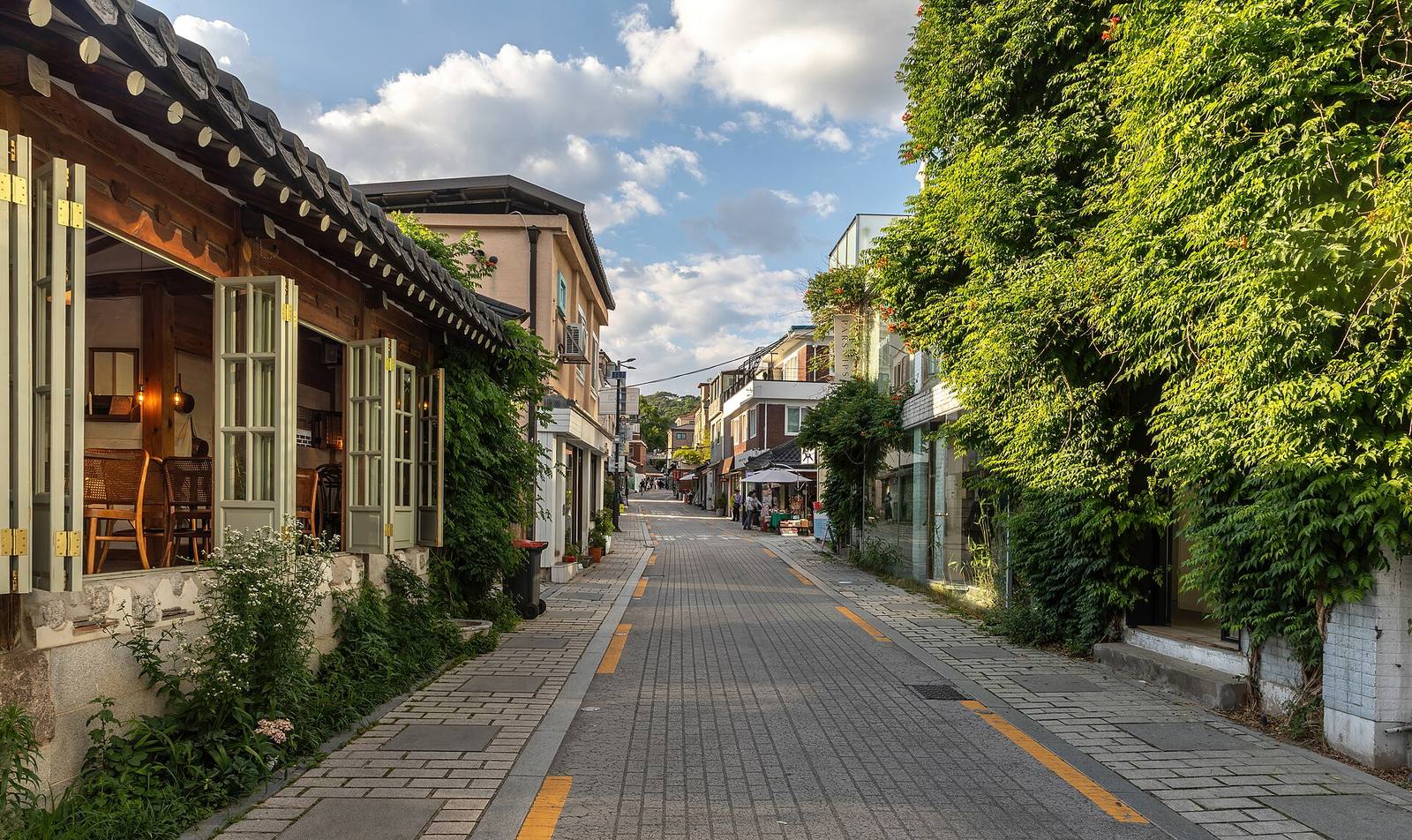
Gyeongbokgung is the largest and most famous palace, with the changing of the guard ceremony at its main gate several times a day. Changdeokgung, a UNESCO World Heritage Site, is smaller and more graceful, and its Secret Garden can only be seen on a guided tour that sells out, so book ahead. Visitors wearing hanbok, the traditional dress, usually get free entry to the palaces, which is why you will see so many people in rented hanbok. Between the two palaces, Bukchon Hanok Village is a hillside of tiled roof houses where residents still live: keep your voice down and respect the visiting hours.
Neighbourhoods to know
Insadong is the place for tea houses, craft shops and calligraphy brushes. Myeongdong is a busy shopping area famous for skincare shops and evening street food. Hongdae, around Hongik University, is young and musical, with buskers, small clubs and cheap eats. Itaewon and Hannam are international, with some of the city's best restaurants. Seongsu, once a district of shoe factories, is now full of cafés and pop up stores in old warehouses. Gangnam, south of the river, is polished and corporate, with COEX Mall and its giant Starfield Library.
Markets and food
Gwangjang Market is the classic: sit at a counter for bindaetteok mung bean pancakes, mayak gimbap and hand cut noodles. Namdaemun is a sprawling wholesale market, and Noryangjin Fish Market lets you pick seafood downstairs and have it cooked upstairs. For Korean barbecue, almost any neighbourhood has good grill restaurants; follow the crowd of locals. Late at night, look for pojangmacha, the orange tented street bars, for soju and spicy snacks.
Mountains, rivers and views
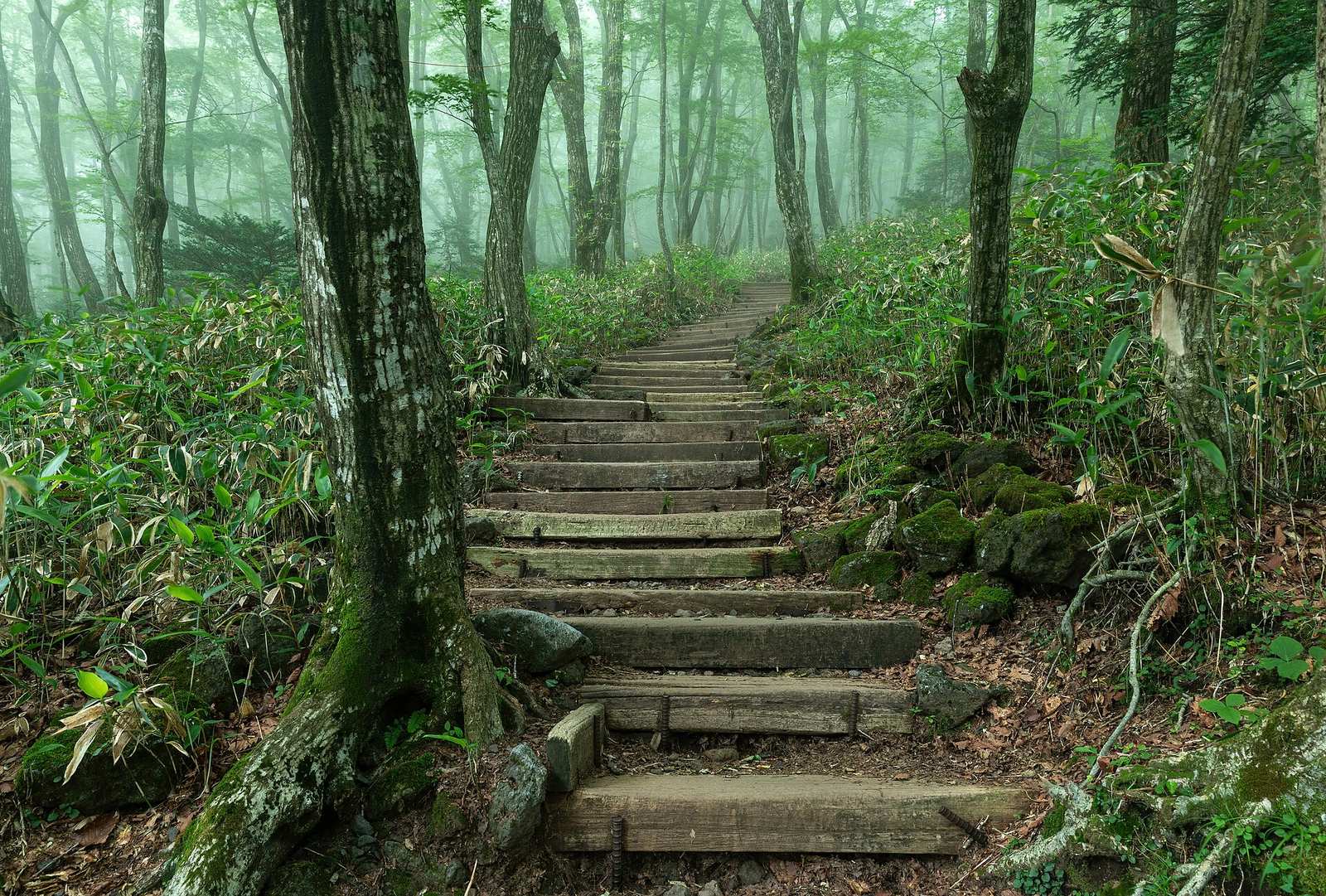
Seoul is ringed by mountains, and hiking is a national hobby. Bukhansan National Park sits inside the city limits, and the Inwangsan trail along the old fortress wall gives superb views of the palaces in under two hours. Namsan Seoul Tower gives the classic panorama, and the Han River parks are where Seoul relaxes in summer, with bike hire, picnics and fried chicken delivered to your mat. Cheonggyecheon Stream is a calm walking path through the centre.
Day trips
The Demilitarized Zone with North Korea can only be visited on an organised tour, and tours change or pause when security conditions shift, so check current status before booking. Suwon's Hwaseong Fortress is an easy subway ride away, and Nami Island and the Garden of Morning Calm are popular in autumn.
Getting around
Buy a T-money or similar transport card at any convenience store and top it up with cash. The subway is cheap, clean and signed in English, and buses fill the gaps. Download Naver Map or KakaoMap, since Google Maps directions are limited in Korea. From Incheon Airport, the AREX train reaches Seoul Station in under an hour.
Where to stay
For first-timers, Myeongdong and Jongno put you close to the palaces and markets, Hongdae suits night owls and budget travellers, and Gangnam suits business travellers. For something special, book a night in a restored hanok guesthouse in Bukchon or Seochon.
Questions about Seoul
How many days do I need in Seoul?
Four to five days lets you see the main palaces, markets and two or three neighbourhoods, with one day trip such as Suwon or the DMZ.
Is Seoul expensive?
Seoul is mid-range by world standards. Hotels in central areas cost more than in other Korean cities, but transport is cheap and you can eat very well on a budget at markets and local restaurants.
Can I visit the DMZ from Seoul?
Yes, but only on an organised tour, and tours may change or pause at short notice. Check the official Korea tourism site and book with a licensed operator.
Which area of Seoul is best for first-timers?
Myeongdong and Jongno are central, close to palaces and markets, and well connected by subway. Hongdae is livelier and better for nightlife.
Facts checked . Fees, schedules and entry rules change, so always confirm the latest with the official source.