At a glance
- Best for
- Food, hanok, crafts and history
- Nearest airport
- Gunsan (KUV), or fly into Seoul
- Time needed
- One to two days
- From Seoul
- About an hour and a half by KTX
- Best season
- Spring and autumn
- Big event
- Jeonju International Film Festival in spring
Why visit Jeonju
Jeonju brings together the two things many visitors love most about Korea: traditional architecture and food. In the hanok village you can sleep on a heated ondol floor, try on hanbok, learn to make paper fans and eat dishes that started here. It is gentler and smaller than Seoul, and an overnight stay lets you enjoy the lanes in the quiet of early morning.
The hanok village
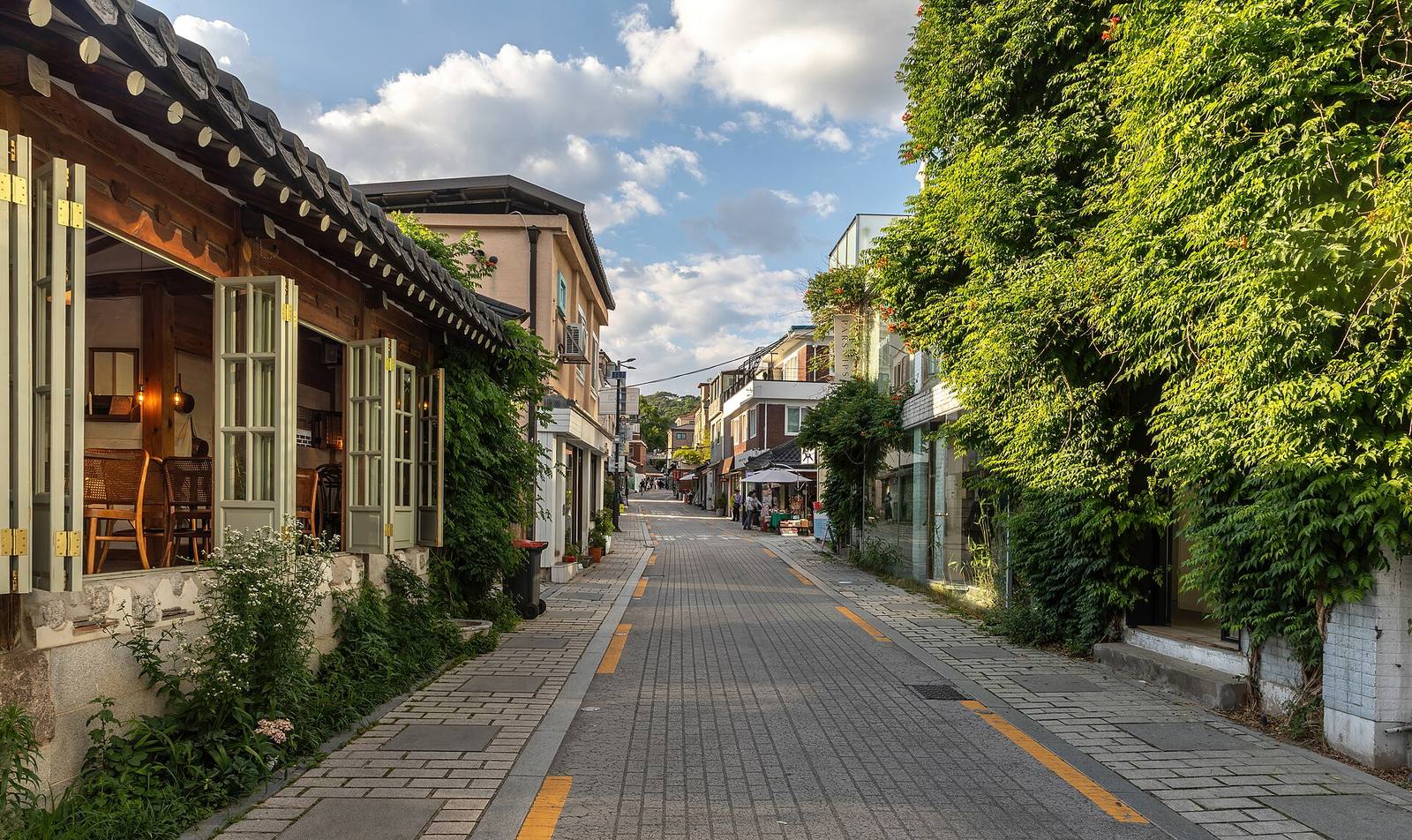
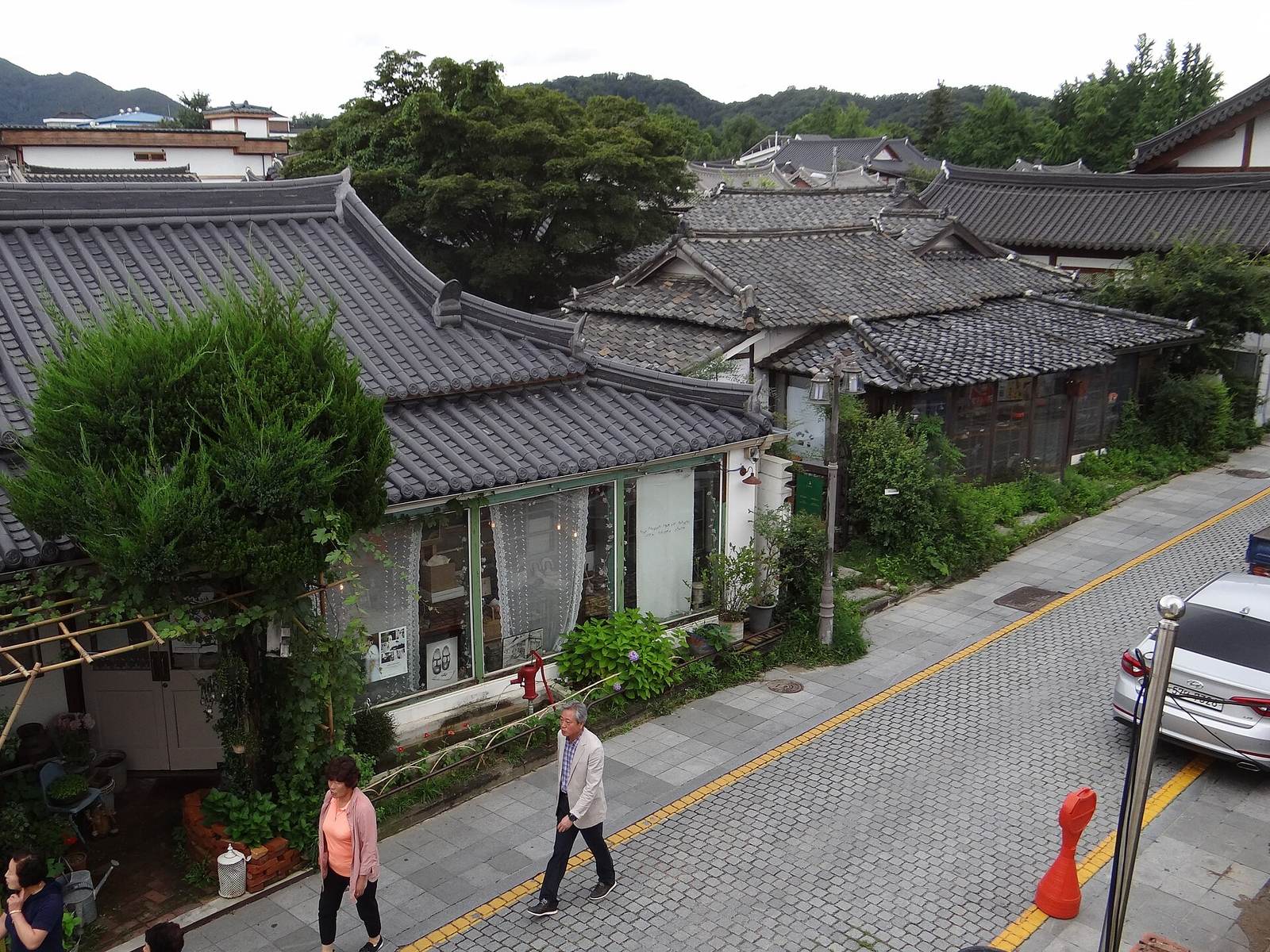
Jeonju Hanok Village is a living neighbourhood of more than seven hundred traditional houses, many now guesthouses, tea rooms, craft workshops and restaurants. Walk the side lanes away from the main street for a calmer feel. Gyeonggijeon Shrine holds a portrait of King Taejo, founder of the Joseon dynasty, and the archive where the Annals of the Joseon Dynasty were kept safe during the Japanese invasions of the 1590s. Jeondong Cathedral, a red brick Romanesque church from the early twentieth century, stands at the edge of the village, and Omokdae hill gives views over the rooftops.
Food
Jeonju bibimbap is served in a brass bowl with beef tartare, bean sprouts and a raw egg yolk, with many small side dishes. Kongnamul gukbap, bean sprout soup with rice, is the classic hangover breakfast. Jeonju is also famous for its makgeolli alleys, where ordering a kettle of rice wine brings a table full of free side dishes that keep coming as you order more. Nambu Market has a lively night market on weekend evenings and a youth mall of small cafés and stalls on its upper floor. Try choco pie from PNB, a local bakery, as a souvenir.
Crafts and culture
Jeonju has made hanji, traditional mulberry paper, for centuries, and you can try paper making and fan painting at workshops in the village. The Jeonju Traditional Wine Museum explains Korean rice liquors. The Jeonju International Film Festival, one of Asia's main independent film festivals, takes over the city each spring, and the Jeonju Bibimbap Festival is held in autumn.
Beyond the village
Jaman Mural Village is a hillside of painted houses and small cafés just across the stream. Deokjin Park has a huge lotus pond that blooms in July and August. Further afield, Maisan, a pair of horse ear shaped peaks with a temple of stacked stone towers, makes a good half day trip.
Getting there and around
KTX trains from Yongsan Station in Seoul reach Jeonju in about an hour and a half; express buses are a cheaper option. From Jeonju Station, take a city bus or taxi to the hanok village. Once there, everything is walkable.
Where to stay
Book a hanok guesthouse in the village for the full experience: sleeping on mats on a warm floor is part of the fun. Ask about beds if you need one, since many rooms are floor only. Larger hotels are in the newer parts of town.
Tips for your visit
Arrive on a weekday if you can, as weekends bring big crowds to the main street of the hanok village. Hanbok rental shops line the lanes, and wearing one makes for lovely photos around Gyeonggijeon and the cathedral. Restaurants on the side streets are often better value than those on the main road. Combine Jeonju with Gwangju or the bamboo forests of Damyang if you are heading further south.
Questions about Jeonju
Is Jeonju worth an overnight stay?
Yes. Day trippers fill the main street from late morning, so staying in a hanok guesthouse lets you see the village quiet at dawn and enjoy the makgeolli alleys in the evening.
How do I get to Jeonju from Seoul?
Take the KTX from Yongsan Station, about an hour and a half, or an express bus from Seoul's Central City terminal.
What should I eat in Jeonju?
Jeonju bibimbap, kongnamul gukbap for breakfast, a makgeolli set with side dishes, and street food at Nambu Market on weekend nights.
Do hanok guesthouses have beds?
Many rooms have thin mattresses on a heated floor in the traditional way. Some have beds; ask when booking if you need one.
Facts checked . Fees, schedules and entry rules change, so always confirm the latest with the official source.