The capital
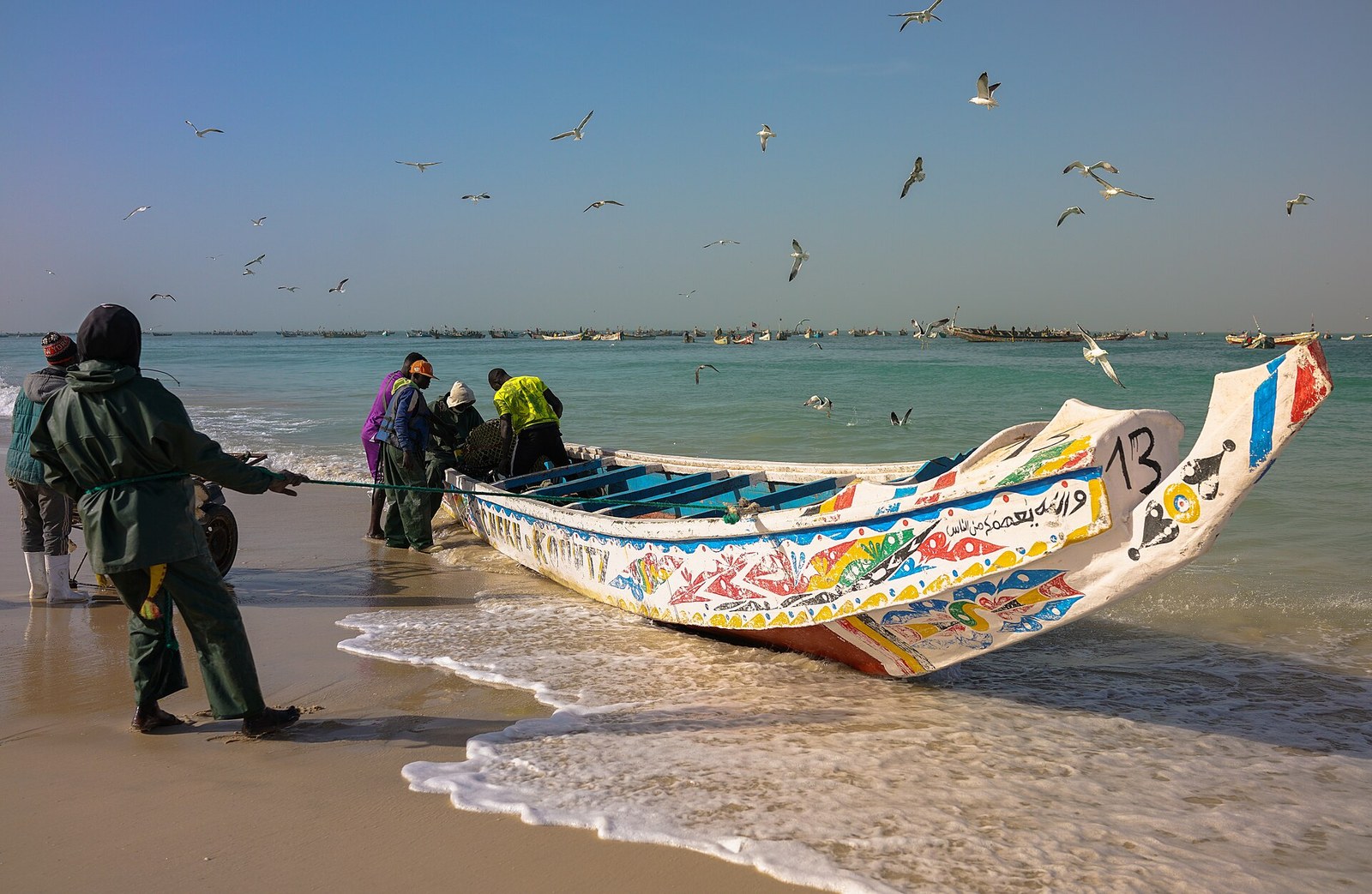
Almost every trip starts in Nouakchott, a young, sprawling city built on the sand by the Atlantic. Its fish market at sunset is one of the great sights of West Africa, and it is the place to sort cash, SIM cards and guides before heading out.
The coast
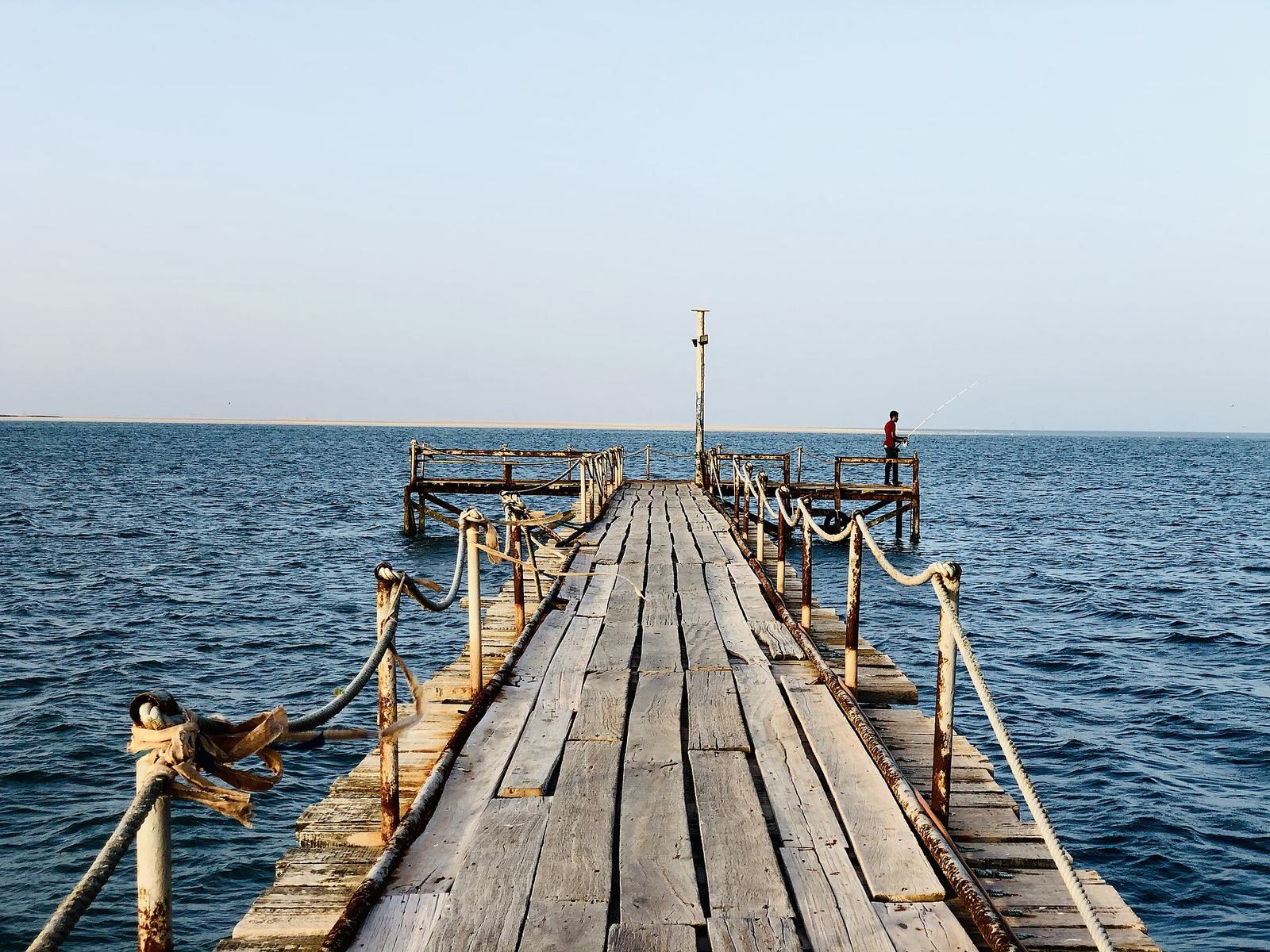
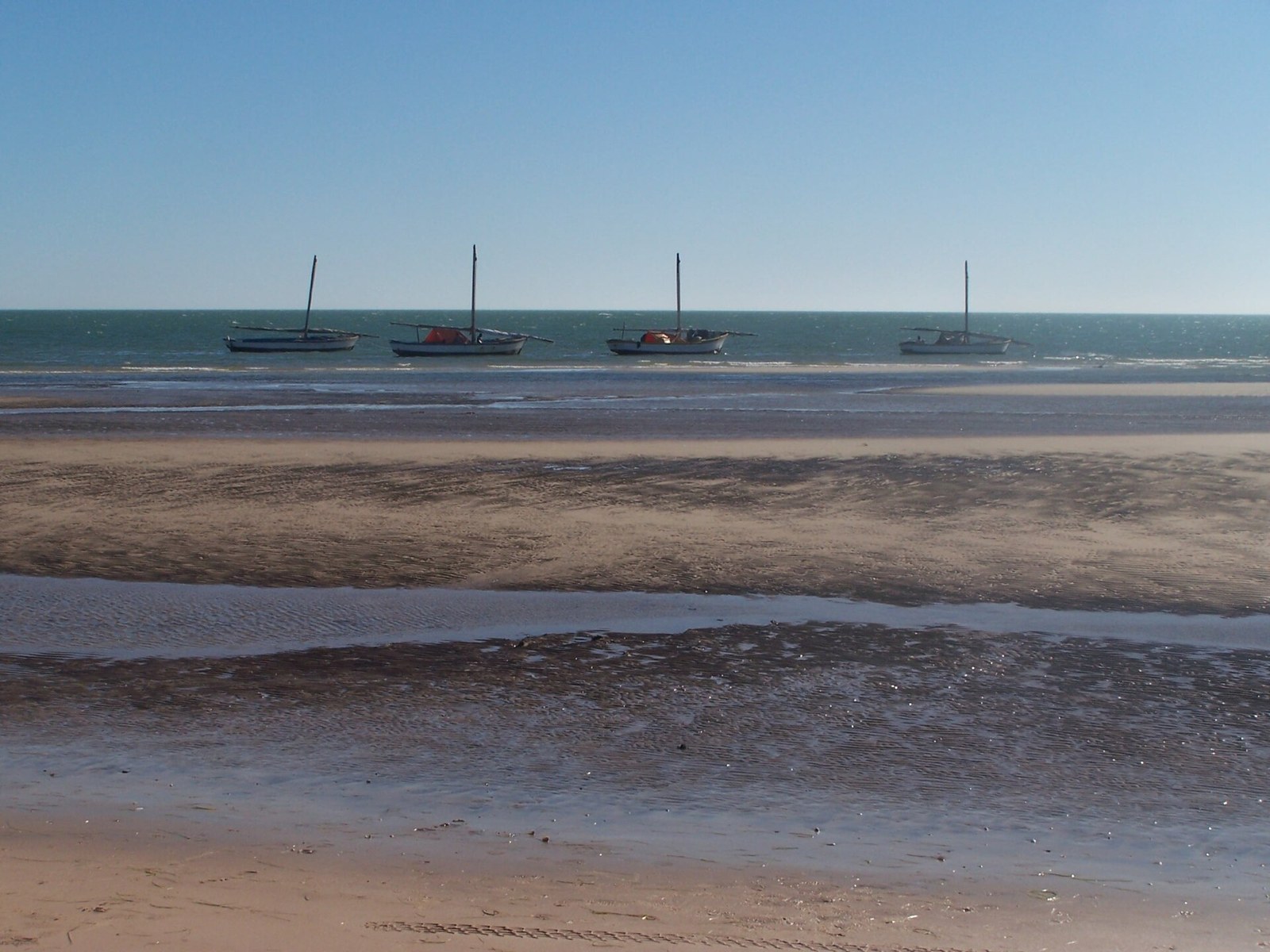
Nouadhibou, on a long peninsula in the far north west, is the country's fishing and iron ore port, with a famous ship graveyard and a colony of rare monk seals at Cap Blanc. Between the two cities lies the Banc d'Arguin National Park, a UNESCO World Heritage Site where millions of birds spend the winter and Imraguen fishermen still sail traditional boats.
The Adrar
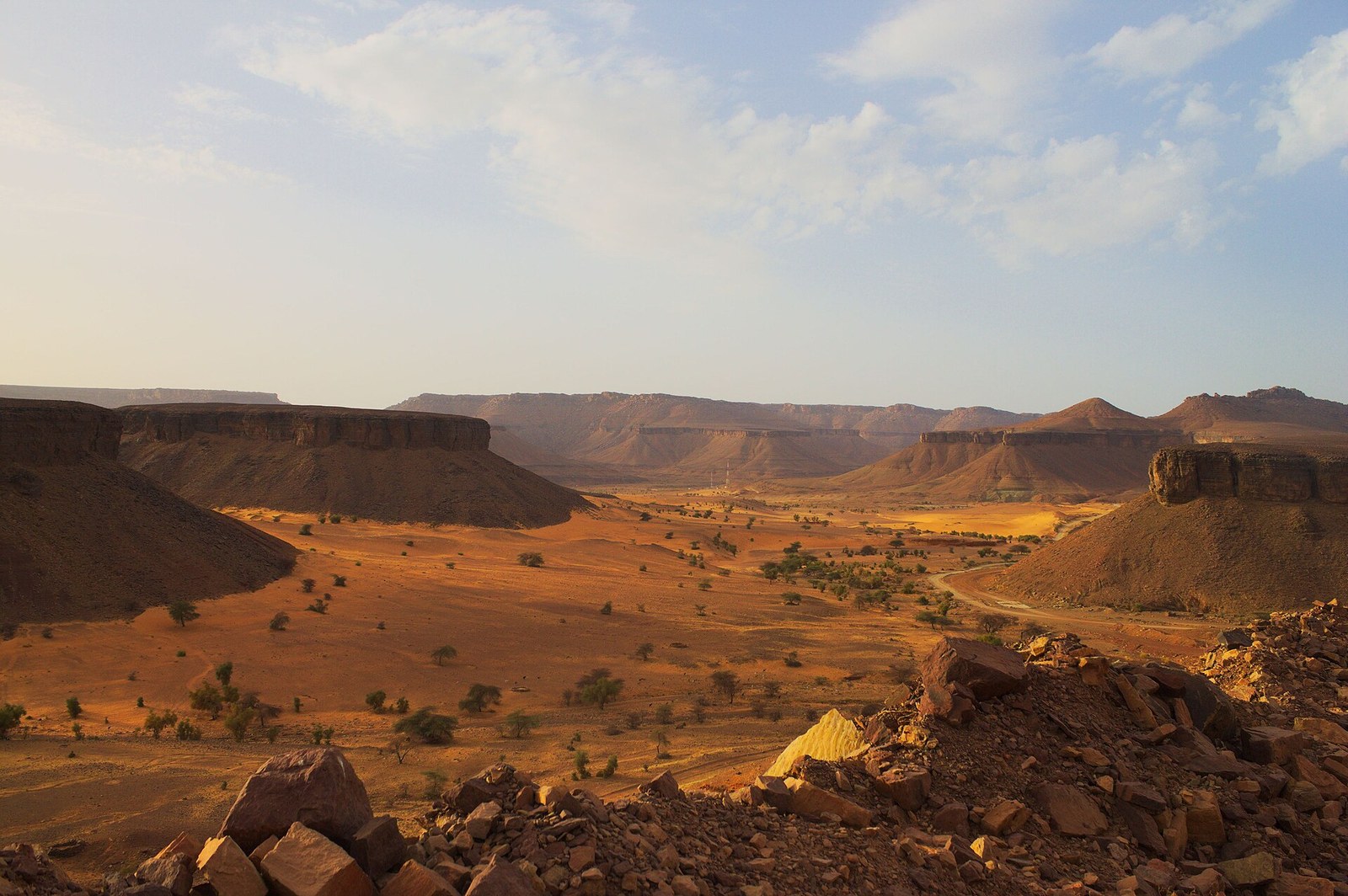
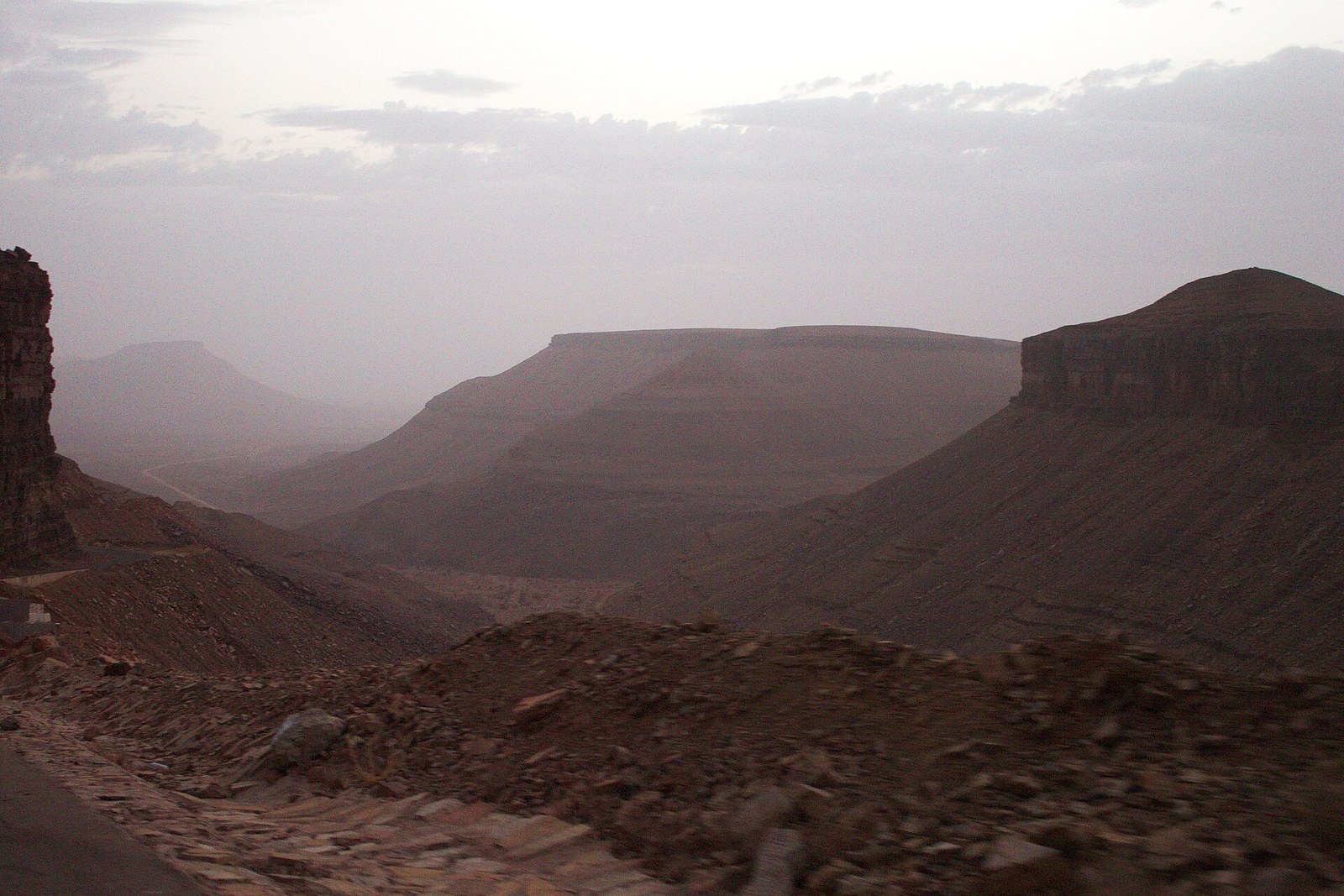
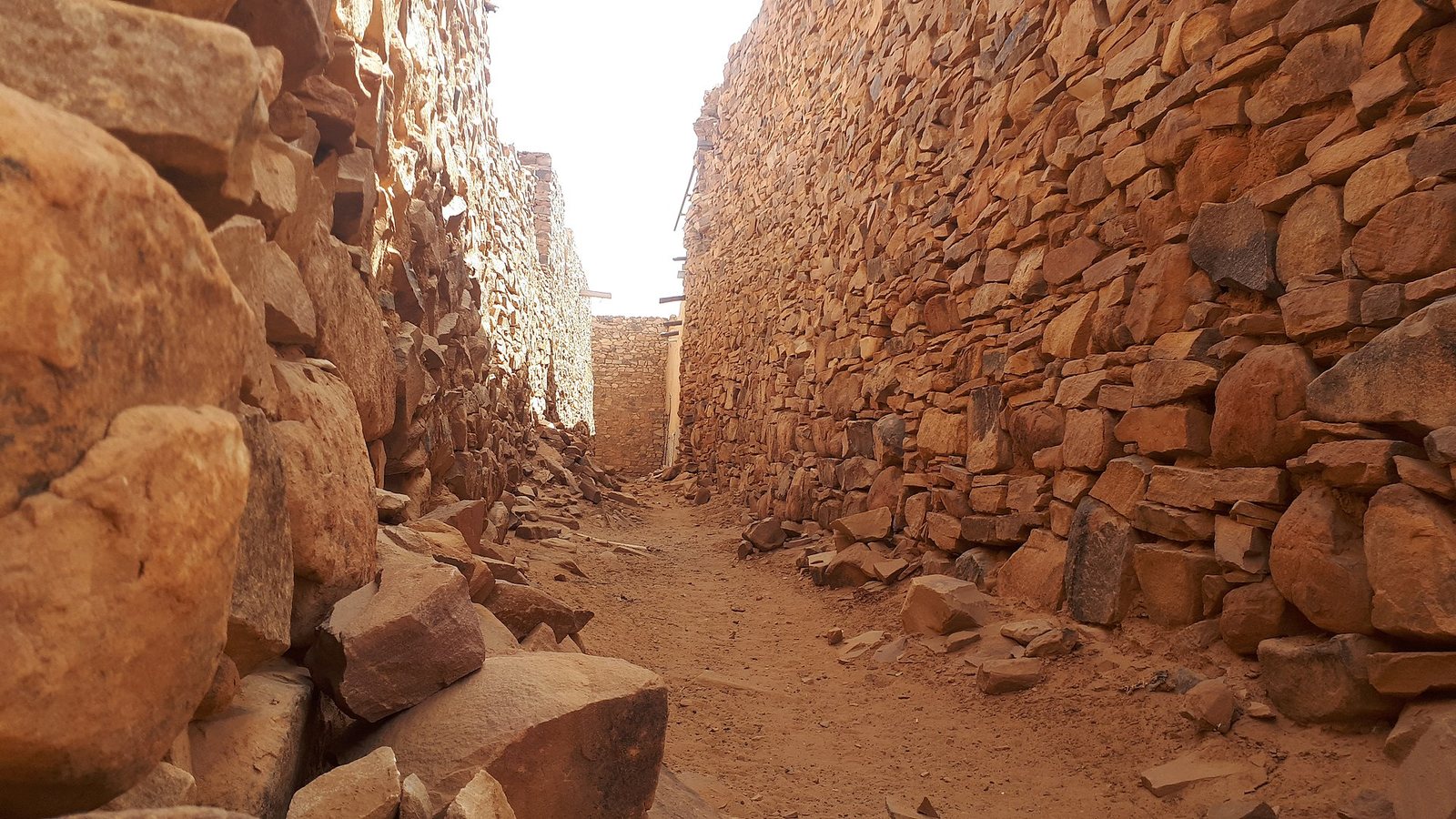
Inland, the Atar and the Adrar region is the heart of desert travel: palm oases, rock art, canyons and dramatic passes. From Atar, roads climb to Chinguetti, the legendary caravan town with family manuscript libraries and dunes at its edge, and on to Ouadane, a hillside ruin city near the great rings of the Richat Structure.
Areas to leave out for now
Government travel advice warns against travel to large parts of eastern and northern Mauritania, including areas near the borders with Mali and Algeria, and some remote desert zones. Historic towns such as Oualata and Tichitt fall in or near warning areas. Check the latest advice before you plan, as it can change.
How to combine them
A classic first trip pairs two nights in Nouakchott with a few days on the Banc d'Arguin and Nouadhibou, or with a week in the Adrar from Atar. In the cool season, some charter flights from France fly straight to Atar. Shape your own route with our free trip planner, and browse markets, oases and stays on places to visit.