At a glance
- Best for
- Fish market, markets, beach and trip logistics
- Gateway
- Nouakchott Oumtounsy International Airport (NKC)
- Time needed
- Two to three nights
- Best season
- November to March
- Language
- Hassaniya Arabic and French
- Getting around
- Taxis and hotel arranged drivers
Why Nouakchott is worth your time
Nouakchott was chosen as the capital just before independence, and built almost from scratch on the dunes between the Sahara and the Atlantic. Drought in the 1970s and 1980s brought nomadic families to the city in huge numbers, and today it mixes Moorish, Haalpulaar, Soninke and Wolof communities, plus West African and Arab traders. Most visitors spend two or three nights here, at the start and end of a trip, and the best of it fits easily into that time.
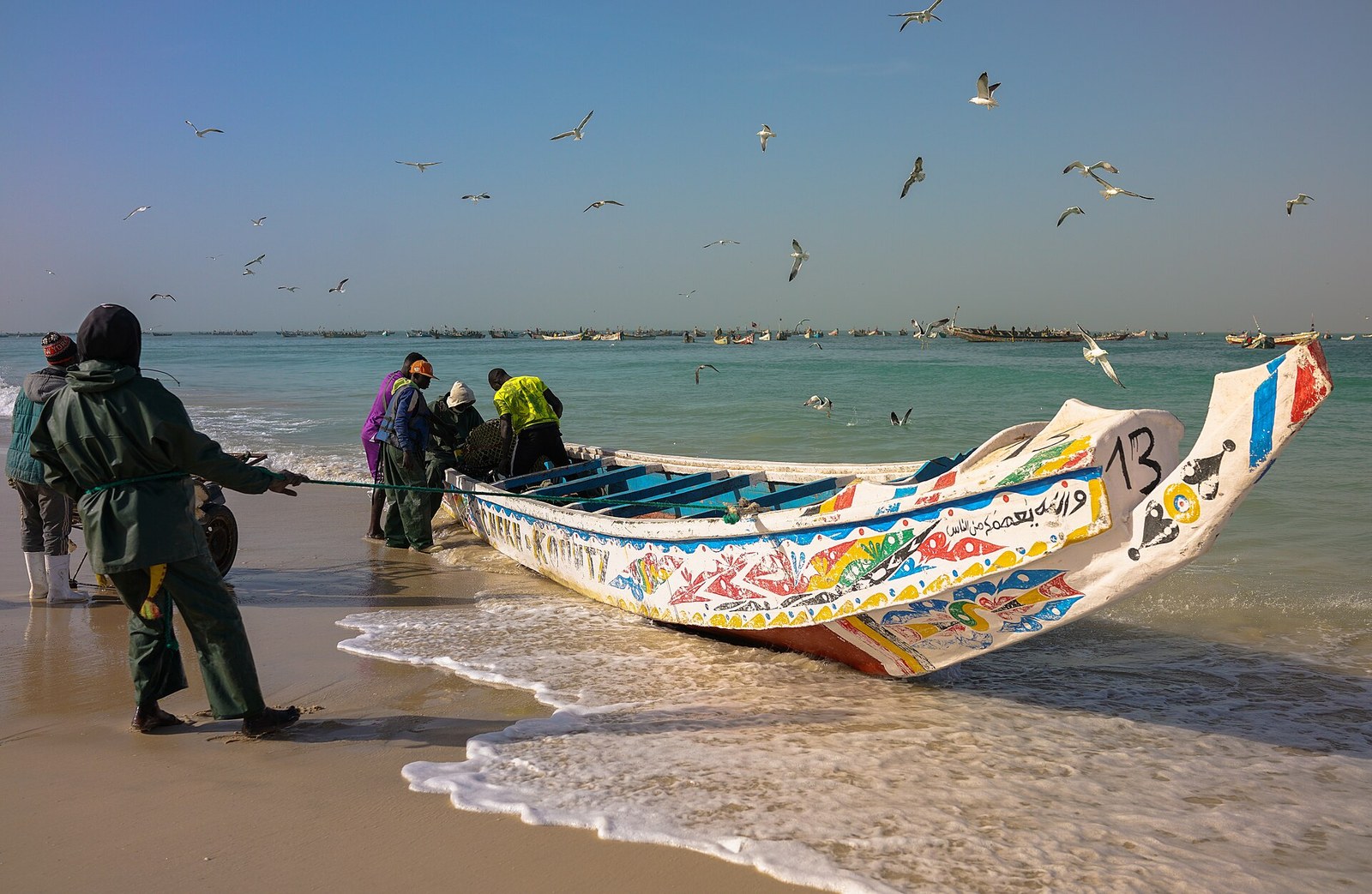
The Port de Pêche at sunset
The one thing not to miss is the fishing beach, the Port de Pêche, in the late afternoon. Hundreds of brightly painted wooden pirogues ride the surf onto the sand, men form chains to carry crates of fish up the beach, and buyers, porters and donkey carts crowd around. It is loud, chaotic and photogenic, though always ask before photographing people, and keep a hand on your bag in the crowds.
Markets and neighbourhoods
The Marché Capitale, near the centre, is the city's main market, good for fabric, silver jewellery, leather and spices. The Cinquième district to the south is even busier, with markets for melhfa veils, boubou robes and everyday goods. Tevragh Zeina, in the north west, is the embassy and upmarket district, with most of the better hotels, restaurants and cafés. The Ksar is the oldest quarter, the original settlement before the modern city was laid out.
Culture and landmarks
The Musée National gives a good introduction to the country's prehistory, archaeology and nomadic culture before you head to the Adrar. The Saudi Mosque and the Moroccan Mosque are the city's best-known mosques; non-Muslims normally admire them from outside. The Institut Français runs concerts, film nights and exhibitions, and is a good place to hear traditional Moorish music played on the tidinit lute and ardin harp.
The beach and the dunes
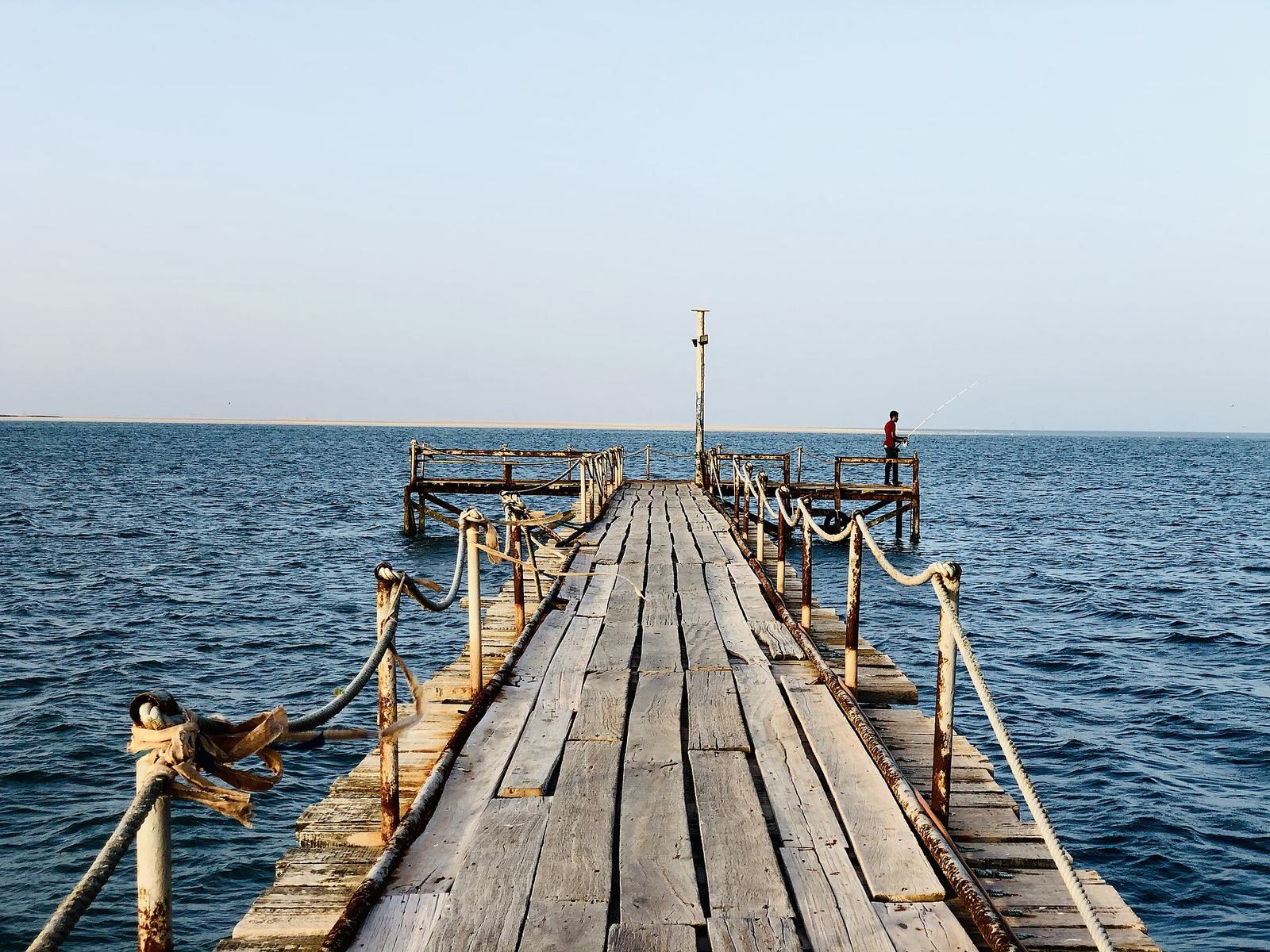
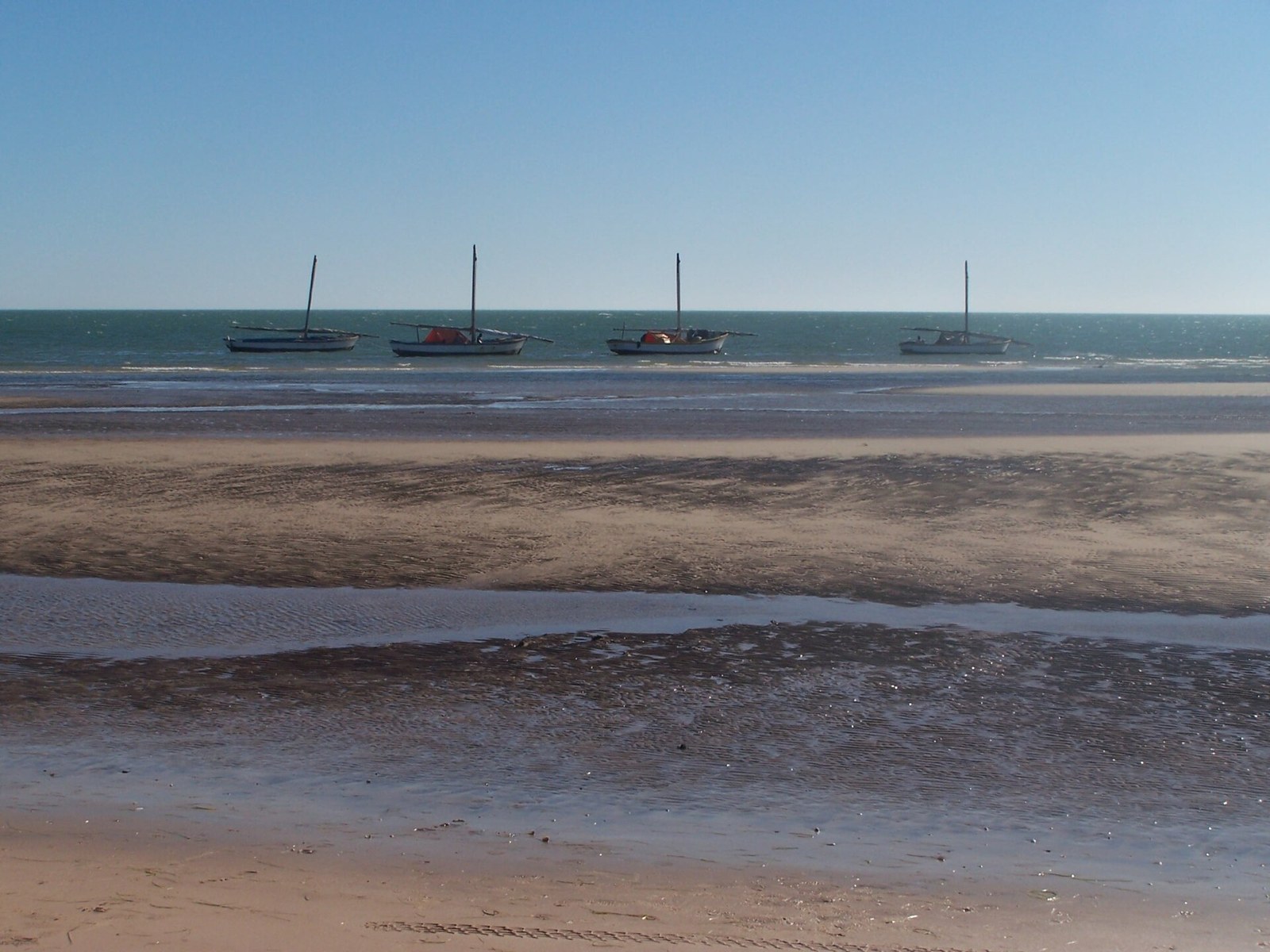
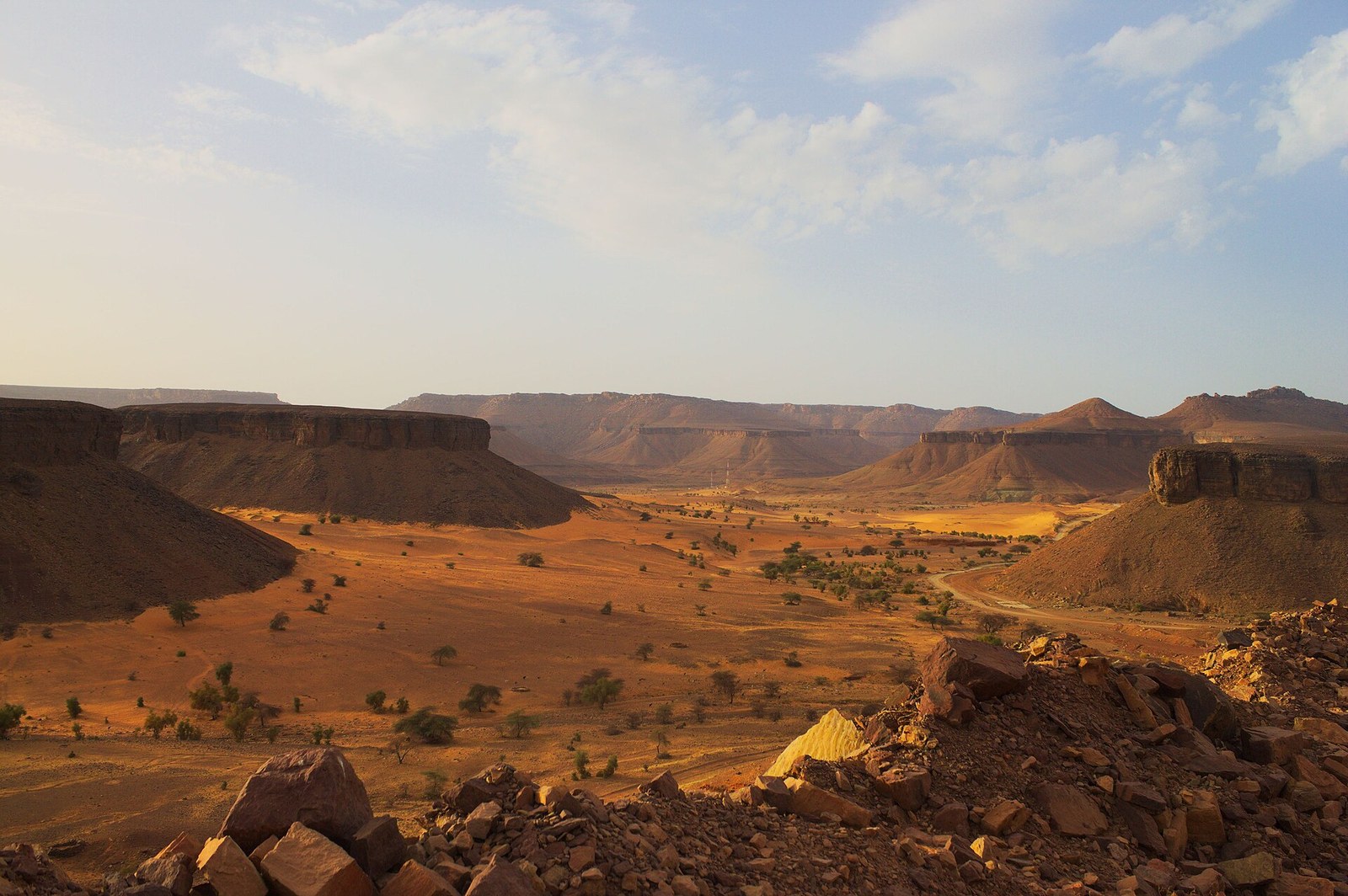
The Atlantic shore runs the whole length of the city. Beaches are wide and sandy, but currents are strong, so many locals prefer to walk rather than swim. In the evenings families gather on the sand and along the beach road. Dunes begin on the edge of the city, and a short trip out of town gives a first taste of the Sahara.
Food
Thieboudienne, fish and rice cooked in a tomato sauce, is the everyday dish, alongside grilled fish, couscous, méchoui lamb and camel meat. Mint tea, served in three glasses of rising sweetness, accompanies every visit. Alcohol is not sold openly. Fresh juices of bissap, baobab and mango take its place.
Where to stay
Most visitors stay in Tevragh Zeina or the centre, close to restaurants and offices. Choose from business hotels with pools and good security, mid-range hotels and a few traveller guesthouses favoured by overlanders crossing the Sahara.
Getting around and staying safe
Taxis are cheap and plentiful; agree the fare before you get in, or ask your hotel to arrange a trusted driver. Petty theft happens in crowded markets and on the beach, so carry little and keep valuables out of sight. Avoid walking alone at night, dress modestly and follow your government's travel advice, which also covers demonstrations. Plan the next stage of your trip with our free trip planner.
Questions about Nouakchott
How many days should I spend in Nouakchott?
Two or three nights is enough for the fish market, the markets and the museum, with time to arrange cash and guides. Many travellers spend a final night here before flying home.
Can I swim at Nouakchott's beaches?
The beaches are beautiful but the currents are strong and there are few lifeguards. Paddle carefully or swim only where locals do, in calm conditions.
Which area is best to stay in?
Tevragh Zeina is the most comfortable base, with the best hotels, restaurants and cafés. The centre suits travellers who want to be near the markets and museum.
Is Nouakchott safe to walk around?
Daytime walks in central areas and Tevragh Zeina are generally fine. Take taxis after dark, watch for pickpockets in markets and check your government's latest advice.
Facts checked . Fees, schedules and entry rules change, so always confirm the latest with the official source.