At a glance
- Best for
- Coastline, monk seals, seafood and the iron ore train
- Gateway
- Nouadhibou International Airport (NDB)
- Time needed
- Two to three nights
- Best season
- October to April
- From Nouakchott
- About a day by road on the coastal highway
- Getting around
- Taxis and guided trips
Why Nouadhibou is worth your time
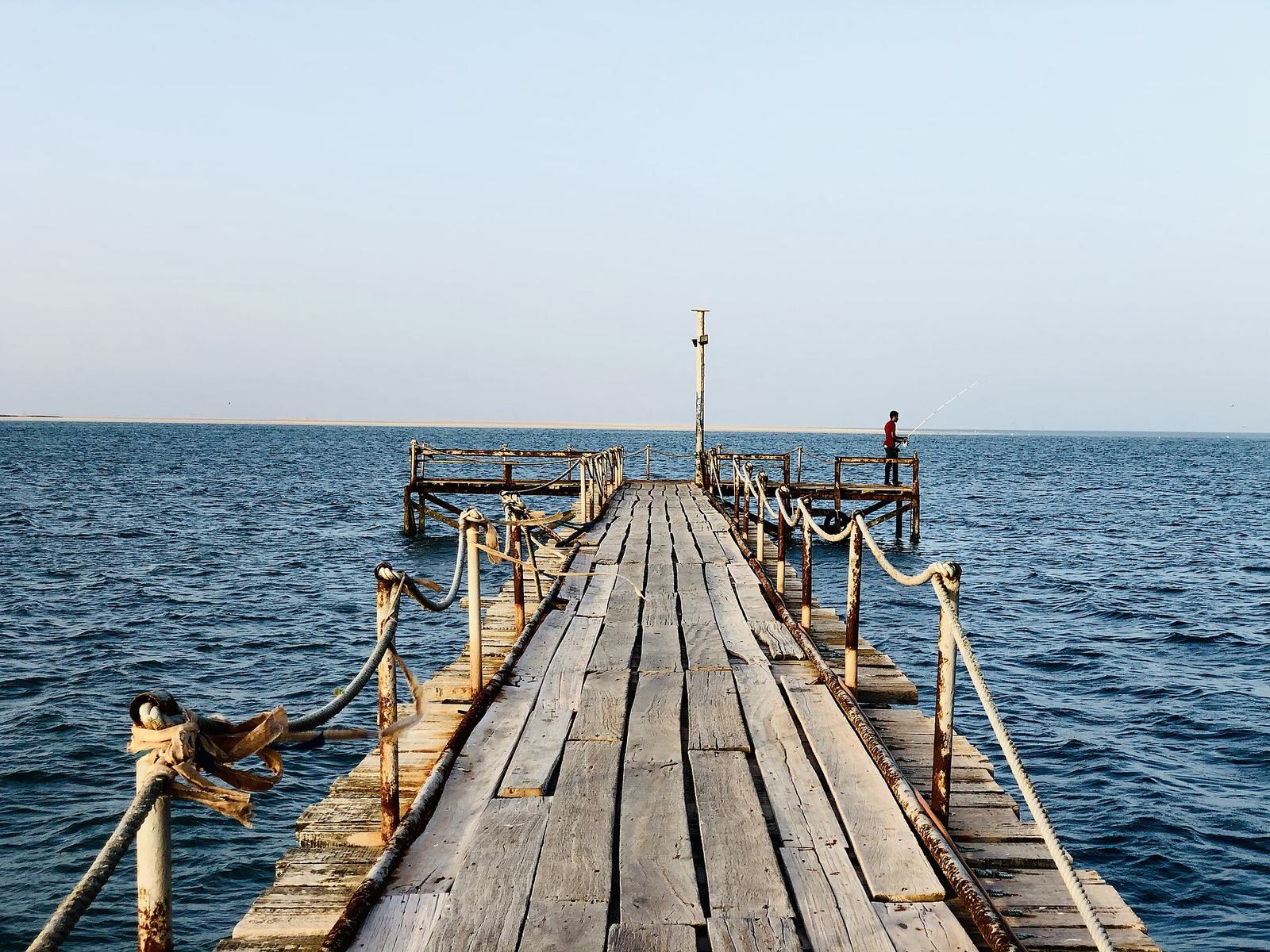
The cold waters off Nouadhibou are some of the richest fishing grounds in the world, and the city is shaped by the sea. Boats from across West Africa crowd the port, sea breezes keep the temperature milder than the interior, and the long, thin peninsula ends in the cliffs and beaches of Cap Blanc. For overland travellers it is also the first Mauritanian city after the border with Western Sahara.
Cap Blanc and the monk seals
At the tip of the peninsula, the Cap Blanc reserve protects one of the largest remaining colonies of the Mediterranean monk seal, one of the most endangered marine mammals on earth. The seals live in caves at the base of the cliffs, and a viewing area lets visitors look down on the coast. Sightings are not guaranteed, but the wild coastline alone repays the trip.
The ship graveyard
The Baie du Lévrier has long been home to one of the largest ship graveyards in the world, with rusting trawlers and cargo ships left in the shallows. Some have been removed in recent years, but the remaining hulls still make a haunting sight, especially in late light. Ask locally or with a guide about the best and safest viewpoints.
The iron ore train
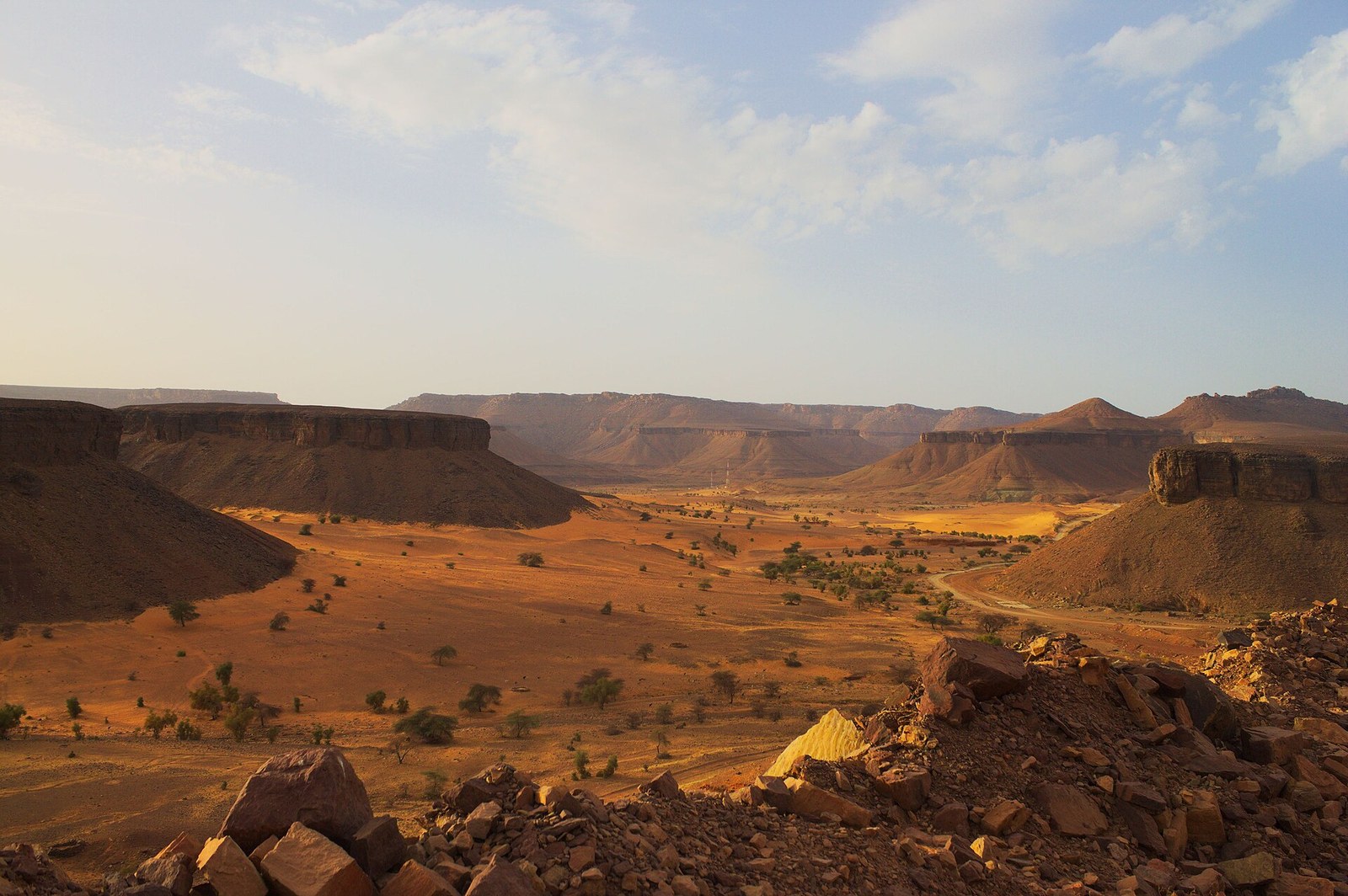
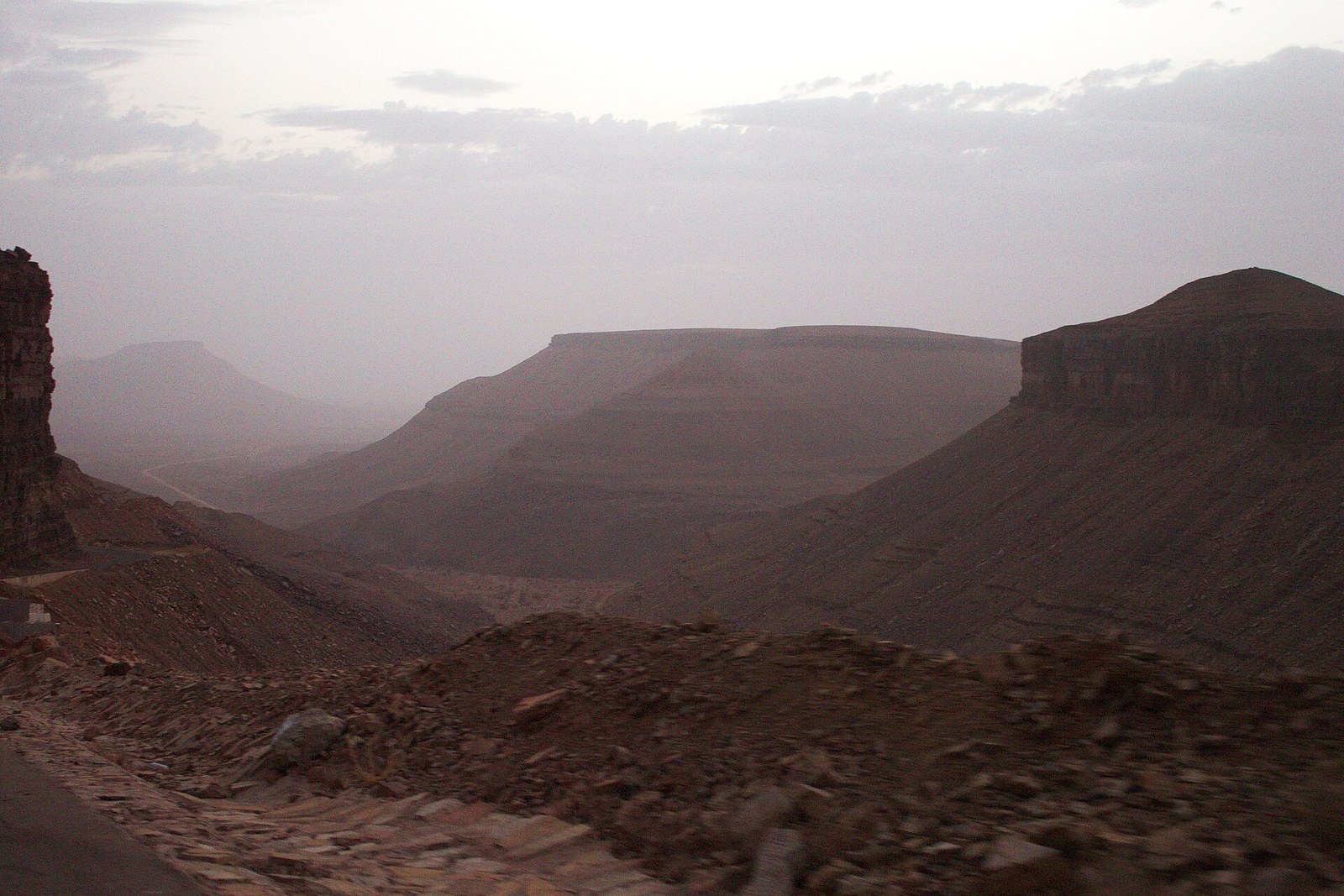
Nouadhibou is the coastal end of the railway that carries iron ore from the mines at Zouérat, one of the longest and heaviest trains in the world, often more than two kilometres long. Watching it arrive is memorable. Some adventurous travellers ride it inland to Choum or Zouérat, either in the basic passenger carriage or, unofficially, on top of the ore wagons. It is a hard, dusty journey and not one to take lightly. Check current travel advice for the interior before considering it.
The port and the markets
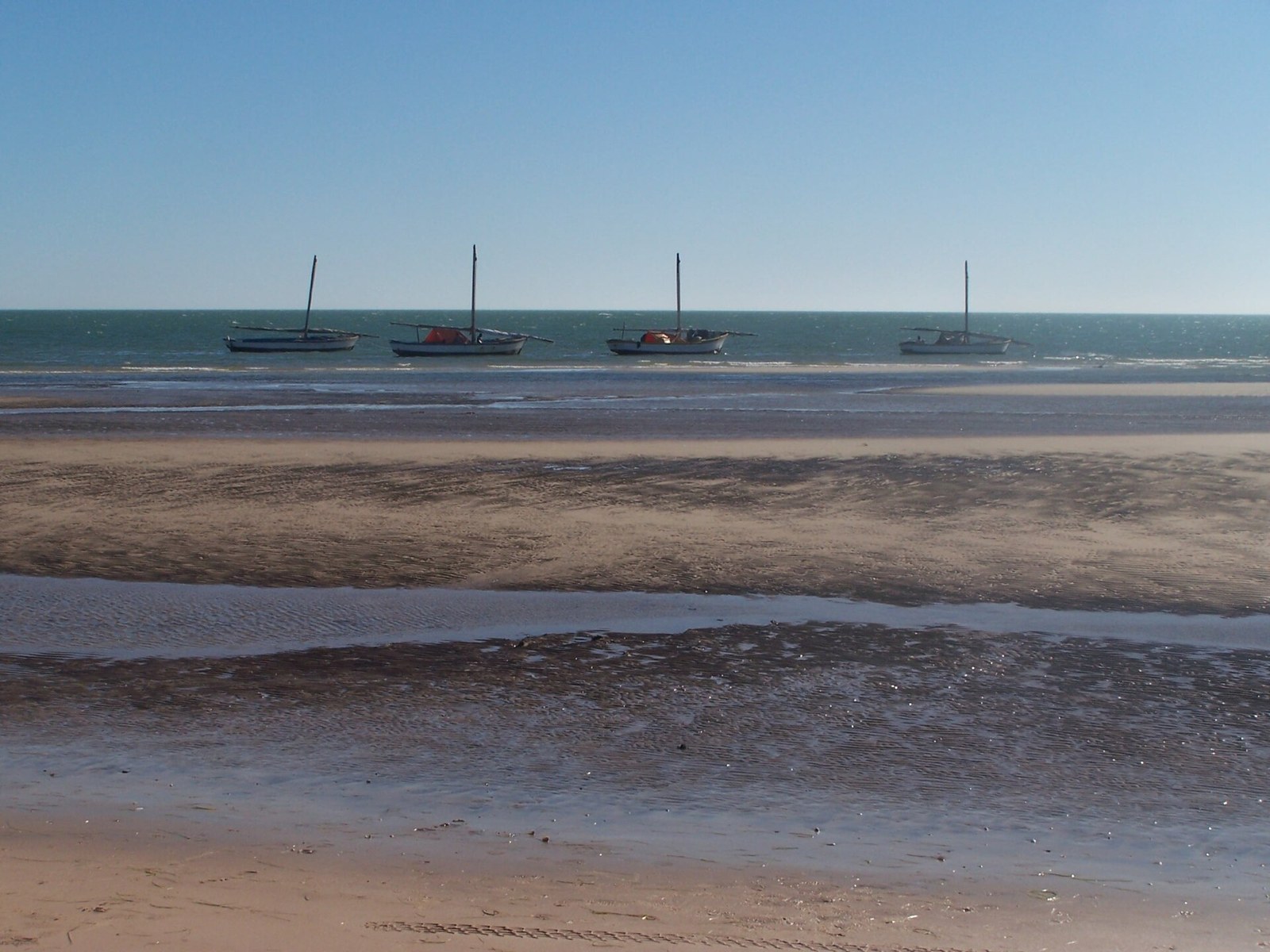
The artisanal fishing port is busy and colourful in the morning and late afternoon, as pirogues land octopus, fish and prawns. The central market sells fabric, spices and fresh produce. A large West African community gives the city a lively mix of languages, food and music.
Food
Seafood is the reason to eat well here: grilled fish, octopus and prawns in simple local restaurants, Senegalese canteens serving thieboudienne and yassa, and a few places with a Spanish or Mediterranean touch from the days when Canary Island fishermen were frequent visitors.
Where to stay
The city has a handful of mid-range hotels in the centre and a long-running overlander campsite and guesthouse. Standards are simple, so set expectations accordingly and book ahead in busy periods.
Getting there and staying safe
Nouadhibou has a domestic airport with flights from Nouakchott, and a good paved highway runs along the coast between the two cities, passing the edge of the Banc d'Arguin. Police checkpoints are common on the road, so keep copies of your passport handy. The city is generally calm, but follow your government's advice and avoid the mined border strip with Western Sahara, where travellers should only cross on the official road. See the Banc d'Arguin for a natural next stop.
Questions about Nouadhibou
Can I see the monk seals at Cap Blanc?
Often, from the viewing area above the caves, but sightings are not guaranteed. Go with a local guide and check the reserve's current opening arrangements.
Is it safe to ride the iron ore train?
It is a tough, dusty and uncomfortable journey through the desert, and riding on the wagons is unofficial. Check your government's advice for the interior and travel with someone experienced if you go.
How do I get from Nouakchott to Nouadhibou?
By domestic flight or by the paved coastal highway, which takes most of a day by car or bus with stops at checkpoints.
Is Nouadhibou worth visiting?
Yes, if you enjoy wild coastlines, wildlife and working ports. It is less polished than the capital, but its scenery and seafood make it a highlight for many travellers.
Facts checked . Fees, schedules and entry rules change, so always confirm the latest with the official source.