The capital
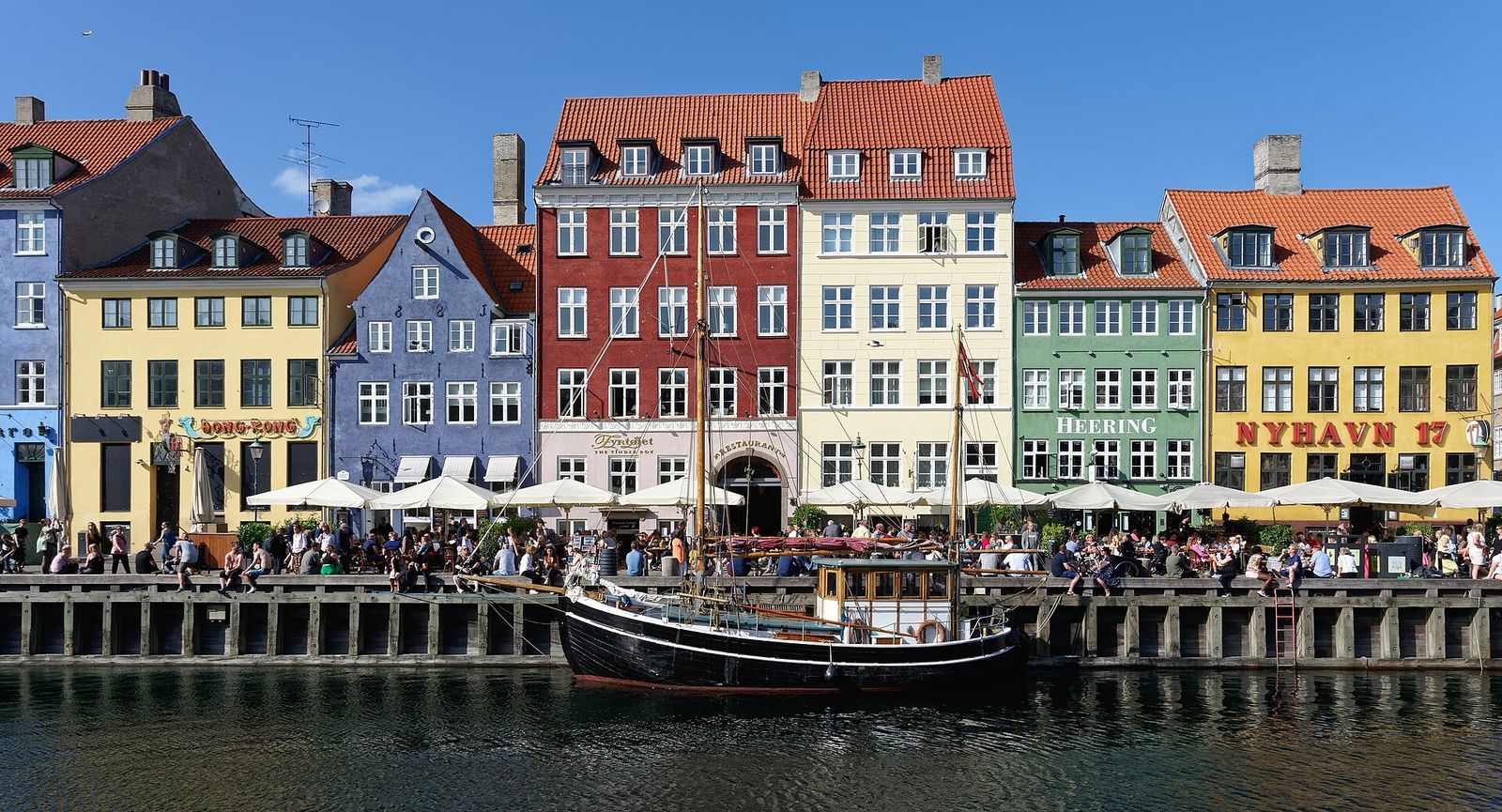
Almost every trip begins in Copenhagen, a harbour city of colourful quays, royal palaces, design shops, bakeries and clean water you can swim in. Give it at least three nights. It is also the base for easy day trips up the coast to Louisiana and Kronborg Castle, and west to the Viking Ship Museum in Roskilde.
The island of Funen
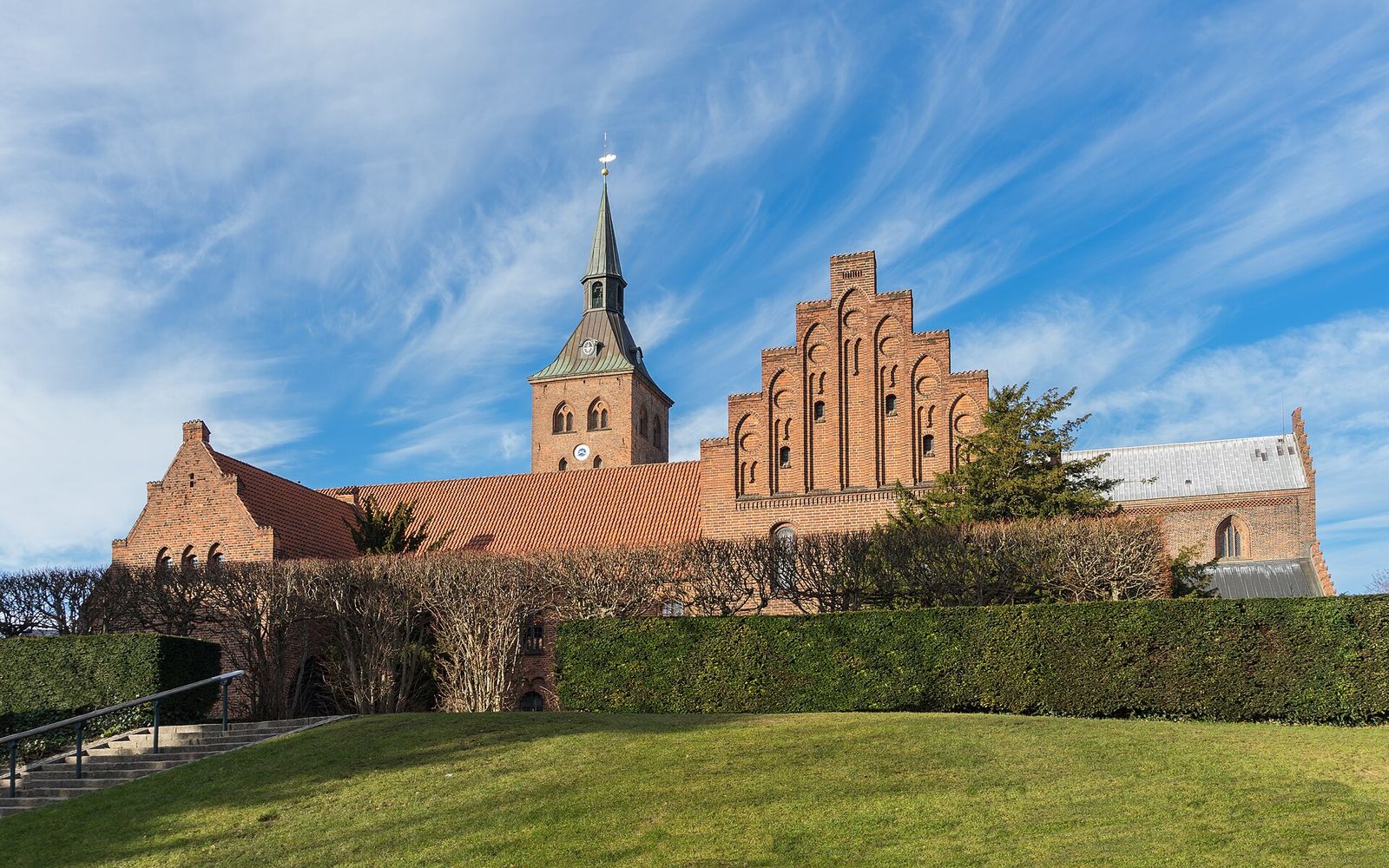
Halfway across the country, Odense and Funen bring you to the childhood home of Hans Christian Andersen, a fairy tale museum, cobbled lanes and the manor houses, apple orchards and island ferries of the south Funen archipelago. Odense is under ninety minutes by train from Copenhagen, so it works as a stop on the way to Jutland.
Jutland's big city
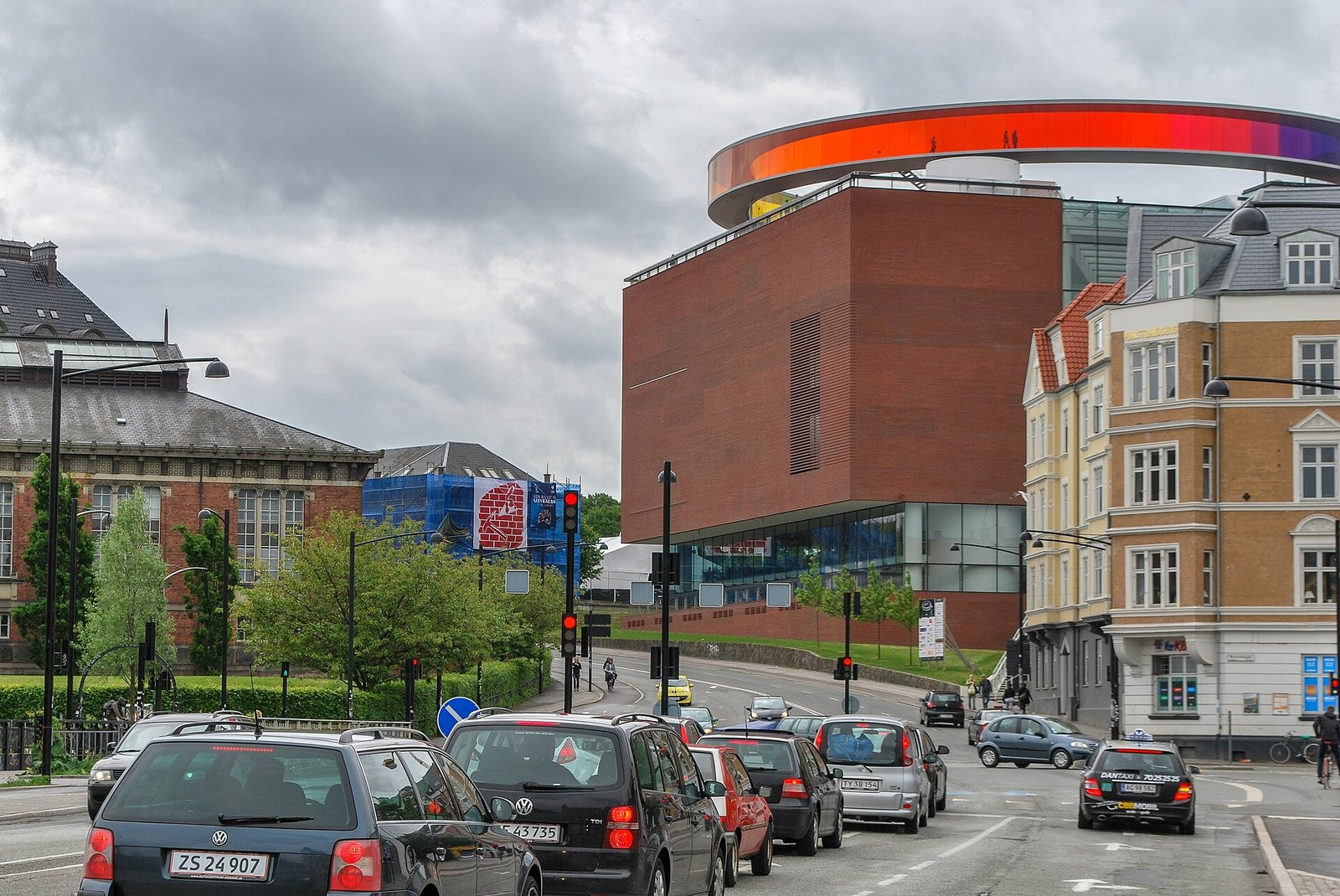
Aarhus is Denmark's second city: young, creative and easy to love, with the rainbow panorama on top of the ARoS art museum, the open air old town of Den Gamle By, a lively harbour front and beaches and forest right on the edge of town. It is a good base for Legoland and the Lego House in Billund, and for the Moesgaard Museum.
The top of Denmark
Skagen sits at the very northern tip of Jutland, where the North Sea and the Baltic meet at the sandbar of Grenen. Painters came for its famous light, and today visitors come for the yellow houses, the buried church, the moving dune of Råbjerg Mile and long summer evenings by the harbour.
The sunshine island
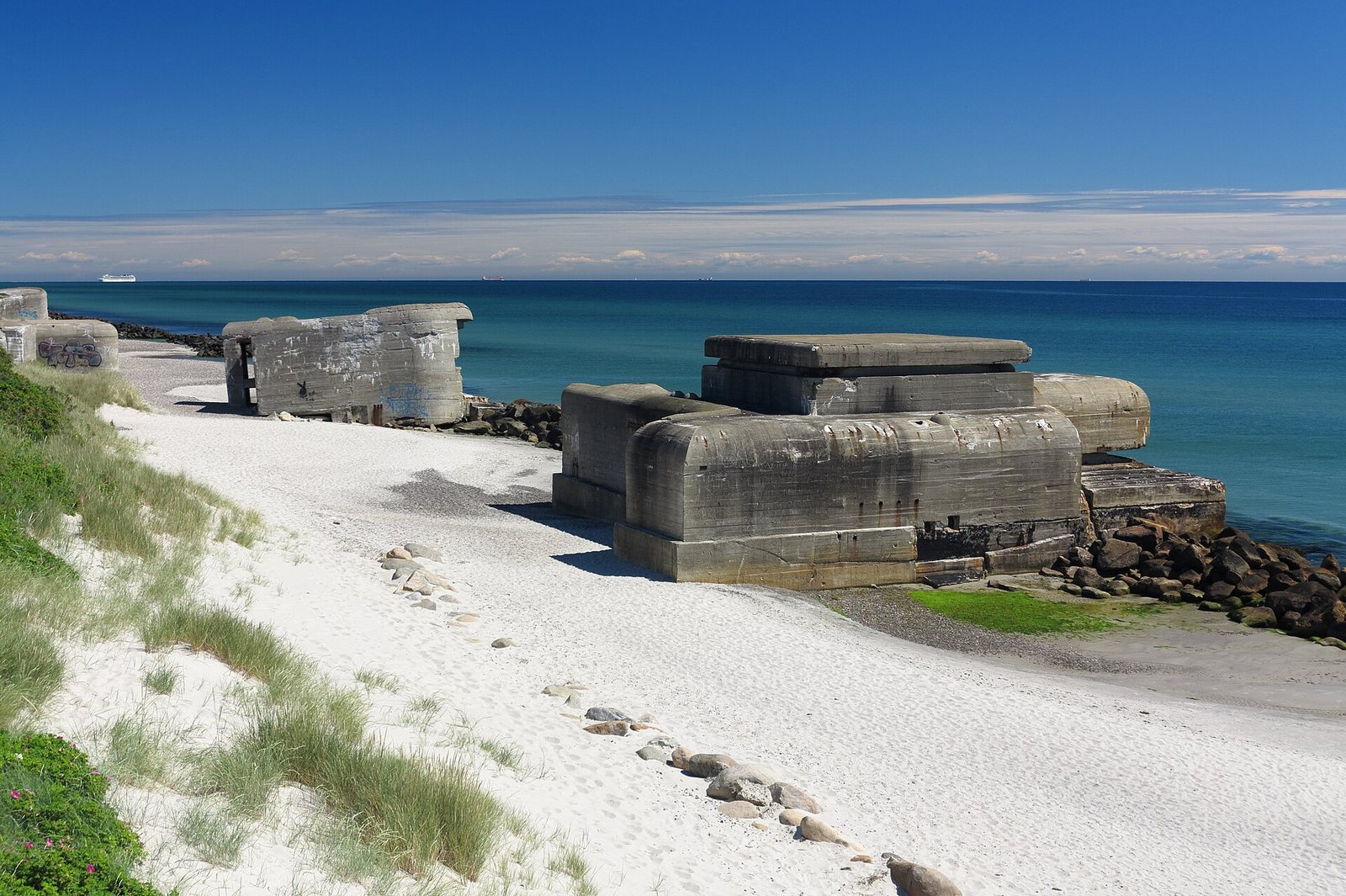
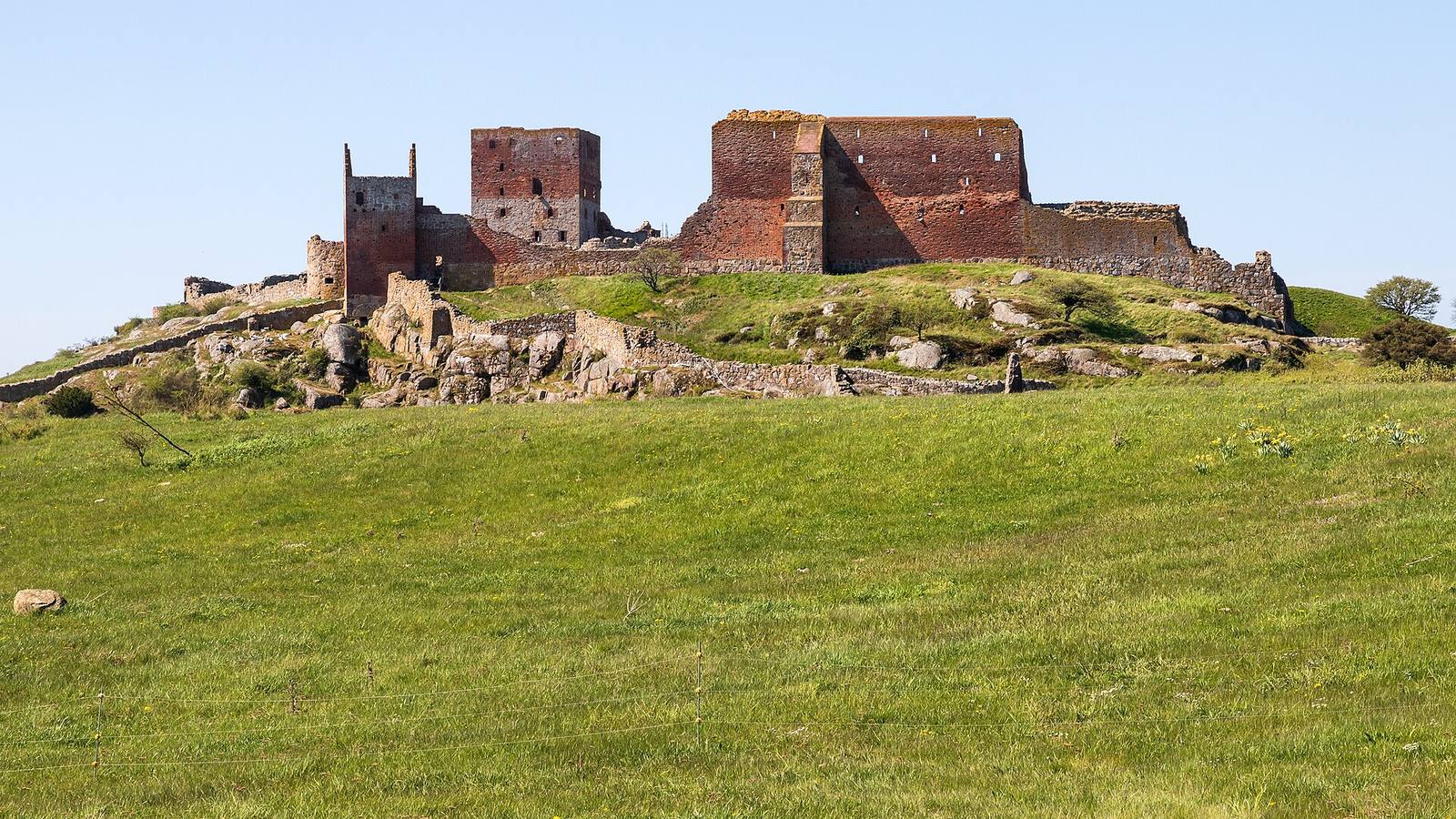
Bornholm lies far out in the Baltic Sea, closer to Sweden than to Copenhagen. It has granite cliffs, white sand beaches, round medieval churches, smokehouses and a strong craft and food scene. Reach it by ferry from Ystad in Sweden, with a train link from Copenhagen, or by a short flight.
How to combine them
A classic ten day route runs Copenhagen, Odense, Aarhus and Skagen by train, then back to Copenhagen. If you prefer islands and beaches, swap Skagen for Bornholm. Use our places to visit list to fill your days, and the free trip planner to shape the route.