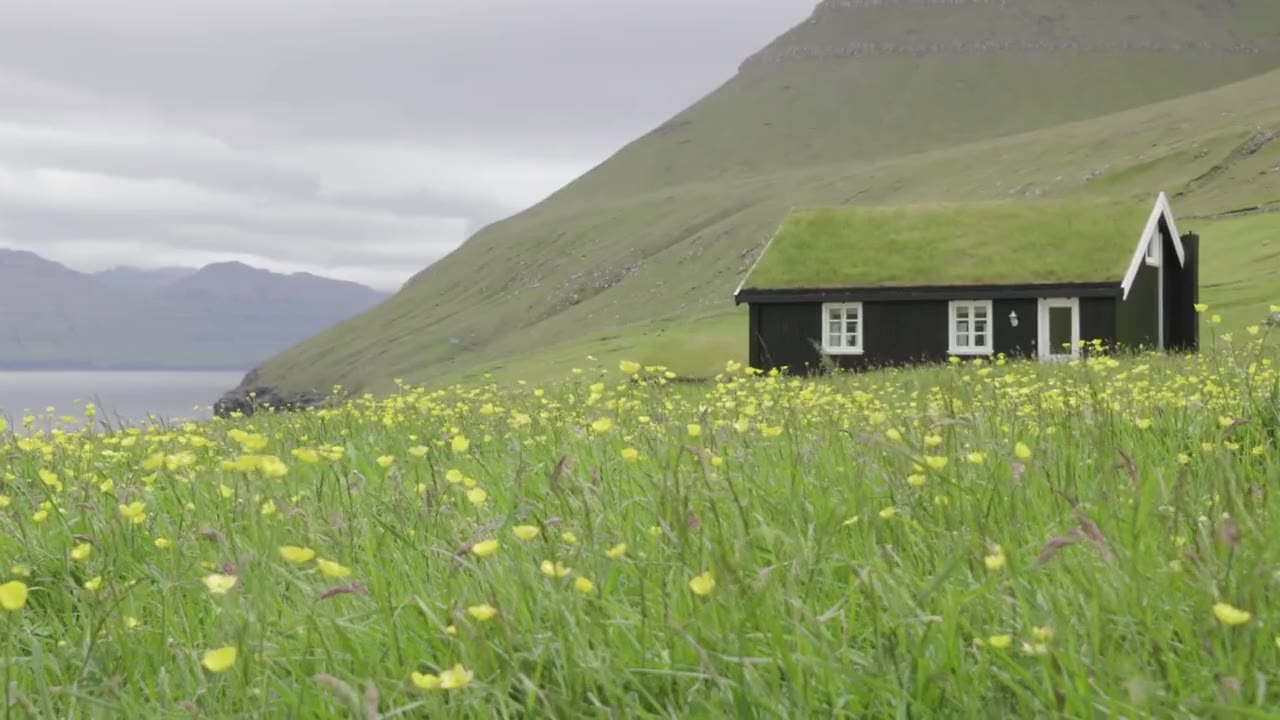
Faroe Islands, Faroe Islands (Denmark)Video: Danny Rest, CC BY 3.0, via Wikimedia Commons
Find your Bliss in Denmark
Denmark, made simple: bikes, beaches, design and the coziest cities in Europe
Denmark is a small, flat, friendly kingdom of harbour cities, thatched villages, long sandy coasts and more than four hundred islands. It is one of the safest and easiest countries in Europe to visit, but it is also known as expensive, cards rule almost everywhere and the bike lanes have their own rules. This guide takes the guesswork out so you travel with confidence.
Your trip, step by step
- Before you flySchengen entry, the new EU border checks, seasons and budgets, answered
- LandingCopenhagen Airport, the metro into town, cards and your first night, explained
- Your days in DenmarkHarbours, castles, beaches and trains, planned with care
- Home againDeparture tips so the last day is calm too
Where to go, eat and stay
- Plain answersClear, honest guidance on the questions first-timers actually ask.
- Official sourcesEntry, health and safety facts point you to the official pages to confirm.
- No price surprisesWe explain kroner, card payments, transport tickets, tipping and how to keep a pricey country affordable.
- Free to useEvery guide and the trip planner are free.
Our promise
Denmark should feel like hygge, not a worry. We answer the questions about entry, money, transport, cycling and costs before they start, so you arrive confident and ready to find your Bliss.
Coming back from Minnesota, Utah, Toronto or Sydney to see cousins in Jutland, or tracing an emigrant ancestor through the old church books? This guide was written with you in mind too.
How to use this guide
Four steps from first idea to a trip that feels easy.
- Choose your DenmarkCity breaks, castles, beaches, islands or cycling: start with the destinations that fit you.
- Sort the essentialsSchengen entry rules, the right season and current travel advice, checked against official sources.
- Pick your placesUse our places to visit list for cafés, bakeries, museums, markets, beaches and stays across the country.
- Plan your routeUse the free trip planner to link Copenhagen, Odense, Aarhus and the coasts by train at a relaxed pace.
Everything your Denmark trip needs
Free tools and guides for every stage of the journey.
Destinations
Copenhagen, Aarhus, Odense, Skagen and Bornholm, each explained in depth.
Explore destinationsPlaces to visit
More than a hundred cafés, bakeries, museums, beaches, markets and stays, from classics to hidden corners.
See places to visitFlights and stays
Search flights into Copenhagen, Billund and Aarhus and stays in every region.
Plan travelPlaces finder
Restaurants, sights and stays mapped around each base.
Find placesFree trip planner
Tell us your dates and interests and build a route that fits.
Plan your trip
The classic Denmark trip
Copenhagen, the castle coast, Hans Christian Andersen and the top of Jutland
Most first trips give Copenhagen three or four nights for Nyhavn, Tivoli, the palaces, the harbour baths and the food scene, with a day up the coast to Louisiana and Kronborg Castle. Then a fast train crosses Funen to Odense, the childhood town of Hans Christian Andersen, and on to Aarhus for ARoS and Den Gamle By. With more time, ride north to Skagen where two seas meet, or take the ferry to the rocky island of Bornholm. A week covers the classics; ten to twelve days adds the coasts at an easy pace.
- Nyhavn, Tivoli and a harbour swim in Copenhagen
- Louisiana and Kronborg on the Danish Riviera
- The rainbow walkway on ARoS in Aarhus
- Grenen at Skagen, where two seas meet
Start with the destinations
See how the capital, the cities of Jutland and Funen and the coasts fit together.
Denmark destinationsPlan with confidence
Your route, without the worry
Denmark rewards a little preparation: entry rules checked for your passport, a contactless card, the Rejsekort or a transport app for tickets, a plan for the bike lanes and a budget that leans on bakeries, food halls and free sights. Our free planner helps you shape it.
- Realistic train and ferry times between regions
- The right season for beaches, Christmas markets or the northern lights
- How to keep a famously pricey country affordable
Where to go in Denmark
From the harbour and palaces of Copenhagen and the art and old town of Aarhus to Andersen's Odense, the light and dunes of Skagen and the cliffs and round churches of Bornholm.
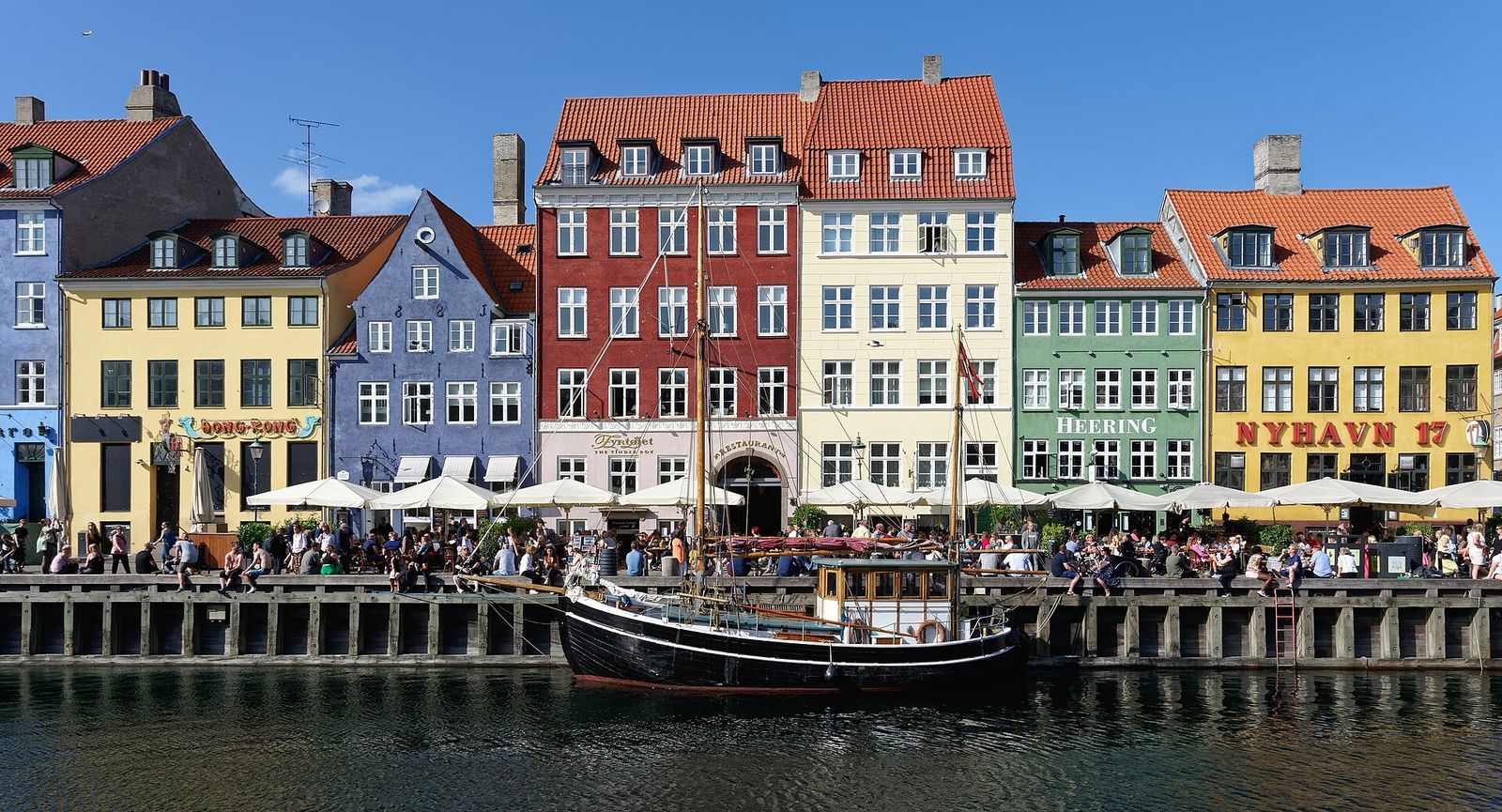
Capital Region
Copenhagen
A harbour capital of colourful quays, royal palaces, bikes, bakeries and clean water you can swim in, with some of the best food in Europe.
Read the guidePhoto: Jakub Hałun, CC BY-SA 4.0, via Wikimedia Commons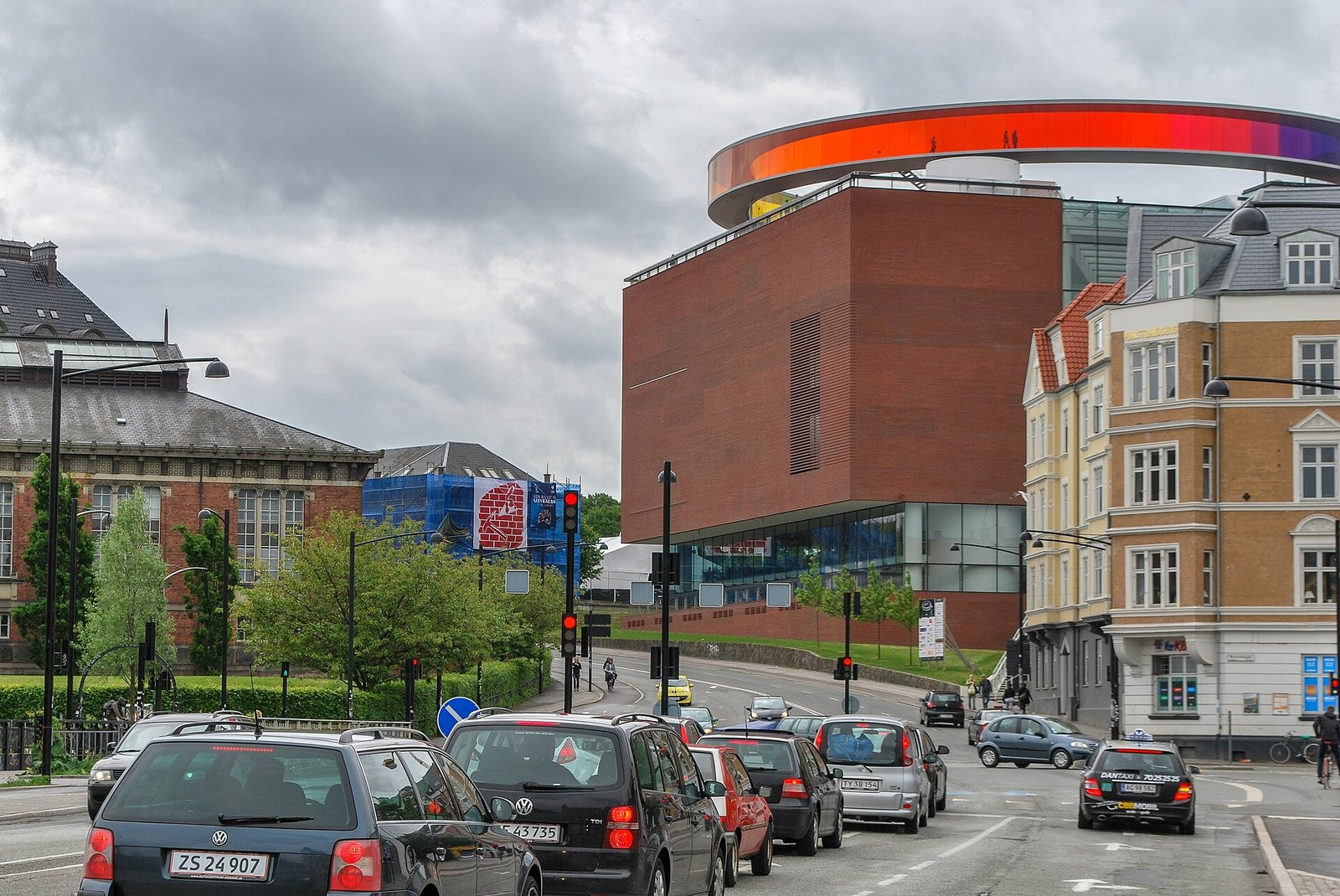
Central Jutland
Aarhus
A young, creative university city with a rainbow over its art museum, a living old town, a buzzing harbour and beaches and forest on its doorstep.
Read the guidePhoto: Gordon Leggett, CC BY-SA 4.0, via Wikimedia Commons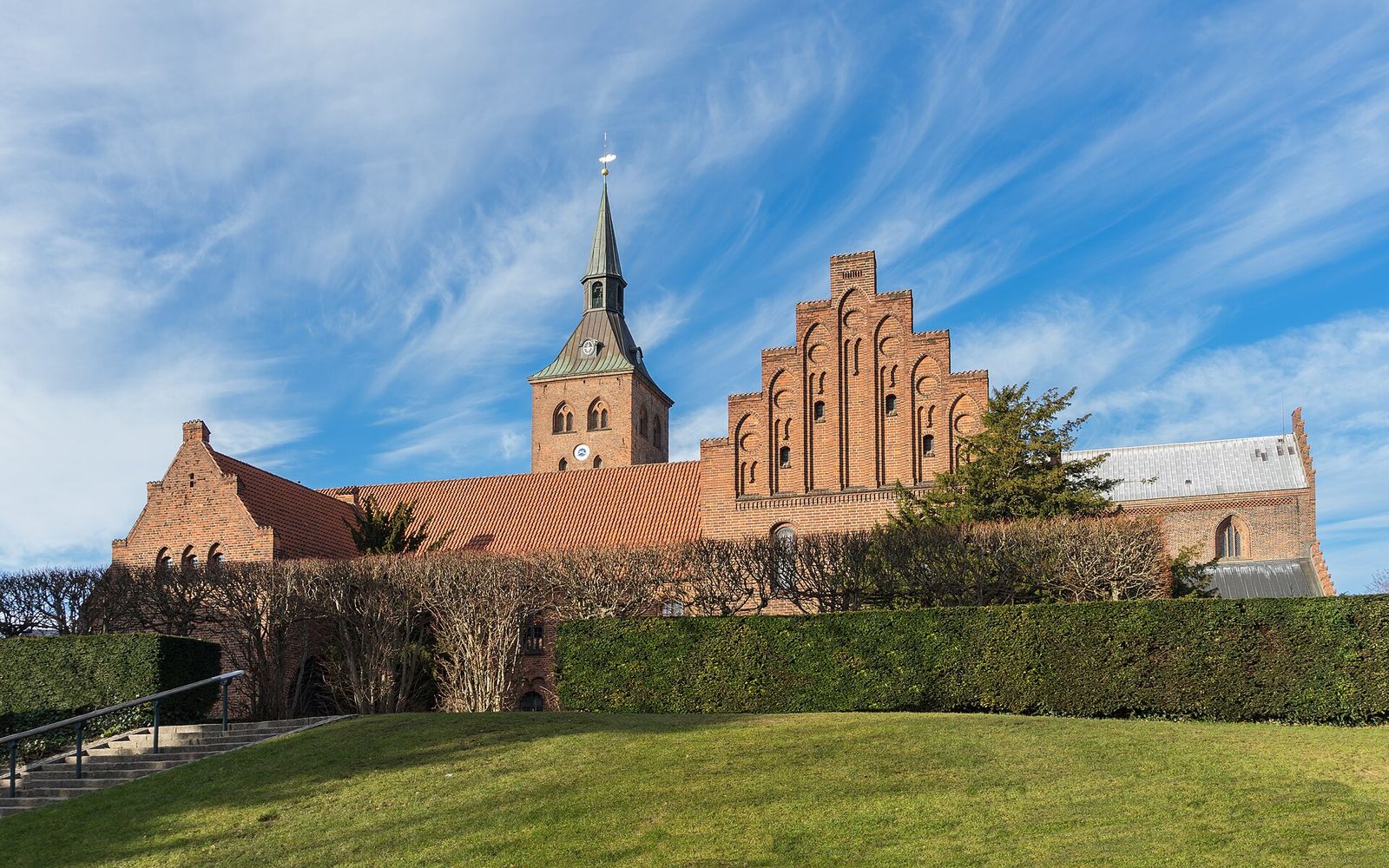
Southern Denmark
Odense and Funen
The fairy tale city of Hans Christian Andersen, at the heart of a green island of manor houses, orchards, harbour towns and small ferry islands.
Read the guidePhoto: Jebulon, CC0, via Wikimedia Commons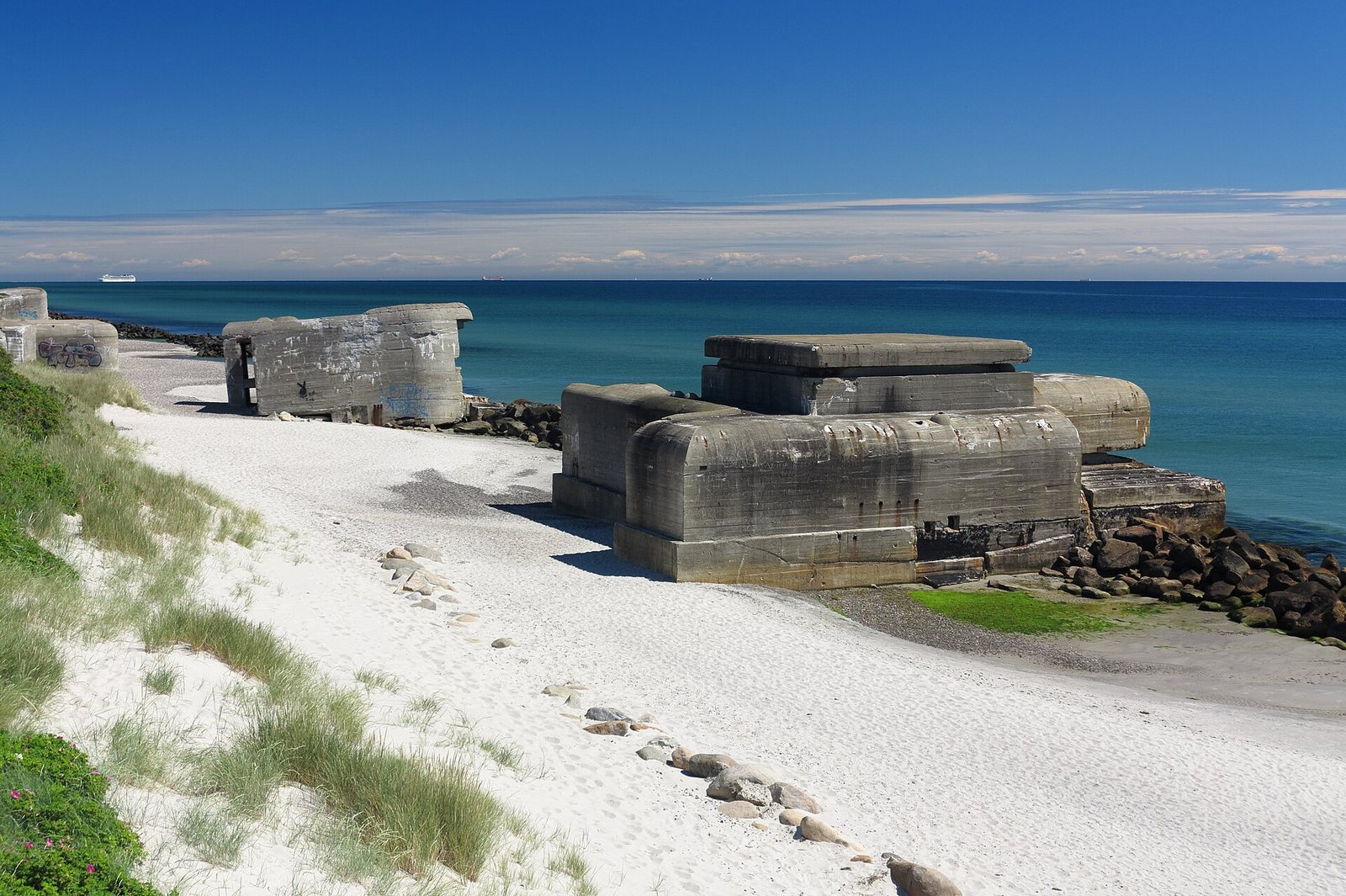
North Jutland
Skagen
The northern tip of Denmark, where two seas meet, painters chased the light and yellow houses, dunes and harbour seafood fill long summer days.
Read the guidePhoto: TeWeBs, CC BY-SA 4.0, via Wikimedia Commons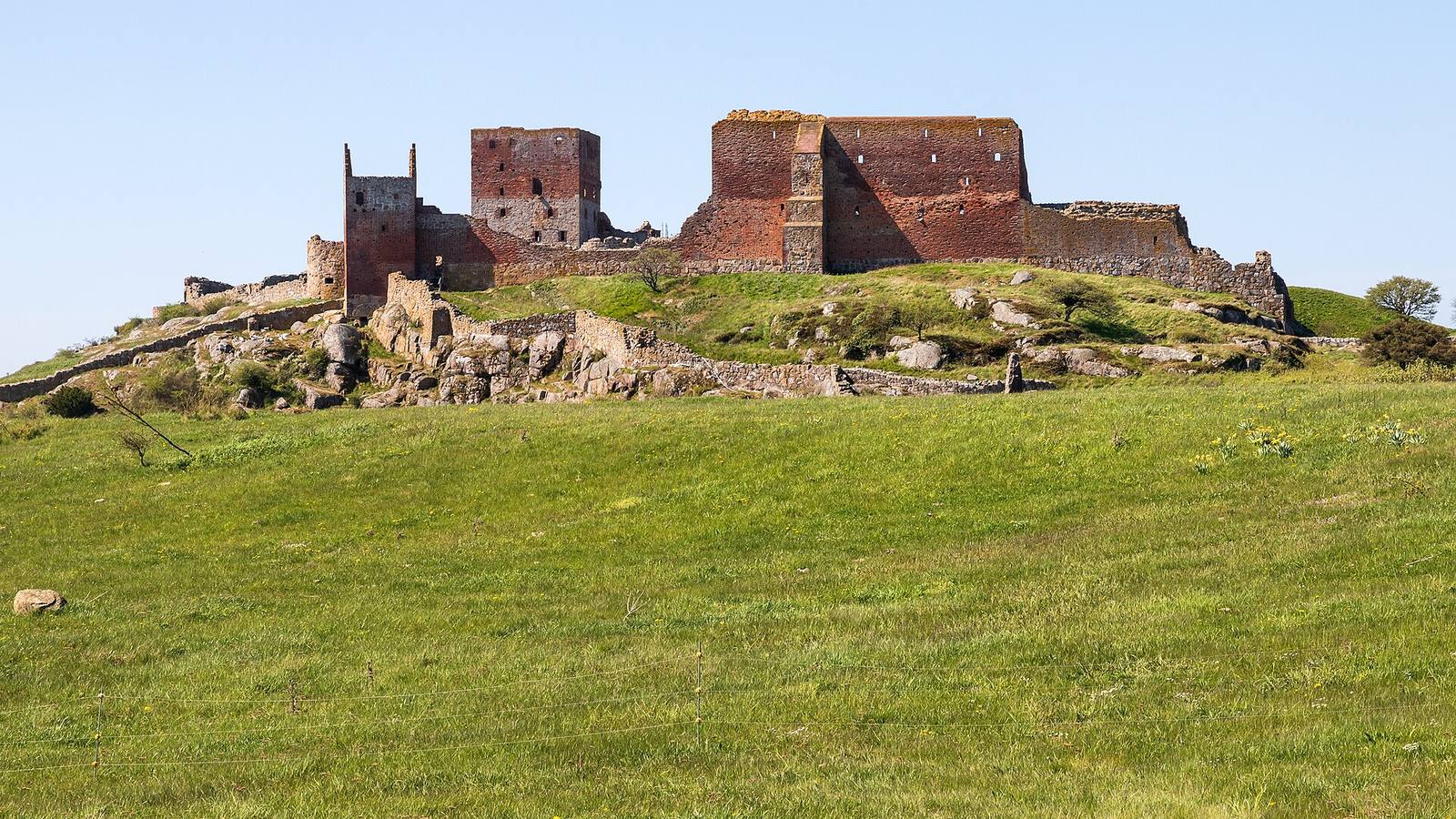
Capital Region
Bornholm
A rocky Baltic island of granite cliffs, white sand, round medieval churches, smokehouses and craft studios, with the sunniest weather in Denmark.
Read the guidePhoto: Unukorno, CC BY 4.0, via Wikimedia Commons
A note from our founder
A note from our founder
My first time visiting Kenya, I was genuinely surprised with how fast it began feeling like home. The people are so friendly, the food is delicious and familiar, and the accommodations are modern and upscale.
During my travels throughout the continent, I commonly hear tourists share stories about being scammed or taken advantage of, which is both frustrating and disheartening.
Living in Kenya for the last 2 years, I have had the great fortune to meet a network of wonderful Kenyans who have continuously help guide my family's journey. Their shared knowledge has not only greatly enhanced our overall experience here, but it has also saved us tons of time, energy, and resources.
With BlissPoint Travel, my hope is to build a global community that is willing to share useful, uncommon knowledge so that we can all blissfully enjoy the wonders our world has to offer.
Questions we hear most
Is Denmark safe to visit?
Yes, Denmark is one of the safest countries in the world, with low violent crime. The main risks for visitors are pickpockets and bike theft in busy Copenhagen spots and stepping into a cycle lane without looking, so read your own government's travel advice and keep valuables close.
Do I need a visa for Denmark?
Denmark is in the EU and the Schengen Area, so the Schengen rules apply. Many passports can visit visa free for short stays, others need a Schengen visa. Check your passport on the official Danish immigration site, New to Denmark, before you book.
Does Denmark use the euro?
No. The currency is the Danish krone, written DKK or kr. Cards and phone payments are accepted almost everywhere, many places are cashless, and you should always choose to pay in kroner when a card machine asks.
Is Denmark very expensive?
It is one of the pricier countries in Europe, especially for eating out, alcohol and hotels. Bakeries, supermarkets, food halls, free museum days, beaches and hostels with private rooms keep a trip affordable.
How many days do I need in Denmark?
Three or four days covers Copenhagen and a day trip up the coast. A week adds Odense and Aarhus, and ten to twelve days lets you reach Skagen or Bornholm too.
Is English widely spoken?
Yes. Danes speak excellent English, and you can get by everywhere with it. Learning tak, which means thank you, and hej for hello is still appreciated.
Ready to find your Bliss in Denmark?
Use the free trip planner to shape your days, or send us a question through the contact page.