At a glance
- Best for
- Beaches, cycling, food, crafts and history
- Airport
- Bornholm Airport (RNN), a short flight from Copenhagen
- Time needed
- Three to five days
- Best season
- June to August, with May and September calmer
- Getting around
- Island buses, bikes and walking
- Good base for
- Hammershus, Gudhjem, Dueodde and Christiansø
Why go
Bornholm packs a lot into a small island. In one day you can explore a vast castle ruin on a cliff, cycle between round churches, swim from a rocky bay and eat smoked fish by the harbour. It is relaxed, very safe and ideal for cycling, with a network of signed routes. It also has a strong food culture built on local produce, with smokehouses, farm shops and creative restaurants.
Hammershus
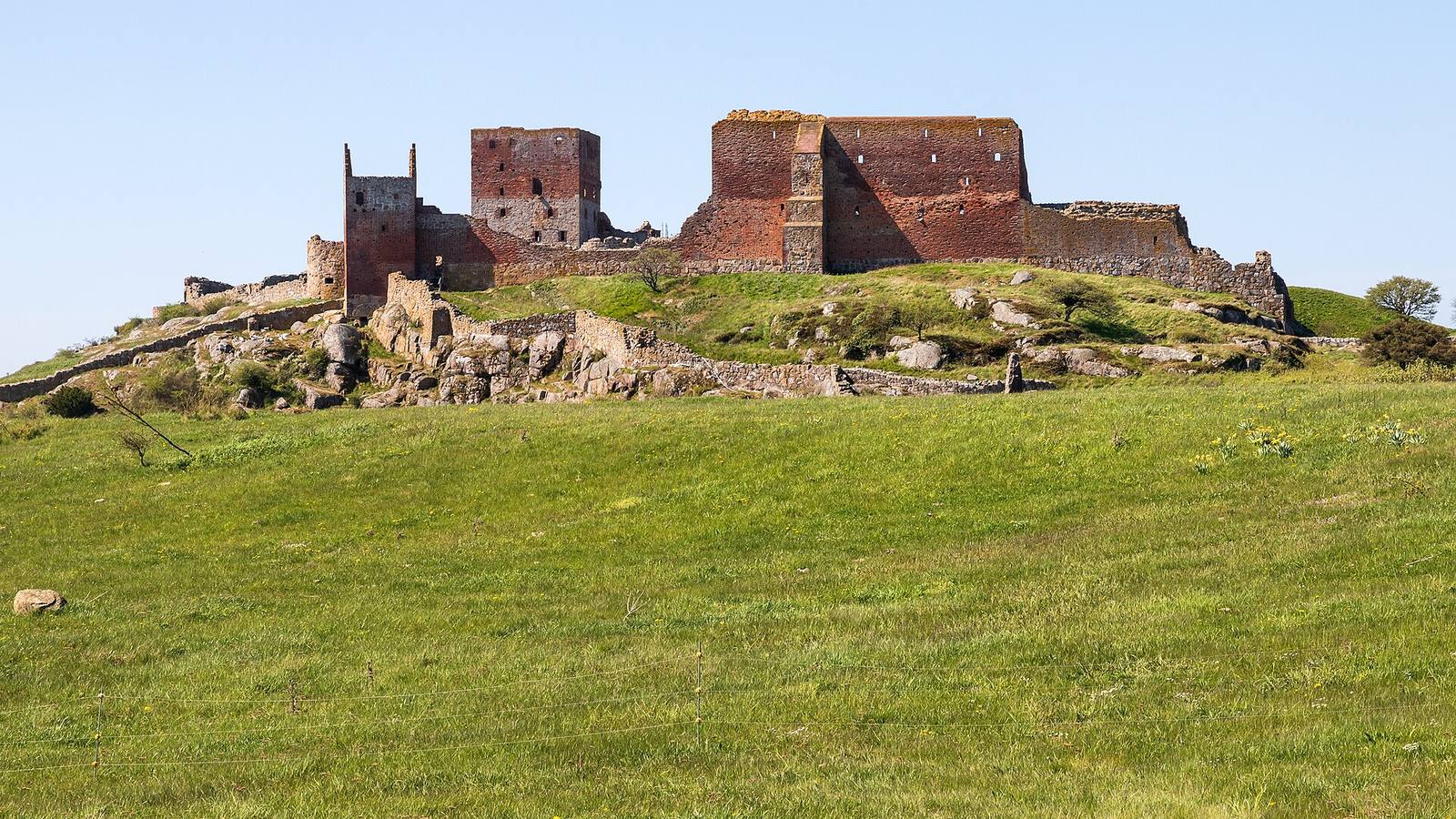
**Hammershus** is the largest medieval castle ruin in northern Europe, standing on a cliff above the sea at the north west tip of the island. A visitor centre explains its history, and paths lead along the coast to **Hammeren** and its lighthouse. Nearby, the cliffs of **Jons Kapel** drop to the sea down a long wooden staircase.
The round churches
Bornholm has four medieval **round churches**, built as both places of worship and defensive towers. **Østerlars Church** is the largest and most visited, and **Nylars**, **Olsker** and **Nyker** are smaller and quieter. They are white, thick walled and unlike anything else in Denmark.
Towns and beaches
**Rønne** is the main town and ferry port, with cobbled streets and half timbered houses. **Gudhjem** is a steep fishing village with a smokehouse, a harbour and a famous ice cream culture, and boats leave from here in season for **Christiansø**, a tiny fortress island. **Svaneke** is a pretty harbour town known for its brewery, candy makers and crafts. In the south, **Dueodde** has one of the finest white sand beaches in Europe, backed by dunes and pine forest, and the sea is shallow and safe for children. **Almindingen**, in the middle, is one of Denmark's largest forests, with the Ekkodalen valley.
Food and drink
The classic dish is **Sol over Gudhjem**, sun over Gudhjem: smoked herring on rye with chives, radish and a raw egg yolk. Eat it at a traditional smokehouse such as the ones in Gudhjem and Hasle, under the tall white chimneys. Bornholm also has a well known sour beer and brewery scene, local cheese, licorice and caramel makers and a cluster of creative restaurants. Many places open only from spring to autumn, so check before you go out of season.
Crafts
Bornholm has a long tradition of ceramics and glass, and many studios welcome visitors. **Grønbechs Gård** in Hasle shows island crafts and design, and the art museum near Gudhjem sits above the sea.
Where to stay
**Gudhjem** and **Svaneke** have the most charm, **Rønne** is practical for the ferry, and the **south coast** near Dueodde suits beach holidays. Holiday cottages and campsites are popular, and summer books out early.
Getting there and around
The most common route from Copenhagen is a train or bus to Ystad in Sweden, then a fast ferry to Rønne, so carry your passport or ID. Ferries also run from Køge, and short flights go to Bornholm Airport. On the island, buses connect the towns and many carry bikes, and the island is made for cycling.
Good to know
Bornholm is on its own timetable: ferries sell out on summer weekends, and some buses run less often outside the season. Pack sturdy shoes for the coastal paths and cliffs, and take care on wet rocks.
Questions about Bornholm
How do I get to Bornholm from Copenhagen?
Take the train or a direct bus to Ystad in Sweden and the fast ferry to Rønne, or fly to Bornholm Airport. Book ferry seats ahead in summer and carry your passport or ID for the Swedish leg.
How many days do I need on Bornholm?
Three days covers Hammershus, a round church, Gudhjem, Svaneke and Dueodde. Five days lets you slow down, cycle and visit Christiansø.
Is Bornholm good without a car?
Yes. Island buses connect the main towns and beaches, many take bikes, and there are signed cycling routes all over the island.
When is Bornholm busiest?
July and early August, during Danish school holidays. June and late August are calmer and still warm, and many restaurants close in winter.
Facts checked . Fees, schedules and entry rules change, so always confirm the latest with the official source.