The capital
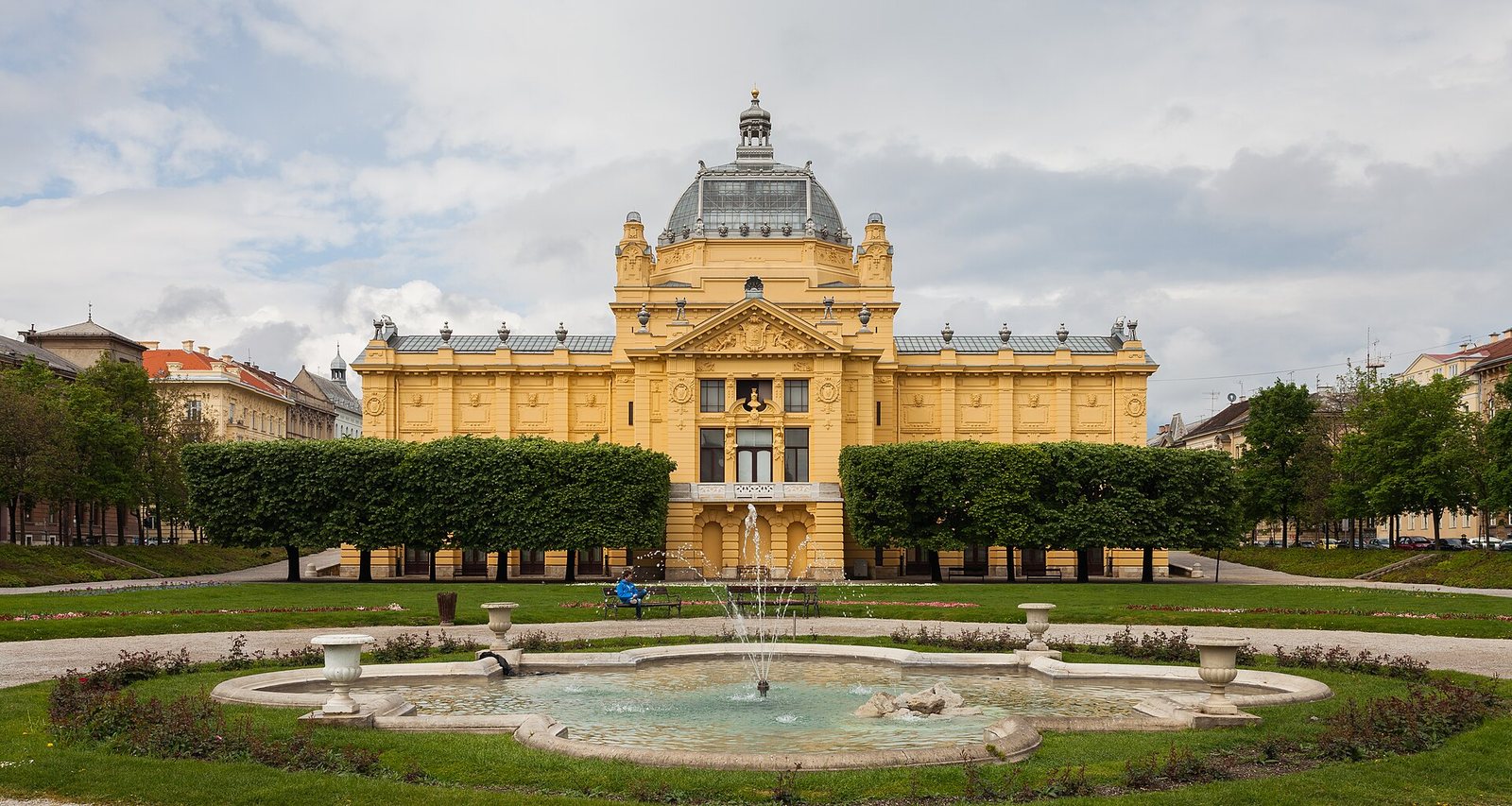
Zagreb is a relaxed Central European capital of Austro-Hungarian squares, a hilltop Upper Town, buzzing coffee terraces and quirky museums. It is the main airport and rail hub, and it shines in December, when its Advent market fills the centre.
The lakes
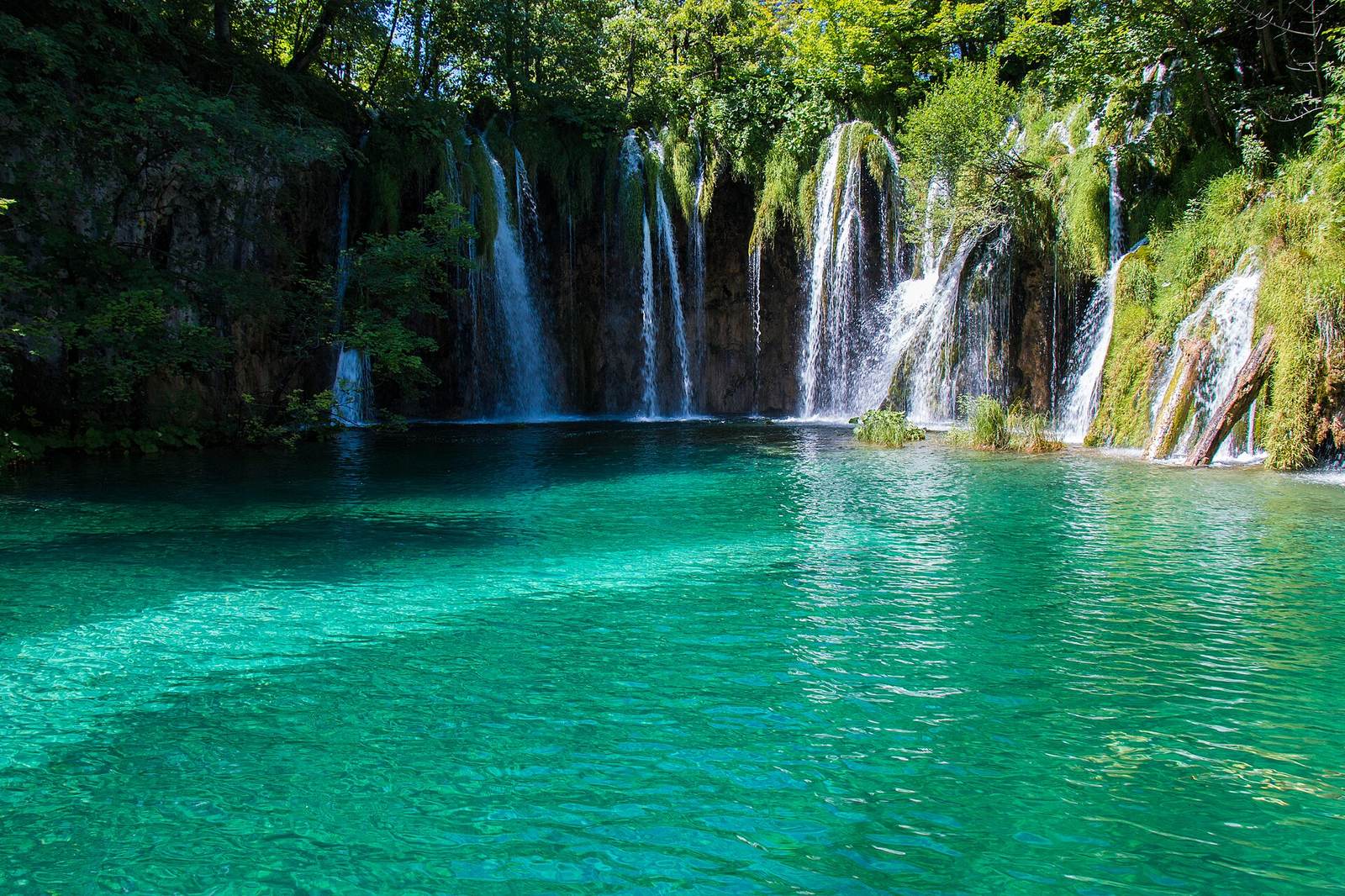
Plitvice Lakes National Park sits between Zagreb and the coast: sixteen terraced lakes joined by waterfalls and wooden boardwalks. It is the country's best known natural sight and an easy stop on the drive south, ideally with a night nearby.
The north west
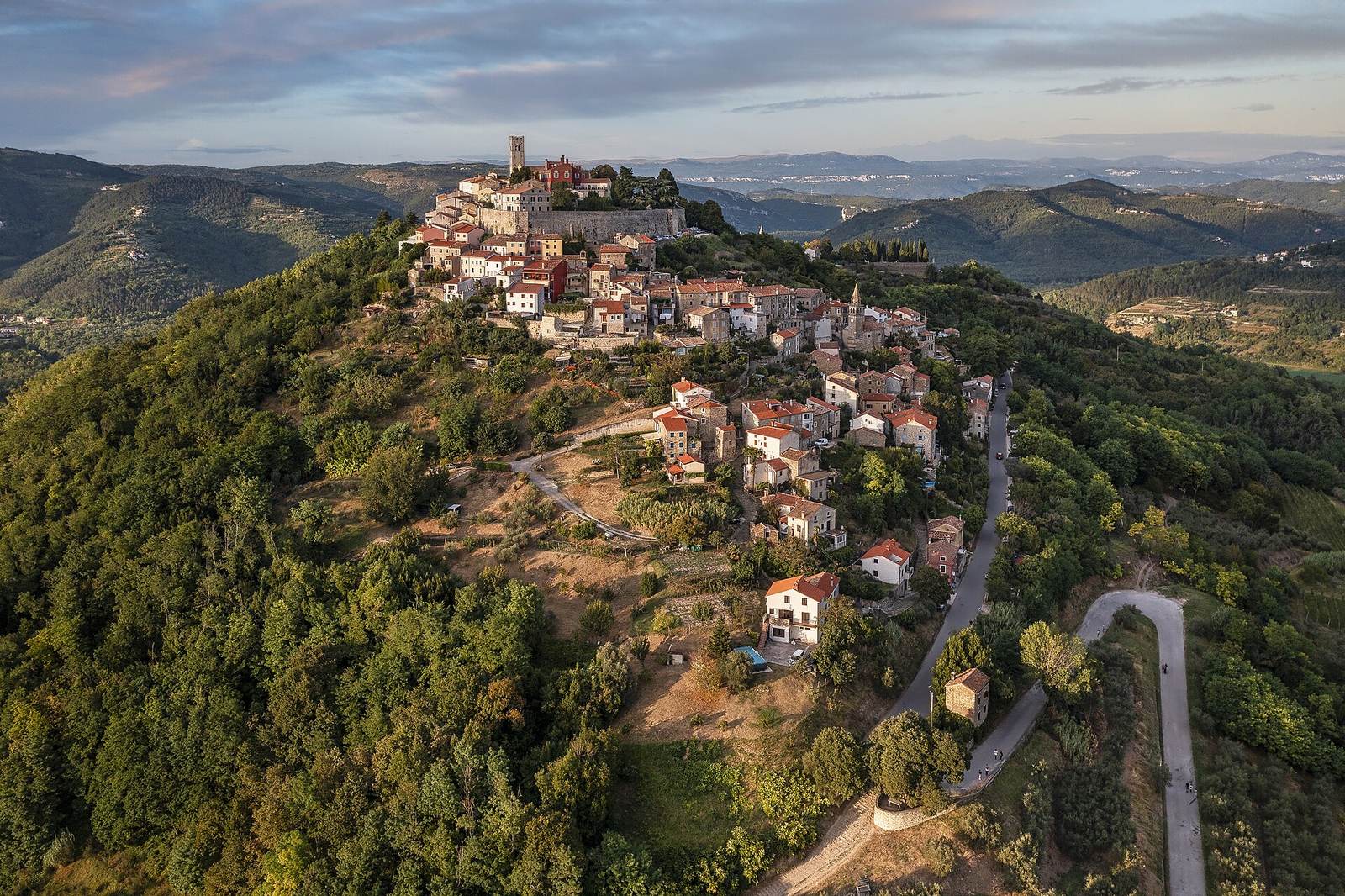
Istria is the heart shaped peninsula near Italy, with the Venetian harbour town of Rovinj, the Roman arena in Pula, hilltop villages such as Motovun and Grožnjan, truffles, olive oil and wine. It feels gentler and greener than Dalmatia.
Central Dalmatia
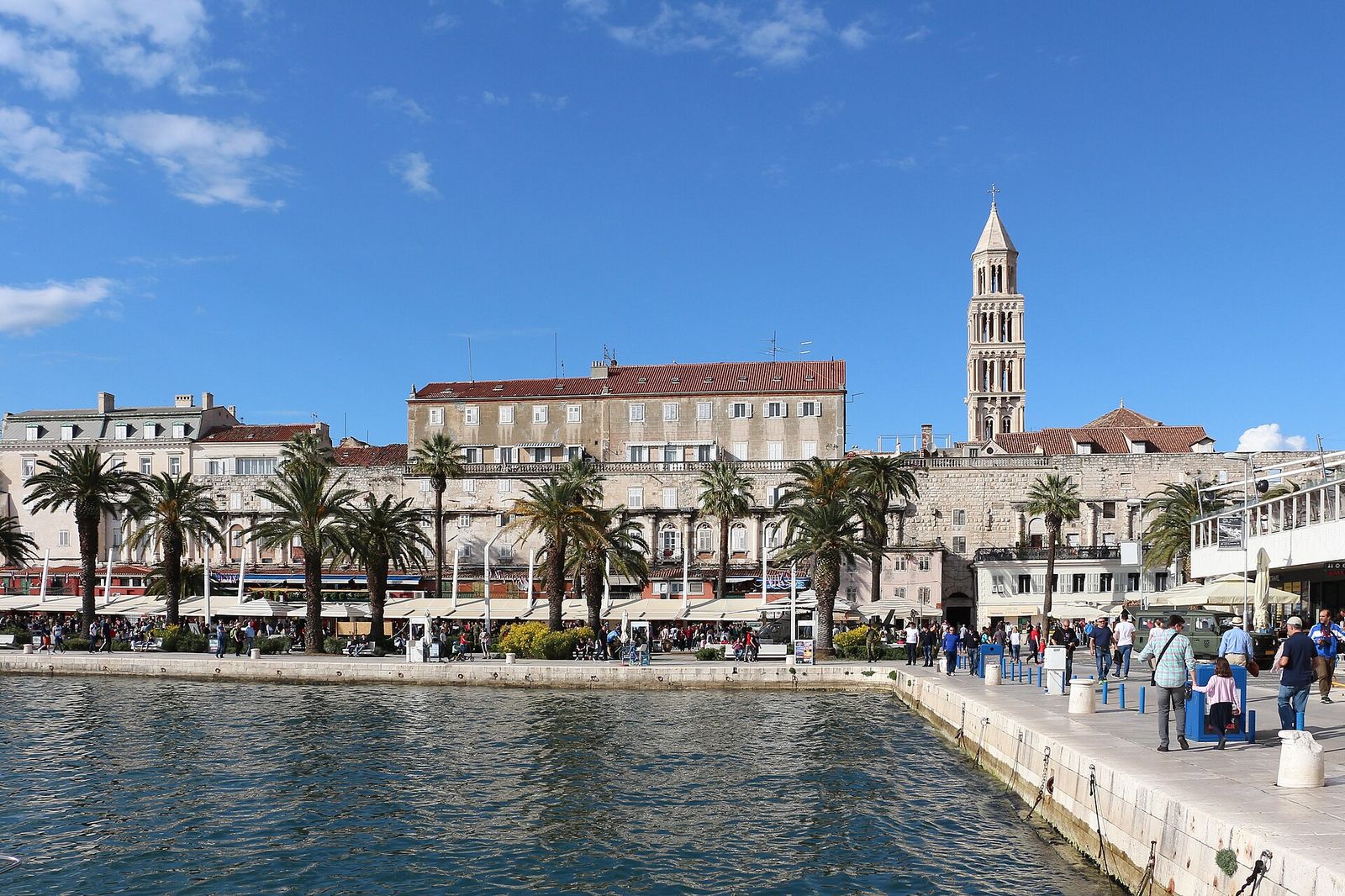
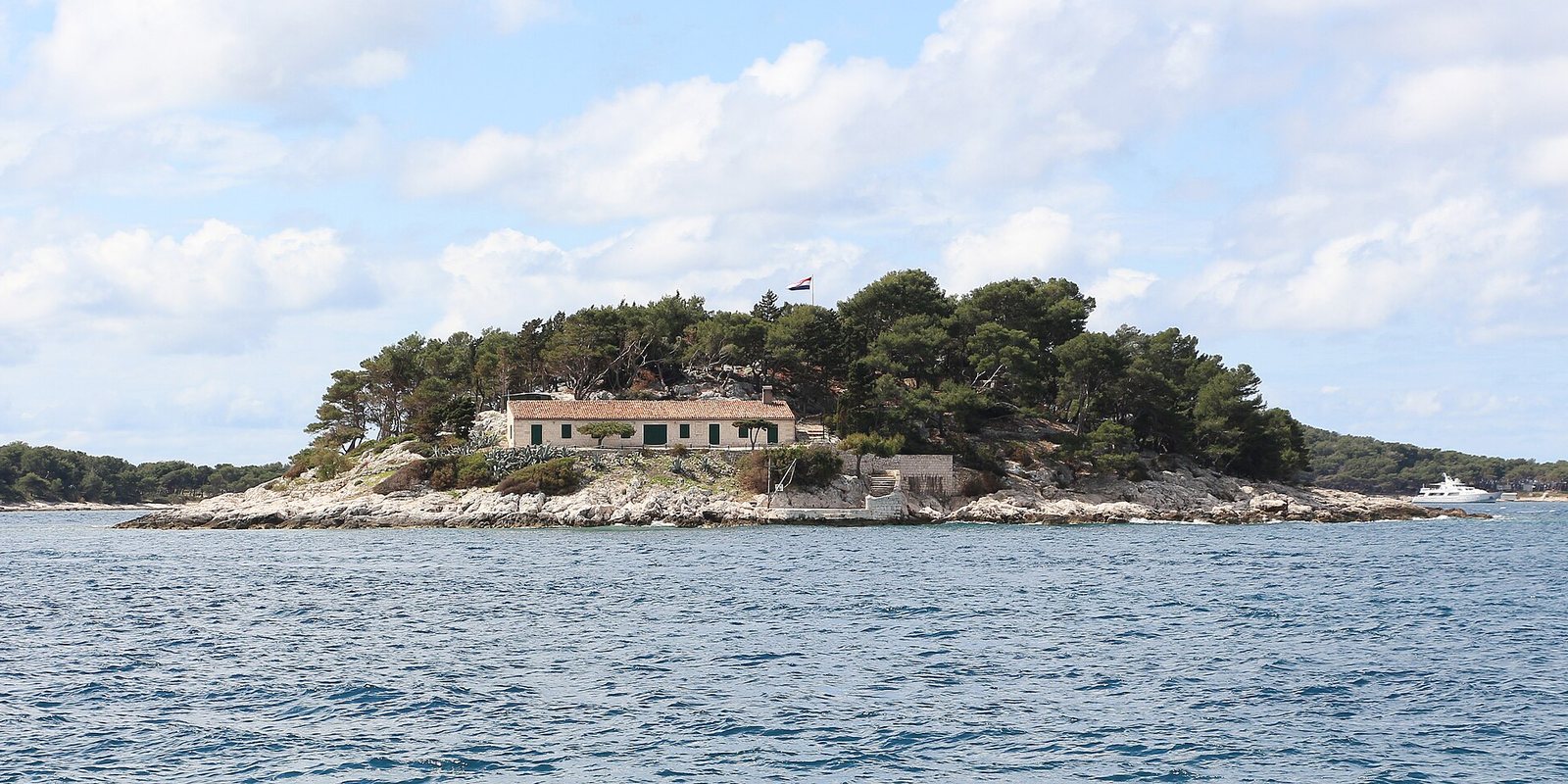
Split grew inside the walls of a Roman emperor's palace and is now the busiest ferry port on the coast. From there, Hvar is the most famous island, with a lively harbour town, lavender fields, quiet wine villages and the Pakleni islands just offshore.
The far south
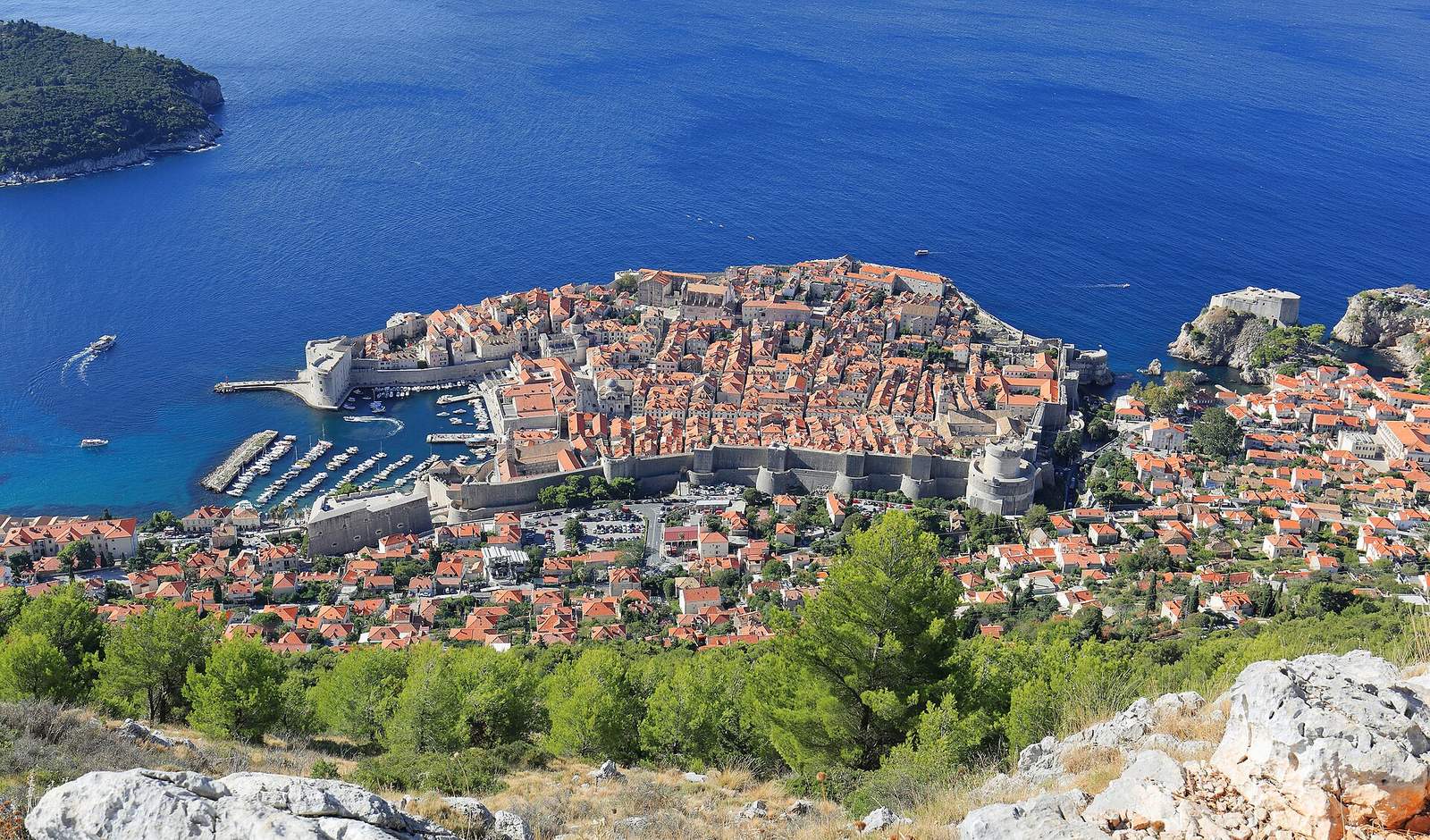
Dubrovnik is the walled city on the sea, with marble streets, a walk around its complete walls and day trips to the islands of the Elaphites and the oyster village of Ston. It is busiest in summer, so stay a night or two to enjoy it early and late.
How to link them
A classic ten day route runs Zagreb, Plitvice, Split, Hvar and Dubrovnik, flying into Zagreb and out of Dubrovnik. Add three or four days for Istria at the start. Buses link all the mainland towns, ferries and catamarans serve the islands, and the free trip planner helps you set a realistic pace.