At a glance
- Best for
- Museums, café culture, food markets and city breaks
- Airport
- Franjo Tuđman Airport Zagreb (ZAG), about half an hour away
- Time needed
- Two to three days
- Best season
- April to June, September to October, and December for Advent
- Getting around
- Walking, trams and the short funicular
- Good base for
- Plitvice Lakes, Samobor, Varaždin and Ljubljana
Why go
Zagreb feels more Vienna than Mediterranean. It is compact, green and easy to walk, with a calm pace by day and a lively bar scene by night. Prices for food and drink are generally gentler than on the coast, the museums are original rather than grand, and it is a good place to see everyday Croatian life before the holiday crowds of Dalmatia.
Top things to do
Start at **Ban Jelačić Square**, the main meeting point, then climb the steps to **Dolac market**, where farmers sell fruit, cheese, cream and flowers under red umbrellas every morning. From there walk up into **Gornji Grad**, the Upper Town, to see **St Mark's Church** with its tiled roof, the **Stone Gate** shrine and the **Lotrščak Tower**, which fires a cannon at noon. Ride the tiny **funicular**, one of the shortest in the world, back down to **Ilica** street.
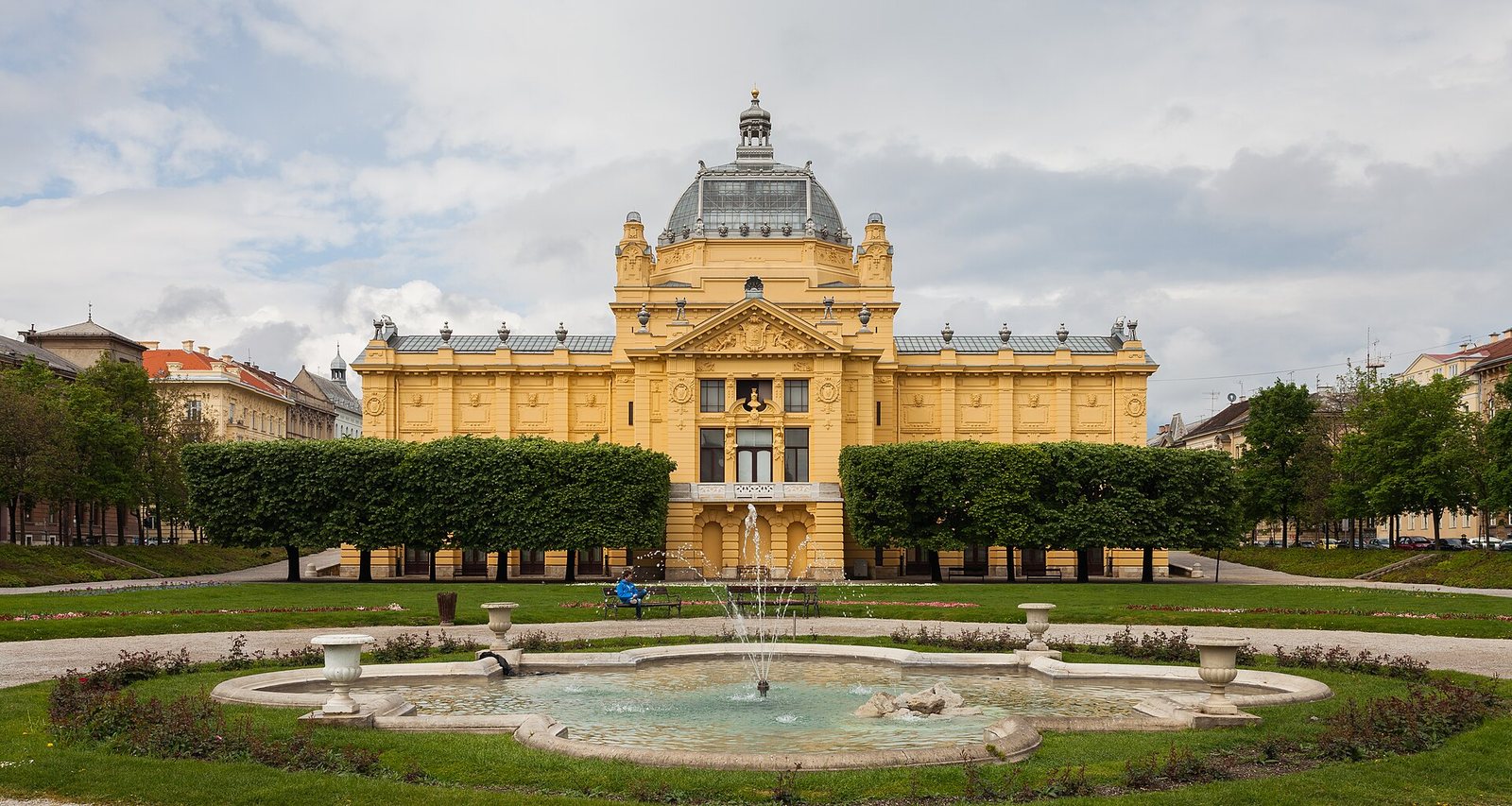
The **Museum of Broken Relationships** is the city's most famous museum, a moving and funny collection of objects left over from love affairs. The **Mimara Museum**, the **Croatian Museum of Naïve Art** and the **Museum of Contemporary Art** in Novi Zagreb are good for art lovers. In the Lower Town, the **Green Horseshoe** of parks and squares links the railway station, the **Art Pavilion** and the **Botanical Garden**.
Outside the centre, **Mirogoj Cemetery** is one of Europe's most beautiful, with arcades and domes under ivy. **Maksimir Park** is the city's oldest public park, and **Medvednica** mountain above town has hiking trails and the medieval **Medvedgrad** fortress.
Coffee and evenings
The Saturday morning **špica**, when locals dress up and linger over coffee on **Bogovićeva** and **Petar Preradović Square**, is a ritual worth joining. **Tkalčićeva** street, below the Upper Town, is lined with bars and terraces for evenings out. In summer, open air cinema and concerts take over courtyards, and in December the **Advent in Zagreb** market spreads across squares and parks with mulled wine, sausages and lights.
Day trips
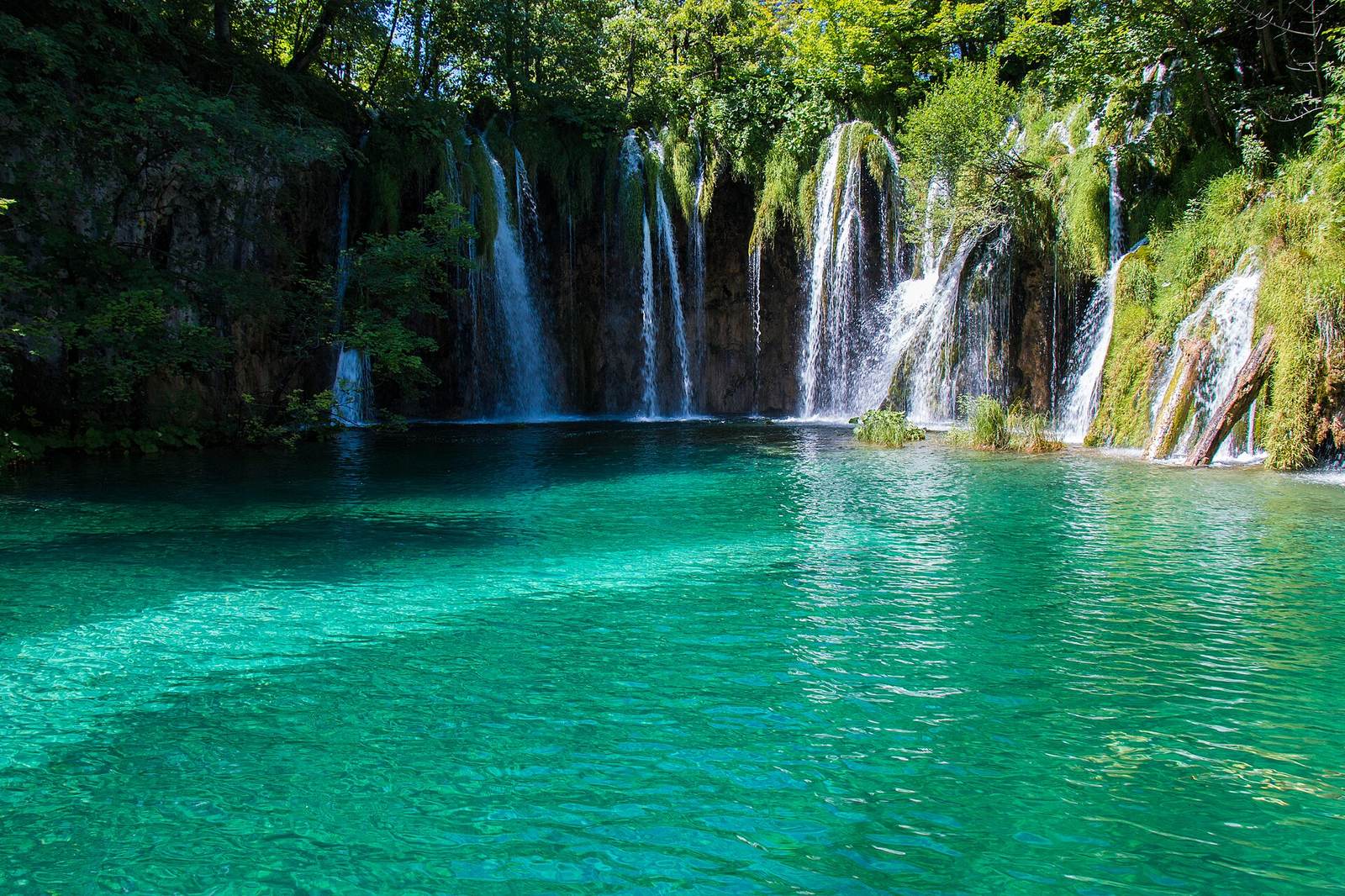
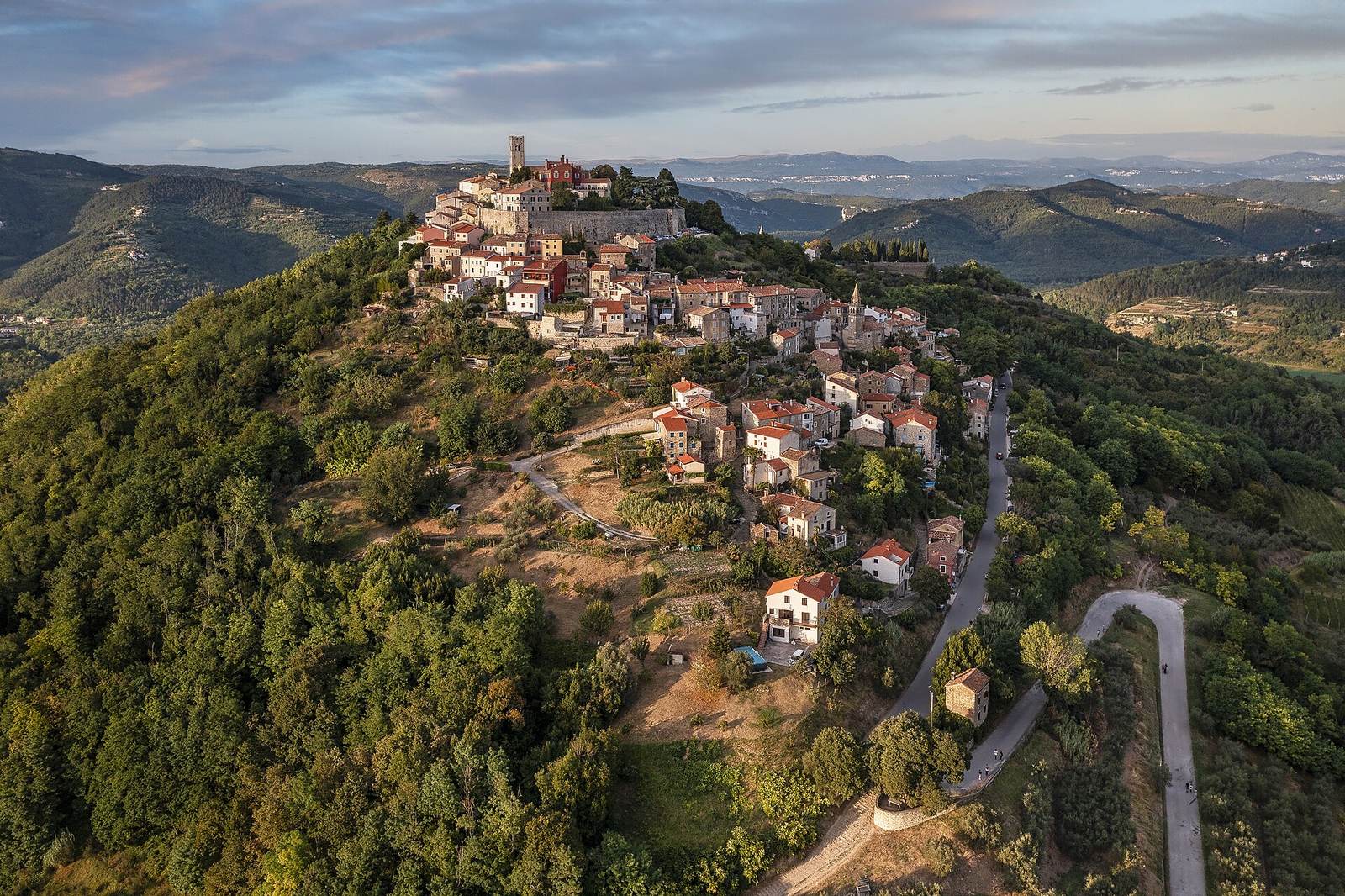
**Samobor**, a small town of pastel houses known for its custard slice called **kremšnita**, is under an hour away. **Varaždin**, the baroque former capital, is easy by train. **Plitvice Lakes** is a long day trip but better with an overnight, and **Ljubljana** in Slovenia is close enough for a day by train or bus.
Where to stay
The **Lower Town** near Ban Jelačić Square and the railway station is central and convenient for trams and buses. The streets below the **Upper Town** suit couples who want character and evening bars on the doorstep. There are classic grand hotels, design hotels, apartments and good hostels.
Getting there and around
Franjo Tuđman Airport is south east of the city, linked by an airport shuttle bus to the main bus station and by taxis and ride hailing apps. The main bus station and the railway station connect to the rest of the country. In town, blue trams run day and night, and the centre is very walkable. Buy tram tickets from kiosks, the app or the driver and validate them on board.
Practical tips
Many museums close on Mondays, so check opening hours. Summers can be hot and quiet, as many locals head to the coast in August. Cards work almost everywhere, but small market stalls prefer cash.
Questions about Zagreb
How many days do I need in Zagreb?
Two days covers the Upper and Lower Towns, Dolac market, a museum or two and Mirogoj. Add a third day for Samobor or Varaždin.
Is Zagreb worth visiting if I am going to the coast?
Yes. It shows a different, more Central European side of Croatia, food is good value, and flights into Zagreb often suit a route down to Dubrovnik.
Is Zagreb safe at night?
Central Zagreb is generally safe and lively in the evening. Use normal city precautions, especially around the railway and bus stations late at night.
When is the Zagreb Advent market?
It usually runs from late November into early January. Check the Zagreb Tourist Board site for the year's dates.
Facts checked . Fees, schedules and entry rules change, so always confirm the latest with the official source.