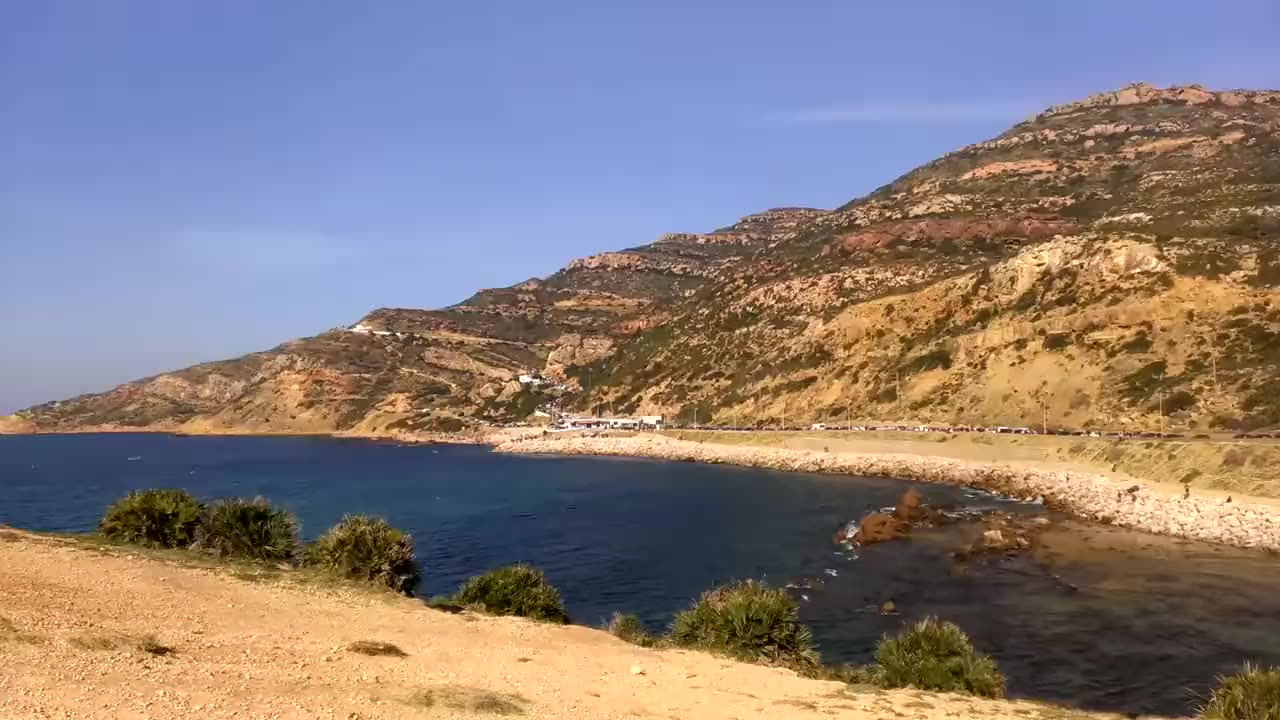
Korbous, Tunisia, TunisiaVideo: Ahlem fourati, CC BY-SA 4.0, via Wikimedia Commons
Find your Bliss in Tunisia
Tunisia, made simple: blue doors, Roman ruins and Saharan oases
Tunisia packs a lot into a small country: the old medina of Tunis, the ruins of Carthage, the blue and white village of Sidi Bou Said, long Mediterranean beaches, the holy city of Kairouan and palm oases at the edge of the Sahara. This guide takes the guesswork out of entry, money, safety and getting around so you can travel with confidence.
Your trip, step by step
- Before you flyEntry rules, money, seasons and travel advice, answered
- LandingTunis-Carthage, cash and your first evening, explained
- Your days in TunisiaMedinas, ruins, beaches and desert, planned with care
- Home againDeparture tips so the last day is calm too
Where to go, eat and stay
- Plain answersClear, honest guidance on the questions first-timers actually ask.
- Official sourcesEntry, health and safety facts point you to the official pages to confirm.
- No price surprisesWe explain the closed dinar, taxis and haggling so nothing catches you out.
- Free to useEvery guide and the trip planner are free.
Our promise
Tunisia should feel welcoming from the first mint tea. We answer the worries before they start, so you arrive confident and ready to find your Bliss.
Going home to family in Tunis, Sfax or Djerba after years away, or planning your first trip to North Africa? This guide was written with you in mind.
How to use this guide
Four steps from first idea to a trip that feels easy.
- Choose your TunisiaCity and ruins, beach, holy cities or the Sahara: start with the destinations that fit you.
- Sort the essentialsEntry rules, the closed dinar, health and current travel advice, checked against official sources.
- Pick your placesUse our places to visit list for food, culture, nature and stays in each area.
- Plan your routeUse the free trip planner to shape your days and how you move between them.
Everything your Tunisia trip needs
Free tools and guides for every stage of the journey.
Destinations
Tunis, Carthage and Sidi Bou Said, Sousse, Kairouan, Djerba and Tozeur, each explained in depth.
Explore destinationsPlaces to visit
More than a hundred restaurants, souks, ruins and stays, from classics to hidden corners.
See places to visitFlights and stays
Search flights into Tunis, Djerba, Monastir and Enfidha and stays across the country.
Plan travelPlaces finder
Restaurants, sights and stays mapped around each base.
Find placesFree trip planner
Tell us your dates and interests and build a route that fits.
Plan your trip
The classic Tunisia trip
From Carthage to the Sahara
Most first trips start in Tunis with Carthage and Sidi Bou Said, head down the coast to Sousse and the colosseum of El Jem, stop at Kairouan, then cross to the oases of Tozeur and the dunes near Douz, finishing on the beaches of Djerba.
- The UNESCO medina of Tunis and the Bardo mosaics
- Carthage and the blue doors of Sidi Bou Said
- The Roman amphitheatre of El Jem
- Palm oases, salt lakes and Saharan dunes
Start with the destinations
See how the capital, the coast, the holy cities and the desert fit together.
Tunisia destinationsPlan with confidence
Your route, without the worry
Tunisia is compact, but trains, louages and domestic flights each suit different legs. Our free planner helps you choose a realistic route and pace.
- Realistic travel times
- The right season for beach or desert
- Where to base yourself
Where to go in Tunisia
From the Mediterranean capital and its ancient ruins to the island of Djerba and the oases of the Sahara.
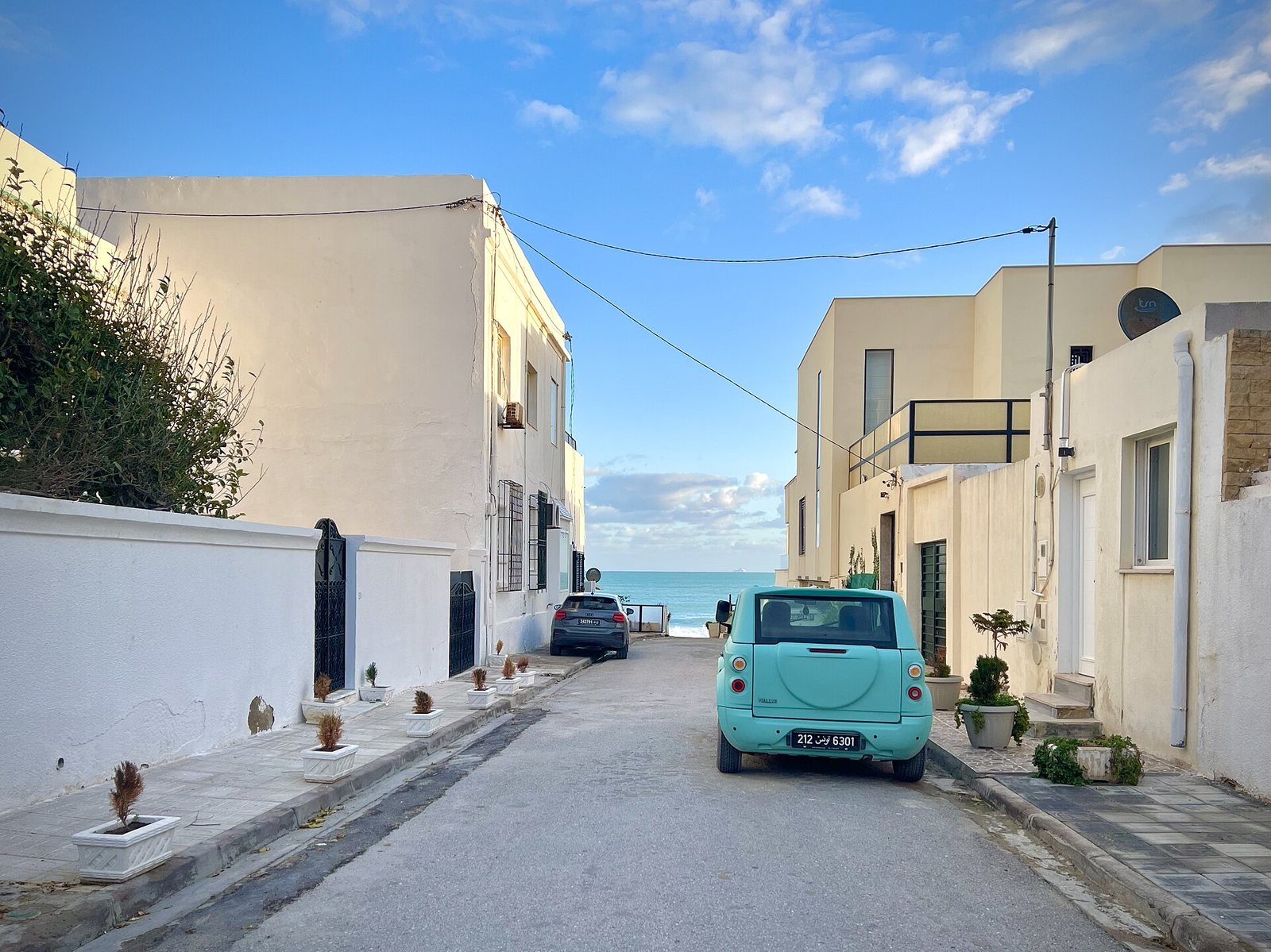
Northern Tunisia
Tunis
Tunisia's capital, where a UNESCO medina of souks and palaces meets French boulevards and the Bardo mosaics.
Read the guidePhoto: Sharon Hahn Darlin, CC BY 2.0, via Wikimedia Commons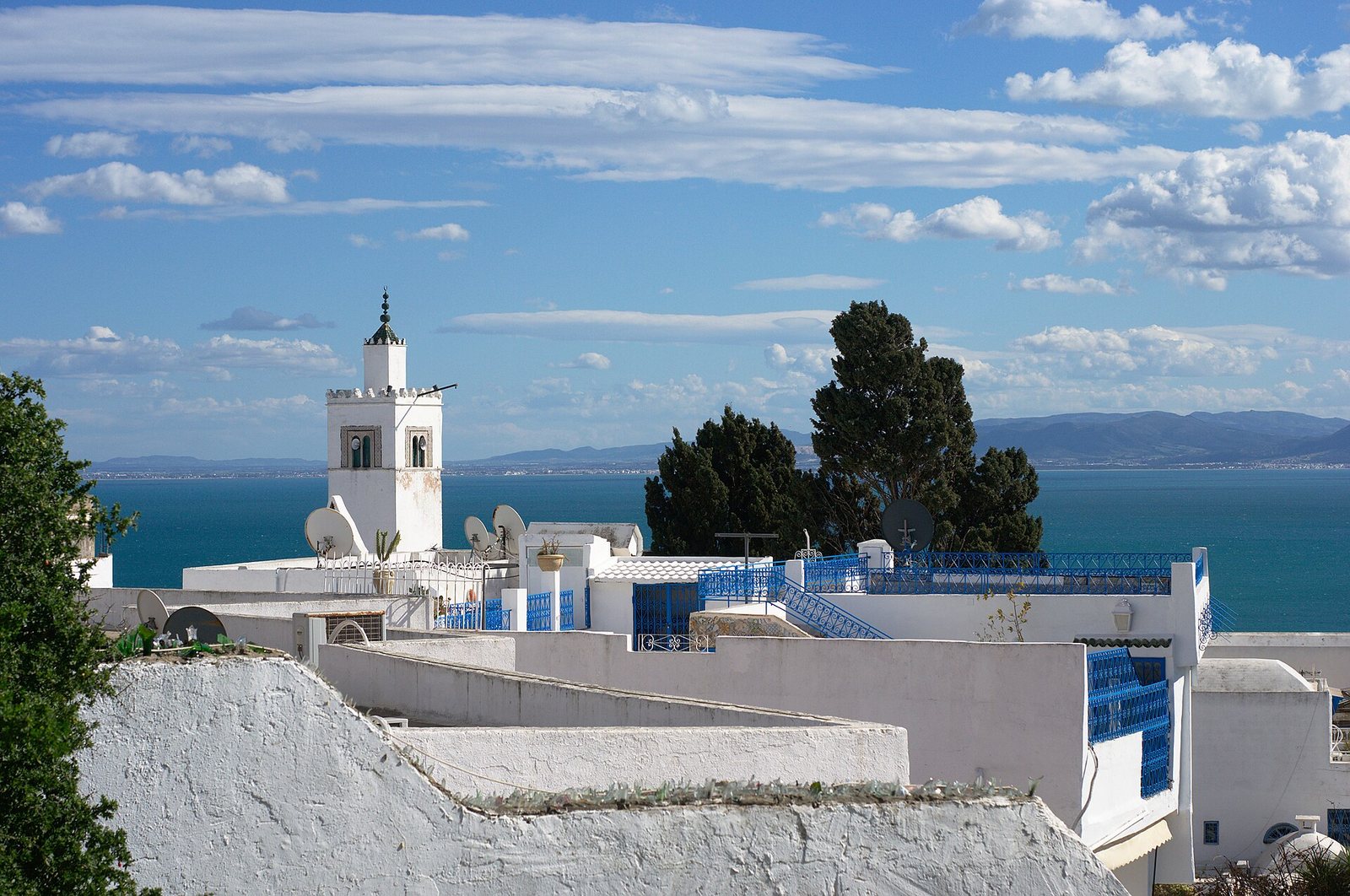
Northern Tunisia
Carthage and Sidi Bou Said
The ruins of ancient Carthage and the blue and white clifftop village of Sidi Bou Said, a short train ride from Tunis.
Read the guidePhoto: Habib M'henni, CC BY 4.0, via Wikimedia Commons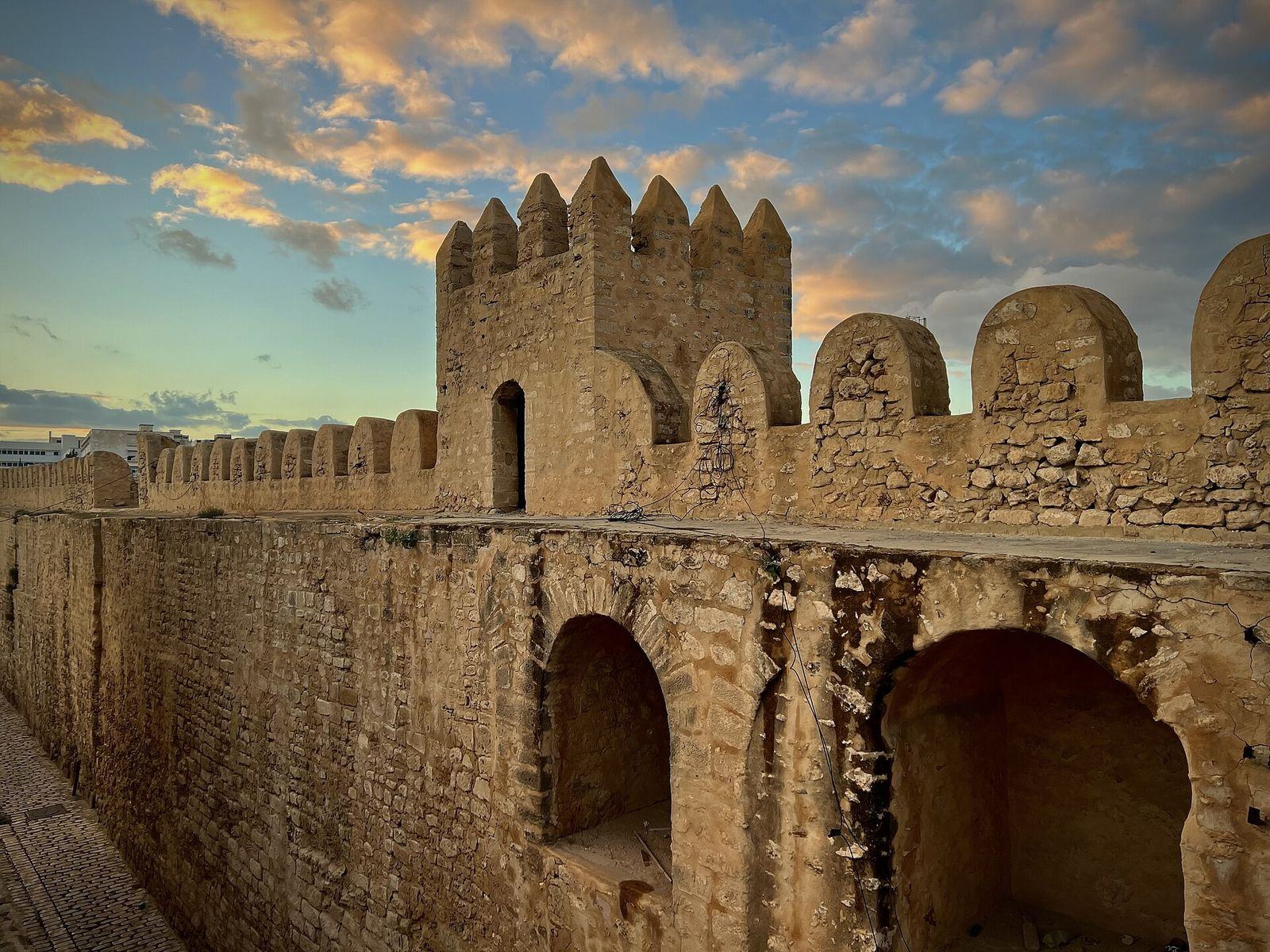
The Sahel coast
Sousse
A lively coastal city with a UNESCO walled medina, long beaches and easy trips to El Jem, Monastir and Kairouan.
Read the guidePhoto: Sharon Hahn Darlin, CC BY 2.0, via Wikimedia Commons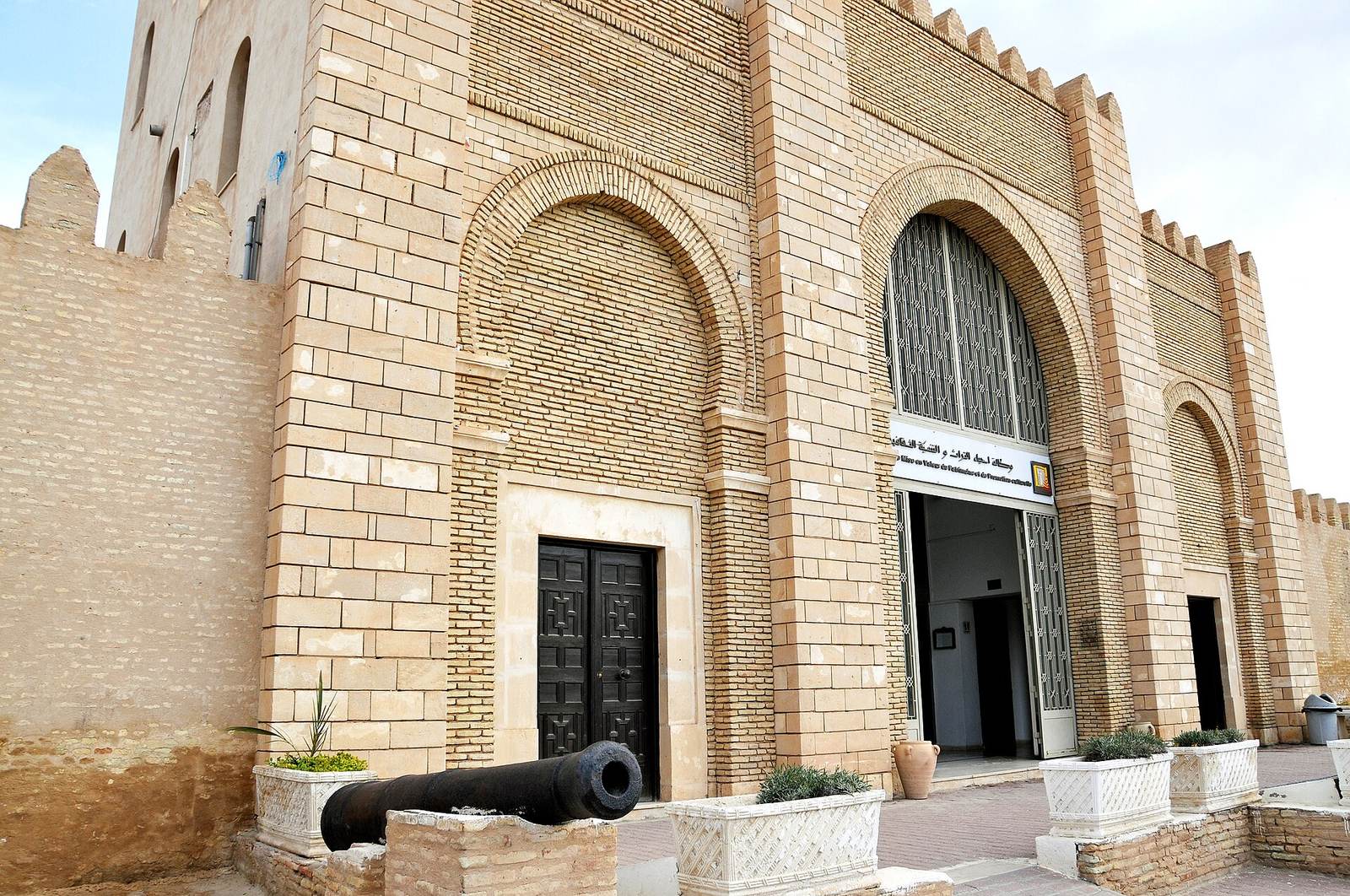
Central Tunisia
Kairouan
The oldest Islamic city in North Africa, with a seventh century great mosque, a calm medina and famous carpets.
Read the guidePhoto: Dennis G. Jarvis, CC BY-SA 2.0, via Wikimedia Commons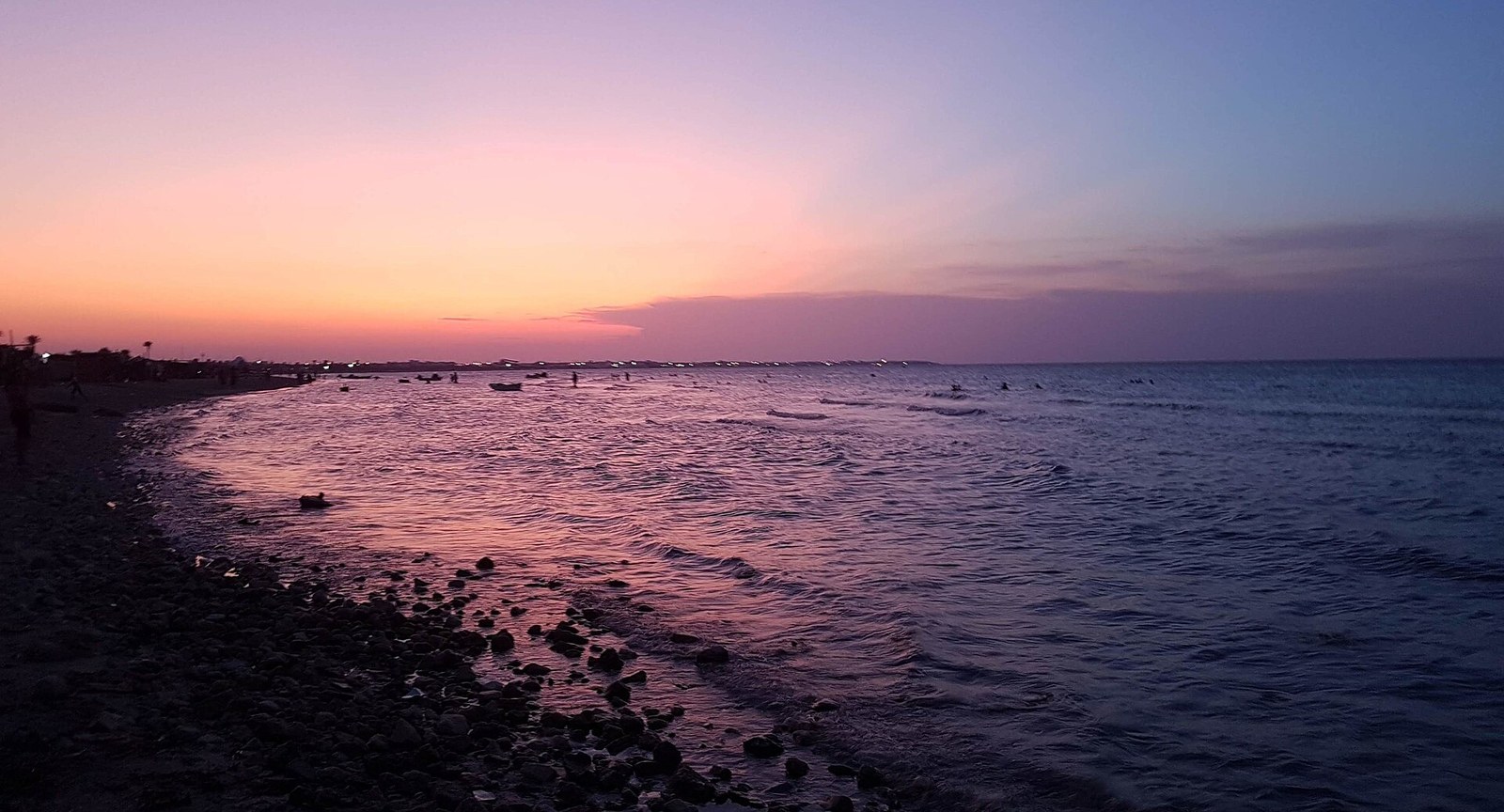
Southern Tunisia
Djerba
A sunny, flat island of beaches, olive groves, white mosques, an ancient synagogue and a street art village.
Read the guidePhoto: Khemirasameh, CC BY-SA 4.0, via Wikimedia Commons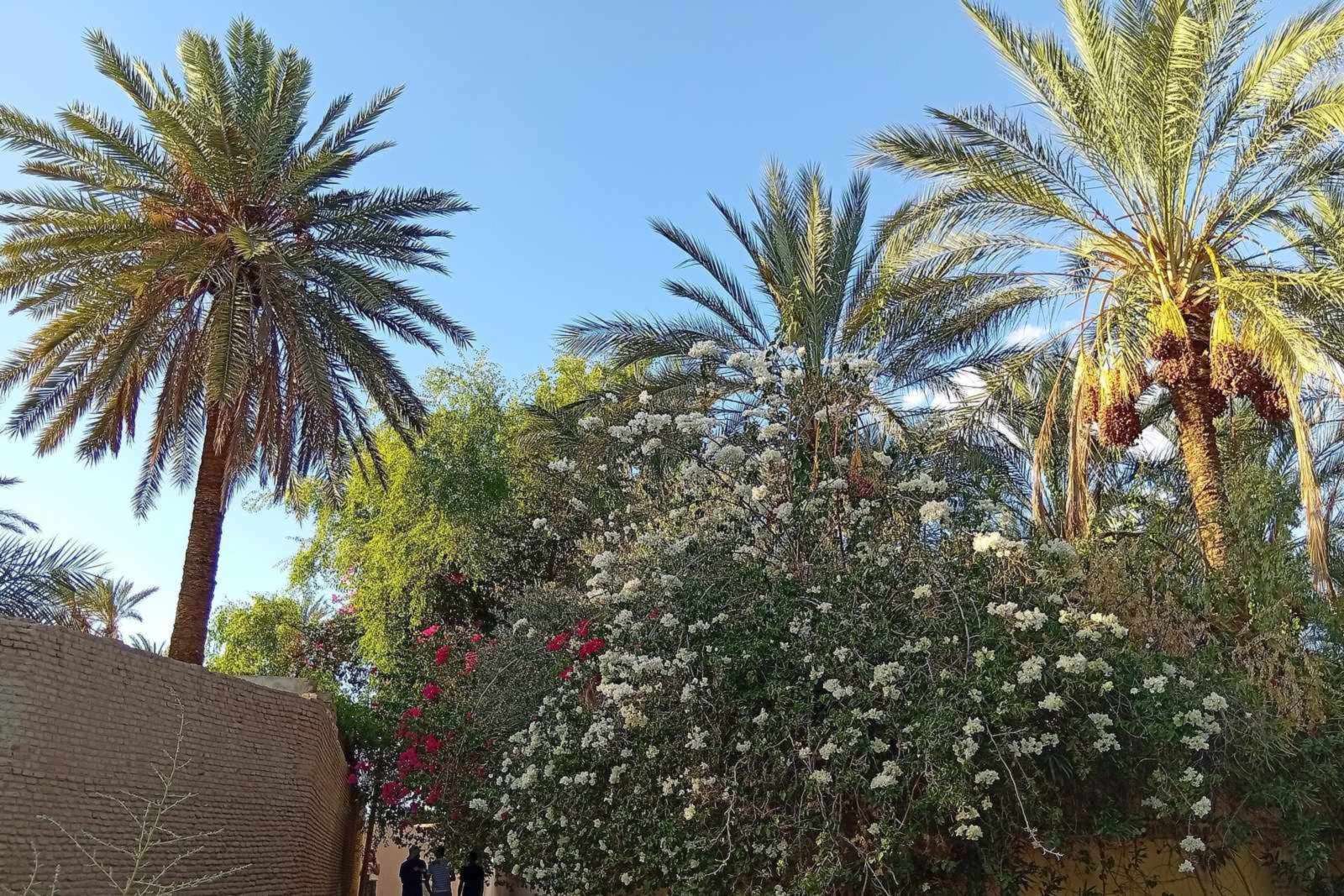
South west Tunisia
Tozeur
A palm oasis town of patterned brick, the base for mountain oases, the Chott el Djerid salt lake and Saharan dunes.
Read the guidePhoto: Houss 2020, CC0, via Wikimedia Commons
A note from our founder
A note from our founder
My first time visiting Kenya, I was genuinely surprised with how fast it began feeling like home. The people are so friendly, the food is delicious and familiar, and the accommodations are modern and upscale.
During my travels throughout the continent, I commonly hear tourists share stories about being scammed or taken advantage of, which is both frustrating and disheartening.
Living in Kenya for the last 2 years, I have had the great fortune to meet a network of wonderful Kenyans who have continuously help guide my family's journey. Their shared knowledge has not only greatly enhanced our overall experience here, but it has also saved us tons of time, energy, and resources.
With BlissPoint Travel, my hope is to build a global community that is willing to share useful, uncommon knowledge so that we can all blissfully enjoy the wonders our world has to offer.
Questions we hear most
Is Tunisia safe to visit?
Most visits to Tunis, the coast, Kairouan, Djerba and the main desert towns pass without trouble, and violent crime against visitors is uncommon. Governments advise against travel near the Libyan border and in some western mountain areas near Algeria, and warn of a continuing terrorism threat. Read your government's current advice before booking.
Do I need a visa for Tunisia?
Many nationalities, including most EU, UK, US and Canadian passport holders, can visit without a visa for a limited stay, but rules depend on your passport and can change. Check the Tunisian Ministry of Foreign Affairs or your nearest Tunisian embassy before you book.
Can I use cards in Tunisia?
Cards work in larger hotels, supermarkets and some restaurants, but Tunisia is still mostly a cash country. The dinar is a closed currency, so you get it on arrival from ATMs or exchange counters and keep your receipts to change leftovers back.
What languages are spoken in Tunisia?
Tunisian Arabic, called Derja, is spoken everywhere and Arabic is the official language. French is widely used in business, menus and signs, and English is common among young people and in tourist areas.
What is the capital of Tunisia?
Tunis, on a lagoon off the Gulf of Tunis. It has the main airport, the UNESCO listed medina and the Bardo Museum, and the ruins of Carthage and the village of Sidi Bou Said are a short train ride away.
How many days do I need in Tunisia?
A week covers Tunis, Carthage, Sidi Bou Said, El Jem and Kairouan. Ten days to two weeks lets you add the oases and dunes of the south and a few days on Djerba.
Ready to find your Bliss in Tunisia?
Use the free trip planner to turn ideas into a route that fits your dates and budget.