At a glance
- Best for
- Beaches, culture, cycling and relaxing
- Airport
- Djerba-Zarzis International Airport (DJE)
- Time needed
- Three to five days
- Best season
- April to June and September to November
- Getting there
- Fly, or road via the Ajim ferry or the El Kantara causeway
- Main town
- Houmt Souk
Why visit Djerba
Djerba is the easiest place in Tunisia to slow down. It is flat, sunny for most of the year and small enough to explore by bike, scooter or taxi. It has the country's best winter weather, a calm beach zone on the east coast and a culture all its own, shaped by Amazigh, Arab and Jewish communities who have lived here side by side for centuries.
Houmt Souk
The island's main town has a lively covered souk, a small fishing harbour where fish auctions take place most mornings, and the Borj el Kebir, a fifteenth century fort by the sea. Its old funduks, inns built around courtyards for travelling merchants, have been turned into guesthouses and shops. Stroll the souks for pottery, woven blankets, silver jewellery and spices.
Erriadh and Djerbahood
In the village of Erriadh, artists from around the world painted walls across the lanes in a project called Djerbahood. The murals turned the village into a walkable open air gallery. Just outside it stands El Ghriba, one of the oldest synagogues in Africa, with blue tiles and painted wood. Each spring it is the focus of the Lag BaOmer pilgrimage. Security around El Ghriba is tight, and a deadly attack happened nearby in May 2023: check current advice and whether it is open before you go.
Beaches
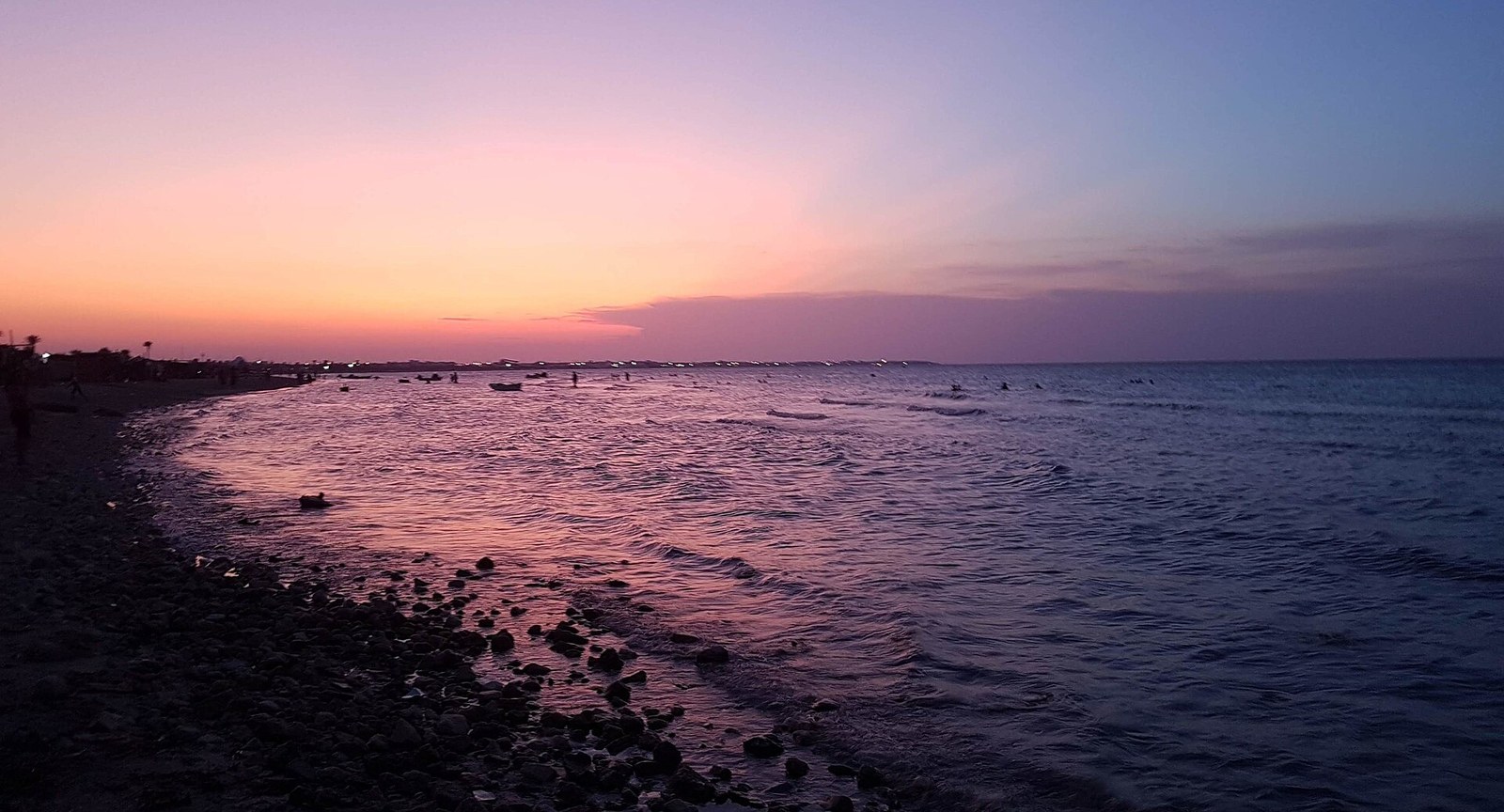
The best beaches are on the east coast, in the Zone Touristique between Sidi Mahrez and Aghir, where most resort hotels stand. Sidi Mahrez beach is wide and pale, and Seguia beach further south is quieter. The sea is shallow, calm and good for children. Kite surfers head to the lagoons near the south.
Guellala and the interior
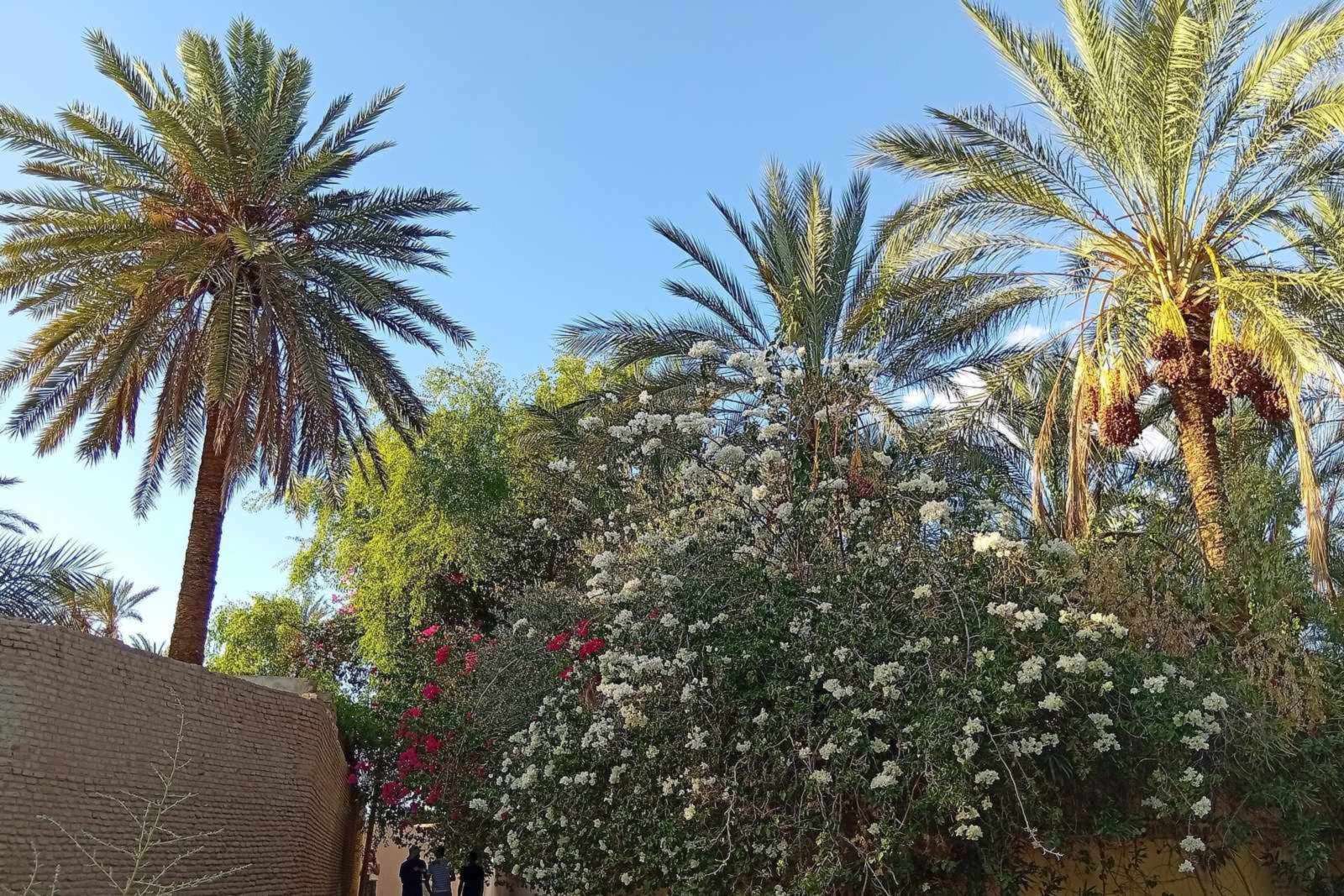
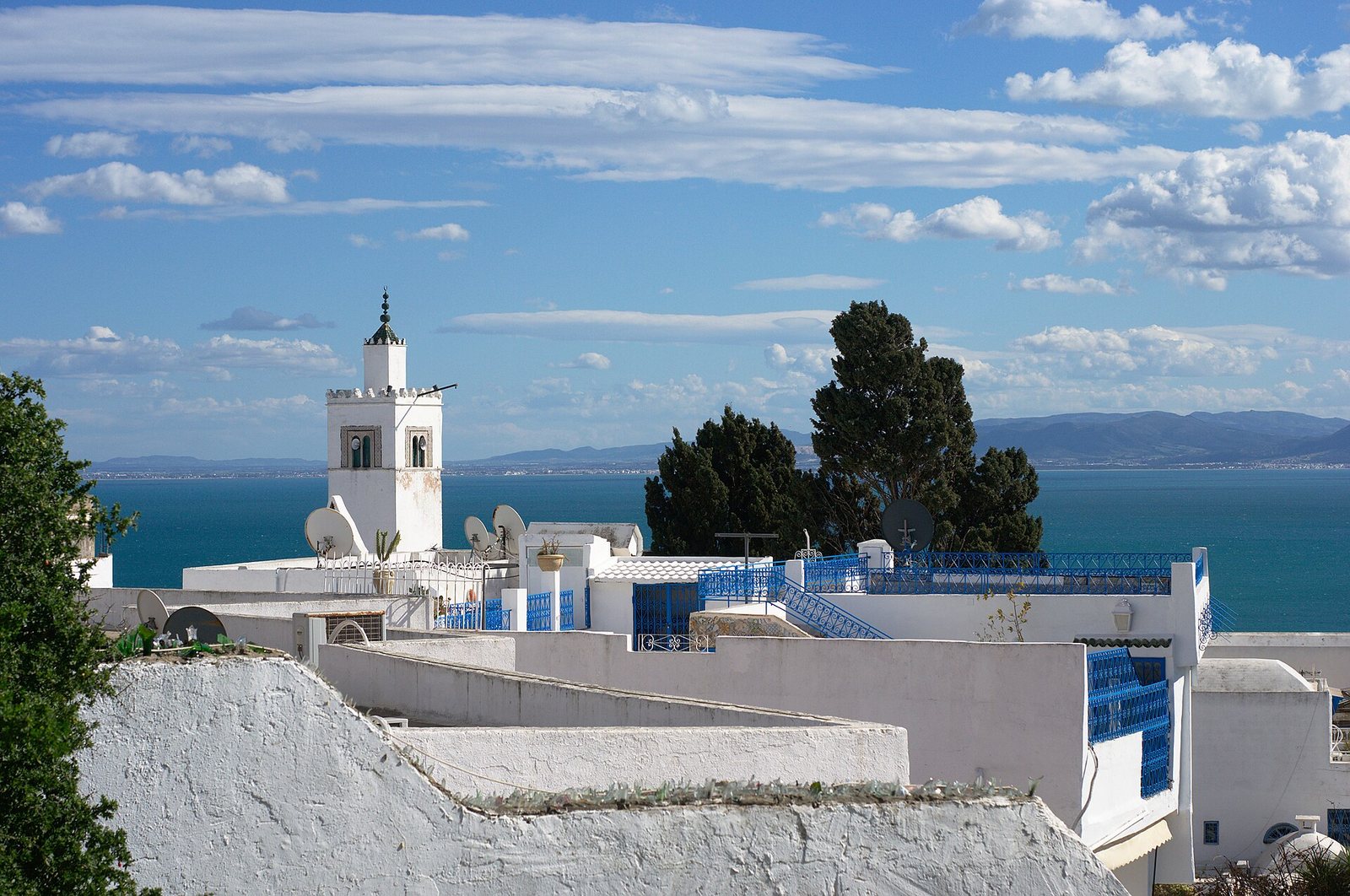
In the south, Guellala is a pottery village where workshops still fire clay in kilns half buried in the ground. Its museum explains Djerban traditions, weddings and crafts. Drive the interior to see menzels, traditional fortified farmhouses, olive groves, palm trees and the island's small white mosques, some of them centuries old.
Trips from Djerba
Djerba is the gateway to the deep south. Day trips and two day tours go to the troglodyte homes of Matmata, the ksour, fortified granaries, around Tataouine such as Ksar Ouled Soltane, and the Berber hill village of Chenini. The dunes near Douz are further, but within reach on an overnight trip. Check current travel advice before heading south toward the Libyan border region.
Food
Seafood dominates: grilled fish, octopus and Djerban rice, a fragrant steamed rice with spinach, herbs and fish or meat. Try brik, couscous with fish and sweet bsissa, a toasted grain mixture. Many restaurants in Houmt Souk serve fish by weight, so ask before ordering.
Getting there and around
Djerba-Zarzis airport has flights from Tunis and seasonal routes from Europe. By road, cross on the small car ferry from Jorf to Ajim, or take the Roman era causeway at El Kantara. On the island, use taxis, hire a bicycle in the hotel zone, or join local tours. Use the free trip planner to end your trip here after Tozeur.
Questions about Djerba
When is the best time to visit Djerba?
April to June and September to November are warm, sunny and ideal for the beach. Winter is mild and good for sightseeing, though the sea is cool, and July and August are hot and busy.
Can I visit El Ghriba synagogue?
Usually yes, with security checks and modest dress. Access can change, especially around the spring pilgrimage, so check current travel advice and opening before you go.
What is Djerbahood?
An open air street art project in the village of Erriadh, where artists from dozens of countries painted murals on its walls. It is free to wander and best in the morning light.
How do I get to Djerba?
Fly into Djerba-Zarzis airport from Tunis or Europe, or arrive by road using the Jorf to Ajim car ferry or the causeway at El Kantara.
Facts checked . Fees, schedules and entry rules change, so always confirm the latest with the official source.