At a glance
- Best for
- Ancient history, photography, cafés and sea views
- Airport
- Tunis-Carthage International Airport (TUN)
- Time needed
- One full day, or two at a slower pace
- Best season
- April to June and September to October
- Getting there
- TGM light railway from Tunis Marine
- Tickets
- One combined ticket covers most Carthage sites
Why visit
Few places combine so much history and so much simple pleasure in one day. You can stand in the ruins of a city Rome destroyed and rebuilt, then sit on a café terrace above the Gulf of Tunis with mint tea and pine nuts as the sun goes down. It is the most popular day out from Tunis, and for good reason.
Carthage: what to see
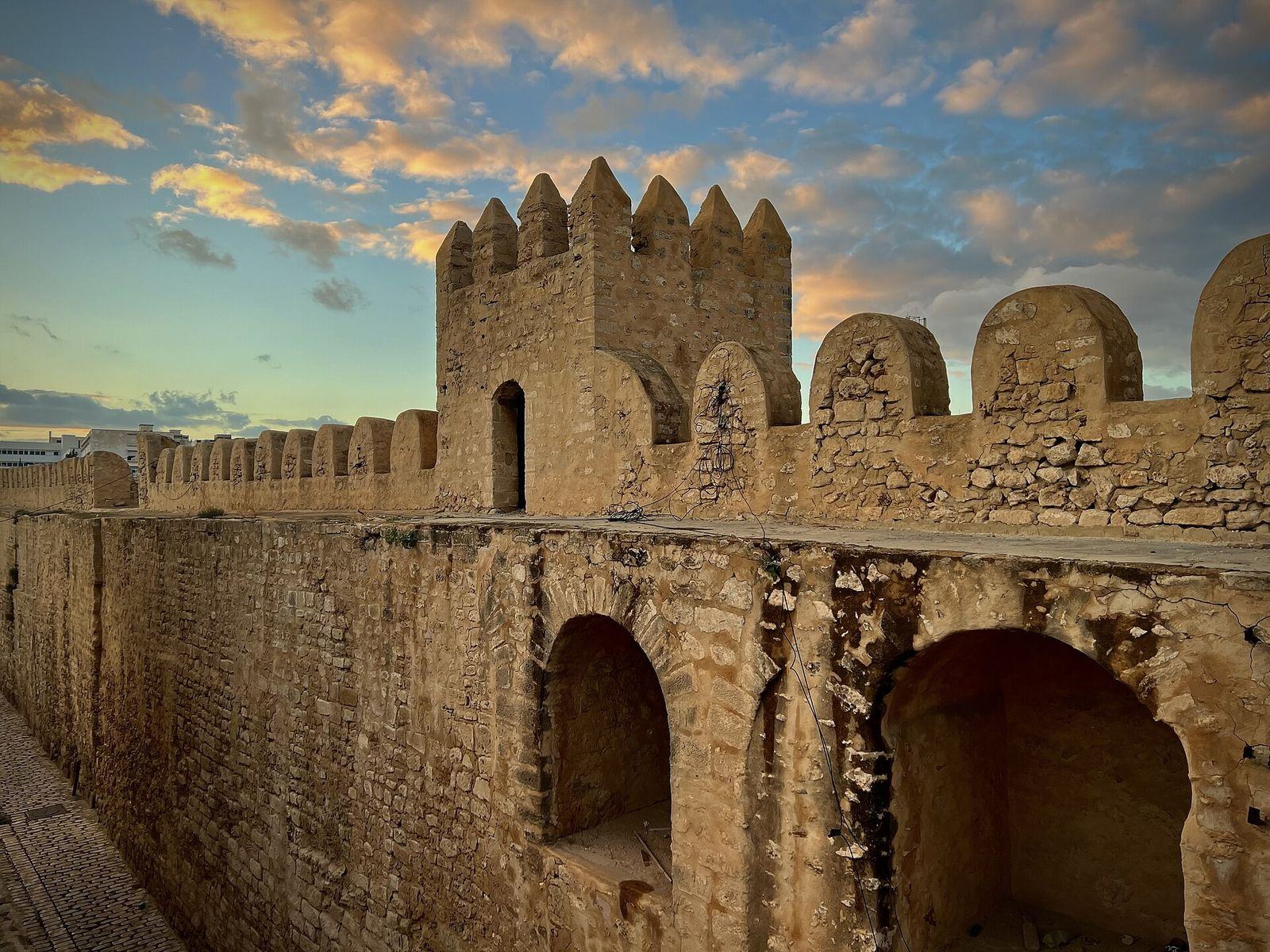
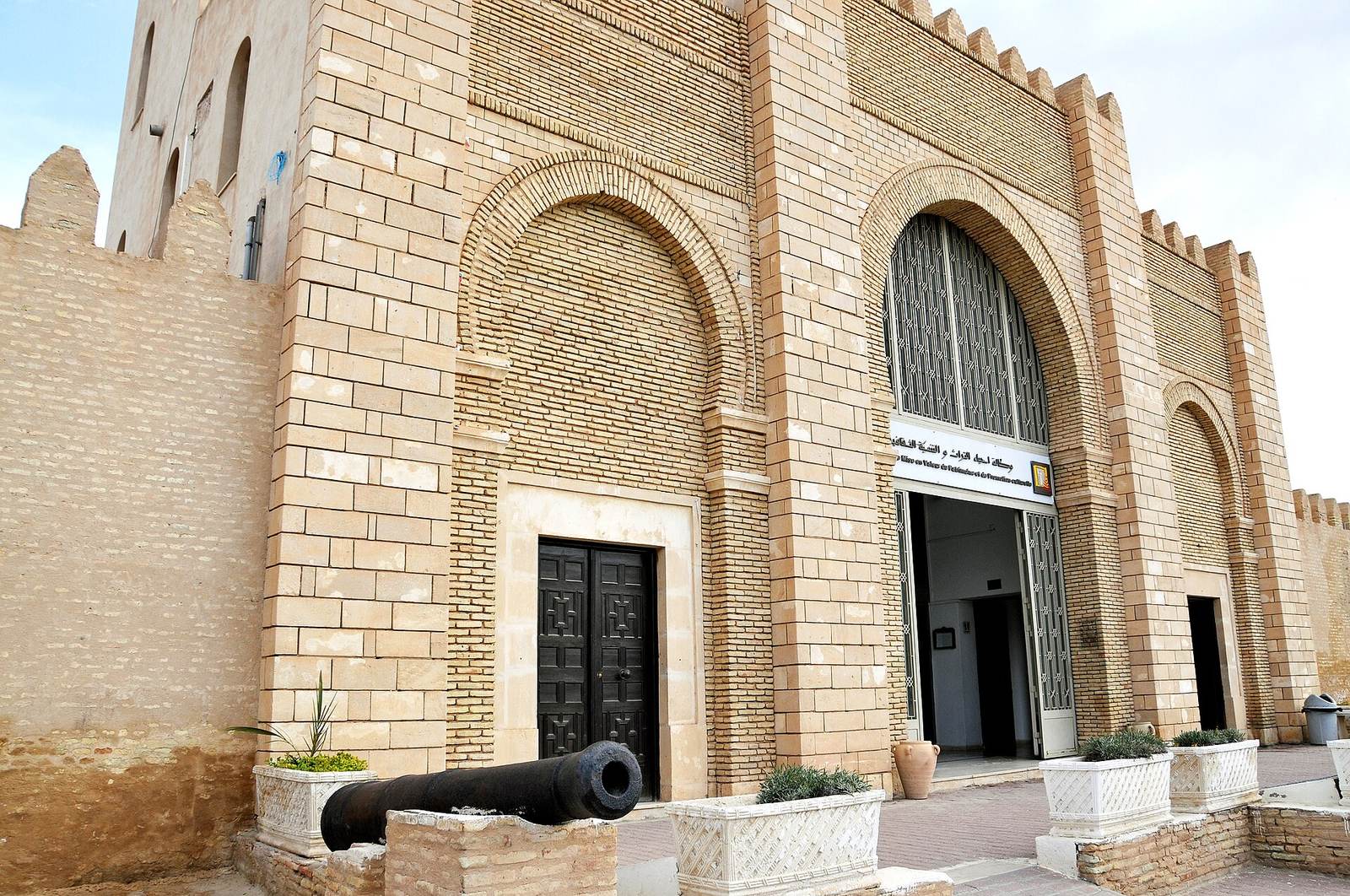
Carthage is a UNESCO World Heritage Site spread over several separate sites, most covered by one combined ticket. Start on Byrsa Hill, the old citadel, where the Carthage Museum and the remains of Punic houses look over the bay, beside the large Saint Louis Cathedral. Walk or take a taxi down to the Antonine Baths, the largest Roman baths in Africa, set right on the shore. The Punic Ports, a circular military harbour and a rectangular merchant one, are now quiet lagoons but still show the city's layout. The Tophet, a sanctuary with small stone markers, is one of the most haunting sites. Add the Roman villas, the theatre, still used for the Carthage International Festival in summer, and the huge cisterns at La Malga if you have time.
Sidi Bou Said
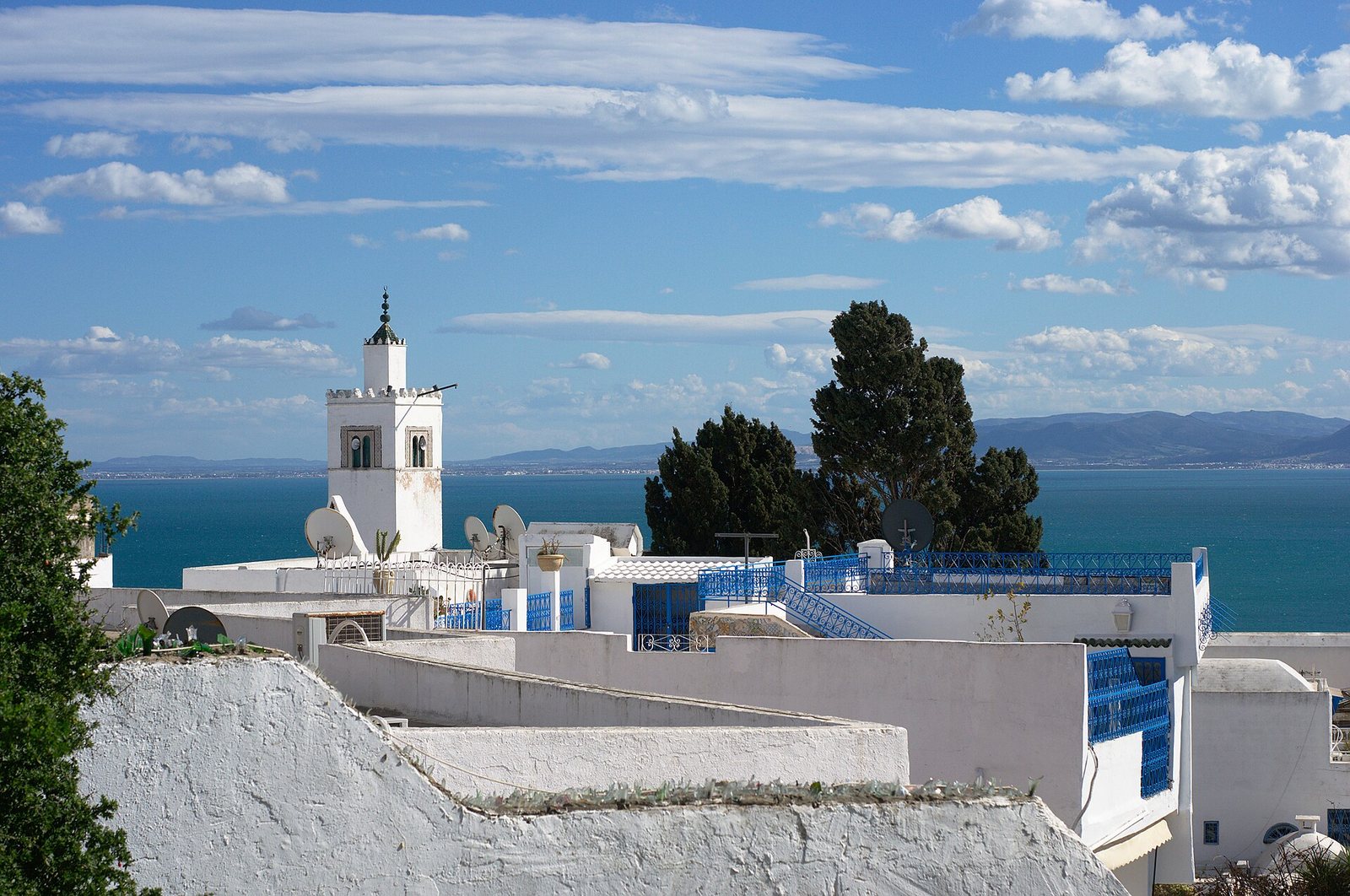
The village takes its name from a Sufi saint whose shrine still sits at the top of the hill. In the early twentieth century the painter and musicologist Baron Rodolphe d'Erlanger built his palace, Ennejma Ezzahra, here and helped protect the village's look: since then buildings have been white and blue by law. Walk the steep main street, peek into courtyards, and visit Ennejma Ezzahra, now a centre for Arab and Mediterranean music, and Dar El Annabi, a traditional house you can tour.
Cafés and food
Café des Délices, on terraces down the cliff, and Café des Nattes, at the top of the main steps, are institutions. Order thé aux pignons, mint tea with pine nuts, and a bambalouni, a sugared doughnut fried at stalls along the main street. For a meal, seafood restaurants line the hill and the marina below, and La Marsa next door has a wide choice of restaurants and the famous ice cream and fruit juice cafés on its corniche.
Beaches nearby
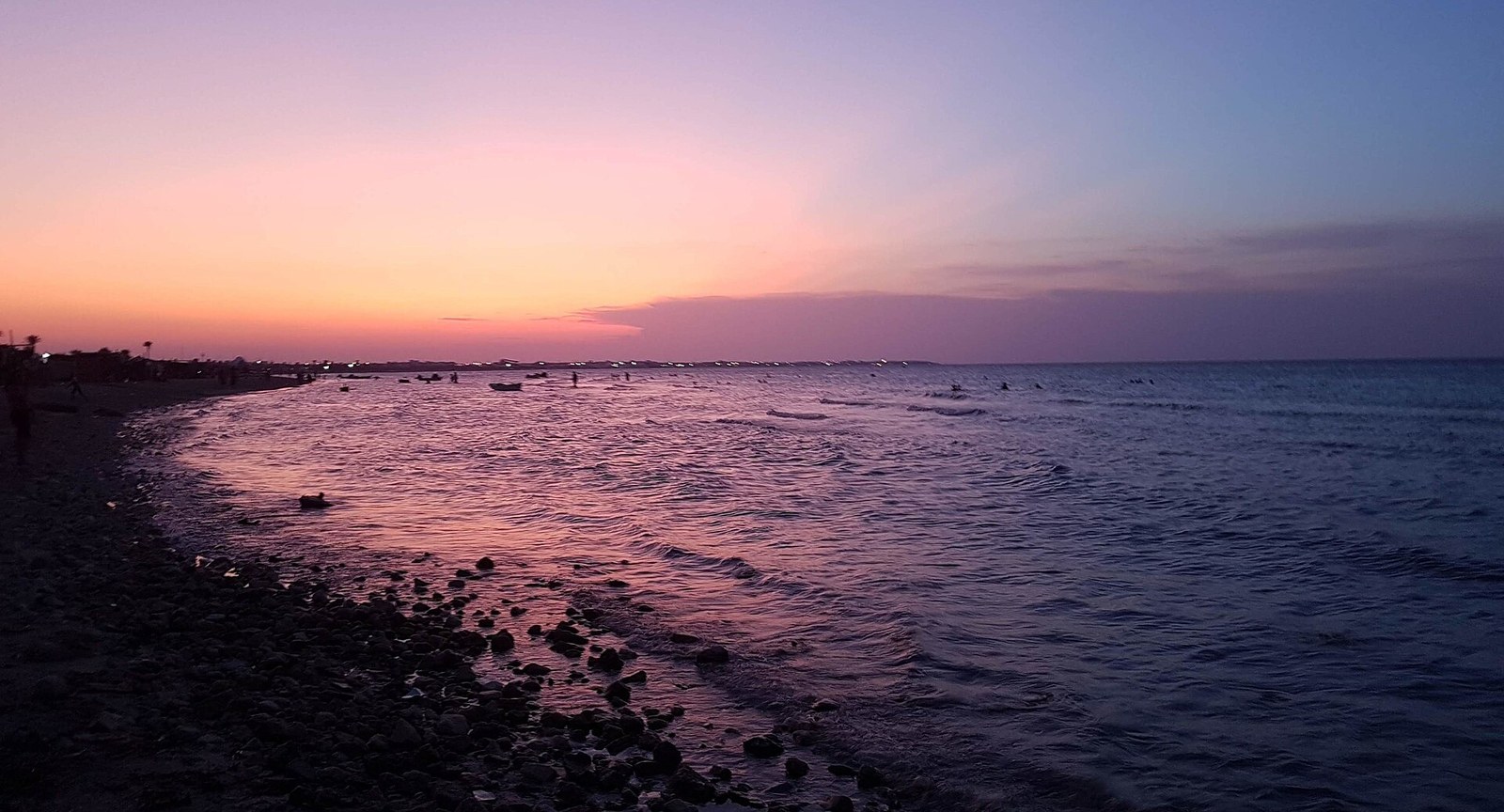
La Marsa and Gammarth have the closest decent beaches to Tunis, busy with families in summer. Further along, Raoued has a long sandy shore. They are pleasant for a swim but not the best in the country.
Getting there and around
The TGM light railway runs from Tunis Marine station along the causeway across the lagoon. Get off at the Carthage stations, such as Carthage Hannibal for Byrsa or Carthage Salammbô for the ports and Tophet, then continue to Sidi Bou Said. The Carthage sites are spread out over a few kilometres, so many visitors take short taxi hops between them. Wear good shoes: Sidi Bou Said is all slopes and steps.
Tips
Arrive early in Sidi Bou Said to see the village before the tour coaches, or stay for sunset when it gets lovely again. Weekends bring crowds of Tunisian families. Bring water and a hat for Carthage, where there is little shade. Note that the area around the presidential palace near Carthage is restricted, and photographing it is not allowed. Use the free trip planner to pair this day with Tunis.
Questions about Carthage and Sidi Bou Said
Can I visit Carthage and Sidi Bou Said in one day?
Yes. Most people see the main Carthage sites in the morning and spend the afternoon and sunset in Sidi Bou Said, using the TGM light railway and short taxi rides.
Is one ticket enough for Carthage?
A combined ticket covers most of the main sites, including Byrsa, the Antonine Baths and the Tophet. Buy it at the first site you visit and keep it with you.
Is Sidi Bou Said a good place to stay?
Yes, if you want a calm and pretty base near Tunis. Guesthouses here are atmospheric, and evenings after the day visitors leave are quiet and romantic.
What should I wear in Sidi Bou Said?
Light, comfortable clothes and good walking shoes. Covering shoulders and knees is respectful near the shrine and in the village, though dress here is relaxed.
Facts checked . Fees, schedules and entry rules change, so always confirm the latest with the official source.