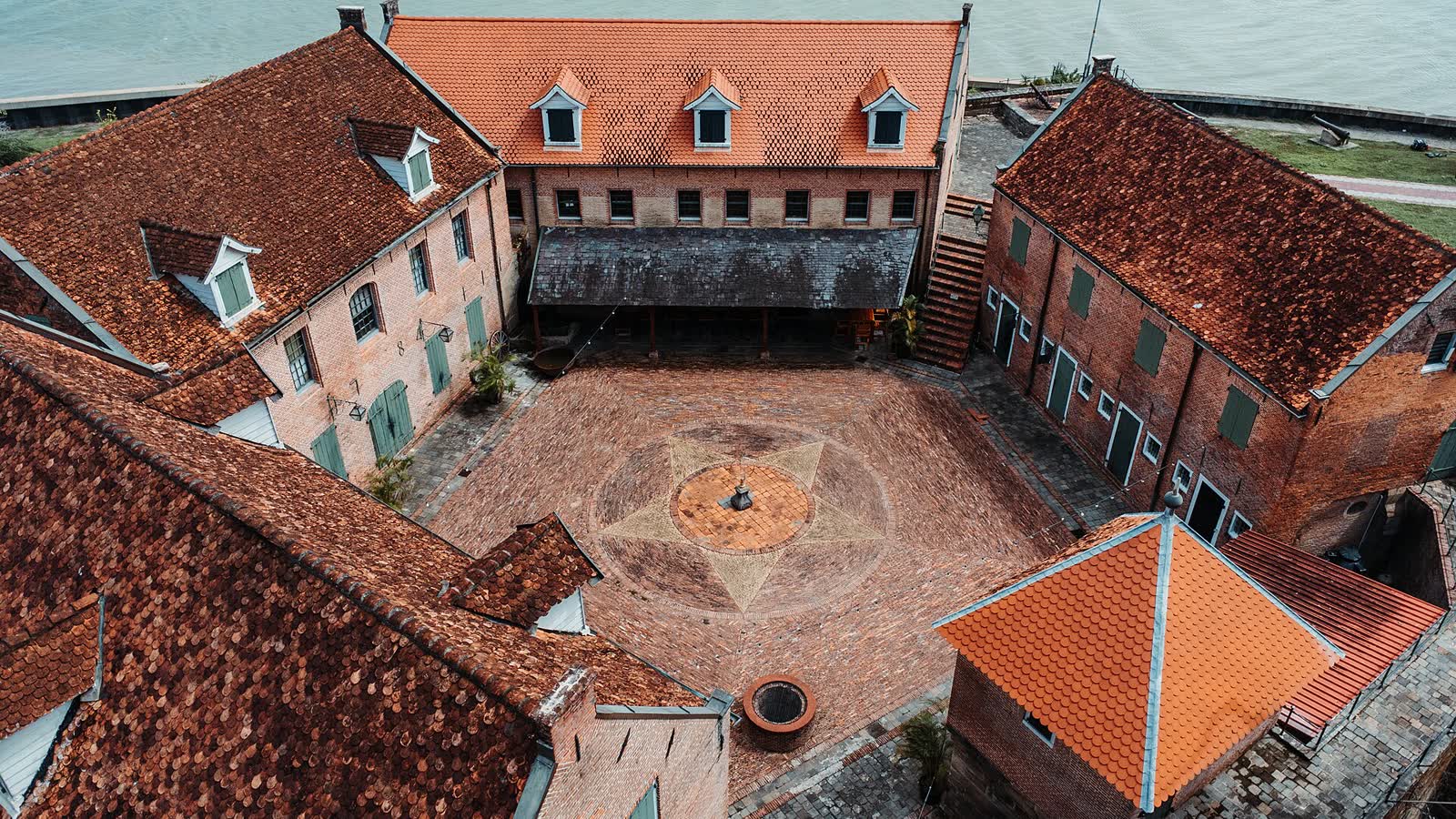
Fort Zeelandia, Paramaribo, Photo: Junie609, CC BY-SA 4.0 , via Wikimedia Commons
Find your Bliss in Suriname
Suriname, made simple: Paramaribo's wooden old town, river villages in the rainforest and roti that tastes of three continents
Suriname is South America's smallest country and one of its most surprising: a Dutch speaking corner of the Caribbean coast where a mosque and a synagogue stand side by side, nine tenths of the land is rainforest, and Maroon villages line the rivers. It is known for the UNESCO listed wooden centre of Paramaribo, plantation country across the river, nesting sea turtles and a kitchen shaped by Hindustani, Javanese, Creole, Chinese, Maroon and Indigenous cooks. This guide explains how it all works so you arrive relaxed and ready to explore.
Your trip, step by step
- Before you goEntry rules, yellow fever, rainy seasons, travel advice and insurance, answered
- ArrivingJohan Adolf Pengel International Airport, the long road into Paramaribo and your first night, explained
- Your days in SurinameThe old town, plantations, river lodges, rainforest and turtle beaches, planned with care
- Heading homeEarly airport departures, what to pack from the markets and one last roti, so the end is calm too
Where to go, eat and stay
- Plain answersClear, honest guidance on the questions first-timers actually ask.
- Official sourcesEntry, health and safety facts point you to the official pages to confirm.
- No price surprisesWe explain cash, cards, exchange, taxis and lodge packages so nothing catches you off guard.
- Free to useEvery guide and the trip planner are free.
Our promise
Suriname should feel like a discovery, not a worry. We answer the questions about entry, money, safety, river travel and the weather before they start, so you arrive confident and ready to find your Bliss.
Most visitors spend a few days in Paramaribo, cross the river to the Commewijne plantations, then head inland to a lodge on the Upper Suriname River or up to Brownsberg. This guide shows how to do it at an easy, realistic pace.
How to use this guide
Four steps from first idea to a trip that feels easy.
- Choose your mixOld town and food, plantation cycling, a river lodge, rainforest hikes or turtle beaches: start with the destinations that fit you.
- Sort the essentialsEntry for your passport, yellow fever advice, the right season, cash and current travel advice, checked against official sources.
- Pick your placesUse our places to visit list for warungs, roti shops, markets, lodges, festivals and stays across the country.
- Plan your routeUse the free trip planner to balance Paramaribo, the plantations and the interior with realistic travel times.
Everything your Suriname trip needs
Free tools and guides for every stage of the journey.
Destinations
Paramaribo, Commewijne, the Upper Suriname River, Brownsberg, the Central Suriname Nature Reserve and the turtle coast, each explained in depth.
Explore destinationsPlaces to visit
More than a hundred warungs, markets, lodges, festivals and hidden corners.
See places to visitFlights and stays
Search flights into Johan Adolf Pengel International Airport and stays around the country.
Plan travelPlaces finder
Restaurants, sights and stays mapped around each base.
Find placesFree trip planner
Tell us your dates and interests and build a route that fits.
Plan your trip
Rainforest and roots
Many cultures, one small country wrapped in rainforest
Suriname packs Hindustani temples, Javanese warungs, Creole festivals, Maroon river villages, Chinese shops and Indigenous coastal communities into a country where almost everyone lives on a thin strip of coast. Behind it lies some of the most intact tropical forest on Earth. In one trip you can walk the white wooden streets of Paramaribo, cycle between old plantations, sleep in a lodge on the Suriname River and watch leatherback turtles nest on a wild beach.
- UNESCO listed old town and Fort Zeelandia in Paramaribo
- Plantations, dolphins and mangroves across the river in Commewijne
- Maroon villages, rapids and rainforest lodges up the Suriname River
Start with the destinations
See how the capital, the plantations, the rivers and the forest fit together.
Suriname destinationsPlan with confidence
Your Suriname trip, without the worry
Suriname rewards a little preparation: entry checked for your passport, cash and exchange sorted, interior lodges booked as packages, safe ways to get around Paramaribo after dark, and a sense of the two rainy seasons. Our free planner helps you shape it.
- Realistic travel times by road, boat and small plane
- The right lodges for wildlife, culture, families or comfort
- Festival dates such as Owru Yari, Phagwa, Keti Koti and Diwali
Where to go in Suriname
From the wooden capital to plantation country, the great rivers, the rainforest and the turtle beaches.
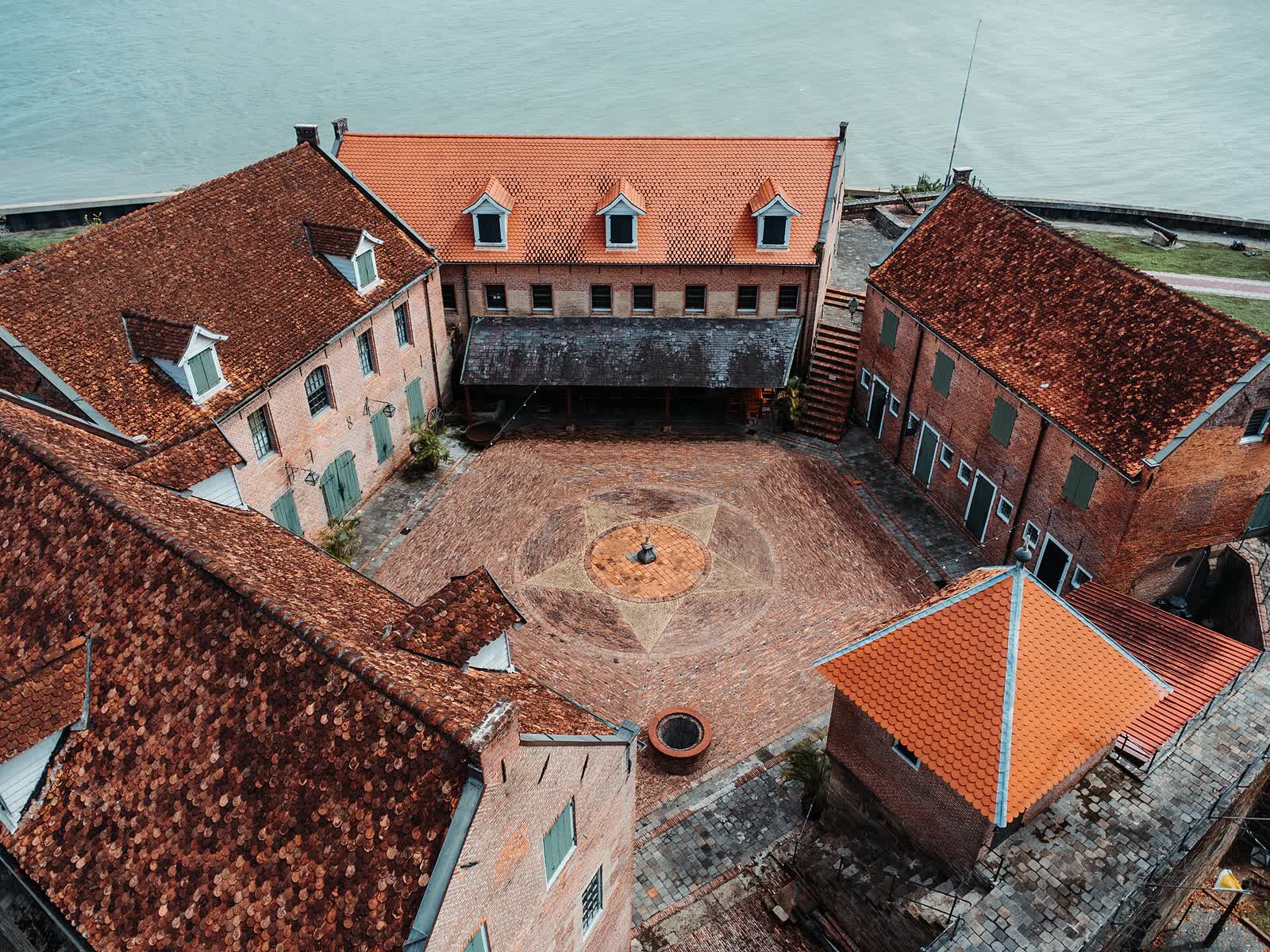
Paramaribo District, Suriname
Paramaribo
A riverside capital of white wooden houses, palm gardens, a mosque beside a synagogue and food from half the world.
Read the guidePhoto: Junie609, CC BY-SA 4.0 , via Wikimedia Commons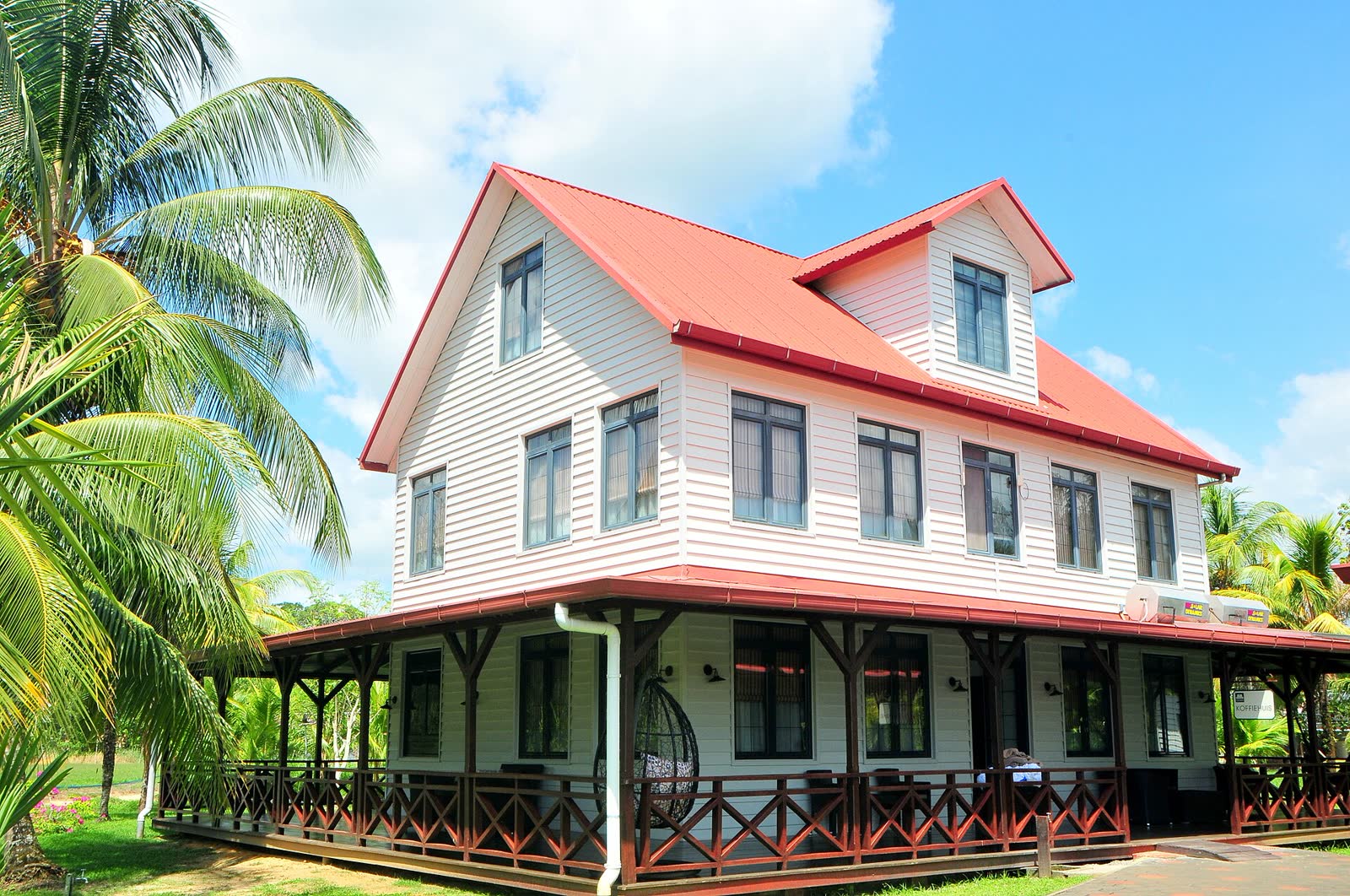
Commewijne District, Suriname
Commewijne
Old sugar and coffee plantations, a star fort, river dolphins and flat green lanes made for bikes, just across the river from the capital.
Read the guidePhoto: Sharmil2672, CC BY-SA 4.0 , via Wikimedia Commons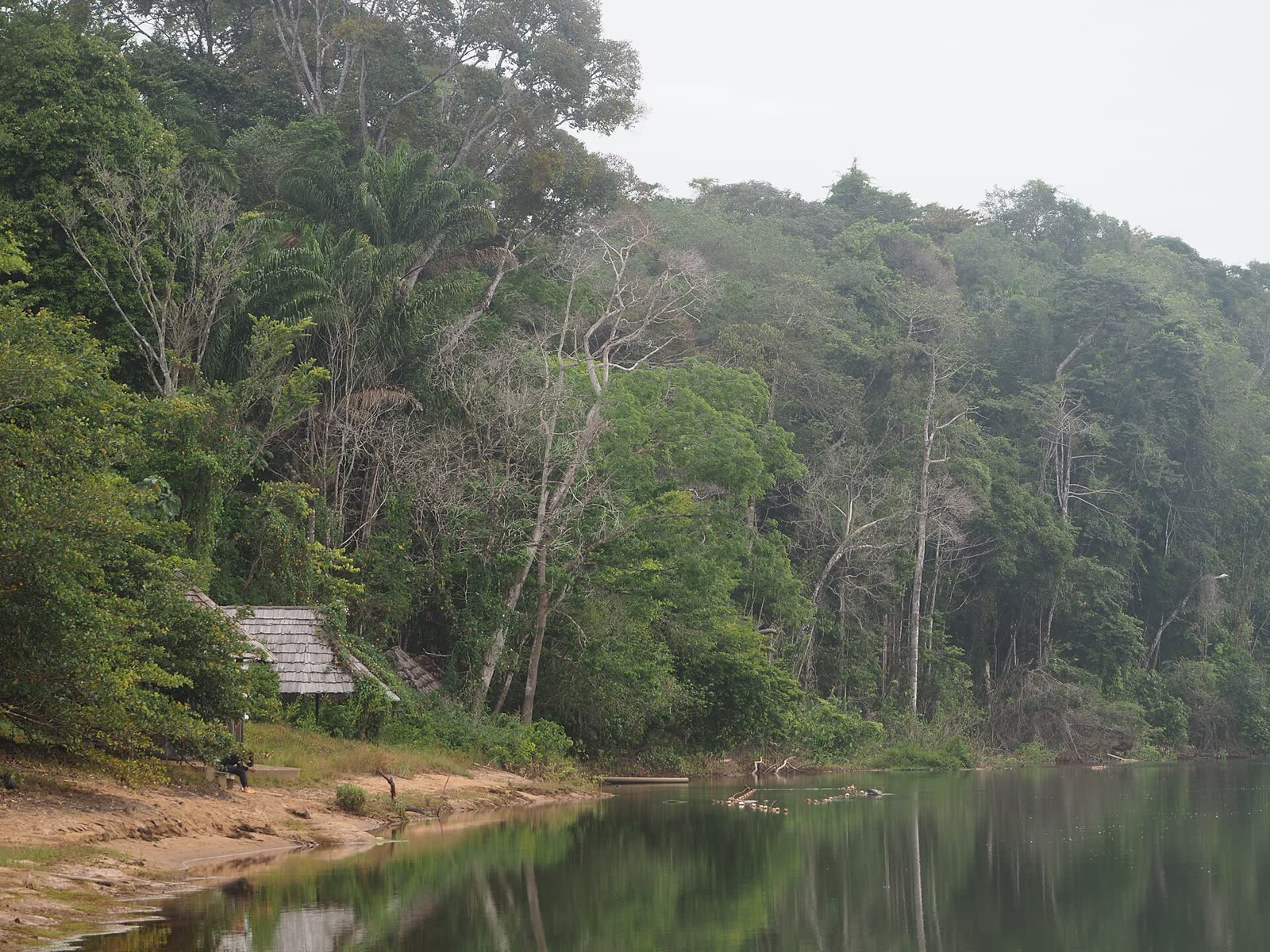
Sipaliwini District, Suriname
Upper Suriname River
A dugout canoe ride into Saamaka Maroon country, with island lodges, rapids to swim in and village life unchanged in many ways for generations.
Read the guidePhoto: Andrawaag, CC BY-SA 4.0 , via Wikimedia Commons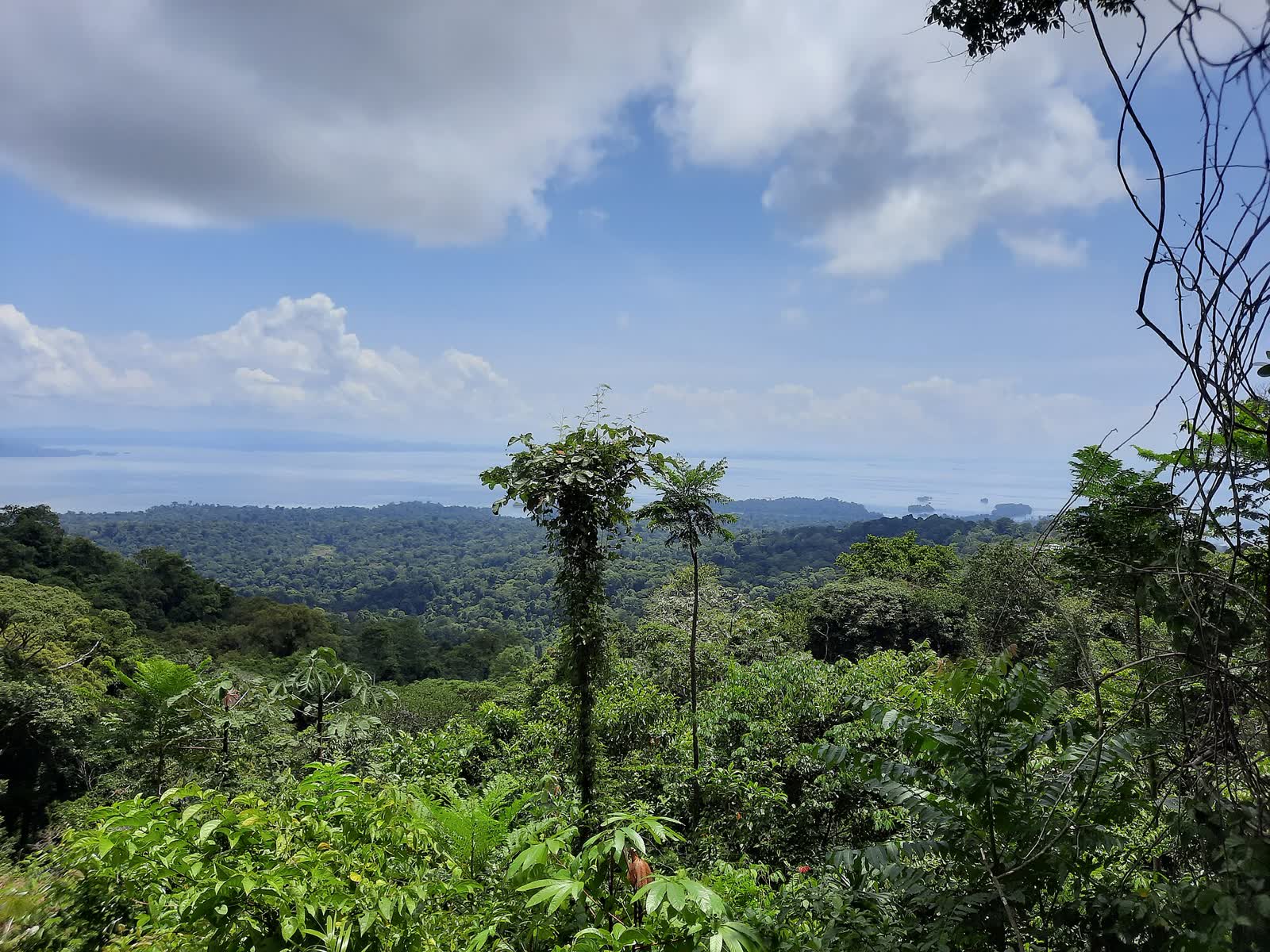
Brokopondo District, Suriname
Brownsberg and Brokopondo
A cool forested plateau full of monkeys and waterfalls, high above the drowned forest of Lake Brokopondo.
Read the guidePhoto: Ymnes, CC BY-SA 4.0 , via Wikimedia Commons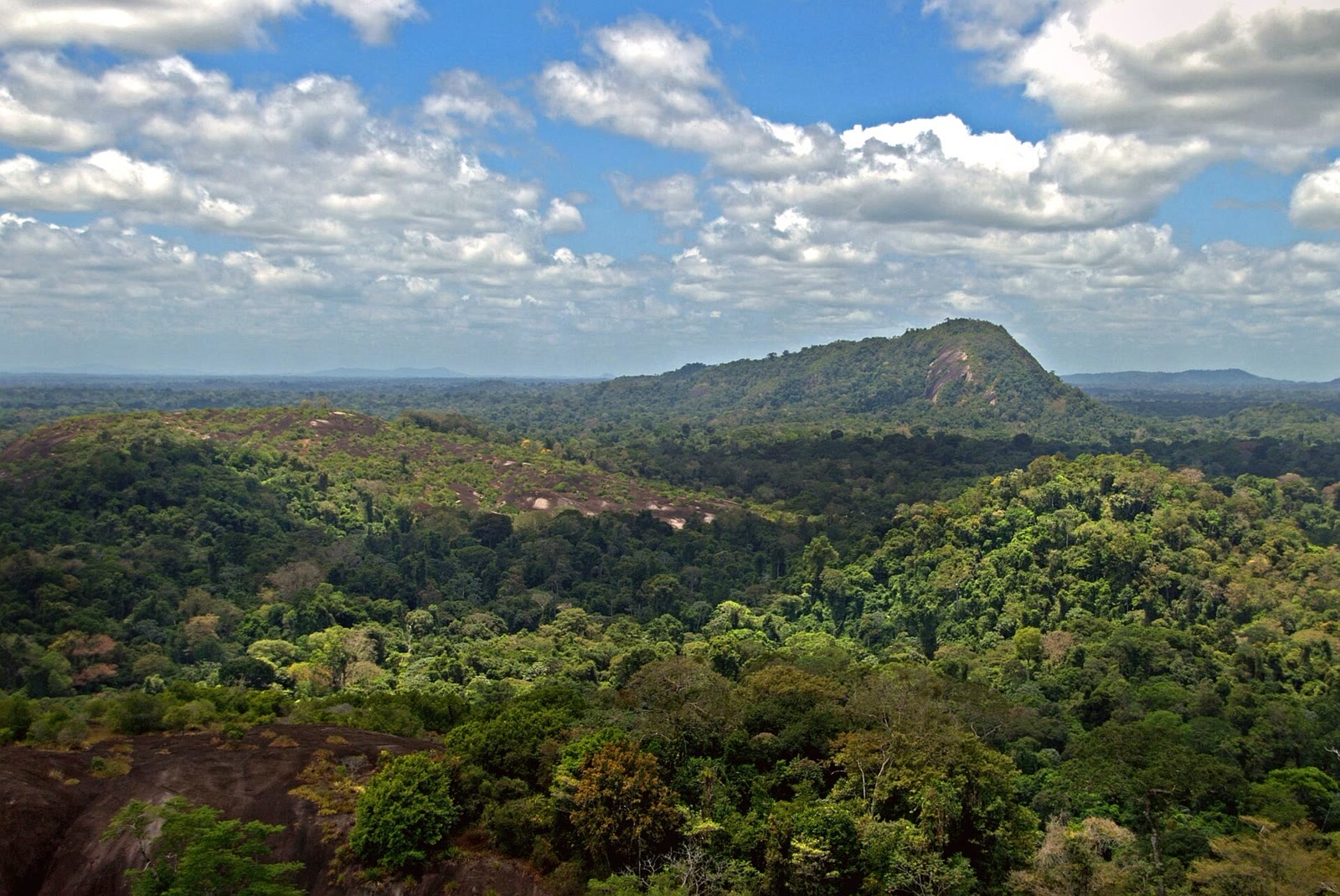
Sipaliwini District, Suriname
Central Suriname Nature Reserve
A UNESCO listed wilderness of untouched rainforest, granite domes and rapids, reached by small plane or a long river journey.
Read the guidePhoto: David Evers, CC BY 2.0 , via Wikimedia Commons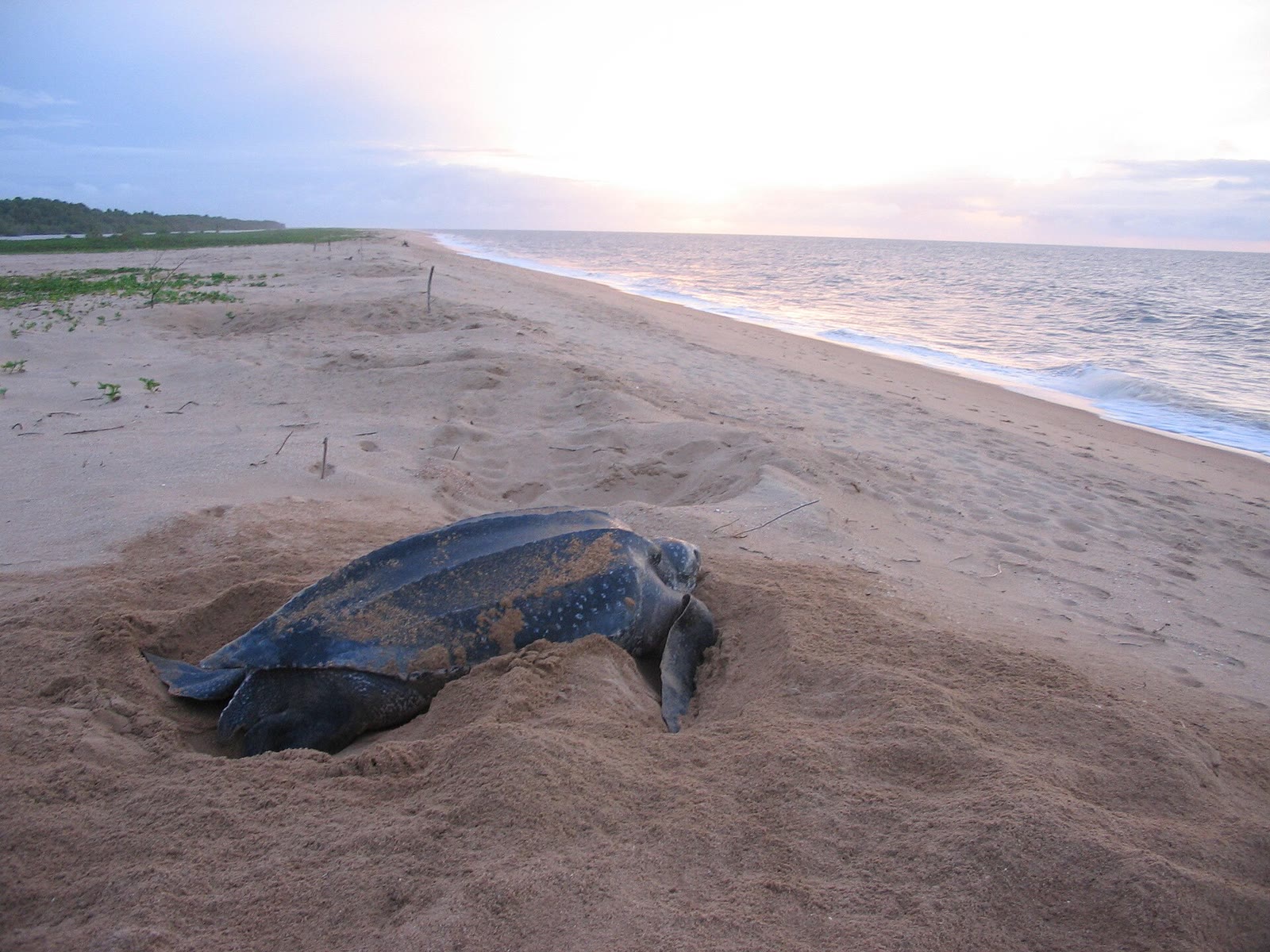
Marowijne District, Suriname
Galibi and Marowijne
Wild beaches where giant leatherback turtles come ashore to nest, Indigenous Kaliña villages and the river border with French Guiana.
Read the guidePhoto: JuliasTravels, CC BY-SA 3.0 , via Wikimedia Commons
A note from our founder
A note from our founder
My first time visiting Kenya, I was genuinely surprised with how fast it began feeling like home. The people are so friendly, the food is delicious and familiar, and the accommodations are modern and upscale.
During my travels throughout the continent, I commonly hear tourists share stories about being scammed or taken advantage of, which is both frustrating and disheartening.
Living in Kenya for the last 2 years, I have had the great fortune to meet a network of wonderful Kenyans who have continuously help guide my family's journey. Their shared knowledge has not only greatly enhanced our overall experience here, but it has also saved us tons of time, energy, and resources.
With BlissPoint Travel, my hope is to build a global community that is willing to share useful, uncommon knowledge so that we can all blissfully enjoy the wonders our world has to offer.
Questions we hear most
Is Suriname worth visiting?
Yes, especially if you like culture, food and nature without crowds. Paramaribo's old town is unique in the Americas, and the interior offers rainforest, rivers and Maroon villages that few travellers ever see.
What language is spoken in Suriname?
Dutch is the official language and is used in schools, government and signs. Sranan Tongo is the everyday language most people share, and Sarnami, Javanese and other languages are widely spoken. Many people, especially in tourism, speak good English.
Do I need a visa for Suriname?
It depends on your passport. Some nationalities enter visa free, while many others must apply online before travel. Check the official Suriname government and e-visa information for your passport before you book.
How many days do I need in Suriname?
A week covers Paramaribo, a plantation day in Commewijne and a two or three night river lodge trip. Ten to fourteen days lets you add Brownsberg, the turtle beaches or a flight deep into the rainforest.
Is Suriname safe for tourists?
Most visits are trouble free, but petty crime and occasional robberies happen in Paramaribo. Use registered taxis at night, keep valuables out of sight and read current government travel advice before you go.
What is the best time to visit Suriname?
The long dry season, roughly mid August to November, is the most popular. February to April is a shorter, drier spell, and turtle nesting peaks from around March to July.
Start planning your Suriname trip
Use the free trip planner to combine Paramaribo, the plantations and the interior into one easy route, or contact us with a question.