At a glance
- Best for
- Colonial wooden architecture, food, markets and culture
- Nearest airport
- Johan Adolf Pengel International, about an hour by road
- Time needed
- Two to three days, plus day trips
- Best time
- The long dry season, roughly mid August to November
- Getting around
- Walking in the centre by day, taxis at night
- Good to know
- The historic inner city is a UNESCO World Heritage Site
Why visit Paramaribo
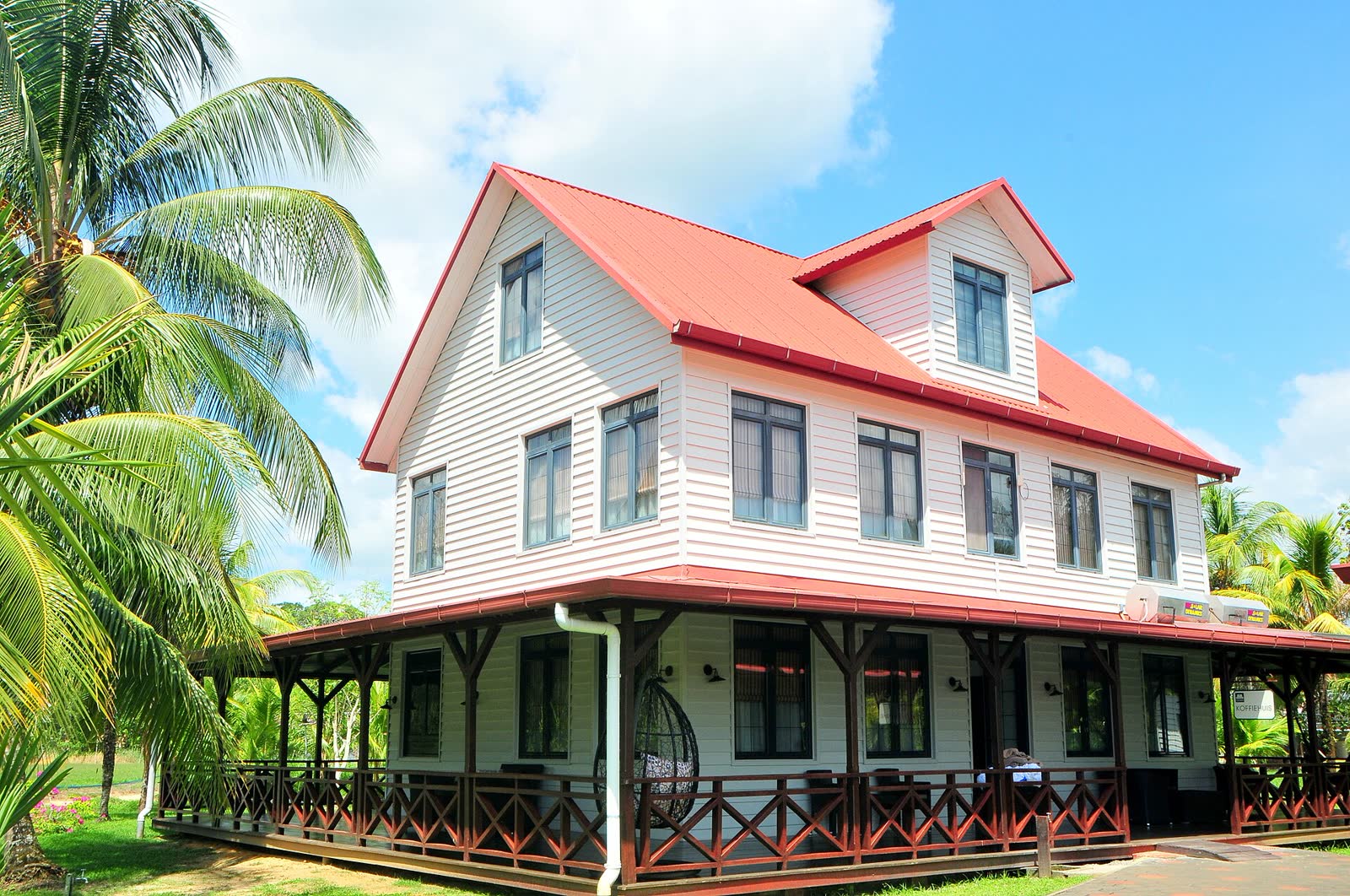
Paramaribo grew from a small Dutch trading post into the capital of a plantation colony, and its old town still follows the street plan laid out in the seventeenth and eighteenth centuries. The houses are wooden, painted white with green shutters and dark red roofs, built on brick foundations to keep them dry. Many have been restored, some are sagging, and the result is a city that feels lived in rather than preserved behind glass.
It is also one of the most peaceful mixes of faiths you will find. On Keizerstraat the Neve Shalom Synagogue and the Keizerstraat Mosque stand next to each other, and a short walk takes you to Hindu temples, Moravian churches and the huge wooden Saints Peter and Paul Cathedral.
The main sights
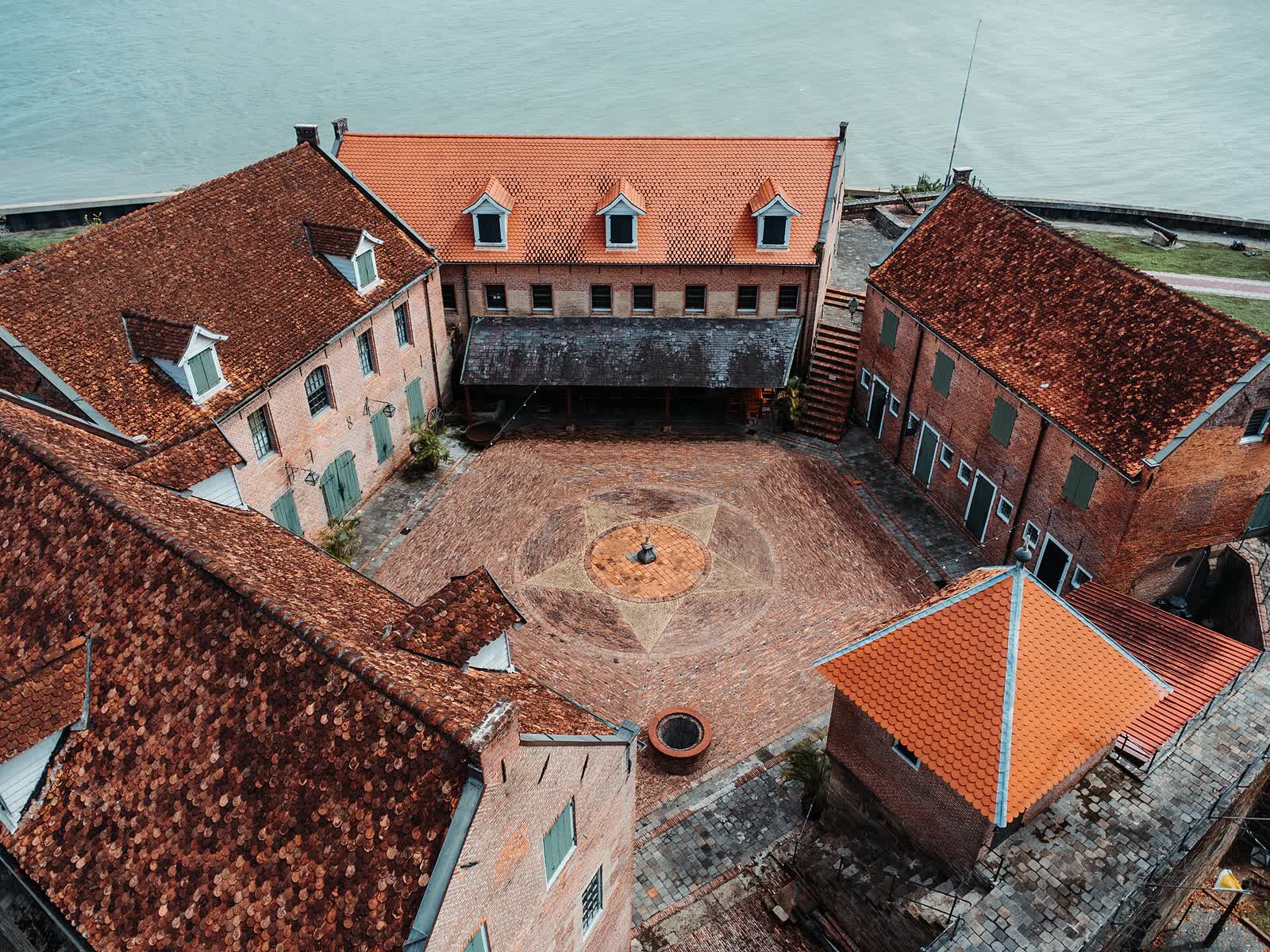
Start at **Fort Zeelandia**, the star shaped fort on the river that now houses the Suriname Museum. Its exhibits cover colonial history, slavery and the dark December murders of 1982, and the riverside lawn is lovely at sunset. From there walk to **Independence Square**, with the white Presidential Palace on one side, and into the **Palm Garden** behind it, a shady grove of tall royal palms.
The **Waterkant** is the riverfront street of grand old merchant houses. In the evening, food stalls and bars set up nearby and locals come out for the breeze. Further along is the **Central Market**, a huge, noisy hall of vegetables, fish, spices, herbs and medicinal plants, best visited in the morning.
Do not miss **Saints Peter and Paul Cathedral** on Henck Arronstraat, one of the largest wooden buildings in the Americas, with a warm, honey coloured interior. The **Kwakoe statue** near the Central Market honours the end of slavery, and the area around it fills with people on Keti Koti, the first of July.
Food
Paramaribo is the country's kitchen. Try **roti** with chicken and potato at a Hindustani roti shop, **bami** and **nasi** at a Javanese warung, **pom**, a baked dish of tayer root and chicken, at Creole bakeries, and **broodje pom** sandwiches everywhere. The warungs of **Blauwgrond**, in the north of the city, are a local favourite for saoto soup and saté in the evening. Chinese restaurants are everywhere too, and there are good cafés for coffee and Dutch style pastries in the centre.
Where to stay
Most visitors stay in or near the old town, within walking distance of the river, or around the **Torarica** area on the waterfront, which has the largest hotels and a casino. Guesthouses in restored wooden houses offer more character for less. If you want quiet, the leafy suburbs north of the centre have small hotels with pools, but you will need taxis.
Staying safe
The centre is pleasant by day. After dark, take a taxi rather than walking back through empty streets, keep phones out of sight and avoid the riverbank paths at night. Bag snatching from motorbikes happens, so carry bags on the side away from the road. Read the current advice from your government before you go.
Day trips
The easiest escape is across the river to Commewijne for plantations and dolphins. Jodensavanne, the ruins of a seventeenth century Jewish settlement, and the creek resorts of Para district are popular half day or full day trips.
Questions about Paramaribo
How many days do I need in Paramaribo?
Two or three days covers the old town, Fort Zeelandia, the markets and the food, plus a day trip across the river to Commewijne.
Is Paramaribo walkable?
The historic centre is compact and easy to walk by day. Use taxis to reach outer neighbourhoods and to get back to your hotel at night.
What should I eat in Paramaribo?
Roti, pom, bami, nasi, saoto soup, broodje pom and moksi alesi. Visit a Javanese warung in Blauwgrond and a Hindustani roti shop at least once.
Is Paramaribo safe at night?
Busy areas near the Waterkant and the main hotels are fine with care, but quiet streets can be risky. Take a taxi after dark and keep valuables hidden.
Facts checked . Fees, schedules and entry rules change, so always confirm the latest with the official source.