At a glance
- Best for
- Cycling, plantation history, dolphins and birds
- Nearest airport
- Johan Adolf Pengel International, about an hour and a half by road
- Time needed
- A full day, or one or two nights
- Best time
- Dry season mornings, roughly mid August to November
- Getting around
- Bike, tour bus or water taxi from Paramaribo
- Good to know
- Bring sun protection and insect repellent for the open roads
Why visit Commewijne
In the eighteenth century the banks of the Commewijne River were lined with dozens of plantations growing sugar, coffee, cocoa and cotton, worked by enslaved Africans and later by contract labourers from India, Java and China. Many plantations have been swallowed by the forest, but some survive as villages, guesthouses and ruins. Driving or cycling the quiet roads, you pass Javanese kampongs, Hindu prayer flags, rice fields and cattle, with herons rising from the ditches.
The main sights
**Fort Nieuw Amsterdam** is a star shaped fortress at the meeting of the two rivers, now an open air museum with exhibits on slavery, contract labour and colonial defence. Climb the walls for views over the water.
**Marienburg** was once one of the largest sugar estates in the Caribbean. The rusting factory, the railway tracks and the old managers' houses tell the story of a plantation that ran until the twentieth century, and the village around it is still home to descendants of Javanese workers.
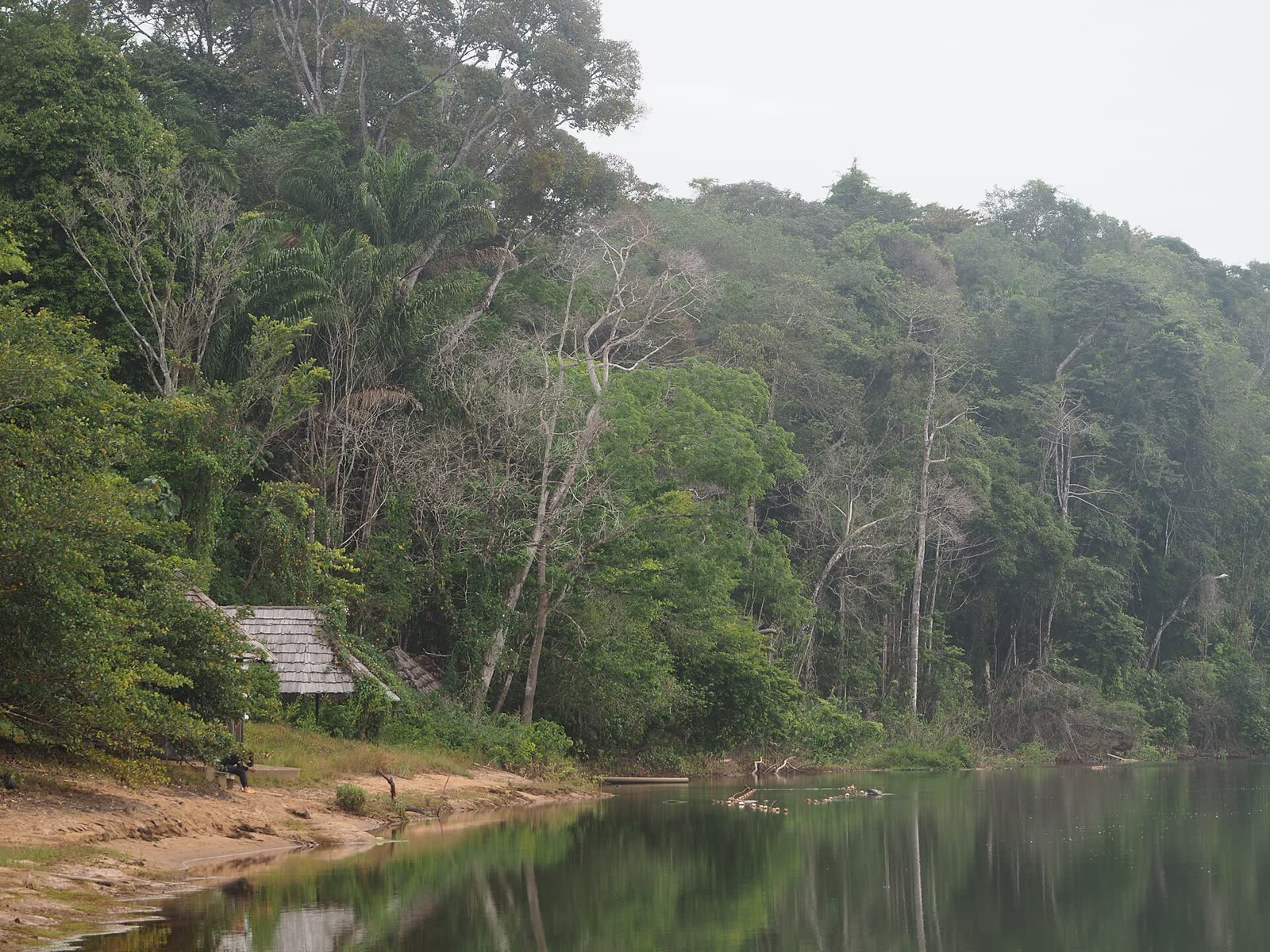
**Peperpot Nature Park** is a former coffee and cocoa plantation where trails run through secondary forest. Early in the morning you can see monkeys, sloths and many birds, including toucans and hoatzins, and the old plantation buildings sit at the entrance.
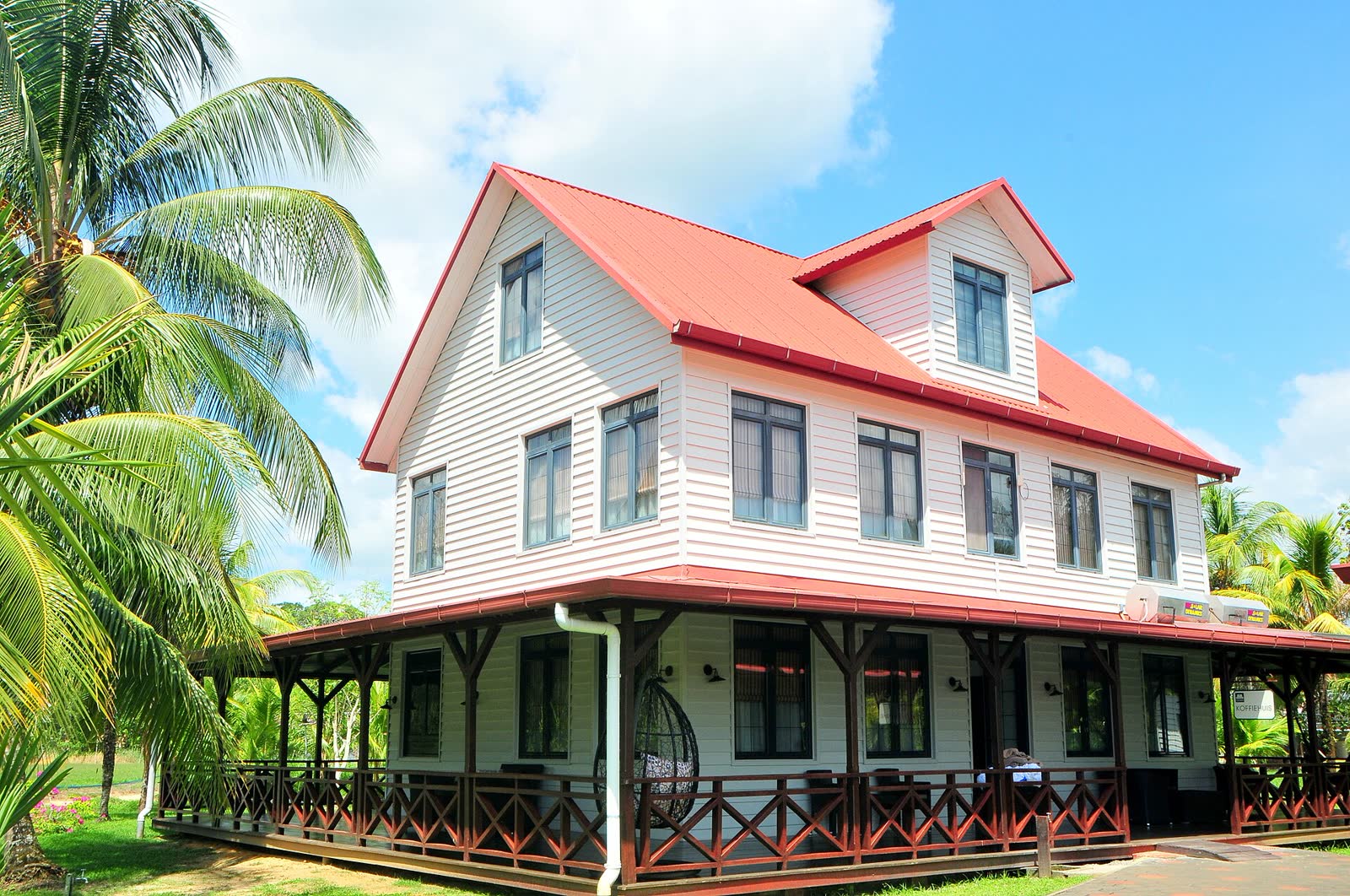
**Frederiksdorp** is a restored plantation with wooden buildings by the water, a small museum and rooms for an overnight stay.
Dolphins and mangroves
Guyana dolphins, a small grey and pink species, live where the rivers meet near Leonsberg and Nieuw Amsterdam. Boat trips leave from the Paramaribo side in the late afternoon and often combine dolphin spotting with a sunset over the water. Further east, the mangrove coast around **Matapica** has a wild beach where turtles nest in season, reached by boat through narrow creeks.
Cycling the plantations
The classic way to see Commewijne is by bike. Cross on a small boat from Leonsberg with your bike, then ride a flat loop past Marienburg, Peperpot and the plantation lanes. Bike rental shops in Paramaribo can advise on routes and arrange the crossing. Start early, carry plenty of water and avoid the heat of midday.
Getting there
Commewijne is reached by the Jules Wijdenbosch Bridge from Paramaribo, by small boat from Leonsberg, or on organised day tours that include transport and lunch. Roads are good but quiet, and there is little public transport once you leave the main villages.
Where to stay
Most people visit on a day trip, but a night on a plantation is peaceful and lets you see birds at dawn. Restored plantation guesthouses offer simple, comfortable rooms by the river.
A suggested day
Leave Paramaribo early and cross to Commewijne before the heat builds. Spend the first hours at Peperpot, when monkeys and birds are most active, then ride or drive to Marienburg to see the old sugar factory and the village around it. Stop for bami or saoto at a small Javanese warung for lunch. In the afternoon visit Fort Nieuw Amsterdam, then finish with a dolphin boat trip at sunset before heading back across the river. If you stay overnight, you can do the same at a slower pace and add a boat trip to the mangroves or Matapica.
Good to know
There are few cash machines once you leave the main villages, so carry cash for entry fees, drinks and lunch. Shade is limited on the open roads, so a hat and long sleeves help as much as sunscreen.
Questions about Commewijne
Can I visit Commewijne as a day trip?
Yes. It is the most popular day trip from Paramaribo, either on a guided tour or by bike with a boat crossing from Leonsberg.
Where can I see dolphins in Suriname?
Guyana dolphins live where the Suriname and Commewijne rivers meet. Late afternoon boat trips from the Paramaribo side give good chances of seeing them.
Is cycling in Commewijne safe?
The roads are flat and quiet. Ride in daylight, carry water and sun protection, and stick to known routes suggested by your rental shop.
What is Fort Nieuw Amsterdam?
A star shaped eighteenth century fortress at the meeting of the rivers, now an open air museum about defence, slavery and contract labour.
Facts checked . Fees, schedules and entry rules change, so always confirm the latest with the official source.