At a glance
- Best for
- Rainforest hikes, monkeys, waterfalls and lake views
- Nearest airport
- Johan Adolf Pengel International, about two to three hours by road
- Time needed
- A long day trip, or one or two nights
- Best time
- The dry season, when trails are less muddy
- Getting around
- Tour packages with transport, or a sturdy vehicle with a driver
- Good to know
- The road up the plateau is steep and rough after rain
Why visit
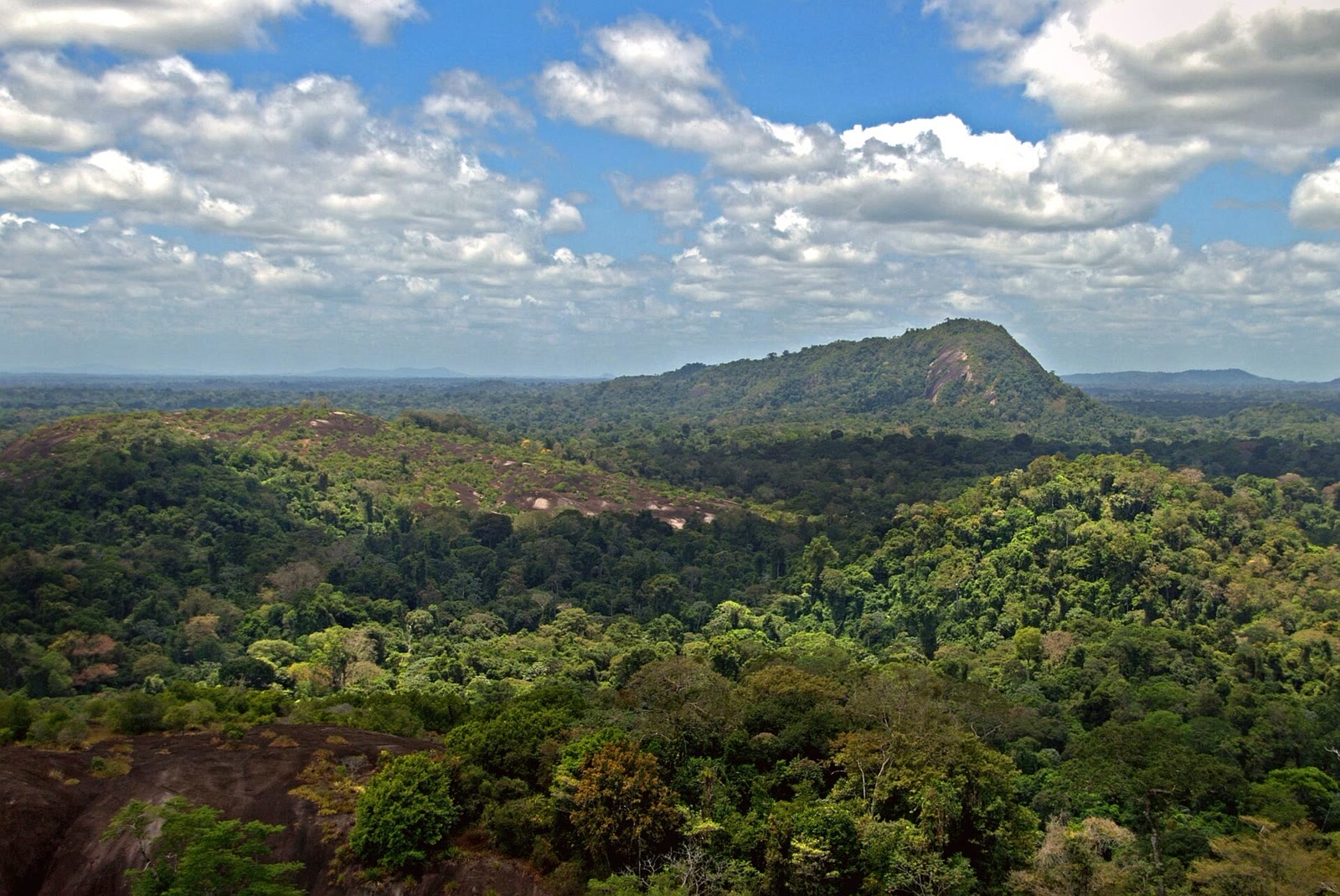
Brownsberg is run by the nature foundation STINASU and protects a block of montane rainforest on the edge of the interior. Mist often hangs in the trees in the morning, the air is cooler than on the coast, and the forest is full of sound. Red howler monkeys roar at dawn, brown capuchins and spider monkeys move through the canopy, and agoutis cross the trails. Bird lovers come for toucans, trogons, parrots and, with luck, a harpy eagle.
Trails and waterfalls
A network of trails leads from the visitor area at the top of the plateau down into the forest to several waterfalls, including **Leo Val** and **Irene Val**. The walks are steep in places and slippery after rain, and the climb back up is the hardest part, so take it slowly and bring water. A guide adds a great deal: they spot animals you would walk past and know the plants used by Maroon and Indigenous communities.
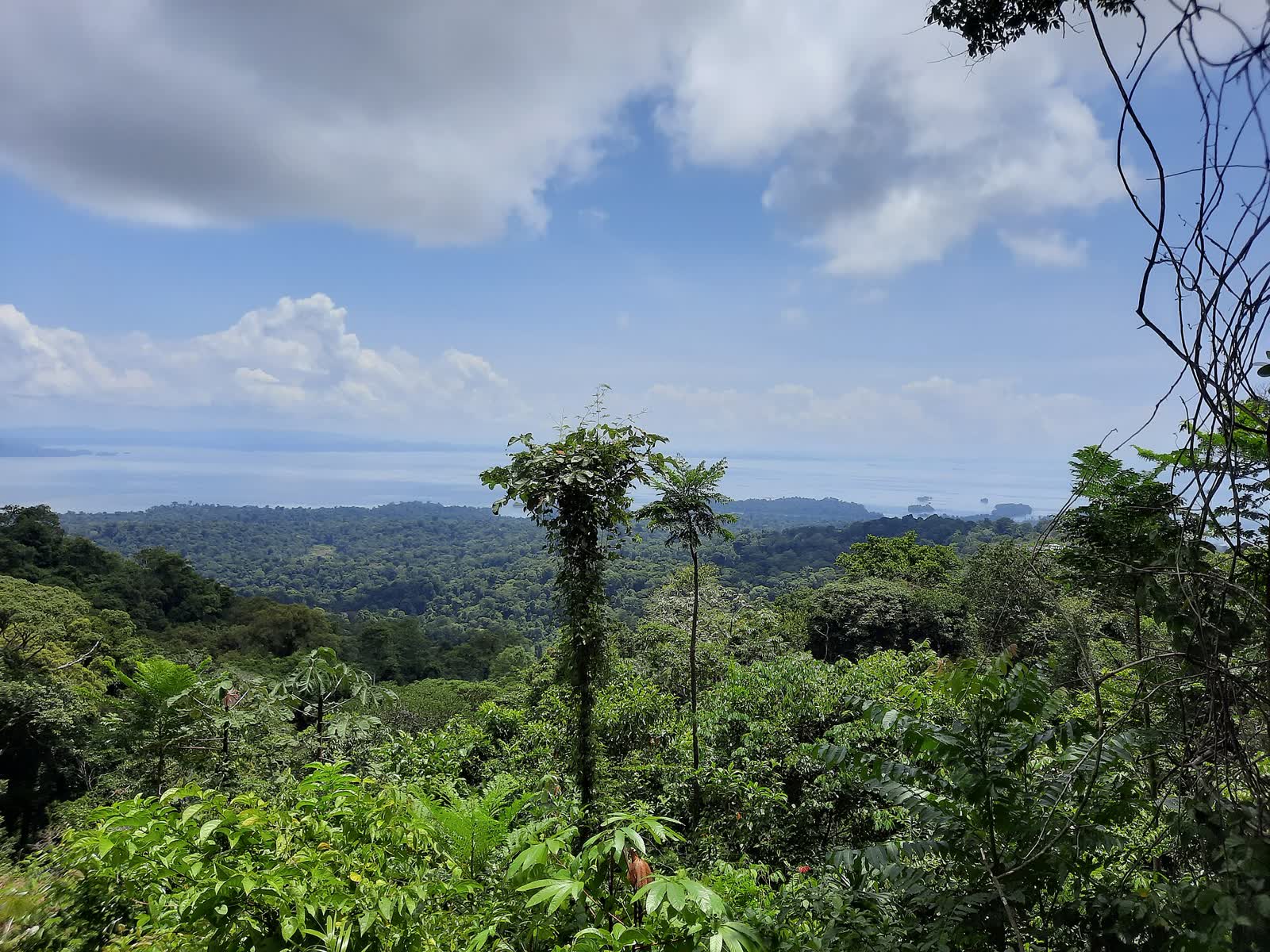
From the edge of the plateau, viewpoints look out over **Lake Brokopondo** stretching to the horizon, dotted with the dead tops of drowned trees.
Lake Brokopondo
The Brokopondo reservoir was created in the 1960s when the **Afobaka Dam** blocked the Suriname River to generate power for aluminium smelting. More than a thousand square kilometres of forest were flooded, and several Maroon villages were moved, a painful history for the communities involved. Today the lake is a strange and beautiful place of islands and standing dead trees.
**Tonka Island**, on the lake, has a simple eco lodge and is often reached by boat as part of Brownsberg tours. Boat trips, swimming and fishing for peacock bass are popular, and there are resorts on the lake shore near the dam.
Getting there
Brownsberg is around two to three hours by road from Paramaribo. The final climb from the village of **Brownsweg** to the top is steep and can be rough, especially in the rainy season, so most visitors go with a tour or a driver who knows the road. Many tours combine Brownsberg with Tonka Island or a lake visit in one long day.
Where to stay
STINASU has had lodges and camping on the plateau, and staying overnight lets you hear the monkeys at dawn when the forest is most alive. Check with STINASU on what is open and how to book before you go. Lake resorts near Afobaka and Tonka Island offer other options.
What to bring
Pack sturdy shoes with grip, a light rain jacket, a warm layer for the evening, insect repellent, water and snacks. There are few shops nearby, so carry what you need.
A suggested visit
Leave Paramaribo very early to reach the plateau while the forest is still cool and the monkeys are active. Walk to one of the waterfalls in the morning, have lunch at the visitor area, then take in the view over the lake before heading down. If you are on a combined tour, the afternoon is spent on a boat to Tonka Island or swimming in the lake. Families often prefer Berg en Dal, nearby on the Suriname River, where zip lines and a pool add to the forest walks.
Respecting the forest
Stay on the trails, take all rubbish back with you and never feed the monkeys, which can become aggressive and sick from human food.
Questions about Brownsberg and Brokopondo
Can I visit Brownsberg as a day trip?
Yes, as a long day from Paramaribo. An overnight stay is better for wildlife, as the forest is most active at dawn and dusk.
What animals can I see at Brownsberg?
Red howler monkeys, spider monkeys, capuchins, agoutis, toucans, parrots and many other birds. Jaguars and harpy eagles live there but are rarely seen.
How do I book Brownsberg?
Through STINASU, the nature foundation that manages the park, or through tour operators in Paramaribo that include transport and a guide.
Why are there dead trees in Lake Brokopondo?
The forest was flooded when the Afobaka Dam was built in the 1960s, and the trunks of drowned trees still stand in the water.
Facts checked . Fees, schedules and entry rules change, so always confirm the latest with the official source.