At a glance
- Best for
- Maroon culture, river life, swimming and forest walks
- Nearest airport
- Johan Adolf Pengel International, then a long road trip to Atjoni
- Time needed
- Three to five days
- Best time
- The dry season, though trips run all year
- Getting around
- Lodge packages with road transfer and dugout canoe
- Good to know
- Ask before taking photos in villages and respect local customs
Why visit
In the seventeenth and eighteenth centuries, enslaved Africans fled the coastal plantations and built their own societies deep in the rainforest. After decades of war, the Saamaka won a peace treaty with the Dutch in 1762, a century before slavery was abolished. Their villages along the Upper Suriname River keep a distinct culture of matrilineal clans, wood carving, textiles, music and spiritual life. Visiting with a respectful lodge or guide is one of the most memorable experiences in South America.
How the trip works
Almost everyone visits on a package from a lodge or tour company in Paramaribo. A minibus drives south past the Brokopondo reservoir to **Atjoni**, the busy landing at the end of the road near Pokigron. From there long dugout canoes with outboard motors carry passengers, food and fuel upriver, past rapids and villages, to the lodges. The boat ride can take from one to several hours depending on the lodge and the water level.
Packages usually include transport, meals, a guide, village visits and forest walks. Most lodges have simple cabins with mosquito nets, shared or private bathrooms and limited electricity from generators or solar panels.
Things to do
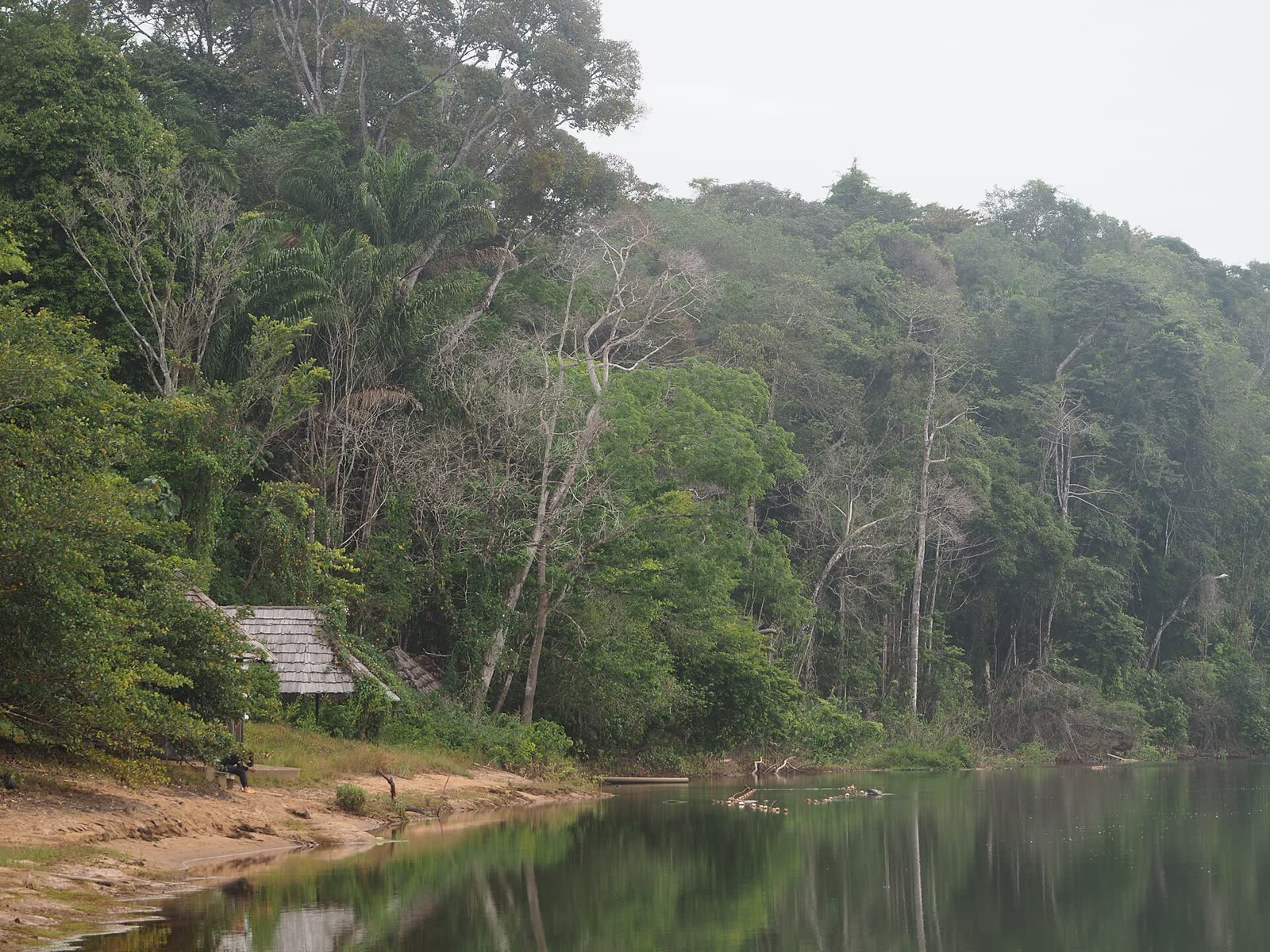
Days follow the river. You can swim in natural pools between the rocks of the rapids, take a canoe to a nearby village, visit a school or a craft workshop, walk forest trails to learn about medicinal plants, or fish with local guides. Some lodges arrange evening drumming and dance, and night walks to look for frogs and caimans.
**Pikin Slee**, one of the larger Saamaka villages, has a small museum about Saamaka culture and history. Villages such as **Botopasi** and **Djumu** are common stops, and **Gunsi** and **Debikê** are further up. Lodges on islands near **Danpaati** and **Isadou** are popular with first-timers.
Respect in the villages
The river is a home, not a theme park. Wear modest clothing in villages, ask before photographing people, follow your guide's lead at shrines and sacred places, and buy crafts directly from makers. Some places, such as certain shrines and the river at specific spots, are off limits to visitors or to women at certain times; your guide will explain.
What to pack
Bring light long sleeves, insect repellent, a headtorch, sandals that can get wet, a dry bag, sun protection, any medicine you need and cash in small notes for crafts. Check yellow fever and malaria advice for the interior with a travel clinic before you go.
Getting there
The road from Paramaribo to Atjoni takes around three to four hours and is mostly paved. Some lodges further upriver can also be reached by small plane to an airstrip such as Botopasi.
A typical three night trip
On the first day you leave Paramaribo in the morning, stop for lunch on the way and reach Atjoni in the early afternoon, then travel upriver to your lodge in time for a swim. The second day brings a village visit with your guide, a forest walk and time in the rapids. On the third day you might take a canoe further upriver, visit the Saamaka museum at Pikin Slee or simply relax in a hammock. On the last morning you head back downriver and reach the capital by late afternoon.
Money and connectivity
There are no cash machines on the river. Bring enough cash in small notes for drinks, crafts and tips, and do not expect mobile data at most lodges.
Questions about the Upper Suriname River
How do I get to the Upper Suriname River?
Most visitors book a lodge package from Paramaribo that includes a minibus to Atjoni and a dugout canoe upriver to the lodge.
How long should I stay on the river?
Three nights is a good minimum. The journey takes most of a day each way, so shorter trips leave little time to relax.
Who are the Saamaka?
A Maroon people descended from Africans who escaped slavery and won their freedom by treaty in 1762. They live mainly along the Upper Suriname River.
Is there malaria on the Upper Suriname River?
Risk in the interior can change. Check current advice from a travel clinic or the CDC before you go, and use repellent and nets.
Facts checked . Fees, schedules and entry rules change, so always confirm the latest with the official source.