The capital
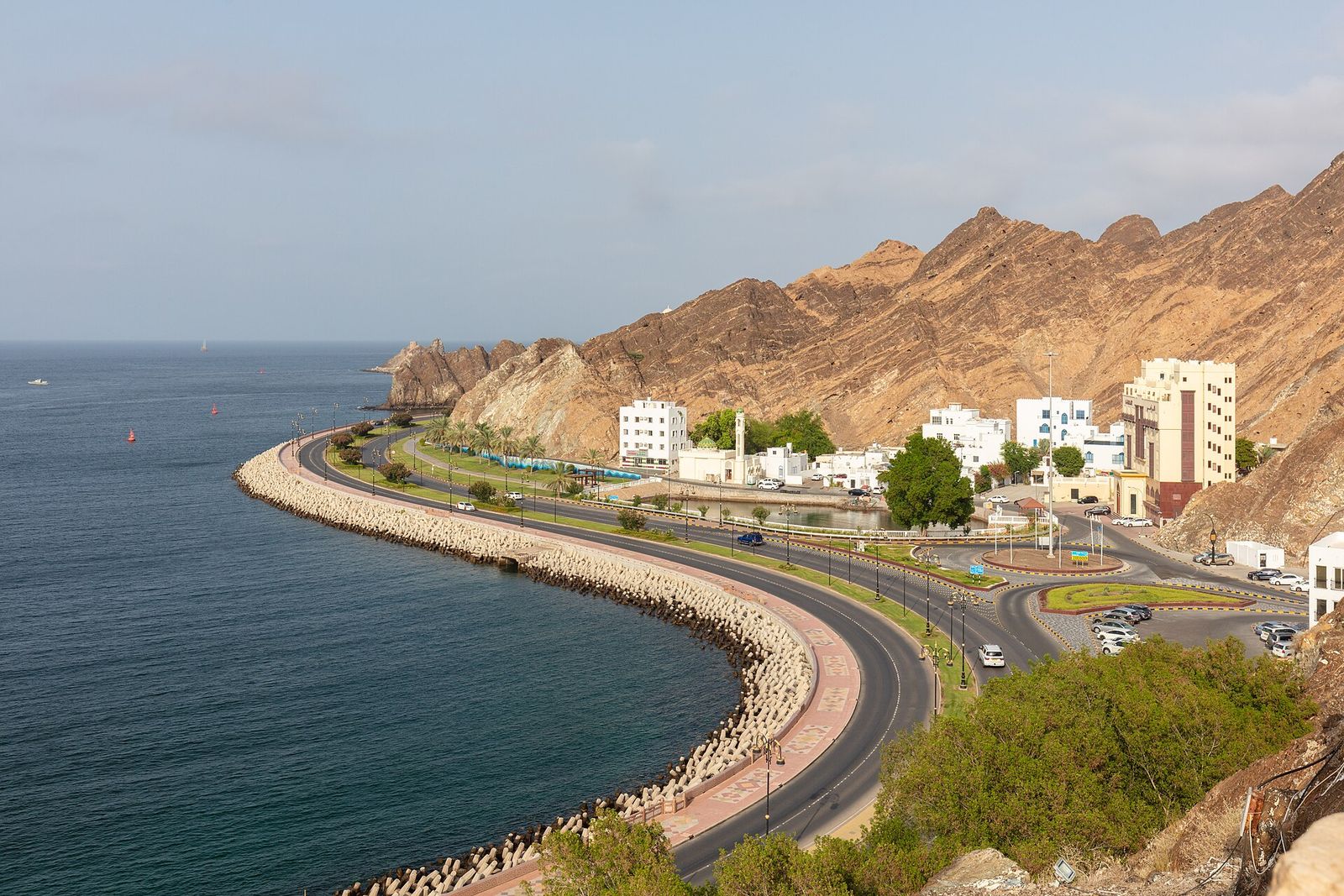
Almost every trip begins in Muscat. The city stretches along the coast for miles, but the highlights are easy to group: the Sultan Qaboos Grand Mosque in the morning, the Royal Opera House, Muttrah Souq and the Corniche in the late afternoon, and Old Muscat with its forts and palace gates. Two or three days is enough, with time for a boat trip or a beach.
The mountain interior
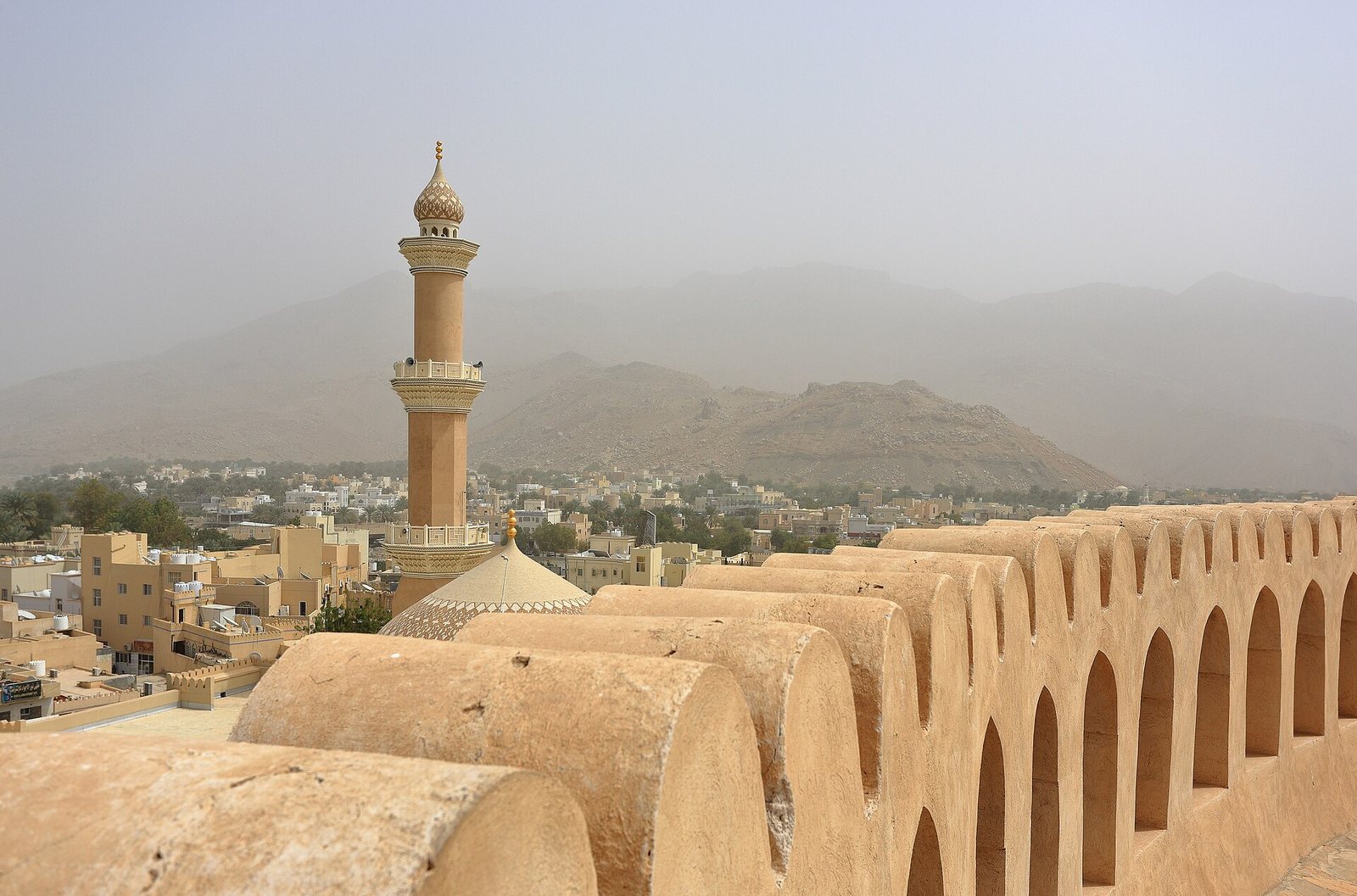
Two hours inland, Nizwa and the mountains is the heart of traditional Oman. Nizwa Fort and souq, the Friday livestock market, the UNESCO listed fort at Bahla and the restored castle at Jabrin sit in a ring of date palm oases. Above them rise Jebel Akhdar, with its rose terraces, and Jebel Shams, the highest mountain, beside a deep canyon.
Wadis, desert and the eastern coast
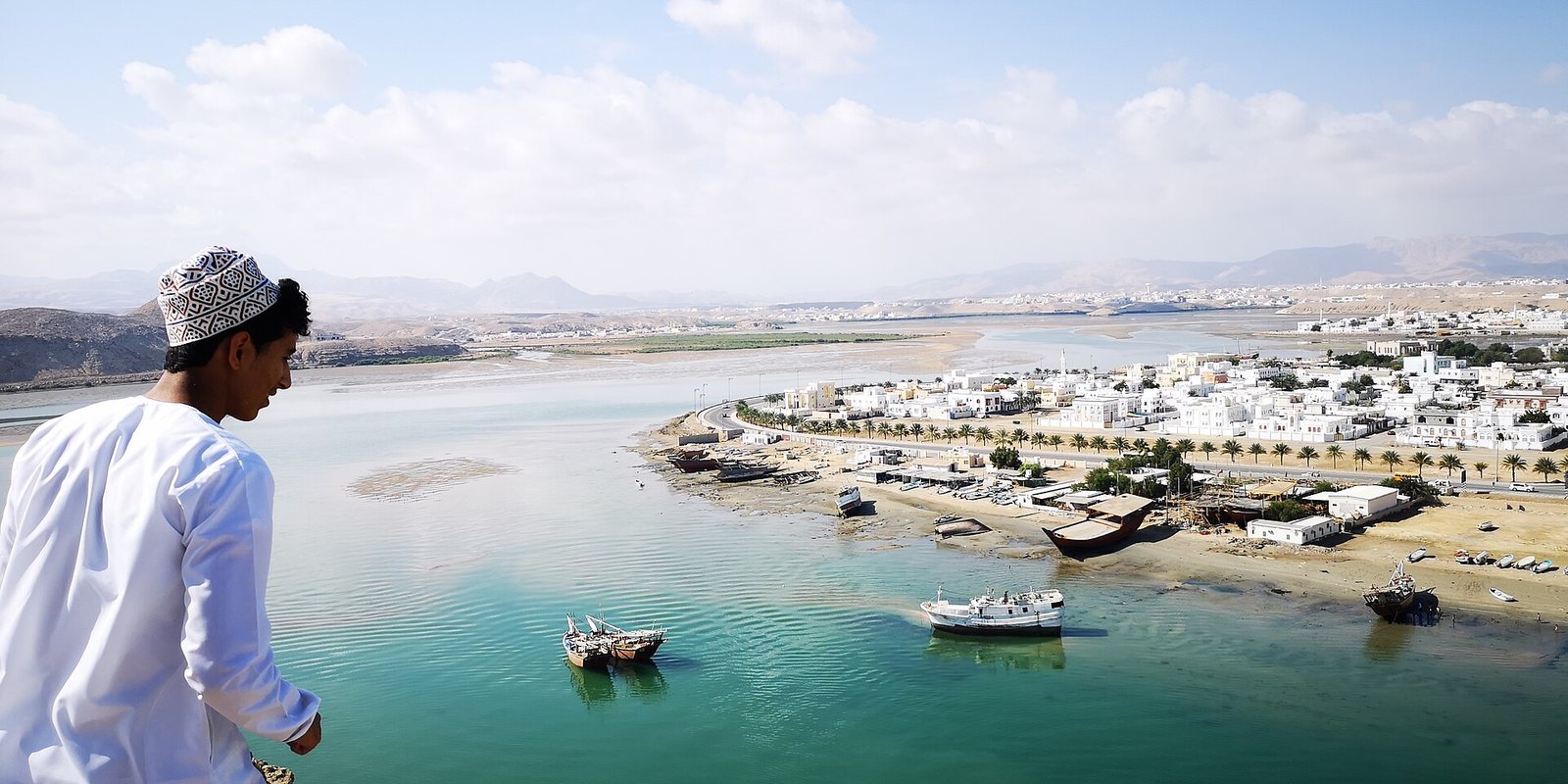
Sur and the east bundles together the experiences most people picture: swimming in the pools of Wadi Shab and Wadi Bani Khalid, a night in a desert camp in the Wahiba Sands, the dhow yards of Sur and green turtles nesting at Ras al Jinz. Most travellers loop through on a two or three day drive from Muscat.
The south
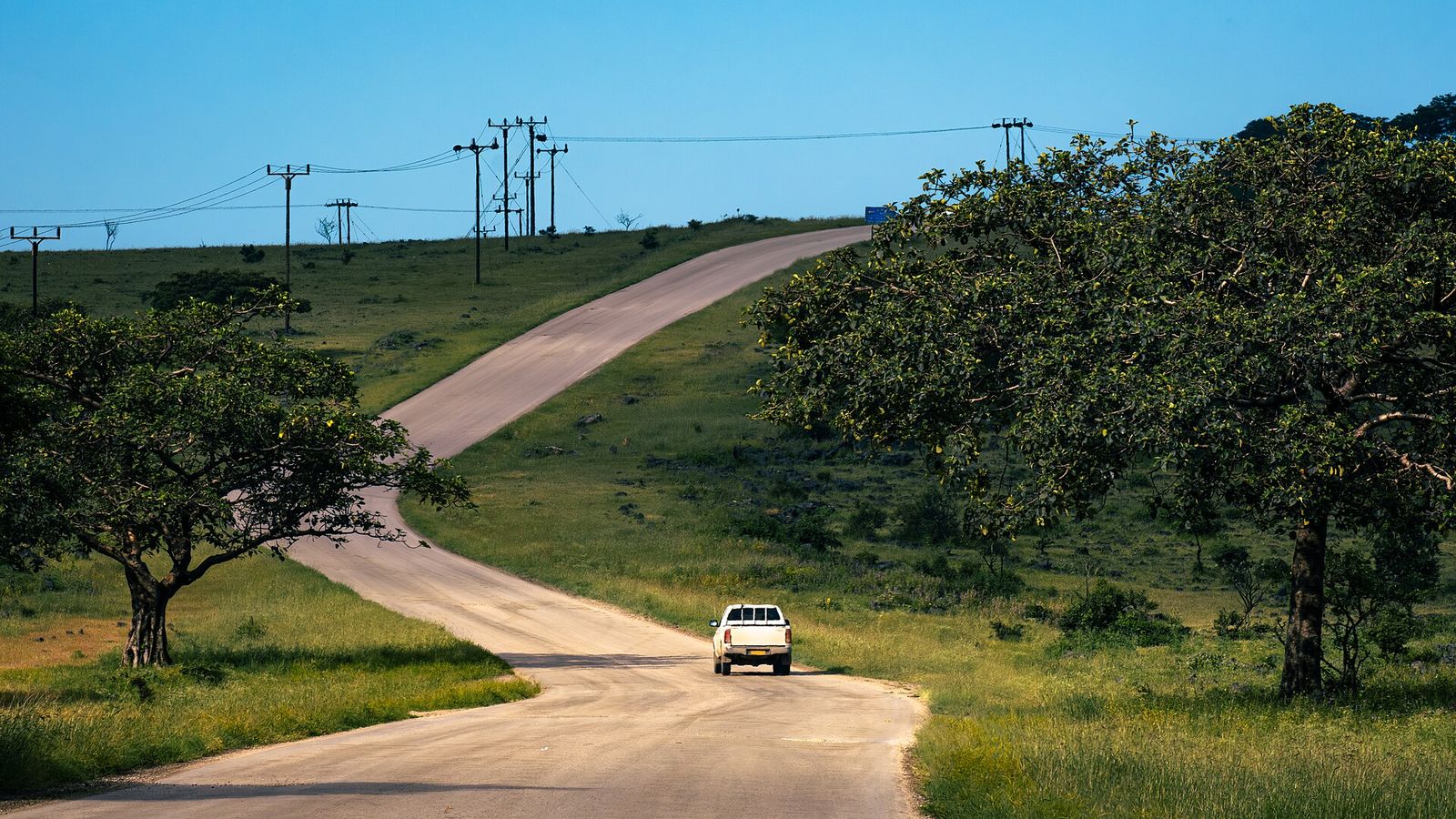
A domestic flight away, Salalah and Dhofar feels like another country. Coconut palms line the roads, frankincense trees grow in the hills and the summer khareef monsoon turns the mountains green when the rest of Arabia bakes. In winter it is a warm beach escape.
The far north
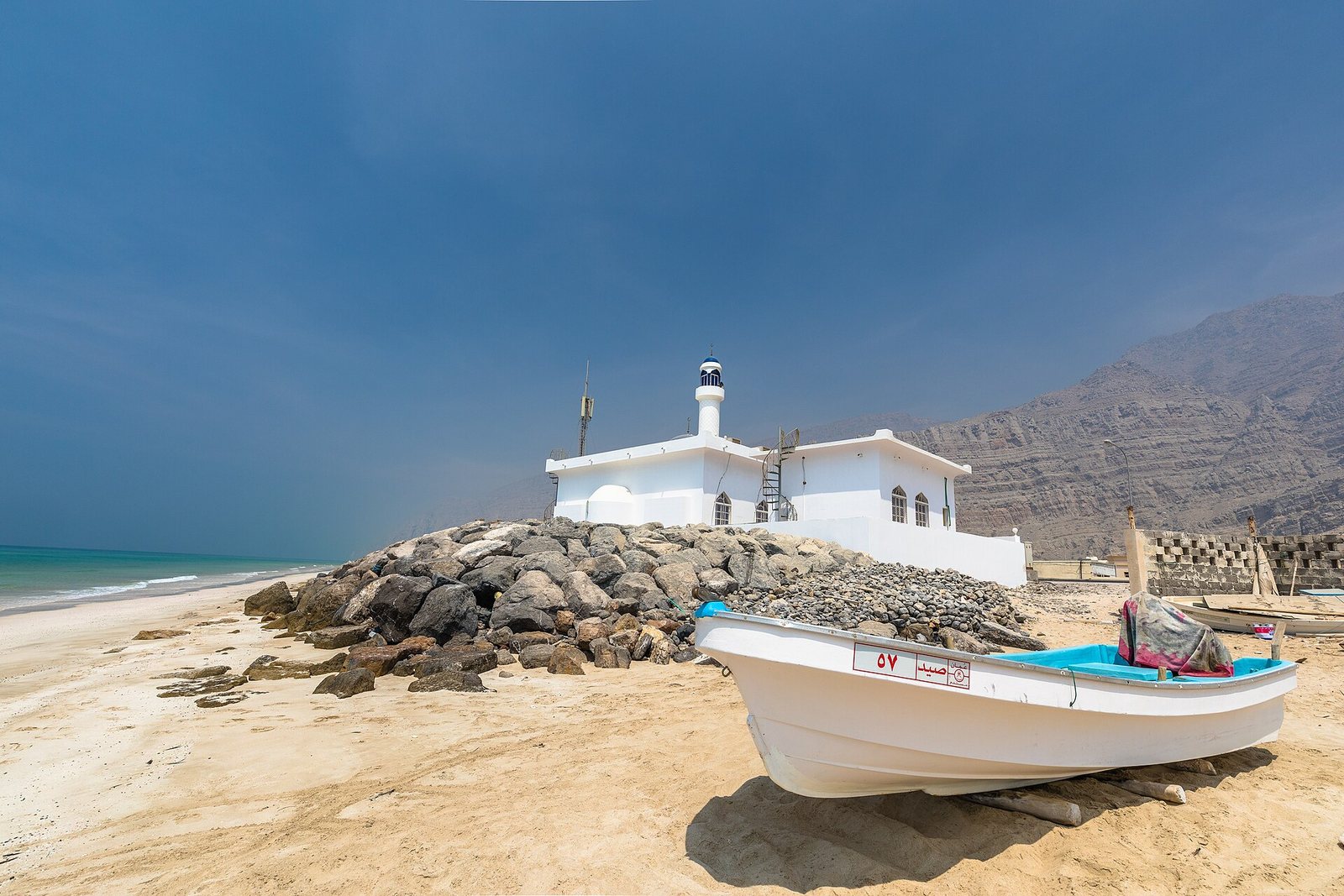
Musandam is an Omani exclave on the Strait of Hormuz, cut off by the United Arab Emirates. Its steep limestone fjords are best explored by dhow from Khasab, with dolphins, snorkelling and mountain roads to Jebel Harim.
Putting it together
A first week usually covers Muscat, the interior and the east. Add Salalah by air in winter or during the khareef, or Musandam from Muscat or as a side trip from Dubai. See places to visit in Oman for food, sights and stays, then use the free trip planner to shape your route.