At a glance
- Best for
- Wadi swims, desert camps, turtles and coast
- From Muscat
- About two hours to Wadi Shab, three to Sur
- Time needed
- Two to three days
- Best season
- October to April
- Getting around
- Self drive or guided tour; four wheel drive into the dunes
- Dress
- Modest; swim covered up in wadis
Why visit
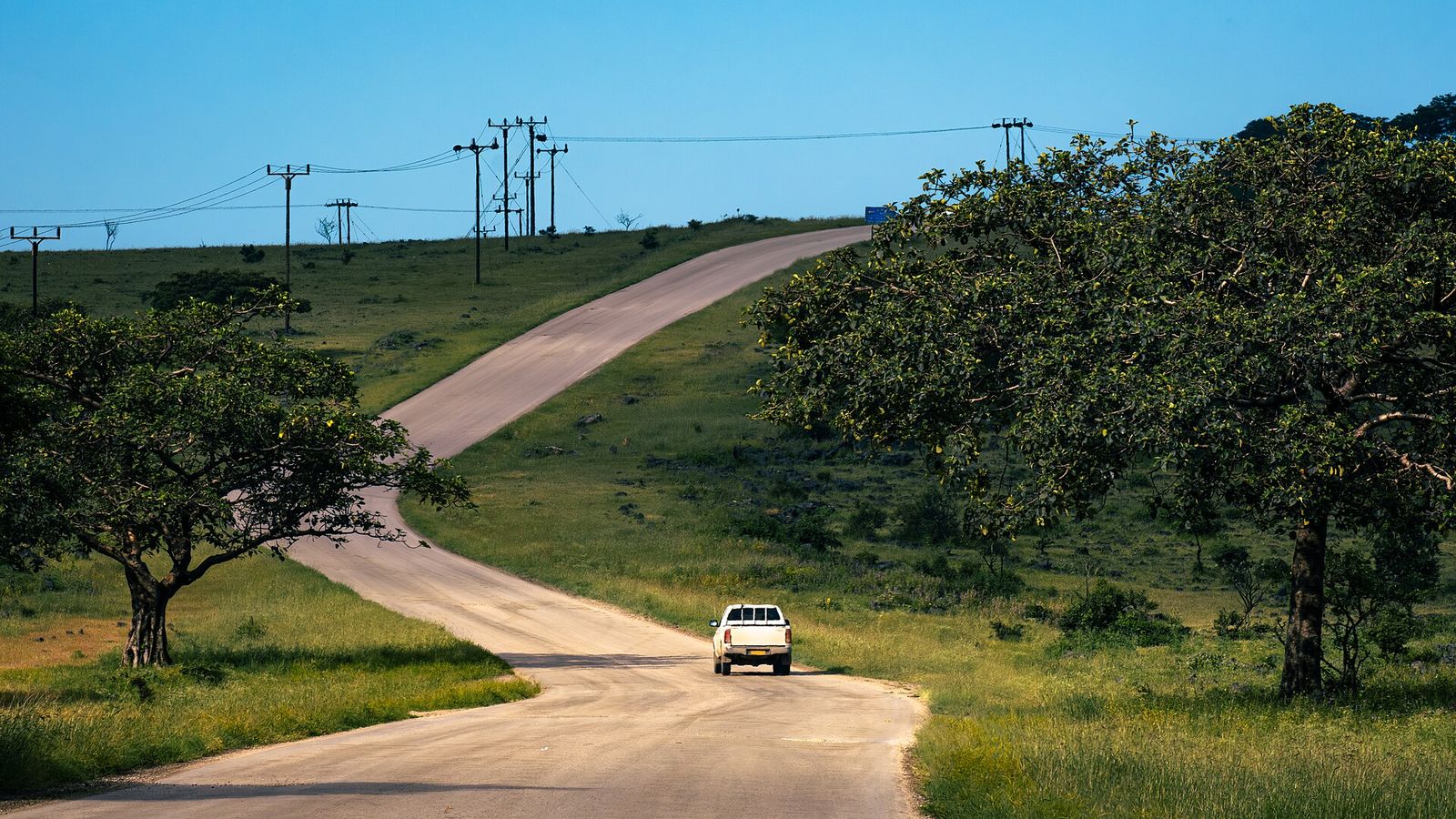
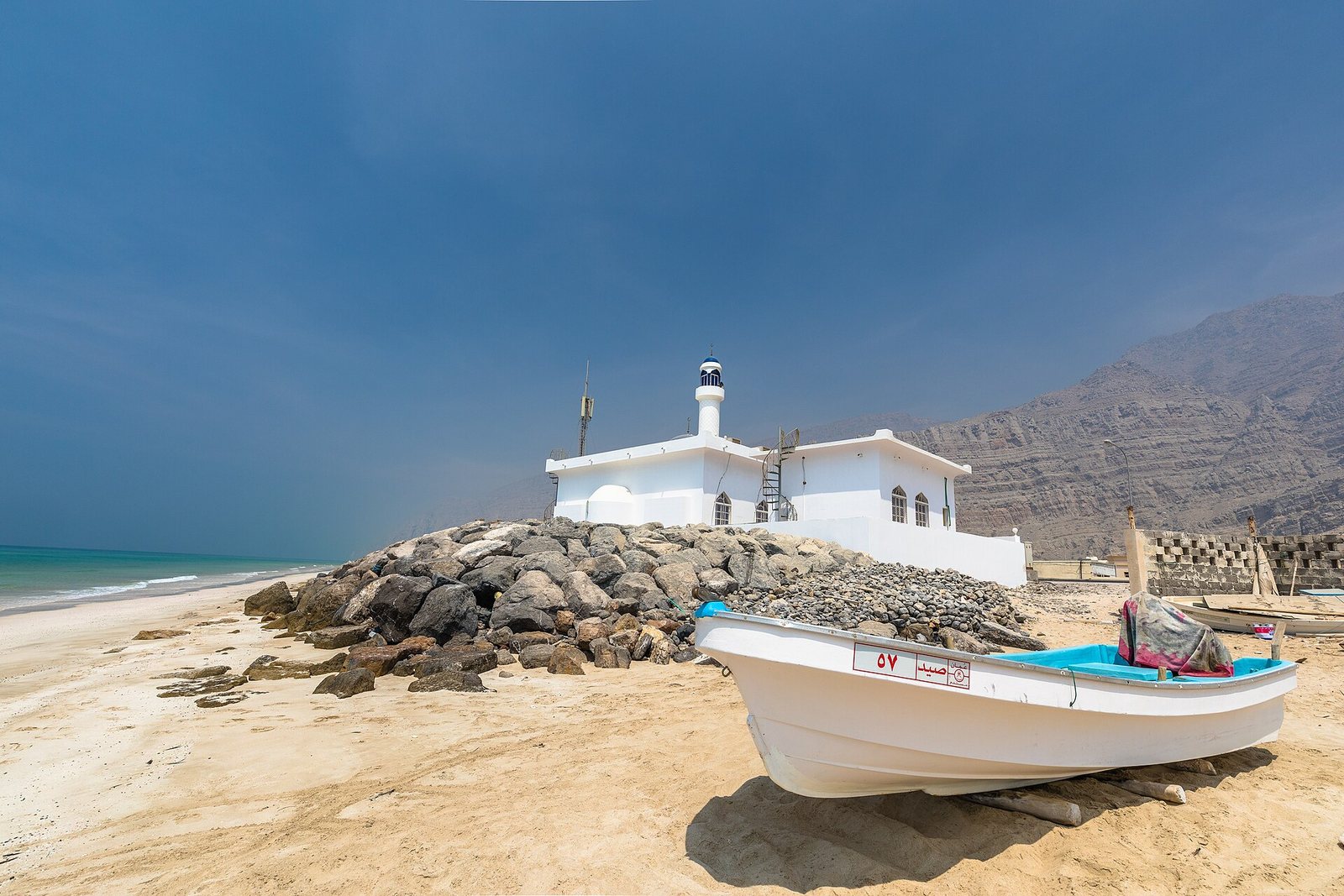
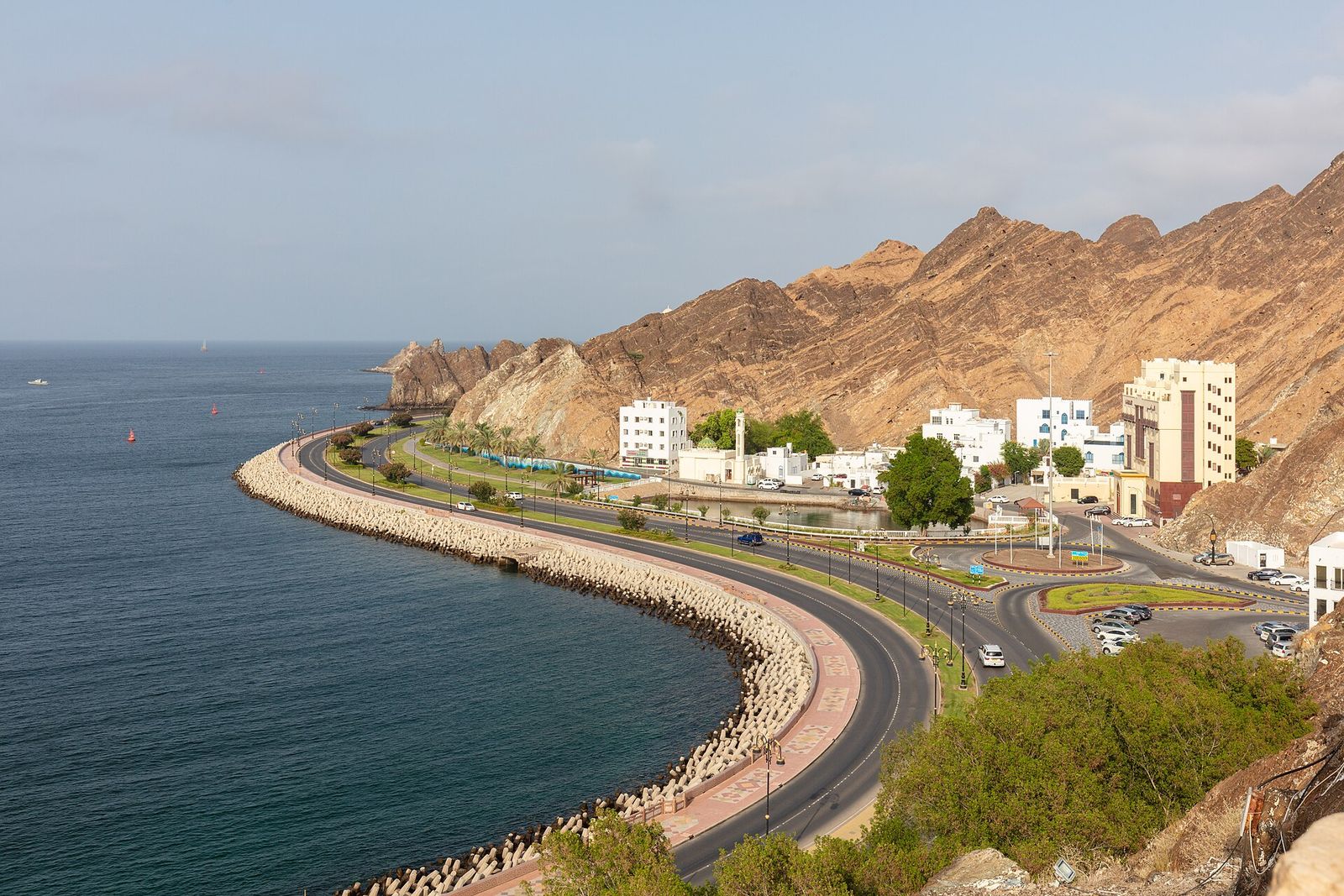
For many travellers the east is the reason to come to Oman. The coast road south of Muscat runs between the mountains and the sea, the wadis are some of the most beautiful in Arabia, and the dunes of the Wahiba Sands are close enough for an easy overnight stay. Sur, an old trading port, ties it together.
Wadi Shab
Wadi Shab is the classic. From the car park near Tiwi, a small boat crosses the first pool, then a walk of about forty five minutes leads up the gorge past palms and falaj channels to a chain of turquoise pools. Swim through the last narrow gap to reach a cave with a small waterfall. Wear shoes that can get wet, carry a waterproof bag and swim in a t-shirt and shorts out of respect for local families.
Wadi Bani Khalid
Inland, on the road to the desert, Wadi Bani Khalid has wide emerald pools fed by springs all year, with shade, a café and easy paths. It suits families and less confident swimmers, and it is a natural stop between the coast and the sands. Weekends are busy with Omani families.
The Wahiba Sands
The Sharqiyah Sands, still widely called the Wahiba Sands, are a sea of orange dunes stretching south from the town of Bidiyah. Desert camps range from simple tents to comfortable ones with private bathrooms, and most offer dune drives, camel rides, sandboarding and dinner under the stars. Only drive into the sands in a four wheel drive and let your tyres down first; many camps will collect you from the edge.
Sur
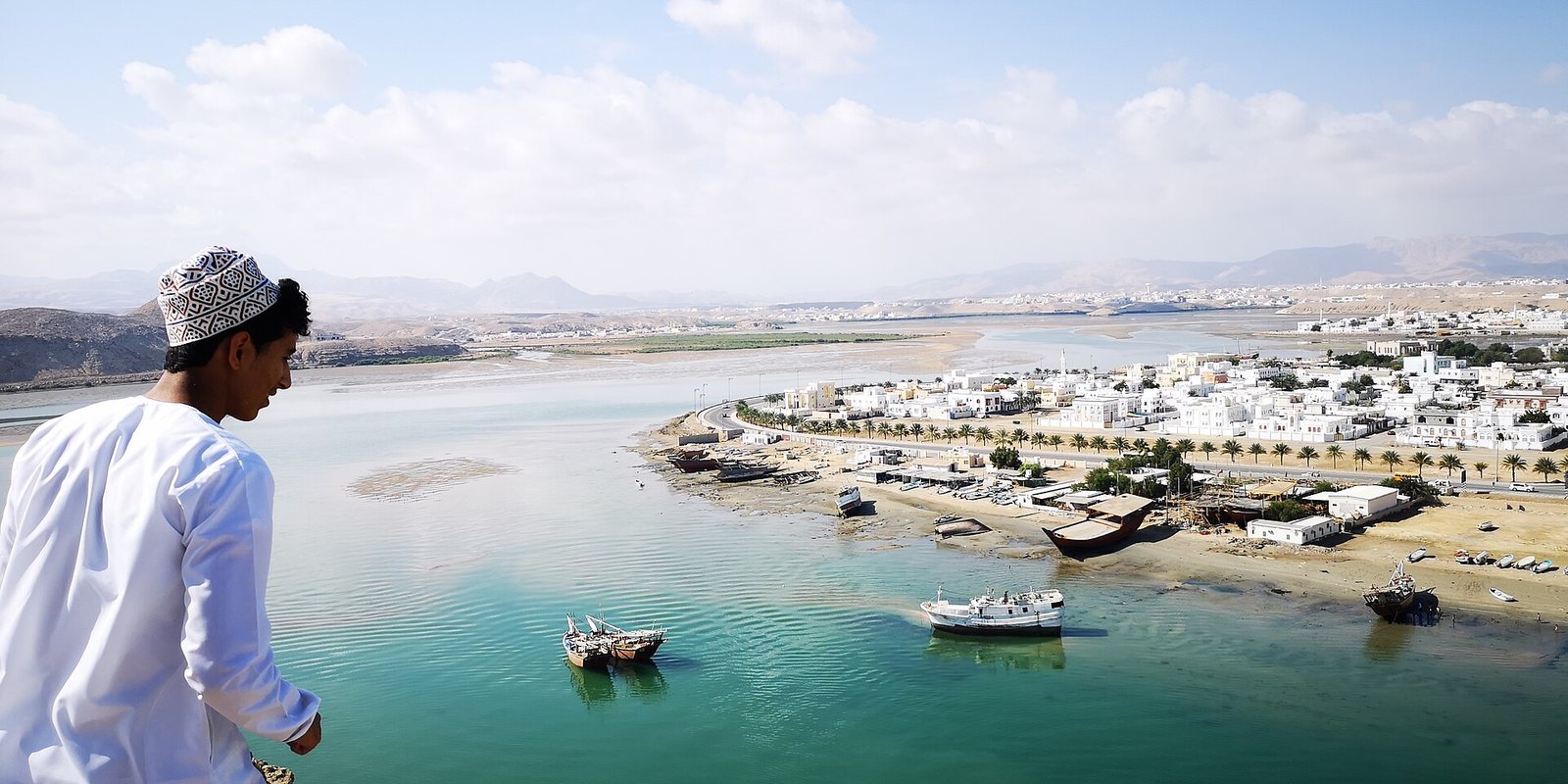
Sur grew rich on trade with East Africa and India, and dhows are still built by hand in its yards. The Dhow Factory and the Maritime Museum explain the craft, and the Al Ayjah lighthouse and watchtowers across the lagoon make a beautiful sunset walk. The town is small and easygoing, with simple seafood restaurants.
Ras al Jinz and the turtles
At the eastern tip of Arabia, Ras al Jinz Turtle Reserve protects a beach where endangered green turtles nest all year, with a peak in summer and hatchlings later in the season. Rangers lead small groups to the beach at night and again before dawn, and visits must be booked. Lights and flash photography are not allowed.
More stops
Bimmah Sinkhole is a limestone crater with a green swimming pool, right by the coast road. Wadi Tiwi has a paved road climbing past villages and terraced gardens. Fins and the white sand beaches near it are good for a quiet swim. Ras al Hadd has simple hotels near the turtle beaches.
Safety
Never enter a wadi when rain is forecast or clouds are building over the mountains: flash floods arrive fast and are deadly. Start early to avoid heat and crowds, and carry plenty of water.
Planning
A classic loop runs Muscat, Wadi Shab, Sur, Ras al Jinz, Wadi Bani Khalid, the Wahiba Sands and back via Ibra or on to Nizwa. Use the free trip planner to time it, and see places to visit for camps and stays.
Questions about Sur and eastern Oman
Can I swim in Wadi Shab?
Yes. The walk to the pools takes about forty five minutes, and the final cave is reached by swimming. Dress modestly in the water and leave no litter.
Do I need a four wheel drive for the Wahiba Sands?
To drive into the dunes, yes, and you must lower tyre pressure. Many camps meet guests at the edge of the sands and drive them in.
When can I see turtles at Ras al Jinz?
Green turtles nest year round, with most activity in summer and early autumn. Book a ranger led visit in advance.
Is one night in the desert enough?
For most travellers, yes. One night gives you sunset, dinner, stars and a sunrise walk on the dunes.
Facts checked . Fees, schedules and entry rules change, so always confirm the latest with the official source.