At a glance
- Best for
- Khareef greenery, beaches, frankincense history
- Airport
- Salalah Airport (SLL)
- Time needed
- Three to four days
- Best season
- Late June to September for khareef, October to March for beaches
- Getting around
- Self drive, taxis or day tours
- Dress
- Modest in town, relaxed at resorts
Why visit
Dhofar is the source of frankincense, the resin that made southern Arabia rich in ancient times, and its landscapes are unlike anywhere else on the peninsula. Gulf families come in their thousands for the cool, damp khareef, while European travellers arrive in winter for sun and beaches. Either way it is relaxed and easy.
The khareef
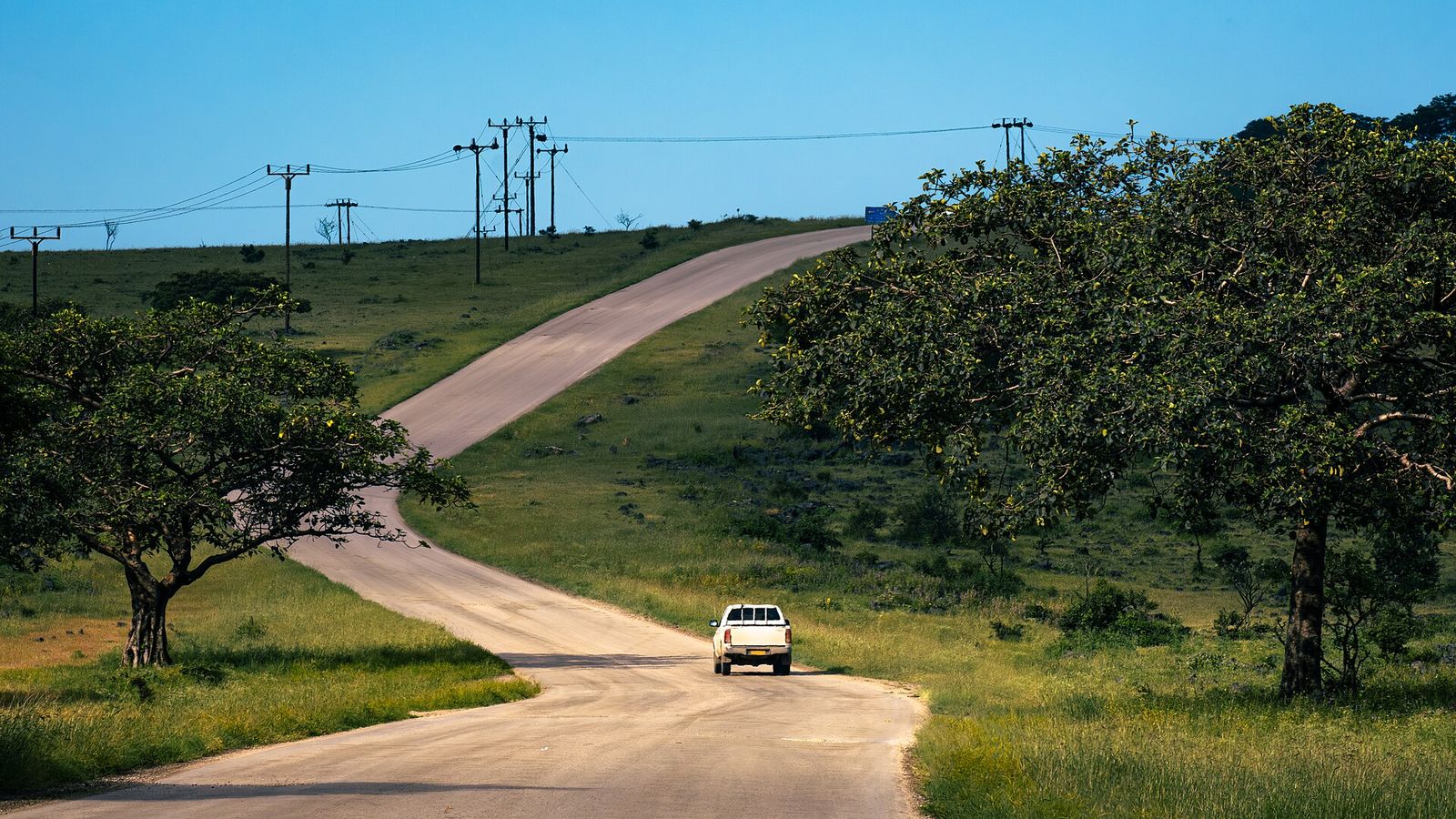
From roughly late June to early September, the south west monsoon brings drizzle, fog and cool air to the Dhofar mountains. Hillsides turn green, waterfalls run at Wadi Darbat and Ayn Athum, and camels graze in meadows. The Salalah Tourism Festival runs through the season with markets and events. Hotels fill and prices rise, so book early. The sea is rough and swimming is often unsafe at this time.
Frankincense sites
The Land of Frankincense, a UNESCO World Heritage property, includes Al Baleed, the ruins of a medieval port in Salalah with the excellent Museum of the Frankincense Land, and Sumhuram, an ancient port overlooking Khor Rori lagoon. Wadi Dawkah has a grove of wild frankincense trees on the road north. In the old Al Husn Souq, sellers offer resin of every grade with clay burners.
The coast
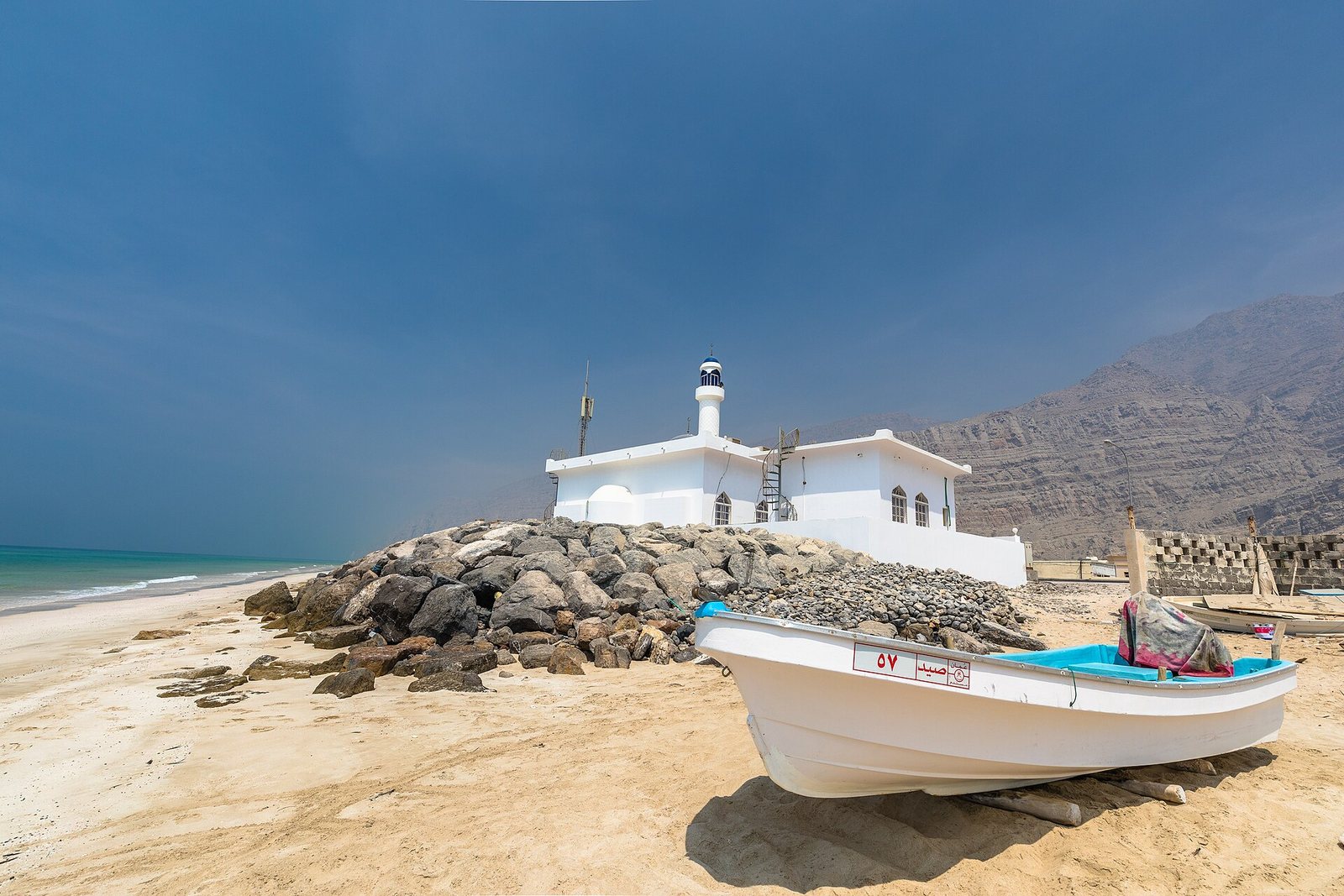
West of Salalah, the road to Al Mughsail passes beaches backed by cliffs, where blowholes shoot spray through the rock at high tide. Beyond, the Zig Zag road climbs toward the Yemen border area; stay within areas permitted by current travel advice. East of town, Taqah has a restored castle and Mirbat a fishing harbour, old houses and a fort. Fazayah beach is a hidden bay reached by a rough track.
Wadi Darbat and the mountains
Wadi Darbat is a green valley with a lake, boats and, during the khareef, a waterfall that pours over a limestone cliff. Jebel Samhan offers views over the coast and the sinkhole of Tawi Attair. The anti gravity point, where cars seem to roll uphill, is a fun local curiosity.
Food
Salalah is famous for fresh coconuts and bananas sold at roadside stalls. Try Dhofari dishes such as mishkak skewers and grilled fish, and drink fresh coconut water beside the plantations. Many restaurants serve Yemeni and Indian dishes too.
Where to stay
Resorts line the beach east of town at Al Haffa and in the Hawana Salalah development, which suits families. Central Salalah has mid-range hotels near the souq. Book well ahead for the khareef.
Getting there
Fly from Muscat in under two hours, or from several Gulf cities directly. The drive from Muscat is a long day through empty desert, best broken with a night on the way. Use the free trip planner to decide, and see places to visit for stays.
Wildlife and birds
The lagoons around Salalah, including Khor Rori and East Khor, attract flamingos, herons and many migrating birds, and the region is a highlight for birdwatchers in winter. Camels wander freely in the mountains and on the roads, so drive carefully, especially in fog. Off the coast, dolphins are common, and humpback whales of the Arabian Sea population are sometimes seen.
Practical tips
In the khareef, fog can reduce visibility on mountain roads to a few metres, so drive slowly with lights on. Bring a light jacket for evenings in the hills. In winter, carry sun protection: the sun is strong even when it feels mild. Dhofar is conservative, so dress modestly away from resort beaches.
Questions about Salalah and Dhofar
When is the khareef in Salalah?
Usually from late June to early September. The exact timing varies a little each year.
Can I swim in Salalah during the khareef?
Usually not. The sea is rough with strong currents in monsoon season, and red flags are common. Winter is the season for beaches.
Is Salalah worth visiting in winter?
Yes. It is warm and sunny with calm seas, and the frankincense sites, coast and souq are all open. The mountains are brown rather than green.
Should I fly or drive from Muscat?
Most travellers fly. Driving takes a long day each way through desert with few services.
Facts checked . Fees, schedules and entry rules change, so always confirm the latest with the official source.