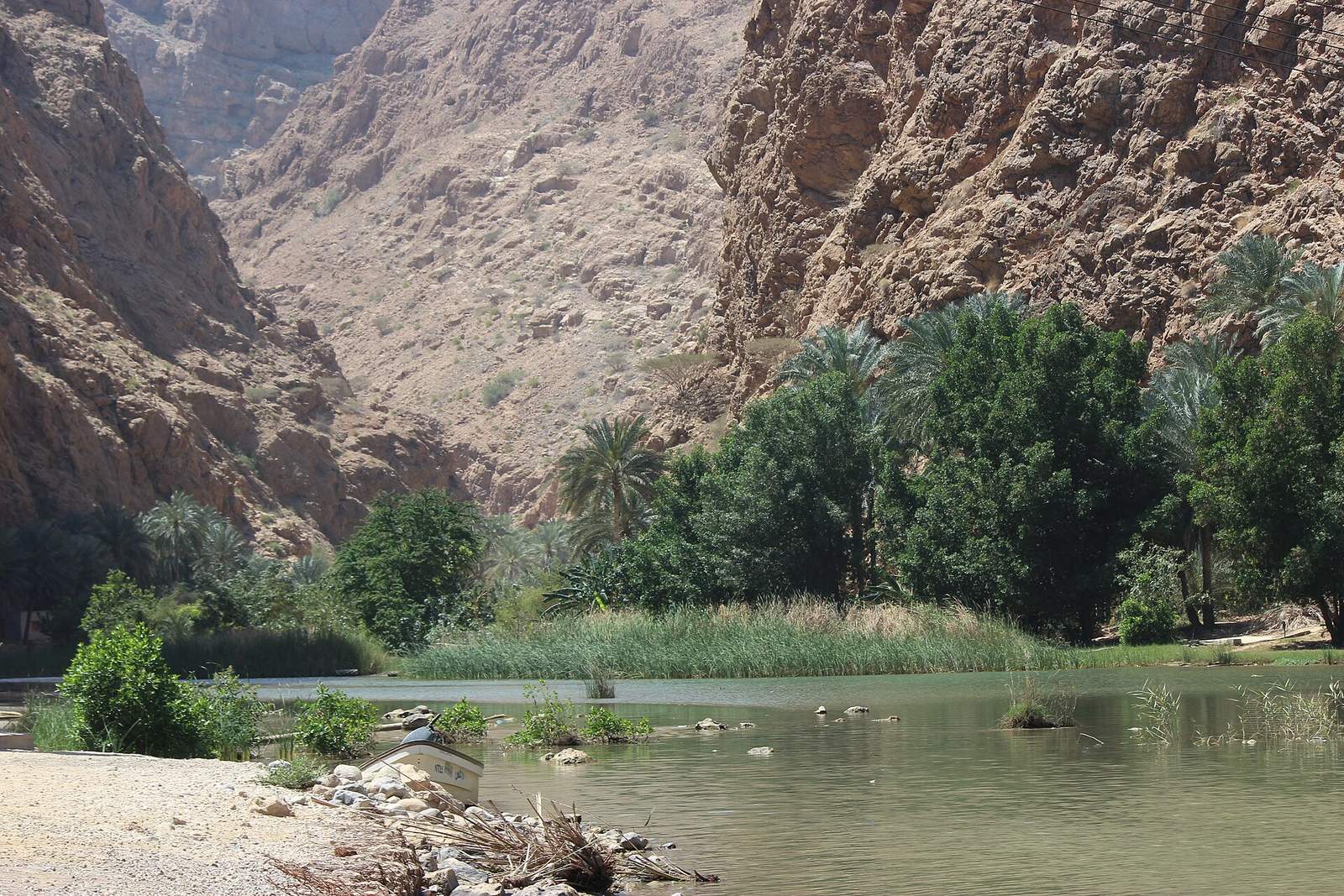
Wadi Shab, OmanPhoto: Uhooep, CC BY-SA 4.0, via Wikimedia Commons
Find your Bliss in Oman
Oman, made simple: mountain forts, turquoise wadis and quiet desert nights
Oman is Arabia at its most welcoming: the white Sultan Qaboos Grand Mosque and old Muttrah Souq in Muscat, the mud brick forts of Nizwa and Bahla, swimming holes in Wadi Shab, a night in the Wahiba Sands, green monsoon hills around Salalah and the fjords of Musandam. Distances are long and the culture is conservative and kind. This guide explains the rest so you arrive confident.
Your trip, step by step
- Before you flyEntry rules, seasons, dress codes and money, answered
- LandingMuscat airport, taxis, SIM cards and your first evening, explained
- Your days in OmanForts, wadis, desert and coast, planned at a realistic pace
- Home againDeparture tips and onward routes across the Gulf and beyond
Where to go, eat and stay
- Plain answersClear, honest guidance on the questions first-timers actually ask.
- Official sourcesEntry, health and safety facts point you to the official pages to confirm.
- No price surprisesWe explain money, taxis, tours and costs so nothing catches you off guard.
- Free to useEvery guide and the trip planner are free.
Our promise
Oman should feel like discovery, not worry. We answer the questions about entry, dress, driving distances, heat, money and getting around before they start, so you arrive confident and ready to find your Bliss.
Coming for a first taste of Arabia, adding Oman to a Dubai trip, chasing the Salalah monsoon, or visiting friends and family who work in Muscat? This guide was written with you in mind.
How to use this guide
Four steps from first idea to a trip that feels easy.
- Choose your OmanMuscat, the mountain interior, the wadis and desert of the east, Dhofar in the south or the fjords of Musandam: start with the destinations that fit you.
- Sort the essentialsEntry rules, travel advice, money and local customs, checked against official sources.
- Pick your placesUse our places to visit list for food, forts, wadis, souqs and stays across the country.
- Plan your routeUse the free trip planner to fit long drives, desert nights and coast days into a realistic plan.
Everything your Oman trip needs
Free tools and guides for every stage of the journey.
Destinations
Muscat, Nizwa and the mountains, Sur and the east, Salalah and Dhofar, and Musandam, each explained in depth.
Explore destinationsPlaces to visit
More than a hundred restaurants, forts, wadis, souqs and stays, from classics to hidden corners.
See places to visitFlights and stays
Search flights into Muscat and Salalah and stays across the country.
Plan travelPlaces finder
Food, sights and stays mapped around each base.
Find placesFree trip planner
Tell us your dates and interests and build a route that fits.
Plan your trip
The classic Oman loop
Capital, mountains, wadis and dunes in one week
Most first trips start with two days in Muscat, head inland to Nizwa and the Hajar mountains, cross to the Wahiba Sands for a desert camp night, then follow the coast past Wadi Bani Khalid and Wadi Shab to Sur before returning to the capital. Seven to ten days covers it without rushing.
- Sultan Qaboos Grand Mosque, Muttrah Souq and the Corniche in Muscat
- Nizwa Fort, the Friday goat market and Bahla Fort
- Jebel Akhdar and Jebel Shams, the Grand Canyon of Arabia
- A desert camp in the Wahiba Sands and a swim in Wadi Shab
Plan with confidence
Your route, without the worry
Oman rewards a little preparation: picking the cooler months, allowing for long drives between regions, planning around Ramadan and the Friday weekend, and knowing when Salalah's khareef turns the south green. Our free planner helps you shape it.
- Realistic driving times between regions
- Ramadan, holidays and seasons to plan around
- Where to base yourself each night
Where to go in Oman
From the white mosques and souq of Muscat and the forts of the interior to the wadis and dunes of the east, the monsoon green south and the fjords of Musandam.
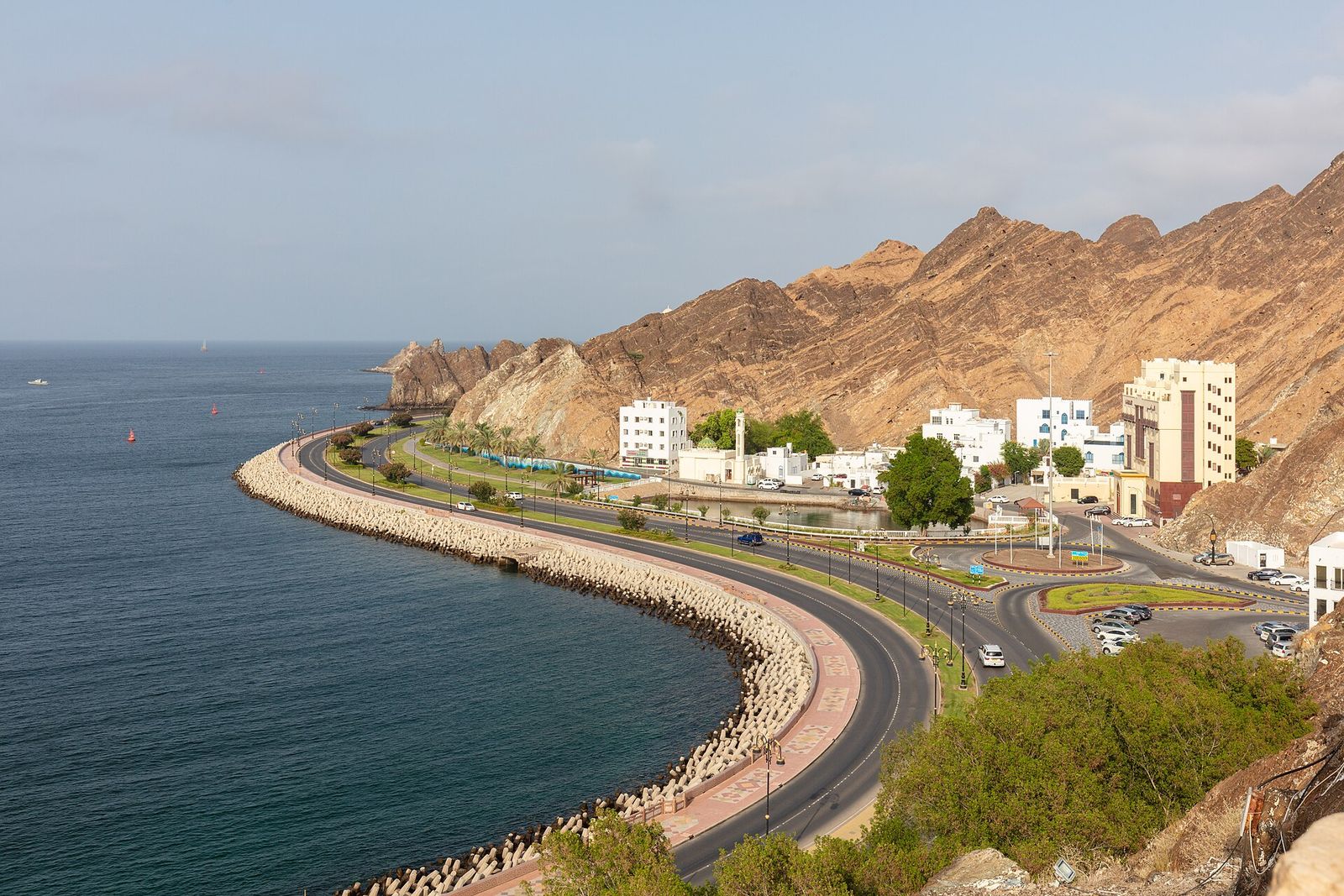
Muscat Governorate
Muscat
A low white city between bare mountains and the sea, with a grand mosque, an old souq and easy beaches.
Read the guidePhoto: Diego Delso, CC BY-SA 4.0, via Wikimedia Commons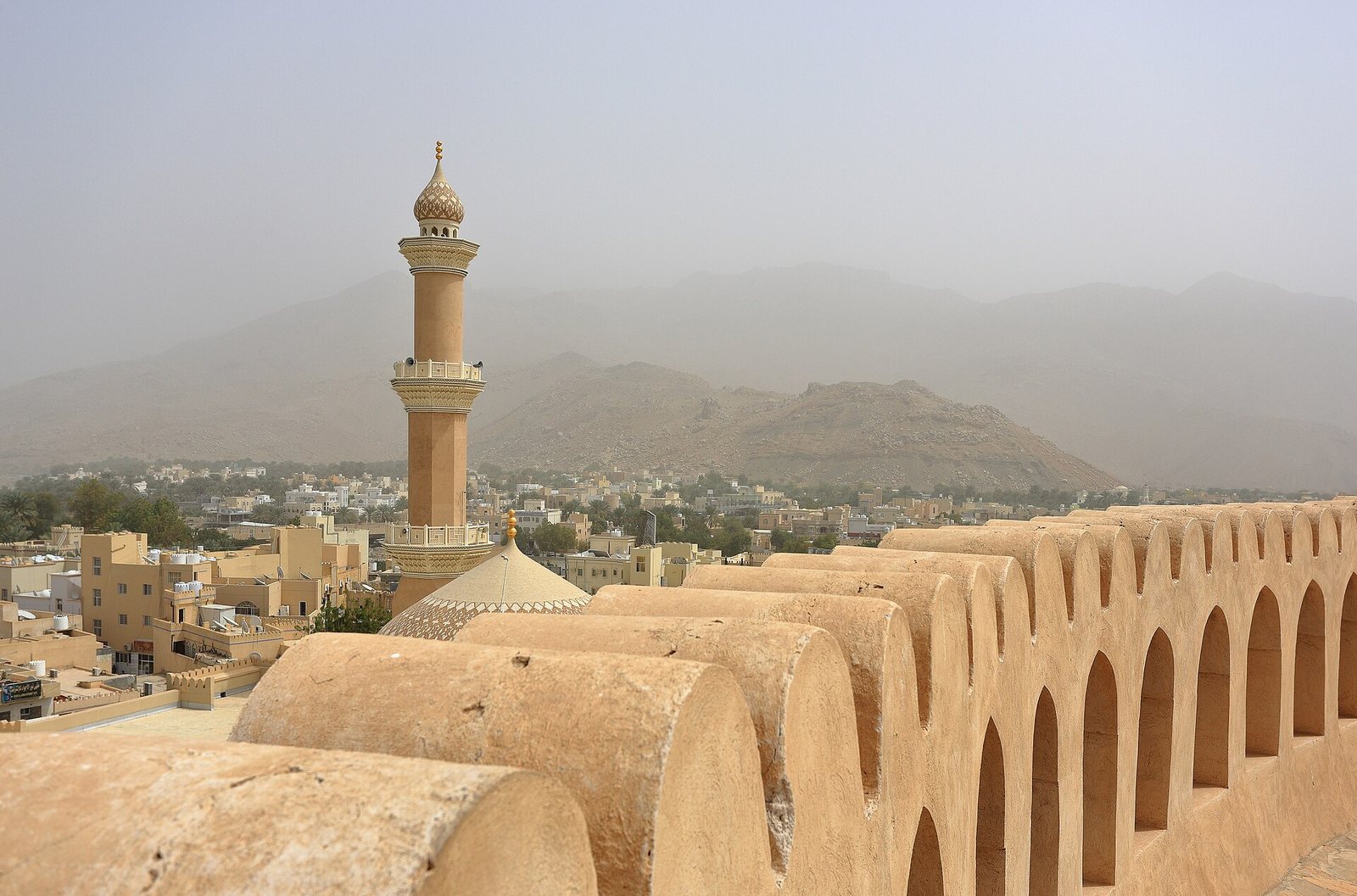
Ad Dakhiliyah Governorate
Nizwa and the Mountains
Mud brick forts, palm oases and the highest mountains in Arabia's east, two hours from Muscat.
Read the guidePhoto: Martin Falbisoner, CC BY-SA 4.0, via Wikimedia Commons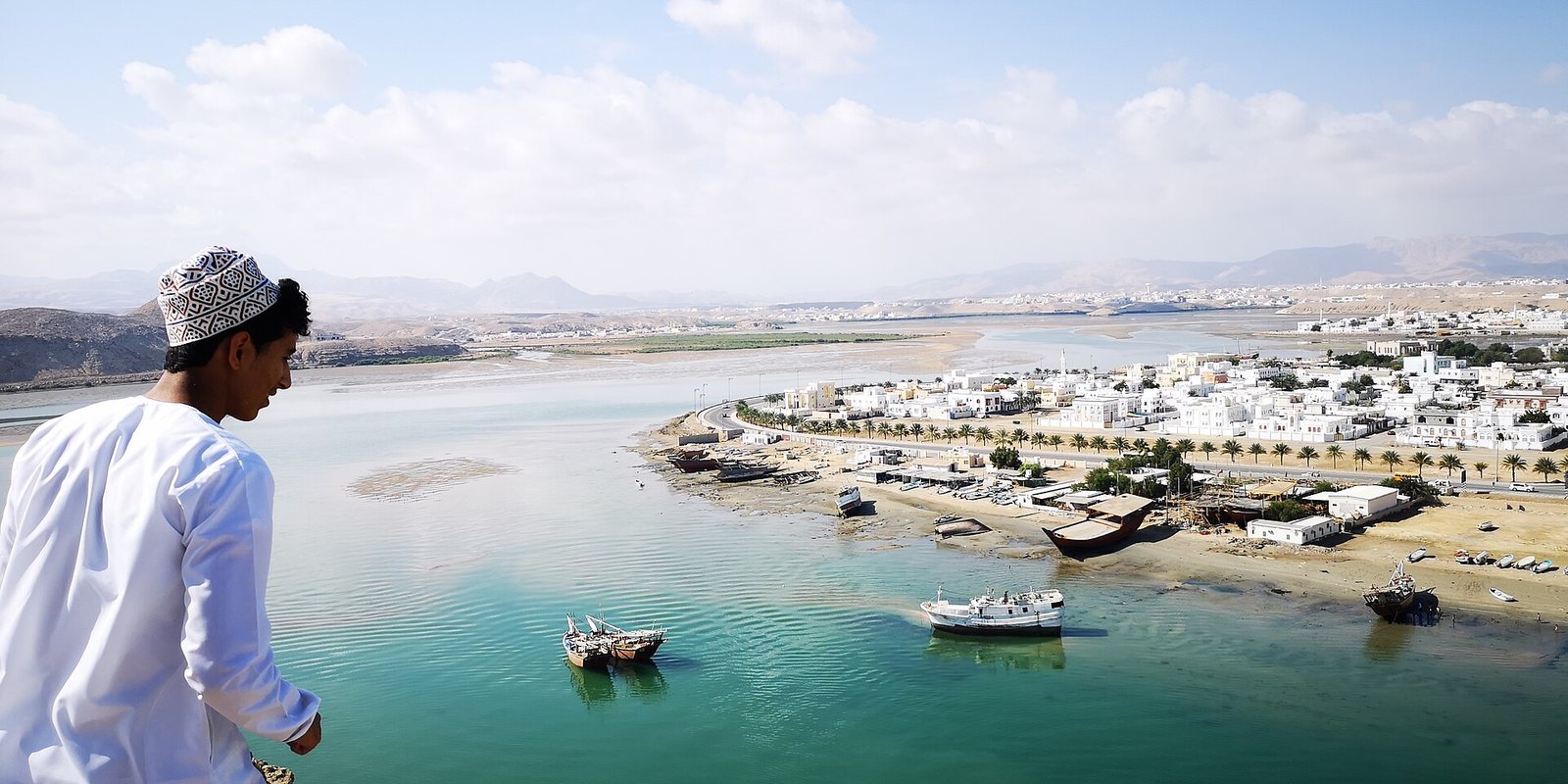
Ash Sharqiyah
Sur and the East
Turquoise wadi pools, red dunes and a seafaring town where turtles nest on the beaches.
Read the guidePhoto: Anto500, CC BY-SA 4.0, via Wikimedia Commons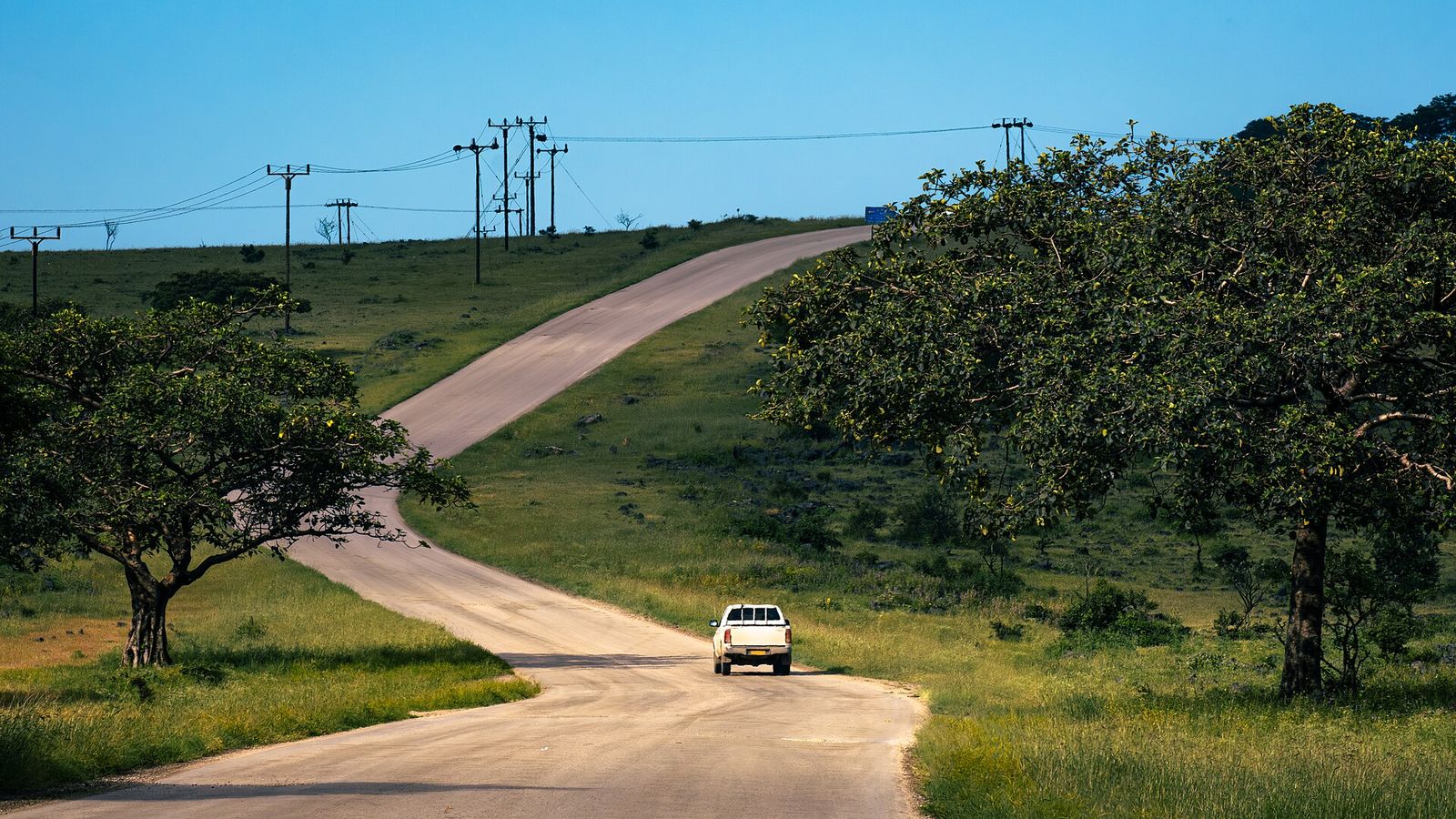
Dhofar Governorate
Salalah and Dhofar
Coconut palms, frankincense hills and a summer monsoon that turns southern Arabia green.
Read the guidePhoto: Erfan.arafat, CC BY-SA 4.0, via Wikimedia Commons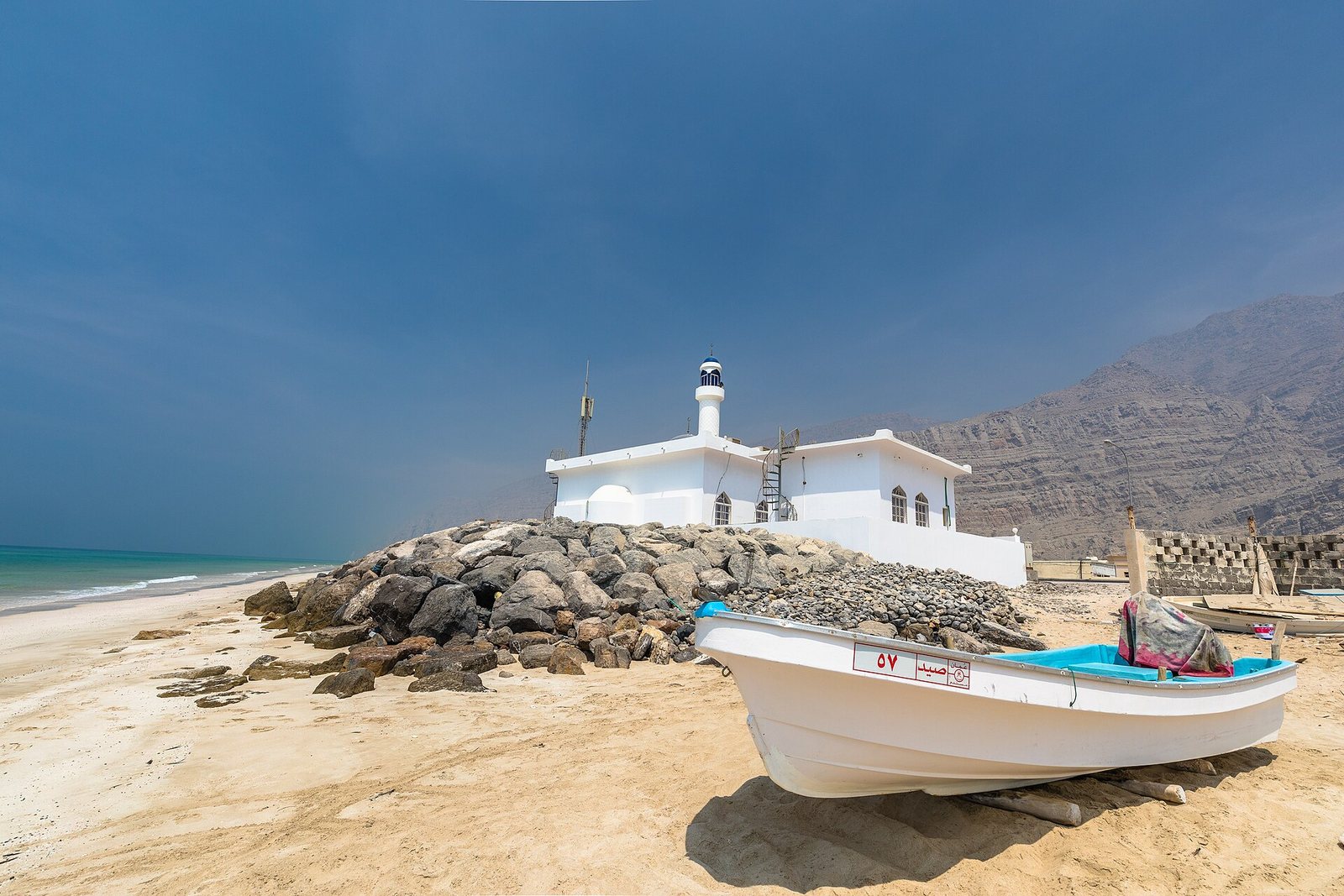
Musandam Governorate
Musandam
Oman's northern exclave of limestone fjords, dolphins and dramatic mountain roads.
Read the guidePhoto: Robert Haandrikman, CC BY 2.0, via Wikimedia Commons
A note from our founder
A note from our founder
My first time visiting Kenya, I was genuinely surprised with how fast it began feeling like home. The people are so friendly, the food is delicious and familiar, and the accommodations are modern and upscale.
During my travels throughout the continent, I commonly hear tourists share stories about being scammed or taken advantage of, which is both frustrating and disheartening.
Living in Kenya for the last 2 years, I have had the great fortune to meet a network of wonderful Kenyans who have continuously help guide my family's journey. Their shared knowledge has not only greatly enhanced our overall experience here, but it has also saved us tons of time, energy, and resources.
With BlissPoint Travel, my hope is to build a global community that is willing to share useful, uncommon knowledge so that we can all blissfully enjoy the wonders our world has to offer.
Questions we hear most
Is Oman safe to visit?
Oman has very low levels of crime and is widely seen as one of the calmest countries in the region. The bigger risks are heat, flash floods in wadis and road accidents on long drives. Read your government's current travel advice before you go, as regional tensions can change the picture.
Do I need a visa for Oman?
Rules depend on your passport. Many nationalities can enter visa free for a short stay, while others apply online. Check the Royal Oman Police eVisa site and your own government's advice before booking.
When is the best time to visit Oman?
October to April is the comfortable season for most of the country. Salalah and Dhofar are the exception: the khareef monsoon turns them green and cool from about late June to early September.
How many days do I need in Oman?
Seven to ten days covers Muscat, Nizwa and the mountains, the Wahiba Sands and the coast to Sur. Add three or four days for Salalah or Musandam, which are best reached by a domestic flight.
What should I wear in Oman?
Cover shoulders and knees in towns, souqs and villages. Women need a headscarf in mosques, and the Grand Mosque has its own dress code. Swimwear is fine at hotel pools and beaches.
Can I drink alcohol in Oman?
Alcohol is served in licensed hotel bars and some restaurants, mainly in Muscat and Salalah. Drinking in public is not allowed, and Oman has zero tolerance for drinking and driving.
Ready to find your Bliss in Oman?
Use the free trip planner to shape your days, or send us a question through the contact page.