The valley and the capital
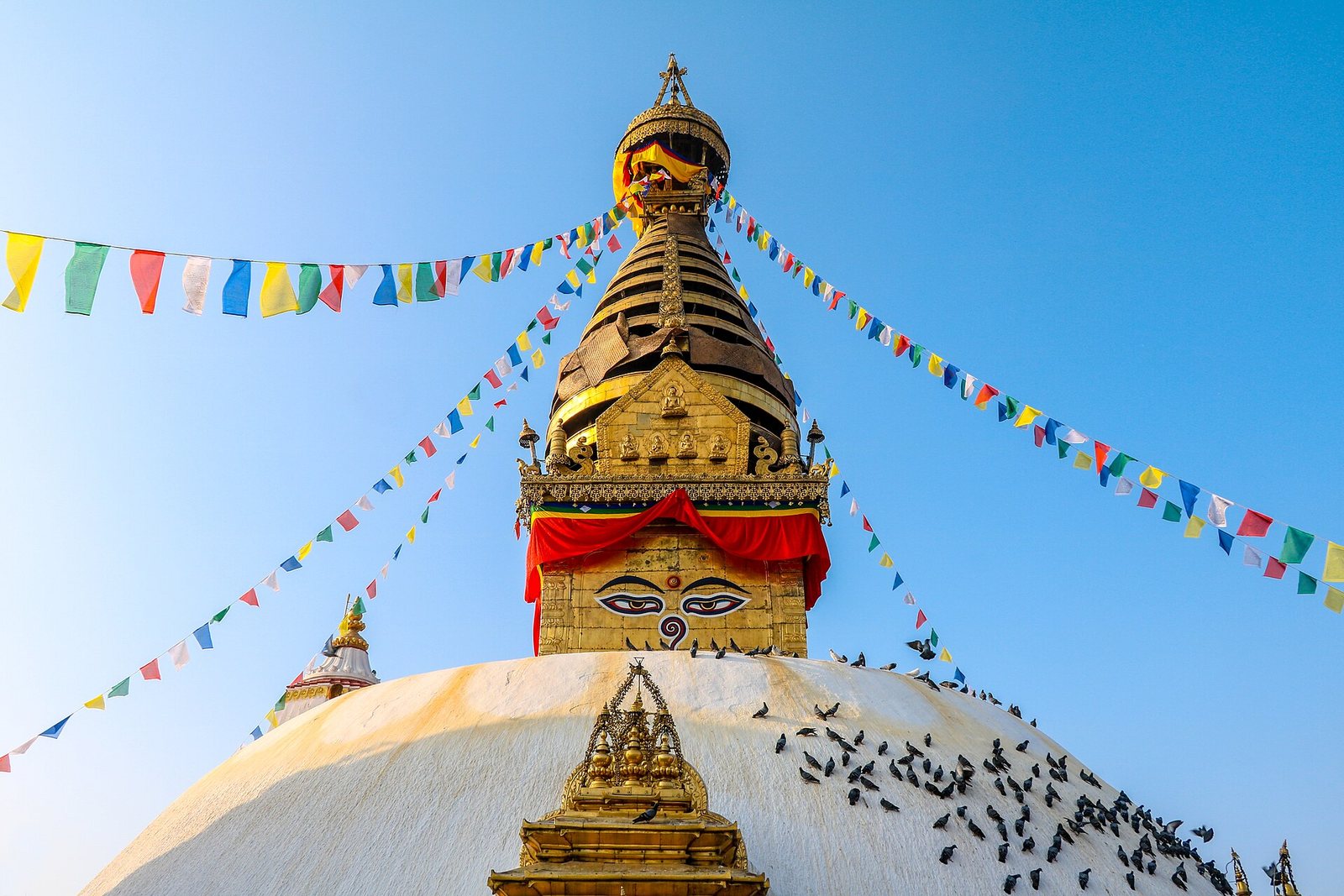
Almost every trip begins in Kathmandu, where the international airport is. The Kathmandu Valley holds seven UNESCO listed monument zones within a short drive of each other: the Durbar Squares of Kathmandu, Patan and Bhaktapur, the stupas of Boudhanath and Swayambhunath, the Hindu temple complex of Pashupatinath and the old temple of Changu Narayan. Give the valley at least three days.
The lakes
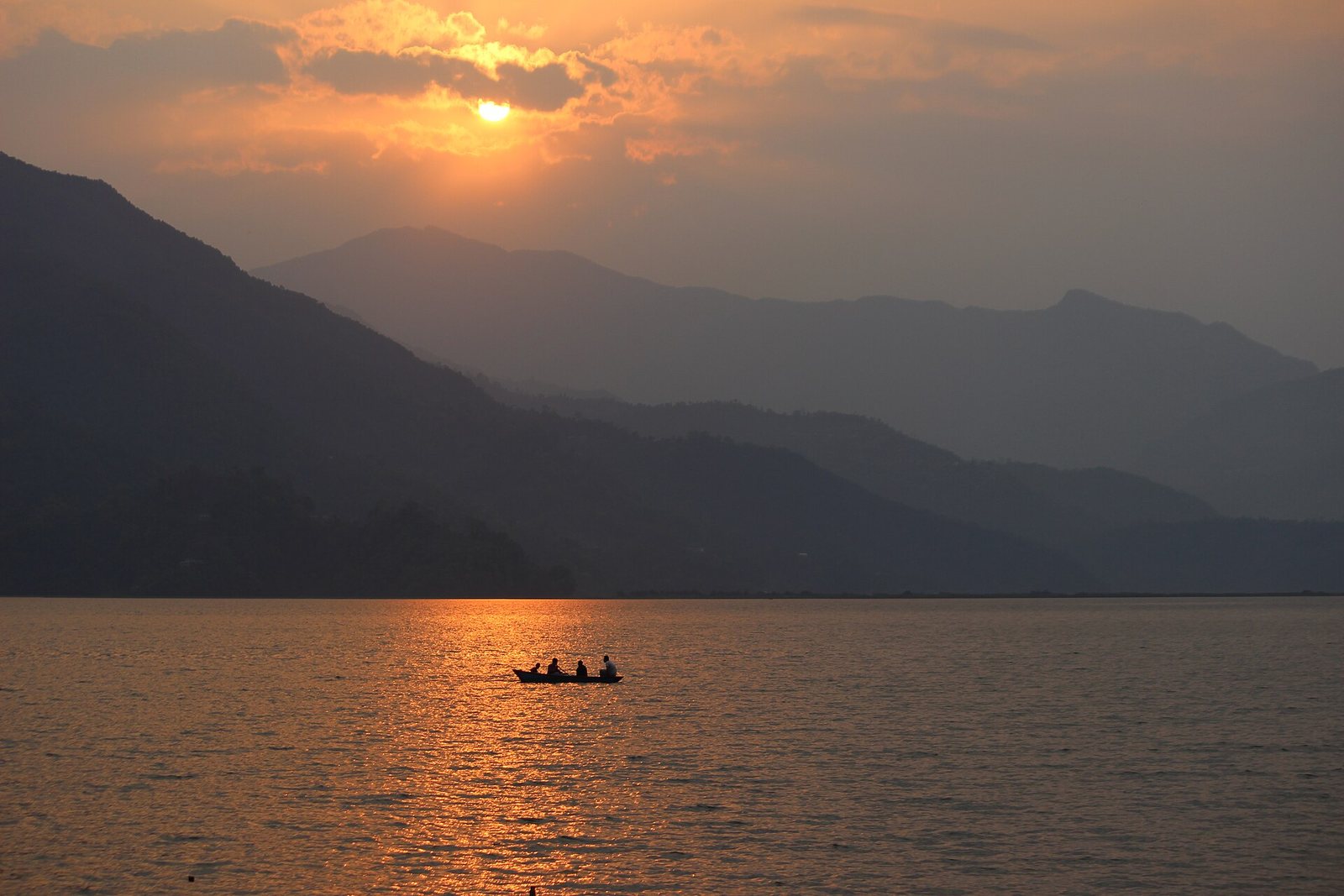
Pokhara is Nepal's relaxed second hub, a lakeside town under the Annapurna range and the start point for most treks in the west. It has paragliding, boating on Phewa Lake, cafés and sunrise viewpoints, and it is an easy place to recover after a trek.
The jungle
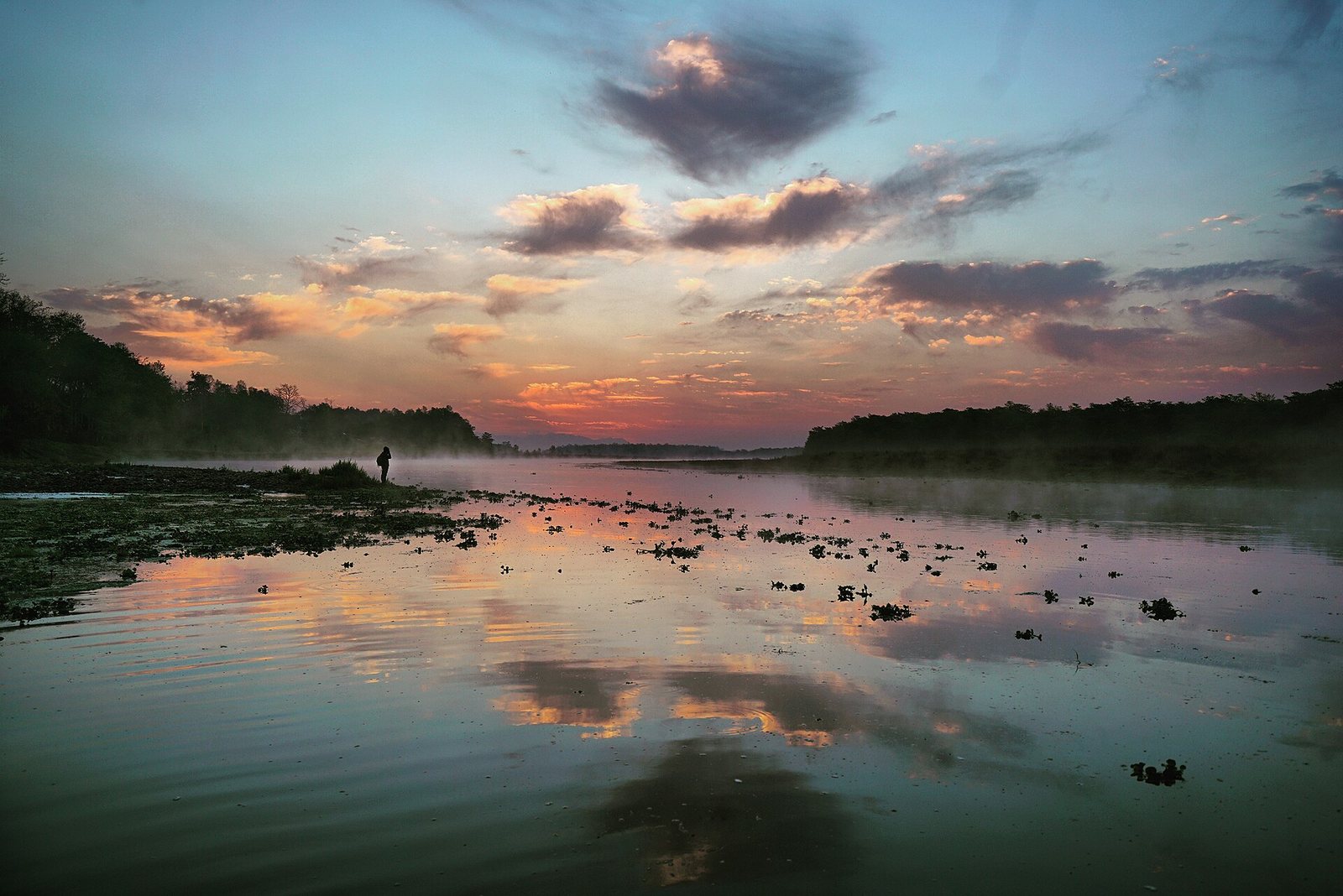
In the warm lowlands of the south, Chitwan is the country's best known national park, with one horned rhinos, elephants, crocodiles, hundreds of bird species and a healthy tiger population. Sauraha village is the usual base for jeep, canoe and walking safaris.
The great treks
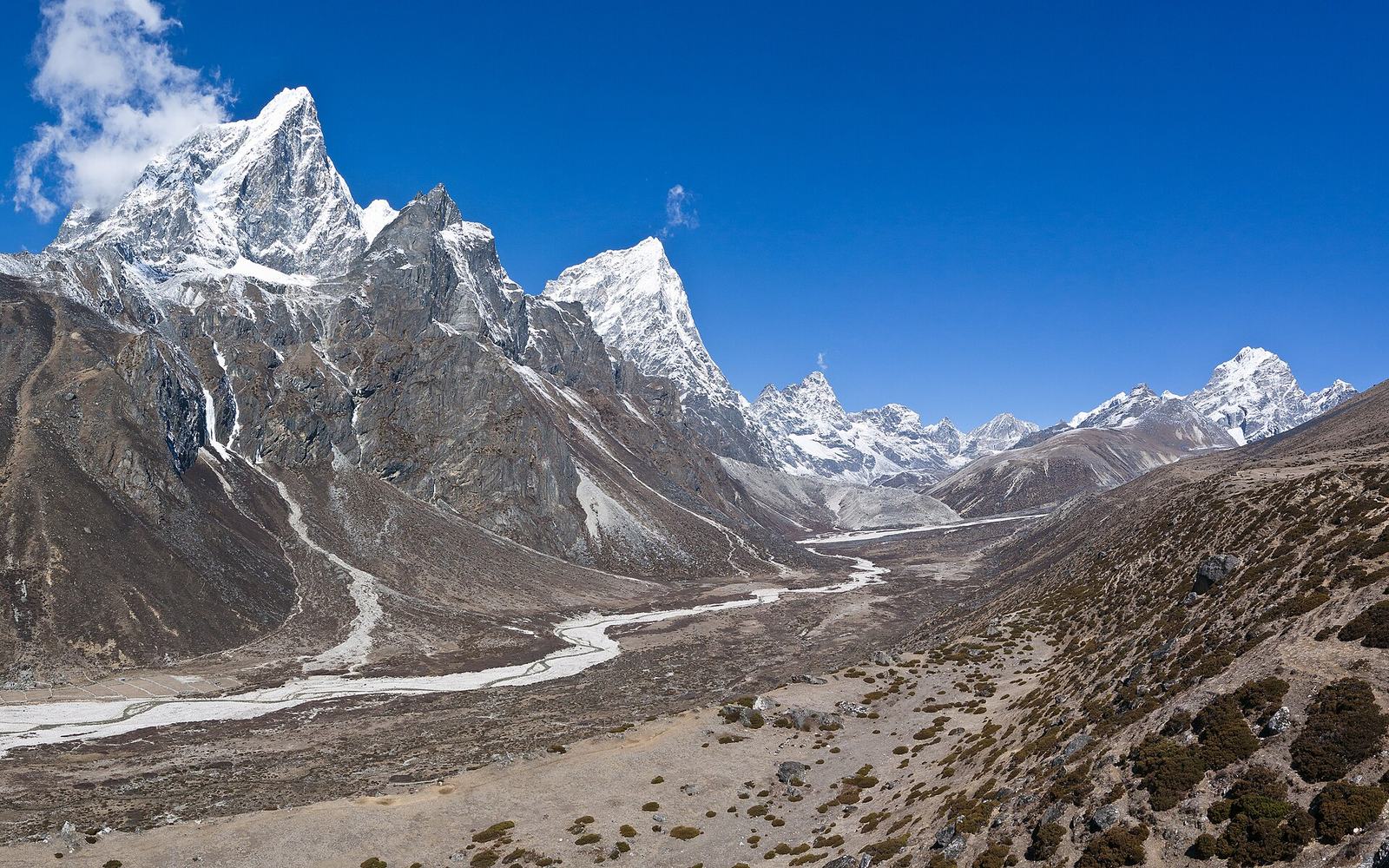
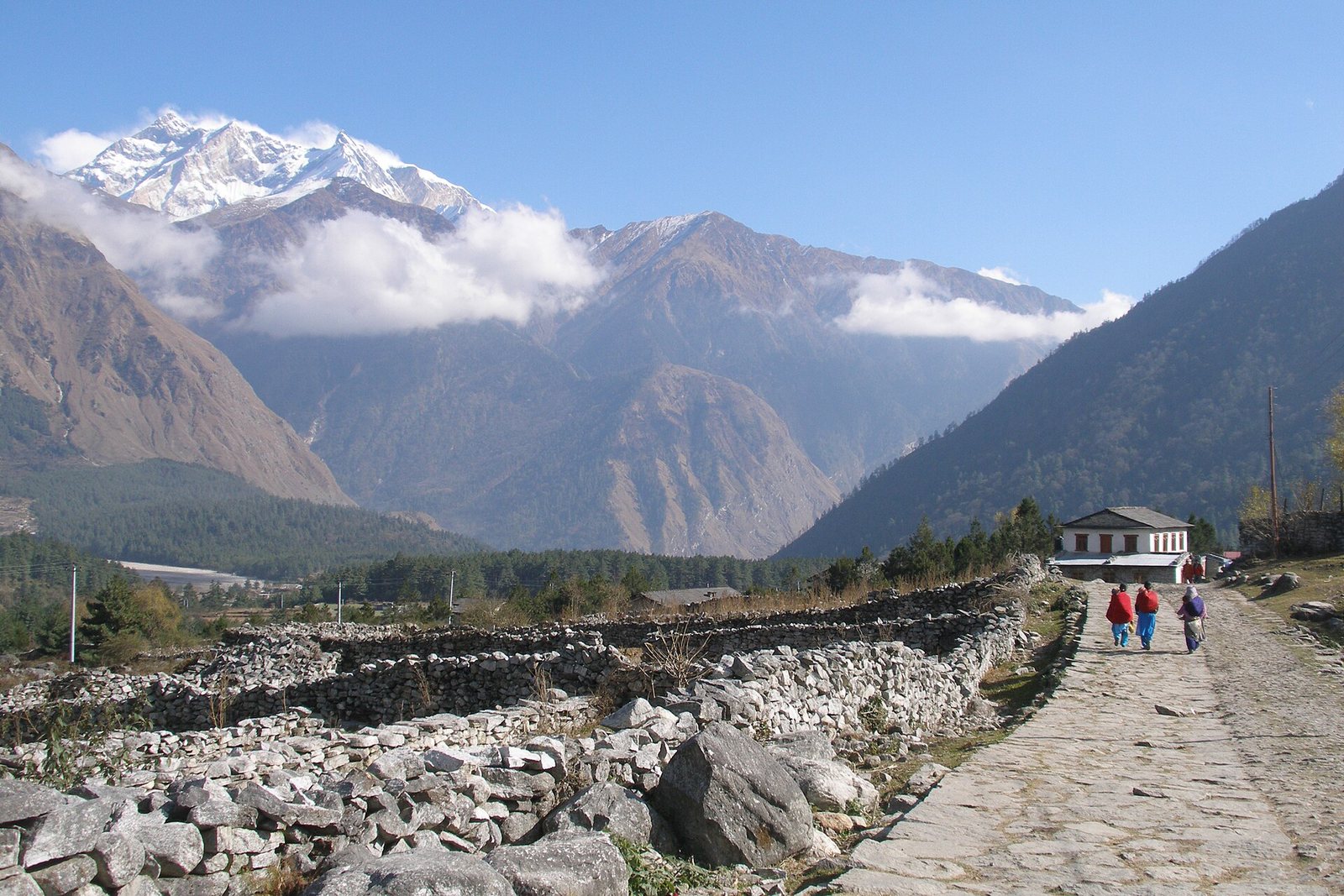
The Everest Region, also called the Khumbu, is reached by a short mountain flight to Lukla and holds Namche Bazaar, Tengboche monastery and Everest Base Camp. The Annapurna Region is reached from Pokhara by road and offers everything from a few days on Poon Hill to the full Annapurna Circuit over the Thorong La pass.
The pilgrimage
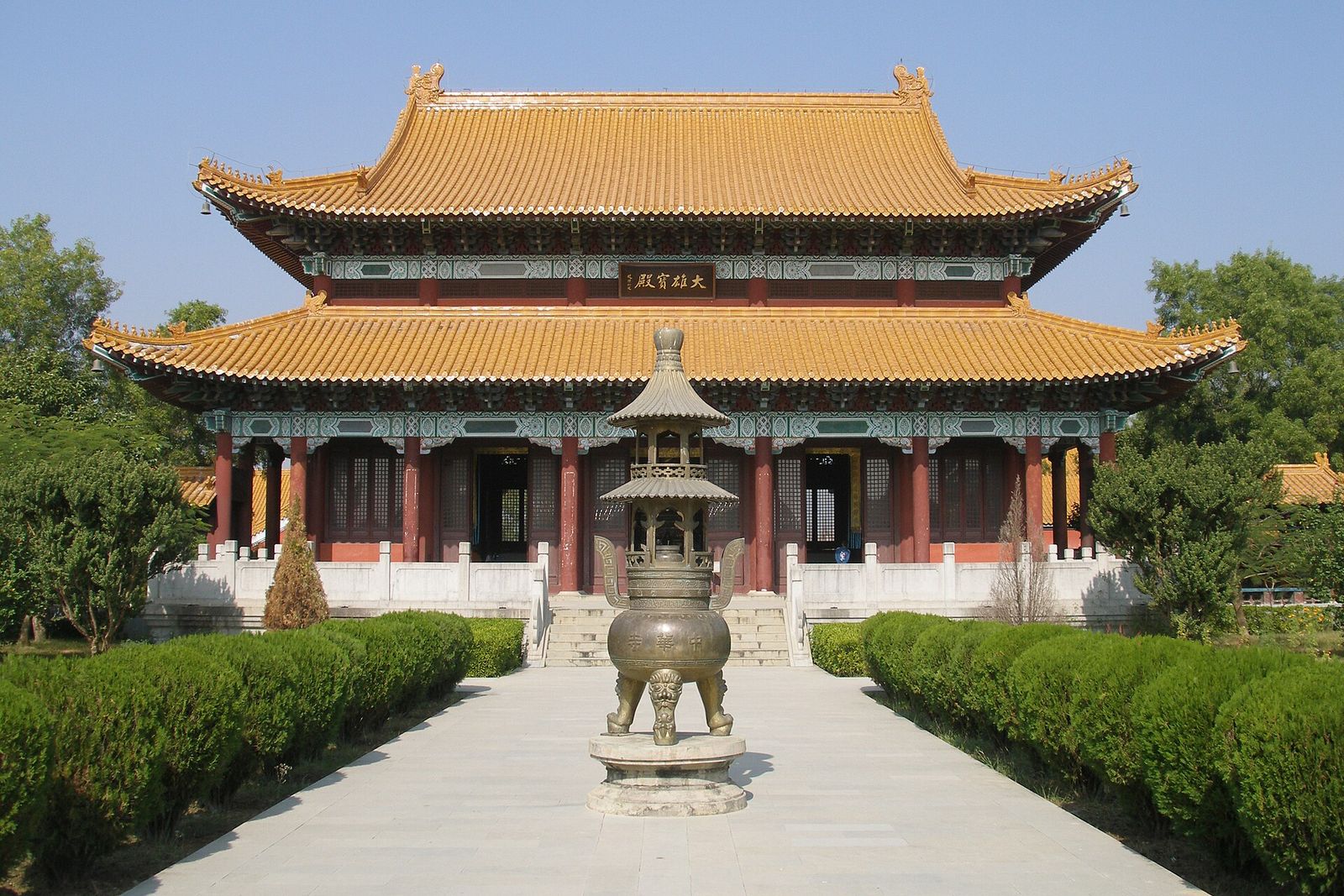
Lumbini, in the southwest near the Indian border, is the birthplace of the Buddha and a peaceful place of temples built by Buddhist nations from across the world.
Putting it together
A classic first trip of ten to fourteen days links the Kathmandu Valley, Pokhara with a short trek and Chitwan. With three weeks or more, add a full trek in the Everest or Annapurna region, or Lumbini on the way between Chitwan and Pokhara. Use the free trip planner to shape a route that fits your dates.