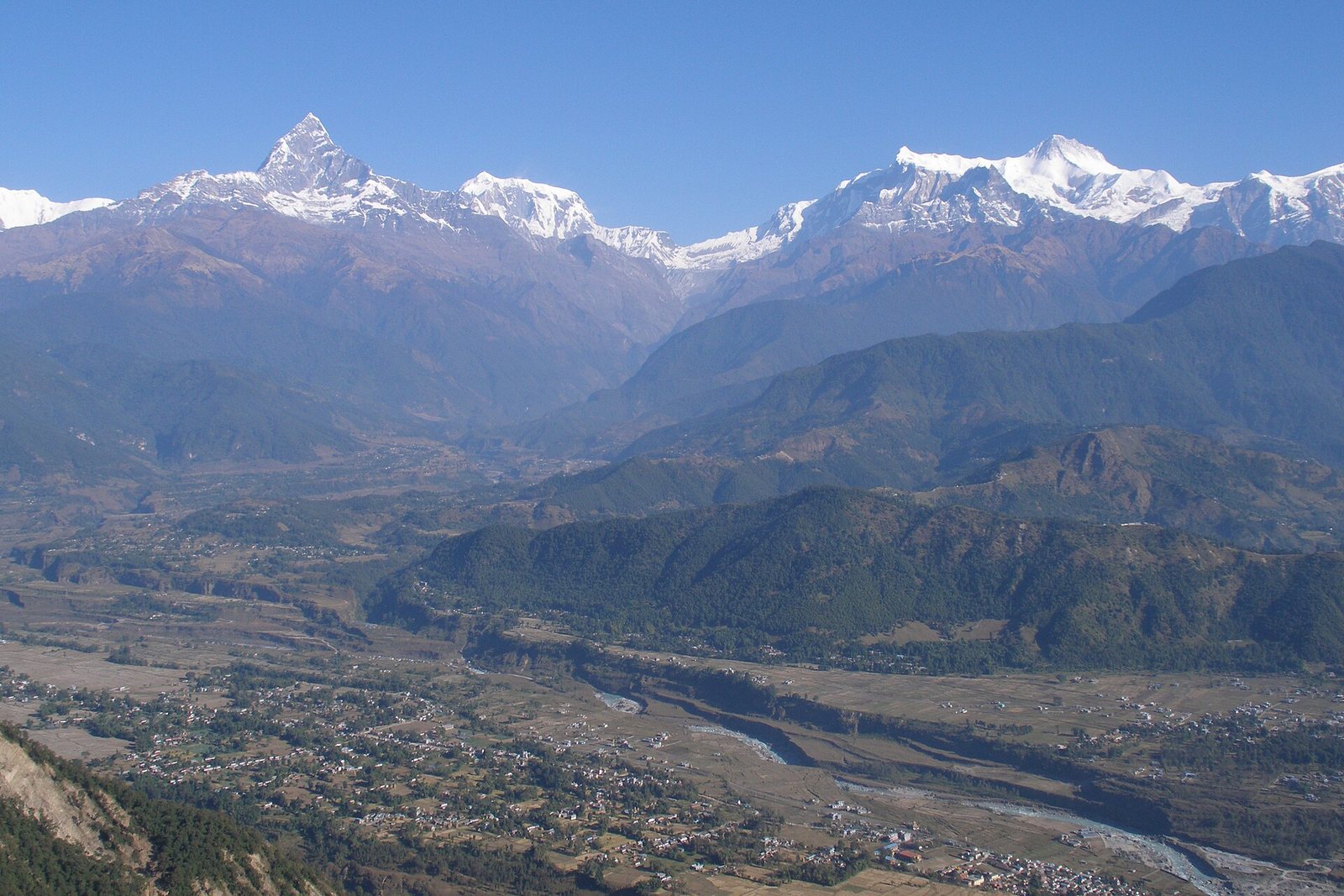
Machhapuchchhre from Pokhara, NepalPhoto: Vyacheslav Argenberg, CC BY 4.0, via Wikimedia Commons
Find your Bliss in Nepal
Nepal, made simple: Himalayan peaks, temple squares and jungle rhinos
Nepal is home to eight of the world's ten highest mountains, the ancient temple cities of the Kathmandu Valley, the lakeside calm of Pokhara, the rhinos and tigers of Chitwan and Lumbini, birthplace of the Buddha. It can feel daunting, with trekking permits, altitude, chaotic traffic, mountain flights and a visa on arrival. This guide takes the guesswork out so you travel with confidence.
Your trip, step by step
- Before you flyVisas, permits, seasons, insurance and health, answered
- LandingKathmandu airport, SIM cards, rupees and your first evening in Thamel, explained
- Your days in NepalTemples, treks, safaris and food, planned at a realistic pace
- Home againDeparture tips so the last day is calm too
Where to go, eat and stay
- Plain answersClear, honest guidance on the questions first-timers actually ask.
- Official sourcesEntry, permit, health and safety facts point you to the official pages to confirm.
- No price surprisesWe explain permits, trekking costs, cash, cards and tipping so nothing catches you off guard.
- Free to useEvery guide and the trip planner are free.
Our promise
Nepal should feel like wonder, not worry. We answer the questions about visas, permits, altitude, transport and money before they start, so you arrive confident and ready to find your Bliss.
Coming home from the Gulf, Malaysia, the UK, the United States or Australia to see family, or finally seeing the Himalaya for yourself? This guide was written with you in mind.
How to use this guide
Four steps from first idea to a trip that feels easy.
- Choose your NepalTemples, trekking, wildlife, lakes or pilgrimage: start with the destinations that fit you.
- Sort the essentialsVisa, trekking permits, insurance and the right season, checked against official sources.
- Pick your placesUse our places to visit list for temples, cafés, momo spots, hikes and stays in each base.
- Plan your routeUse the free trip planner to link Kathmandu, Pokhara, Chitwan and the mountains at a realistic pace.
Everything your Nepal trip needs
Free tools and guides for every stage of the journey.
Destinations
Kathmandu, Pokhara, Chitwan, Everest, Annapurna and Lumbini, each explained in depth.
Explore destinationsPlaces to visit
More than a hundred temples, cafés, momo spots, hikes, markets and stays, from classics to hidden corners.
See places to visitFlights and stays
Search flights into Kathmandu and stays in every base.
Plan travelPlaces finder
Restaurants, sights and stays mapped around each base.
Find placesFree trip planner
Tell us your dates and interests and build a route that fits.
Plan your trip
The classic Nepal trip
Kathmandu Valley, Pokhara, Chitwan and a taste of the mountains
Most first trips start with three or four days in the Kathmandu Valley, exploring the Durbar Squares of Kathmandu, Patan and Bhaktapur, Boudhanath and Pashupatinath. Then head west to Pokhara for lake days and a short trek such as Poon Hill, and south to Chitwan for a jungle safari. With two weeks or more, add a classic trek like Everest Base Camp or the Annapurna Circuit.
- Boudhanath Stupa at dusk with circling pilgrims
- Sunrise over the Annapurnas from Sarangkot or Poon Hill
- One horned rhinos in Chitwan National Park
- The medieval streets and potters' square of Bhaktapur
Start with the destinations
See how the valley, the lakes, the jungle and the mountains fit together.
Nepal destinationsPlan with confidence
Your route, without the worry
Nepal rewards a little preparation: the right trekking season, permits sorted, insurance that covers helicopter rescue at altitude, buffer days for weather delayed mountain flights and a pace that respects slow roads. Our free planner helps you shape it.
- Realistic travel times on mountain roads
- The right season for clear views, festivals or wildlife
- Where to base yourself in each region
Where to go in Nepal
From the temple squares of the Kathmandu Valley and the lakeside of Pokhara to the jungle of Chitwan, the Everest and Annapurna regions and the sacred gardens of Lumbini.
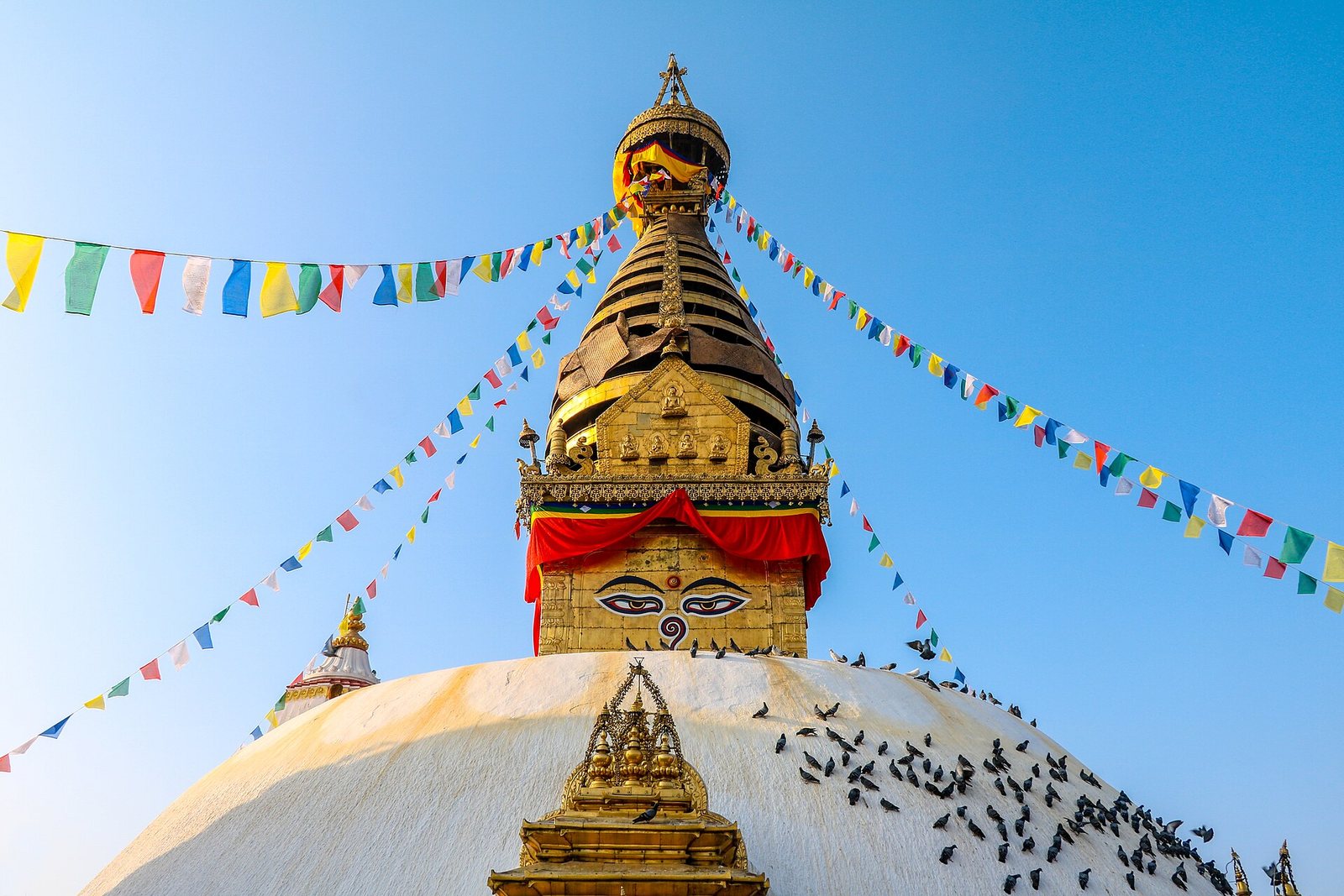
Kathmandu Valley, Bagmati Province
Kathmandu
A chaotic, captivating capital in a valley of ancient temple squares, great stupas and Newar towns.
Read the guidePhoto: Nirmal Dulal, CC BY-SA 4.0, via Wikimedia Commons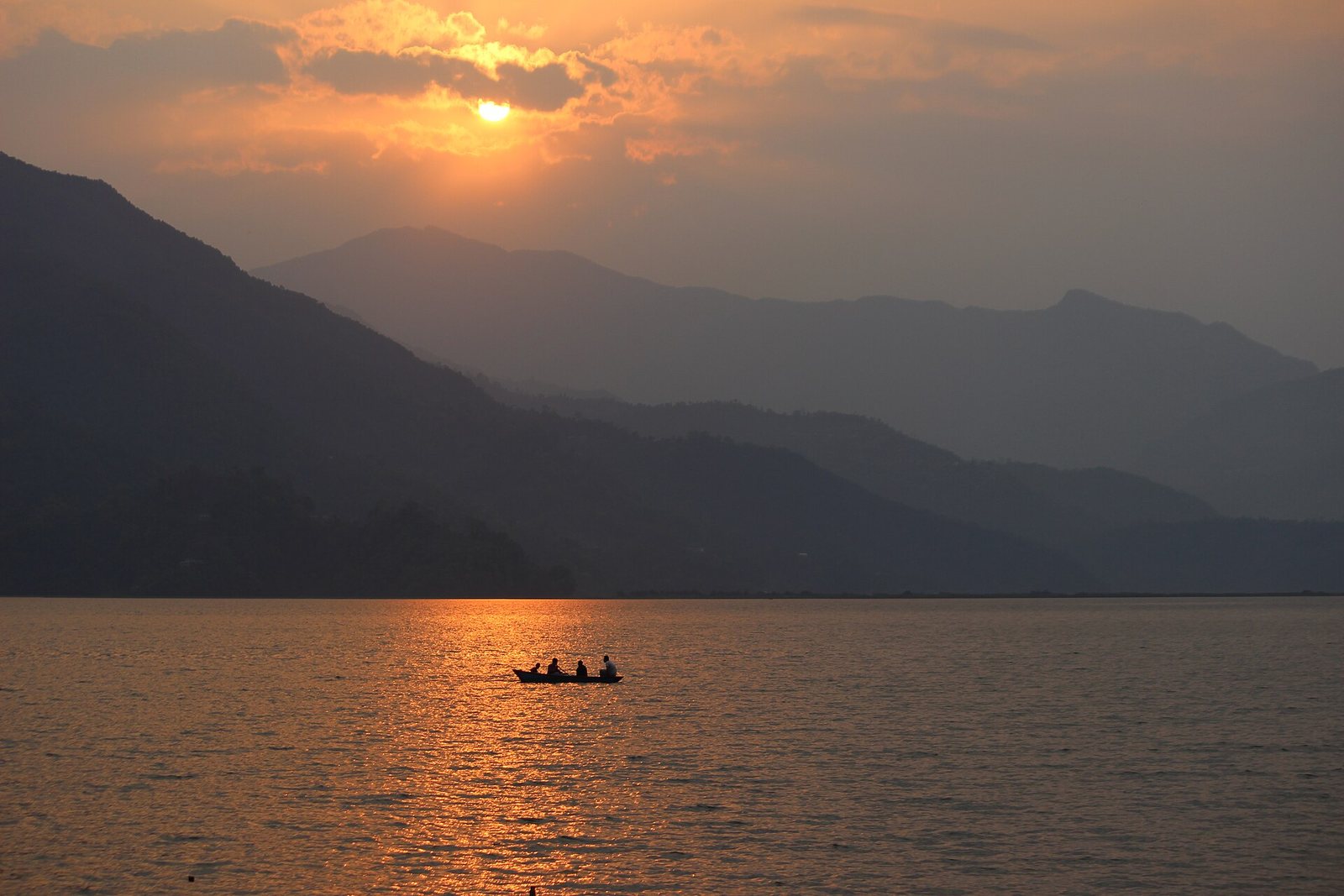
Kaski district, Gandaki Province
Pokhara
A calm lakeside town under the Annapurna range, made for sunrises, paragliding and resting after treks.
Read the guidePhoto: Sanu N, CC BY-SA 4.0, via Wikimedia Commons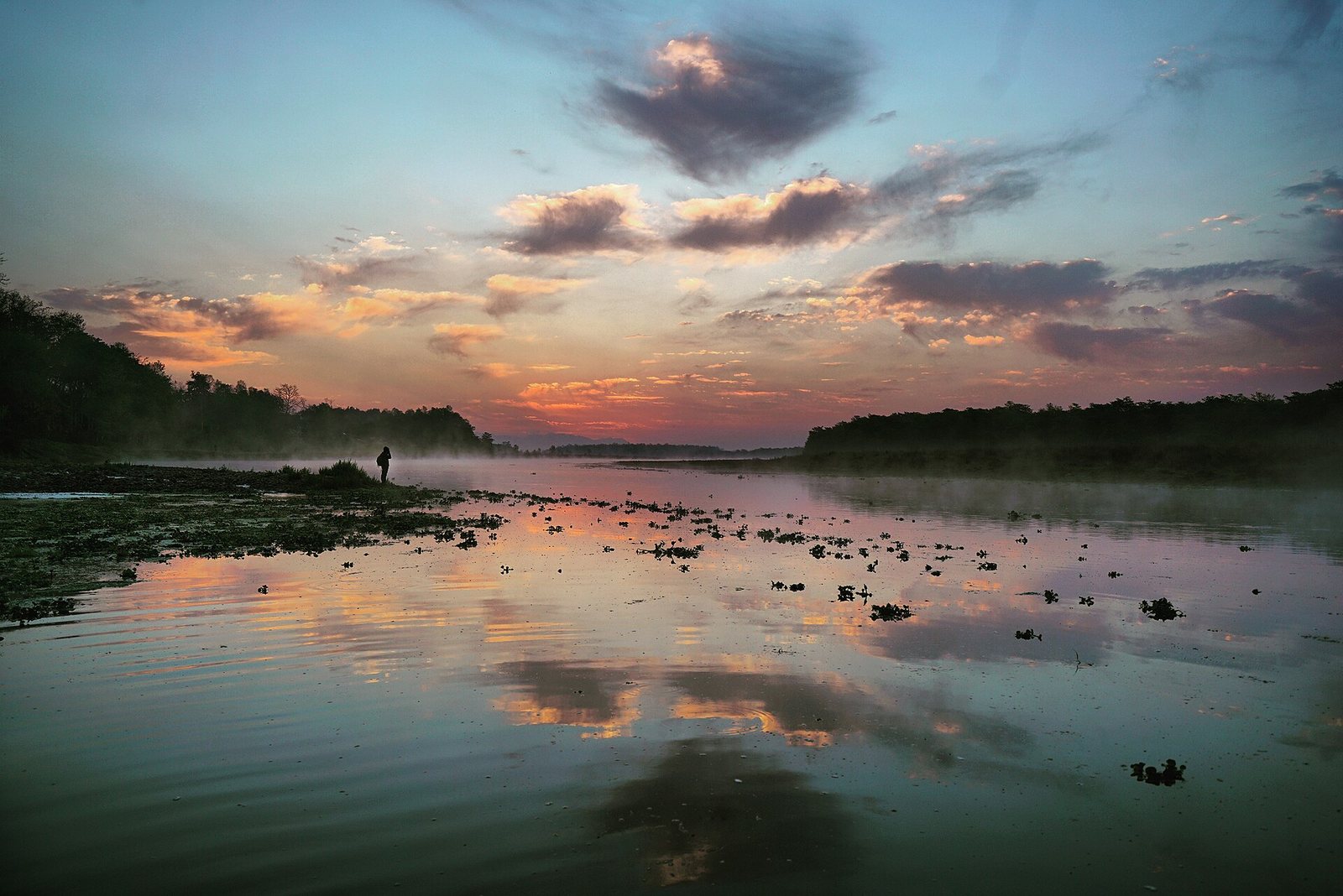
Chitwan district, Bagmati Province
Chitwan
Nepal's lowland jungle park, home to one horned rhinos, tigers, crocodiles and the Tharu people.
Read the guidePhoto: Mohan K. Duwal, CC BY-SA 4.0, via Wikimedia Commons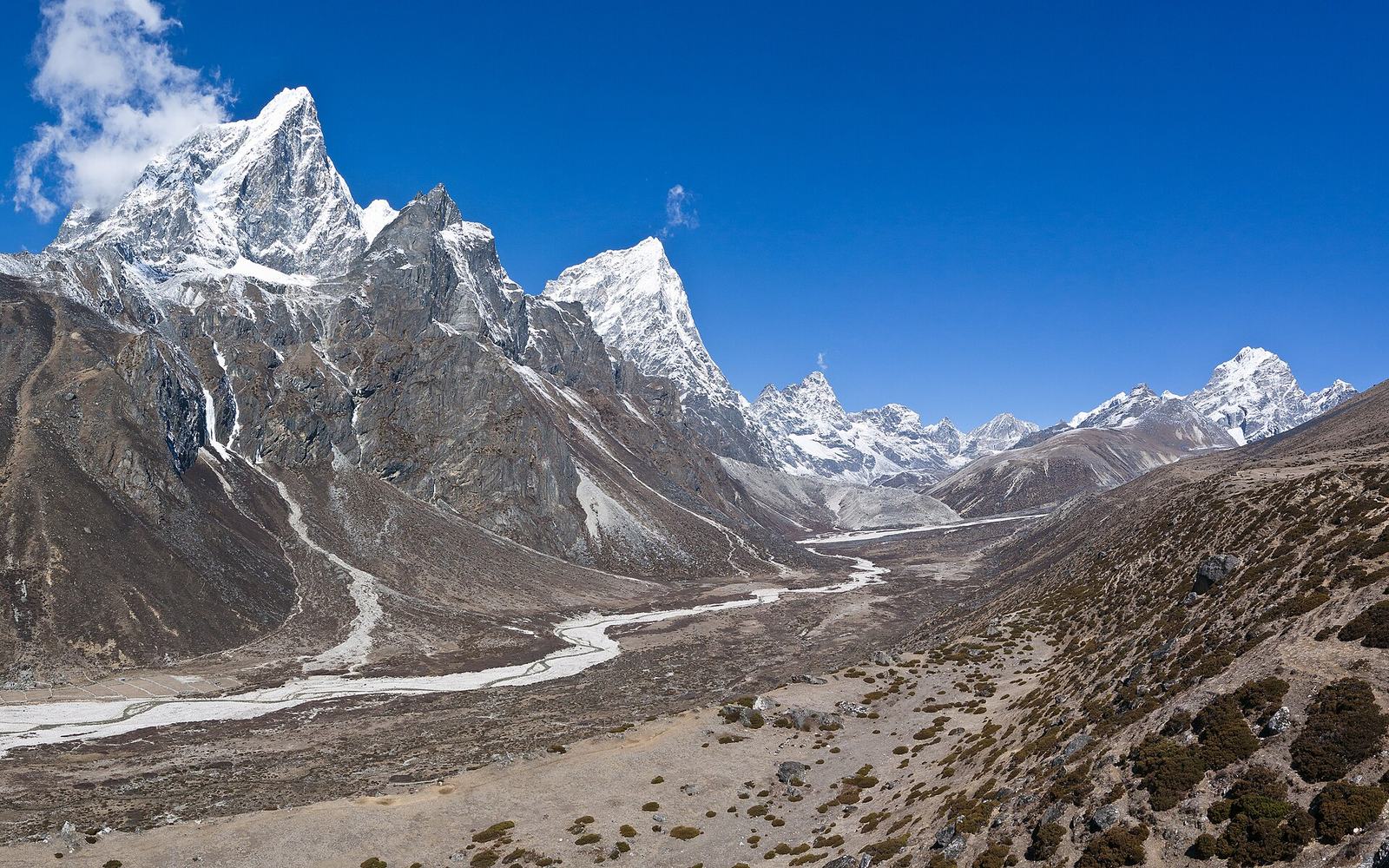
Solukhumbu district, Koshi Province
Everest Region
The Khumbu: Sherpa villages, high monasteries and the trek to the foot of the world's highest mountain.
Read the guidePhoto: Faj2323, CC BY-SA 4.0, via Wikimedia Commons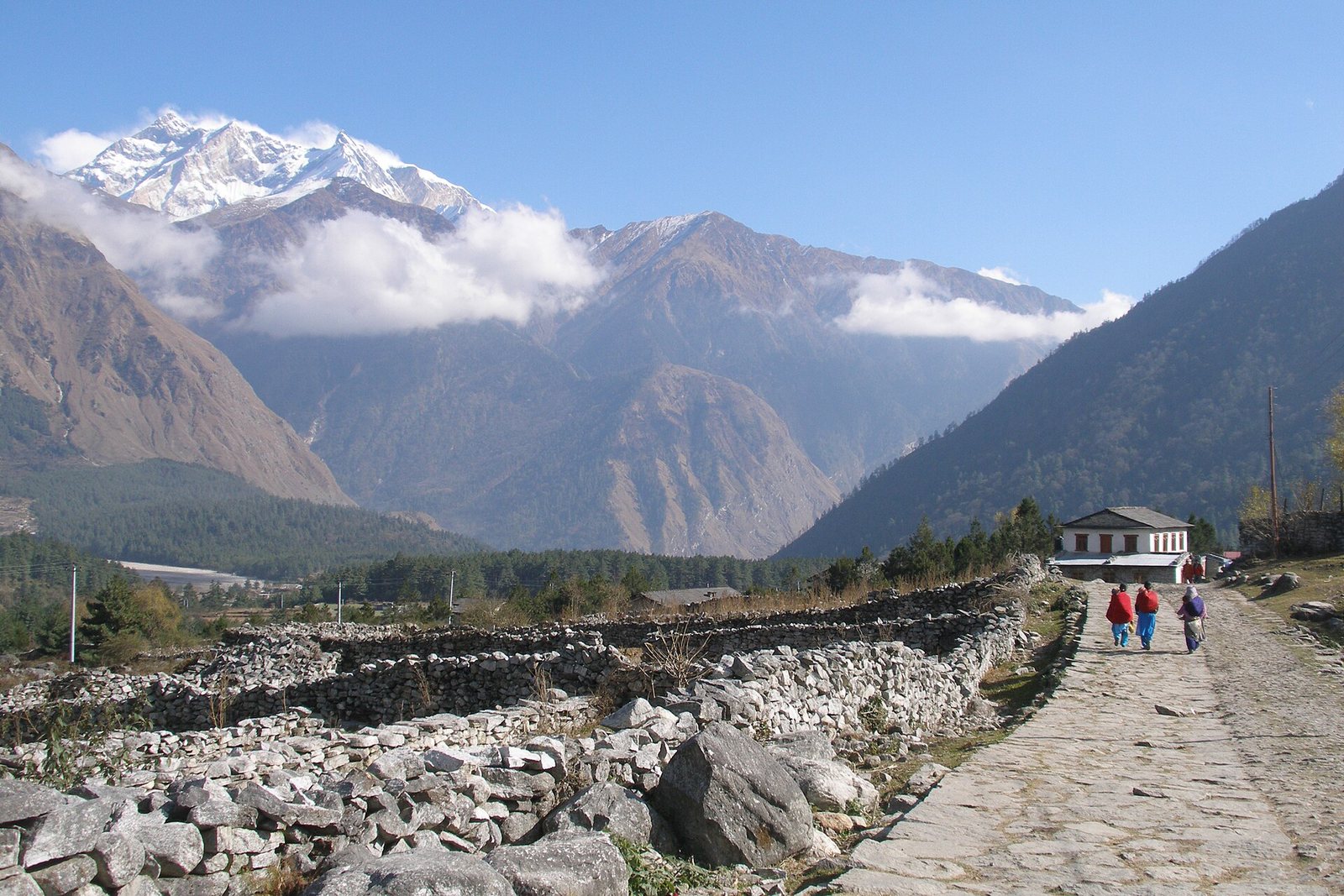
Gandaki Province
Annapurna Region
Nepal's most varied trekking region, from short sunrise walks to high passes and the desert of Mustang.
Read the guidePhoto: Vyacheslav Argenberg, CC BY 4.0, via Wikimedia Commons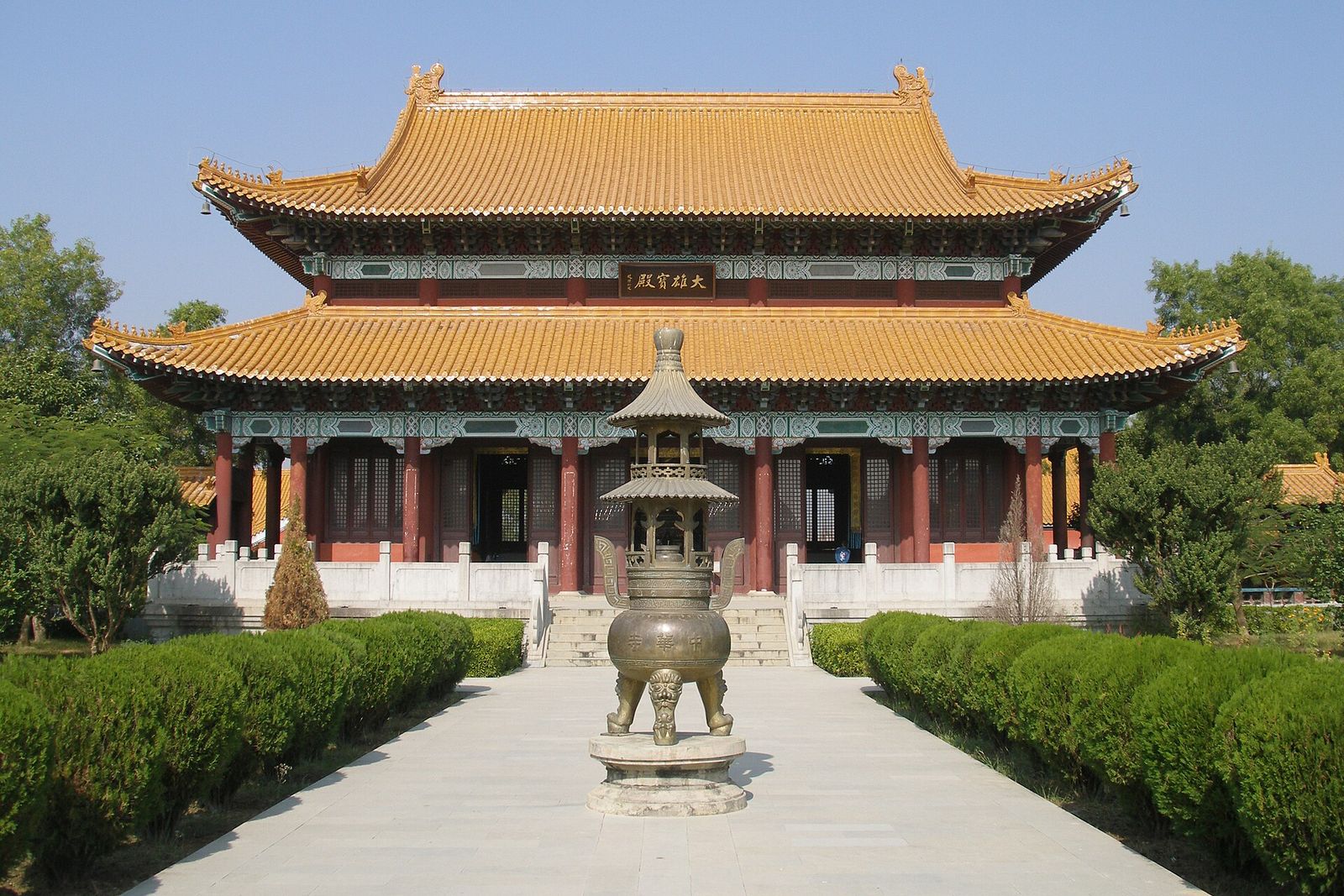
Rupandehi district, Lumbini Province
Lumbini
A peaceful pilgrimage site in the Terai where the Buddha was born, with monasteries built by nations from across Asia.
Read the guidePhoto: Vyacheslav Argenberg, CC BY 4.0, via Wikimedia Commons
A note from our founder
A note from our founder
My first time visiting Kenya, I was genuinely surprised with how fast it began feeling like home. The people are so friendly, the food is delicious and familiar, and the accommodations are modern and upscale.
During my travels throughout the continent, I commonly hear tourists share stories about being scammed or taken advantage of, which is both frustrating and disheartening.
Living in Kenya for the last 2 years, I have had the great fortune to meet a network of wonderful Kenyans who have continuously help guide my family's journey. Their shared knowledge has not only greatly enhanced our overall experience here, but it has also saved us tons of time, energy, and resources.
With BlissPoint Travel, my hope is to build a global community that is willing to share useful, uncommon knowledge so that we can all blissfully enjoy the wonders our world has to offer.
Questions we hear most
Is Nepal safe to visit?
Nepal is generally safe and welcoming for visitors. The main risks are road accidents, altitude sickness, trekking alone, monsoon landslides, petty theft in busy areas and occasional political protests. Read your own government's travel advice before you go.
What is the capital of Nepal?
Kathmandu, in the Kathmandu Valley in the centre of the country. Tribhuvan International Airport is on the eastern side of the city.
Do I need a visa for Nepal?
Many nationalities can get a tourist visa on arrival or apply online before travel through the Department of Immigration, while Indian citizens do not need a visa and some nationalities must apply at an embassy. Rules vary by passport, so check the official Department of Immigration site before you book.
Do I need a guide to trek in Nepal?
Since 2023 the authorities require foreign trekkers in most national parks and conservation areas to hire a licensed guide, although the Everest region has its own local permit system. Confirm the current rule with the Nepal Tourism Board before you go.
What money is used in Nepal?
The Nepalese rupee. Cards work in larger hotels, restaurants and shops in Kathmandu and Pokhara, but carry cash for treks, buses, small guesthouses and rural areas.
Can BlissPoint Travel book my trip?
We are a free travel guide, not a tour operator. Use our trip planner to shape your route, and our partner links to compare flights and stays.
Ready to find your Bliss in Nepal?
Use the free trip planner to shape your days, or send us a question through the contact page.