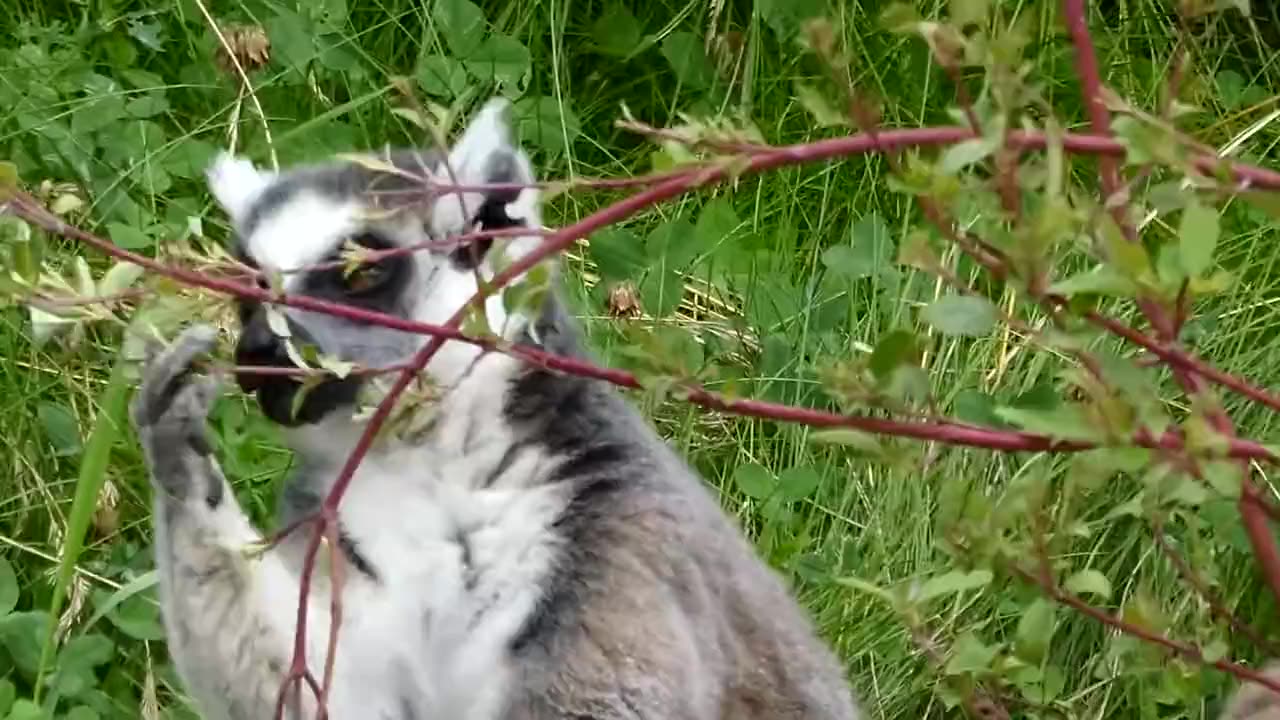
Madagascar, MadagascarVideo: [1], CC BY 2.0, via Wikimedia Commons
Find your Bliss in Madagascar
Madagascar, made simple: lemurs, baobabs and islands, without the worry
Madagascar is the world's fourth largest island, a place where most of the wildlife lives nowhere else on Earth. Lemurs call in the rainforest, baobabs line red dirt roads, sandstone canyons glow at sunset and turquoise islands wait off the north coast. Distances are long and roads are slow, so this guide takes the guesswork out of entry, cash, routes and seasons before you go.
Your trip, step by step
- Before you flyEntry rules, cash in ariary, health and seasons, answered
- LandingIvato airport in Antananarivo and the first hour explained
- Your days on the islandRainforest, baobabs, canyons and beaches, planned with care
- Home againDeparture tips so the last day is calm too
Where to go, eat and stay
- Plain answersClear, honest guidance on the questions first-timers actually ask.
- Official sourcesEntry, health and safety facts point you to the official pages to confirm.
- No price surprisesWe explain what costs more and what costs less, so your budget holds.
- Free to useEvery guide and the trip planner are free.
Our promise
Madagascar should feel like the adventure of a lifetime, not a gamble. We answer the tricky questions about long road journeys, domestic flights, cash and seasons before they start, so you arrive ready to find your Bliss.
Coming from Paris, Lyon, Réunion or beyond to see family in Tana, Toamasina or the highlands? This guide was written with you in mind too.
How to use this guide
Four steps from first idea to a trip that feels easy.
- Choose your regionThe highlands and rainforest, the baobabs of the west, the canyons of the south or the islands of the north: Madagascar is too big to see in one trip, so start with the destinations that fit you.
- Sort the essentialsEntry rules, enough cash in ariary, malaria advice and the best season, checked against official sources.
- Pick your placesUse our places to visit list for parks, beaches, markets, food and stays.
- Plan your routeUse the free trip planner to shape your days with realistic driving times and buffer days for flight changes.
Everything your Madagascar trip needs
Free tools and guides for every stage of the journey.
Destinations
Antananarivo, Andasibe, Isalo, Morondava, Nosy Be and Île Sainte-Marie, each explained in depth.
Explore destinationsPlaces to visit
More than a hundred parks, beaches, markets, restaurants and stays, from classics to hidden corners.
See places to visitFlights and stays
Search flights into Antananarivo and Nosy Be and stays across the island.
Plan travelPlaces finder
Restaurants, sights and stays mapped around each base.
Find placesFree trip planner
Tell us your dates and interests and build a route that fits.
Plan your trip
The classic Madagascar trip
Rainforest, baobabs, canyons and islands
Most first trips start in Antananarivo, then head east to the rainforest of Andasibe to hear the indri sing. From there, travellers pick a direction: south along the RN7 through the highlands to the canyons of Isalo, west to the Avenue of the Baobabs at Morondava, or north to the beaches and reefs around Nosy Be. With two to three weeks you can combine two of these; trying to do all of them usually means too many hours on the road.
- Indri and other lemurs in Andasibe
- Sunset on the Avenue of the Baobabs
- Canyons and natural pools in Isalo
- Islands, reefs and whale sharks around Nosy Be
Start with the destinations
See how the highlands, the west, the south and the islands fit together.
Madagascar destinationsPlan with confidence
Your route, without the worry
Roads in Madagascar are slow, domestic flights change at short notice and night driving is best avoided. Our free planner helps you build a route with realistic travel days and buffer time, so a delay never costs you your flight home.
- Realistic driving times
- The right season for your plans
- Where to base yourself
Where to go in Madagascar
From the royal hills of Antananarivo to lemur forests, baobab avenues, sandstone canyons and tropical islands.
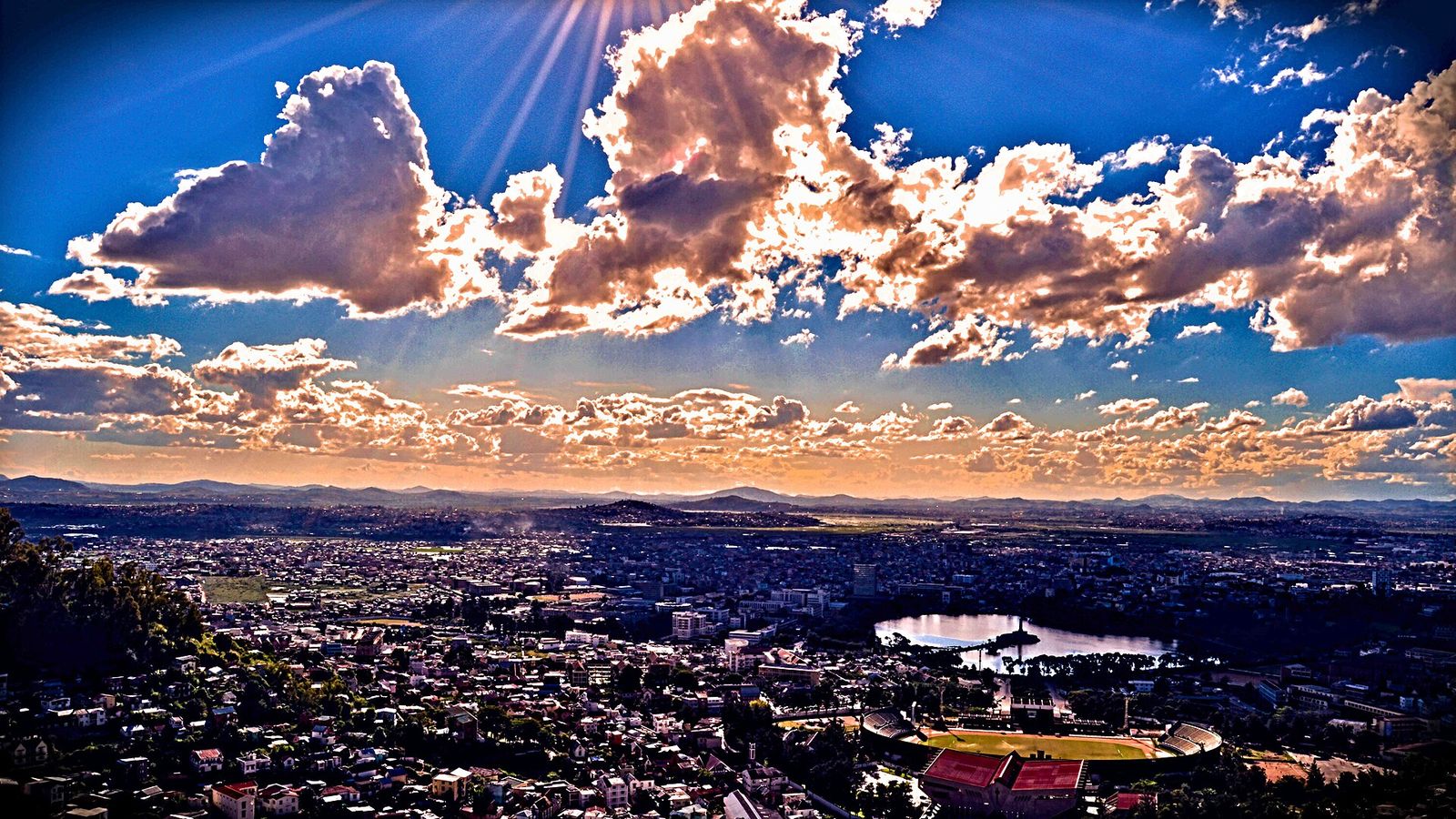
Central Highlands (Analamanga)
Antananarivo
The hilly capital of royal palaces, red brick houses, busy markets and rice fields.
Read the guidePhoto: ApexDynamo, CC BY 4.0, via Wikimedia Commons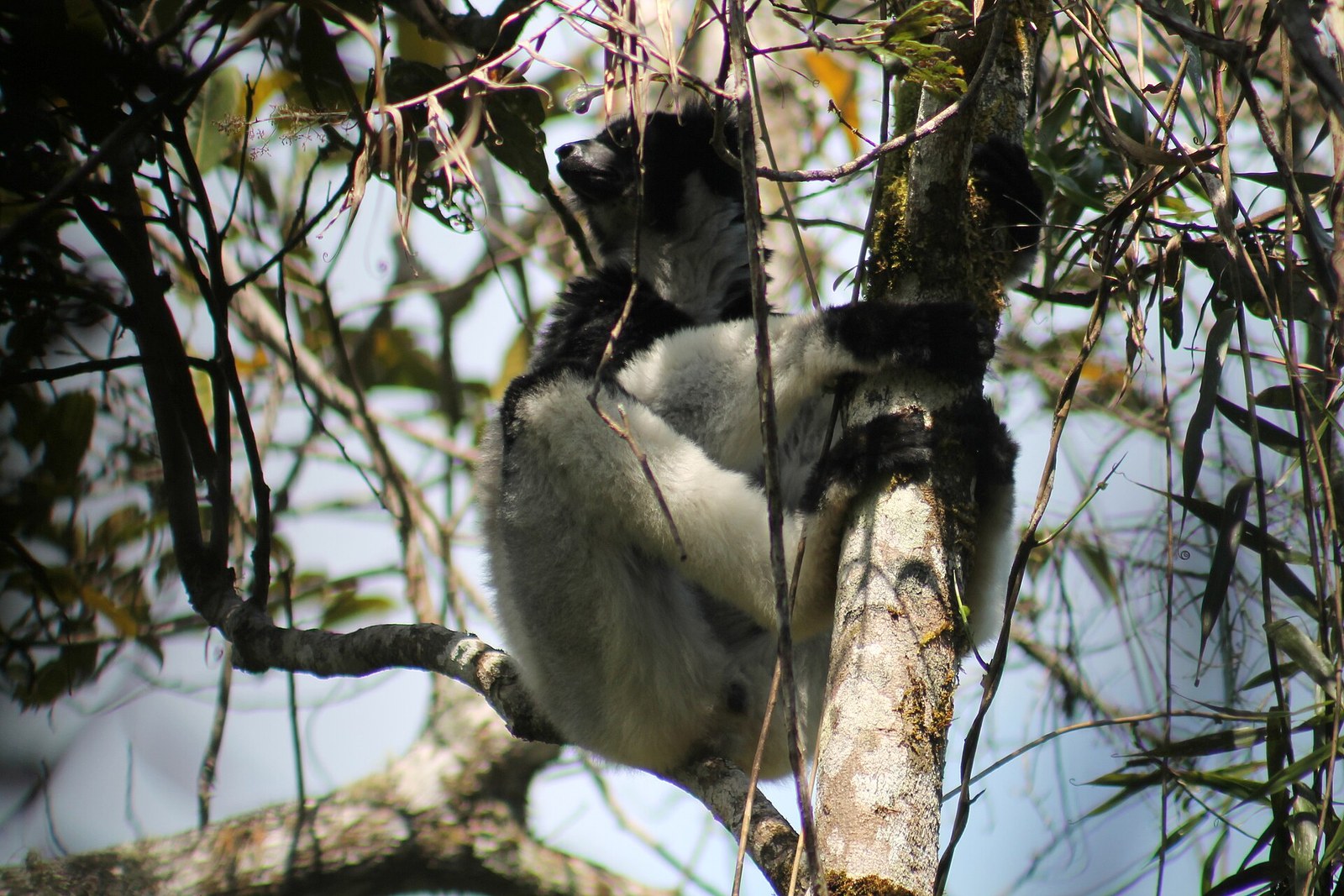
Eastern rainforest (Alaotra-Mangoro)
Andasibe
The easiest rainforest to reach from the capital, home of the singing indri.
Read the guidePhoto: Heinonlein, CC BY-SA 4.0, via Wikimedia Commons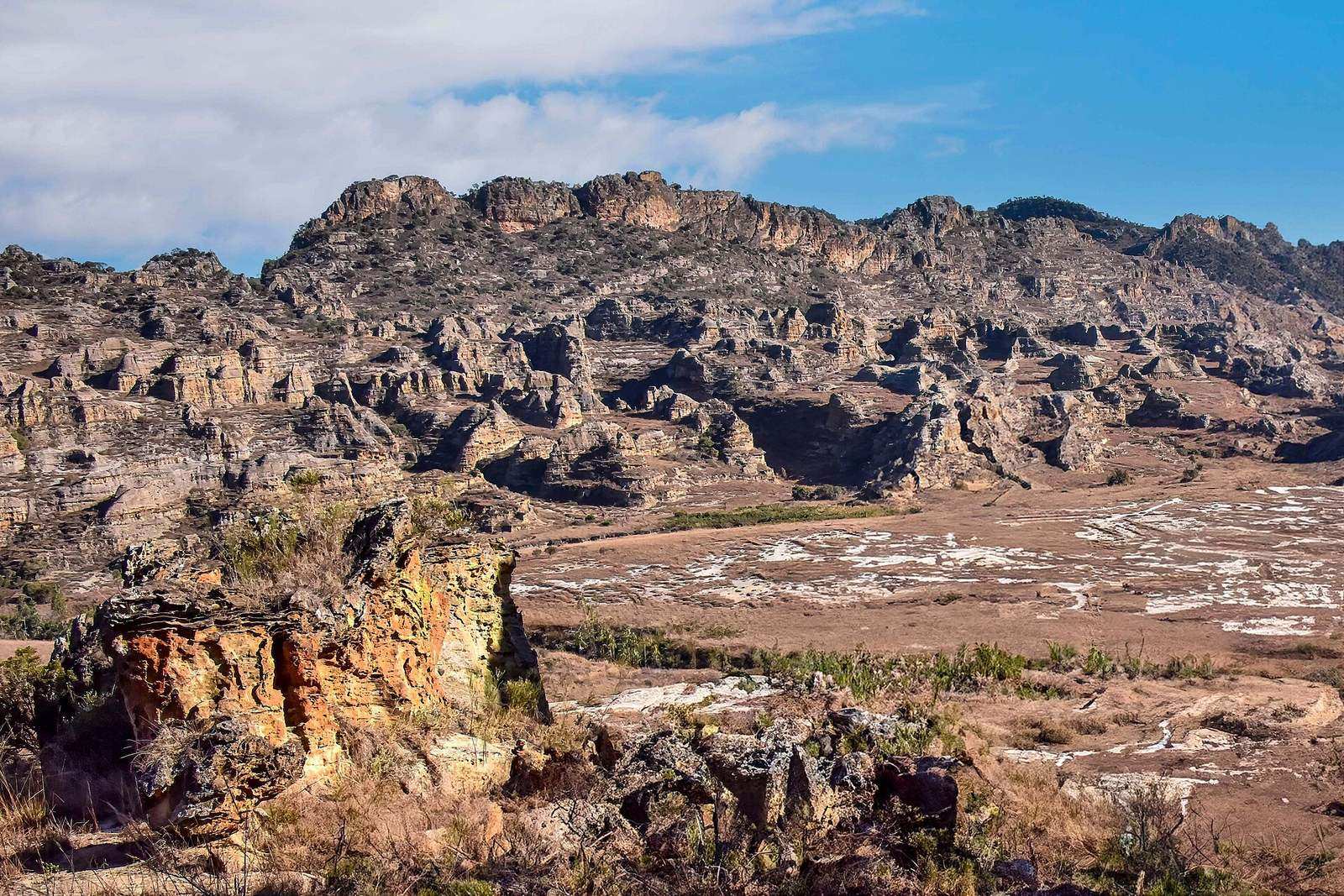
South (Ihorombe)
Isalo
A sandstone massif of canyons, palm fringed pools and lemurs on Madagascar's great southern road trip.
Read the guidePhoto: Rod Waddington, CC BY-SA 2.0, via Wikimedia Commons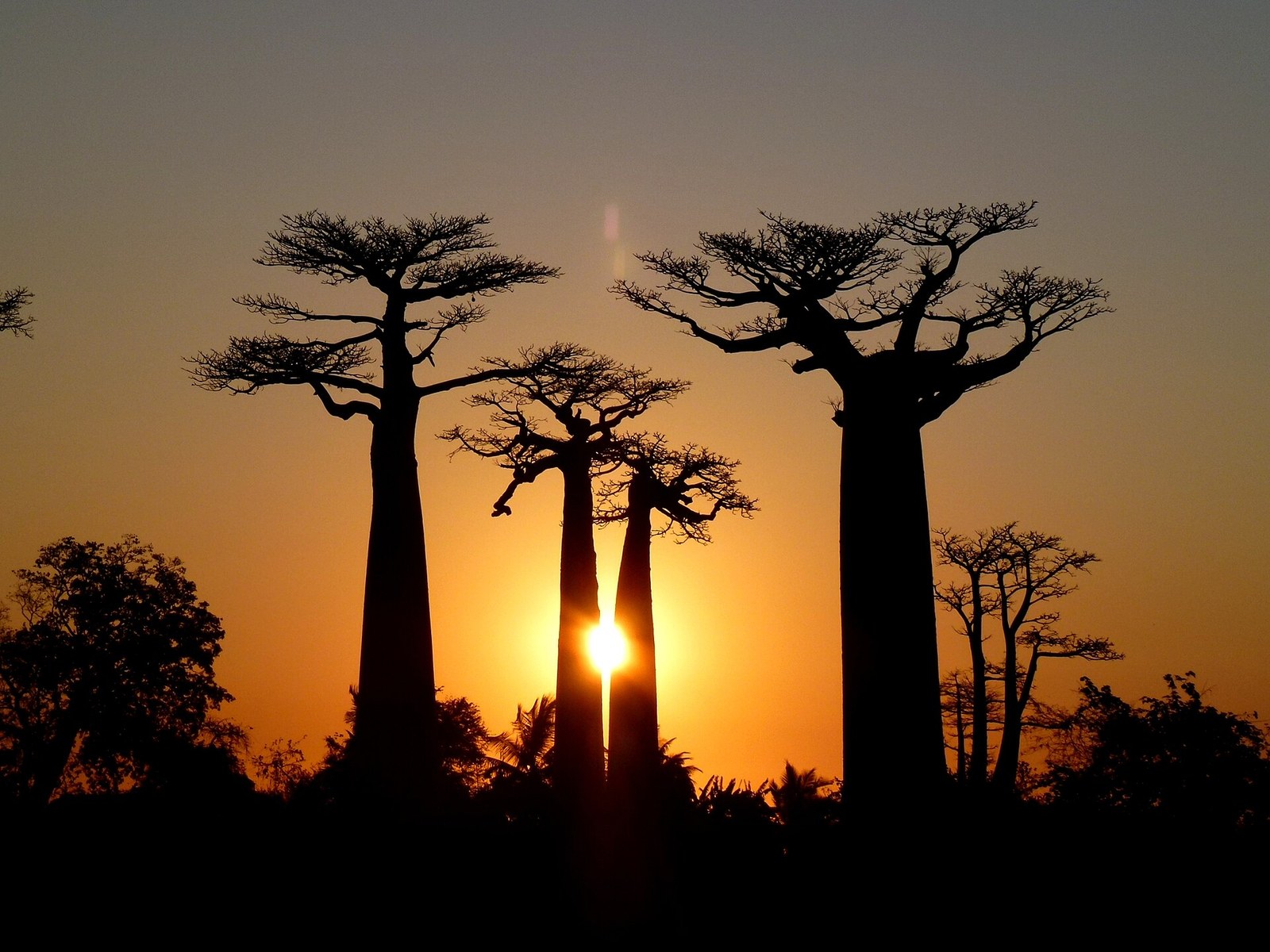
West (Menabe)
Morondava
A laid back west coast town at the gateway to baobabs, dry forest and the Tsingy.
Read the guidePhoto: Hiroki Ogawa, CC BY 3.0, via Wikimedia Commons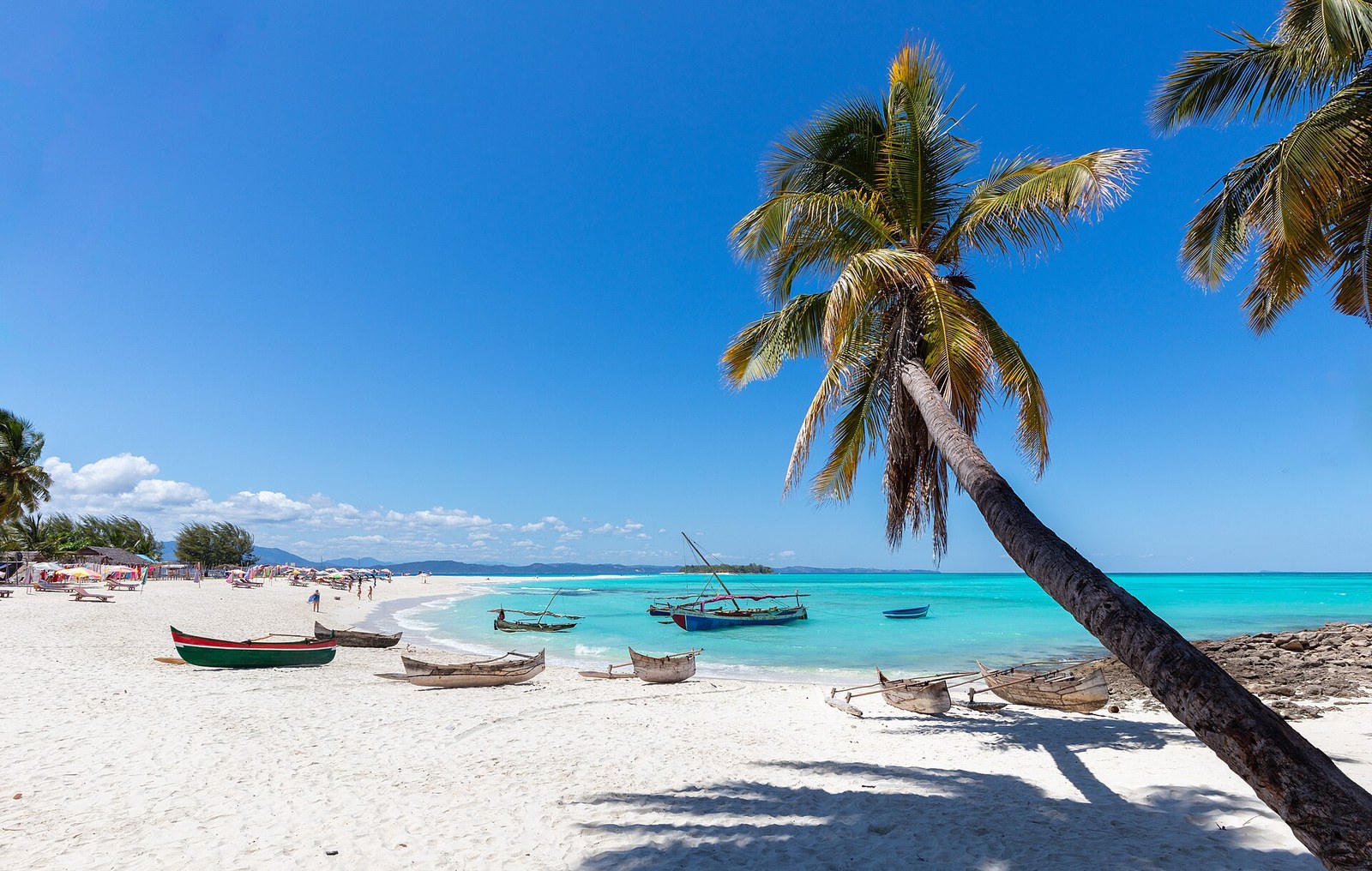
Northwest (Diana)
Nosy Be
Madagascar's main beach island, with boat trips to lemur islands, reefs and sandbars.
Read the guidePhoto: Diego Delso, CC BY-SA 4.0, via Wikimedia Commons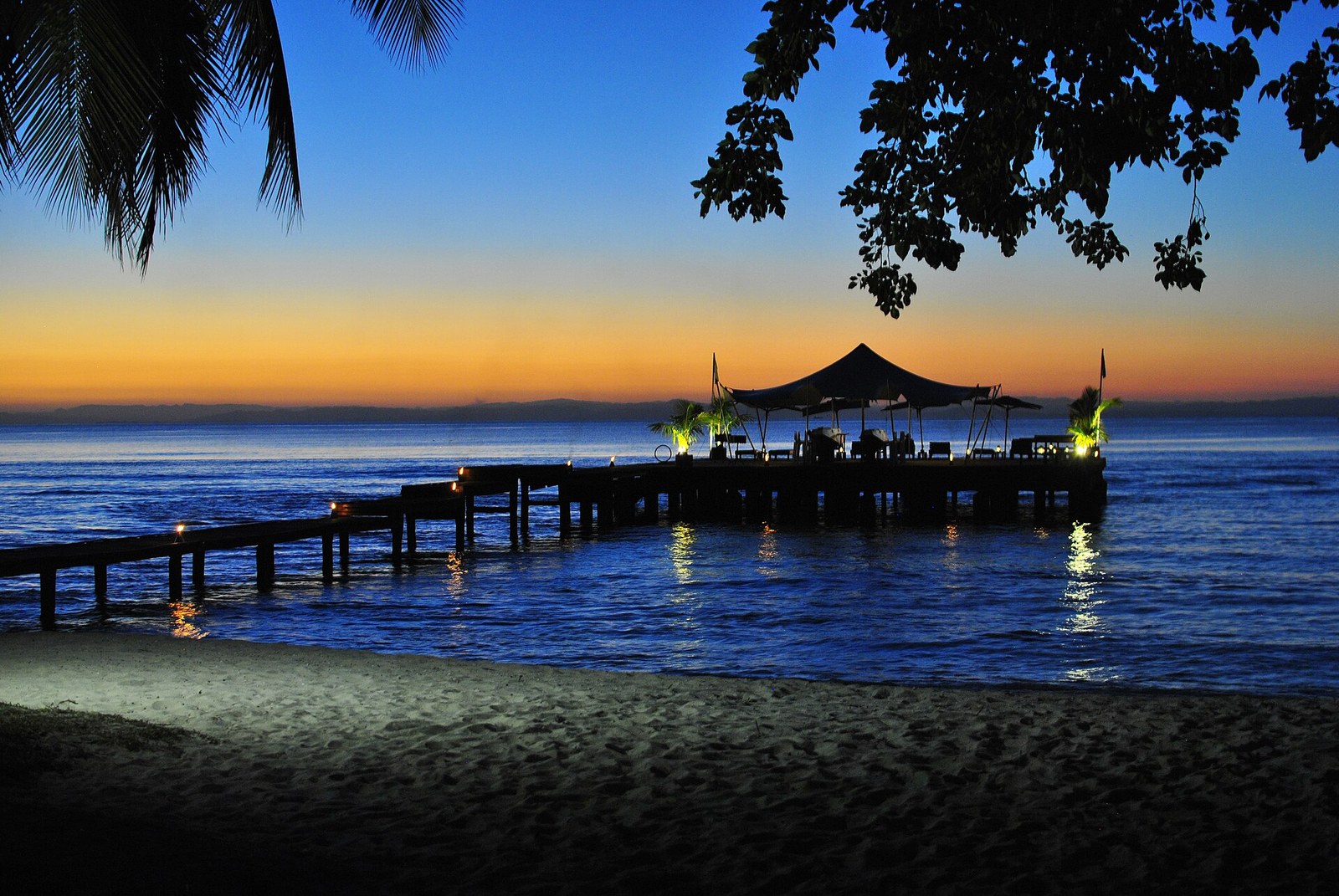
East coast (Analanjirofo)
Île Sainte-Marie
A long, green island off the east coast, famous for humpback whales and pirate history.
Read the guidePhoto: Anai171, CC BY-SA 4.0, via Wikimedia Commons
A note from our founder
A note from our founder
My first time visiting Kenya, I was genuinely surprised with how fast it began feeling like home. The people are so friendly, the food is delicious and familiar, and the accommodations are modern and upscale.
During my travels throughout the continent, I commonly hear tourists share stories about being scammed or taken advantage of, which is both frustrating and disheartening.
Living in Kenya for the last 2 years, I have had the great fortune to meet a network of wonderful Kenyans who have continuously help guide my family's journey. Their shared knowledge has not only greatly enhanced our overall experience here, but it has also saved us tons of time, energy, and resources.
With BlissPoint Travel, my hope is to build a global community that is willing to share useful, uncommon knowledge so that we can all blissfully enjoy the wonders our world has to offer.
Questions we hear most
Is Madagascar worth visiting?
Yes, especially if you love wildlife and wild landscapes. Around nine in ten of its mammals, reptiles and plants are found nowhere else. Travel is slow and infrastructure is basic, so it suits patient travellers who plan well.
Do I need a visa for Madagascar?
Most visitors need a tourist visa, which can be arranged online through the official e-visa service or, for many nationalities, on arrival. Rules vary by passport and can change, so check the official e-visa site and your government's travel advice before you fly.
What currency is used in Madagascar?
The Malagasy ariary. Euros are the easiest foreign cash to exchange. ATMs exist in larger towns and cards work in some hotels, but bring enough cash for rural areas and parks.
How long should I spend in Madagascar?
Two weeks is a good minimum for one region, such as the RN7 south or the west plus Andasibe. Three weeks or more lets you add a beach stay on Nosy Be or Île Sainte-Marie.
When is the best time to visit?
April to November is the dry season and the most popular time. September to November is great for wildlife and baby lemurs. January to March brings heavy rain and the risk of cyclones.
Is Madagascar safe for tourists?
Most visits are trouble free, but petty theft is common in Antananarivo, some rural roads have bandit risk after dark and political protests can happen. Read your government's current travel advice before you go.
Ready to find your Bliss in Madagascar?
Use the free trip planner to turn ideas into a route that fits your dates and budget.