At a glance
- Best for
- Baobabs, sunsets, fossa spotting and the Tsingy
- Region
- West coast
- Time needed
- Two to five nights
- Airport
- Morondava has a domestic airport
- Getting around
- Four by four with a driver for trips beyond town
- Season
- Dry season, April to November, for the Tsingy road
Why Morondava is worth your time
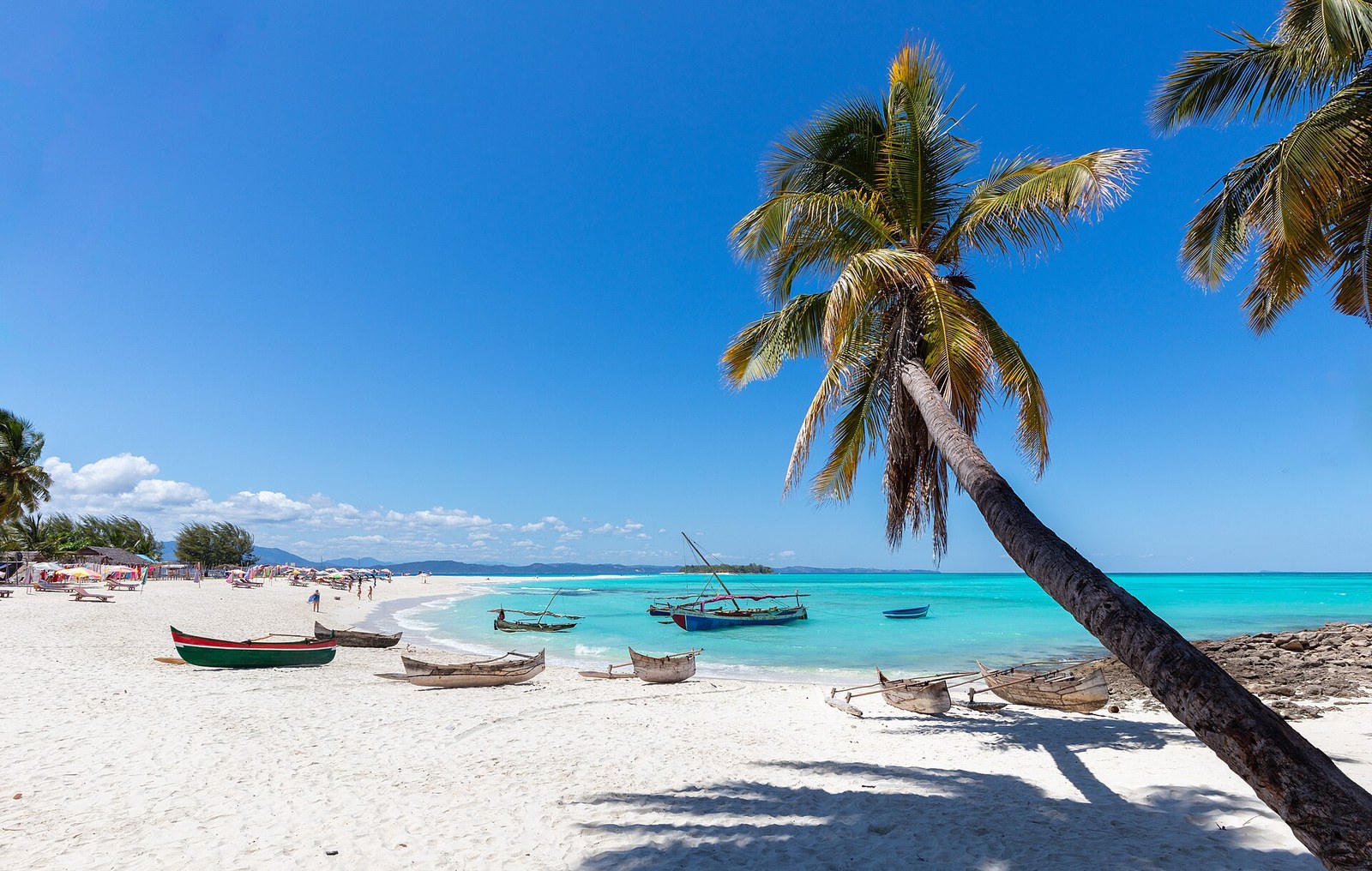
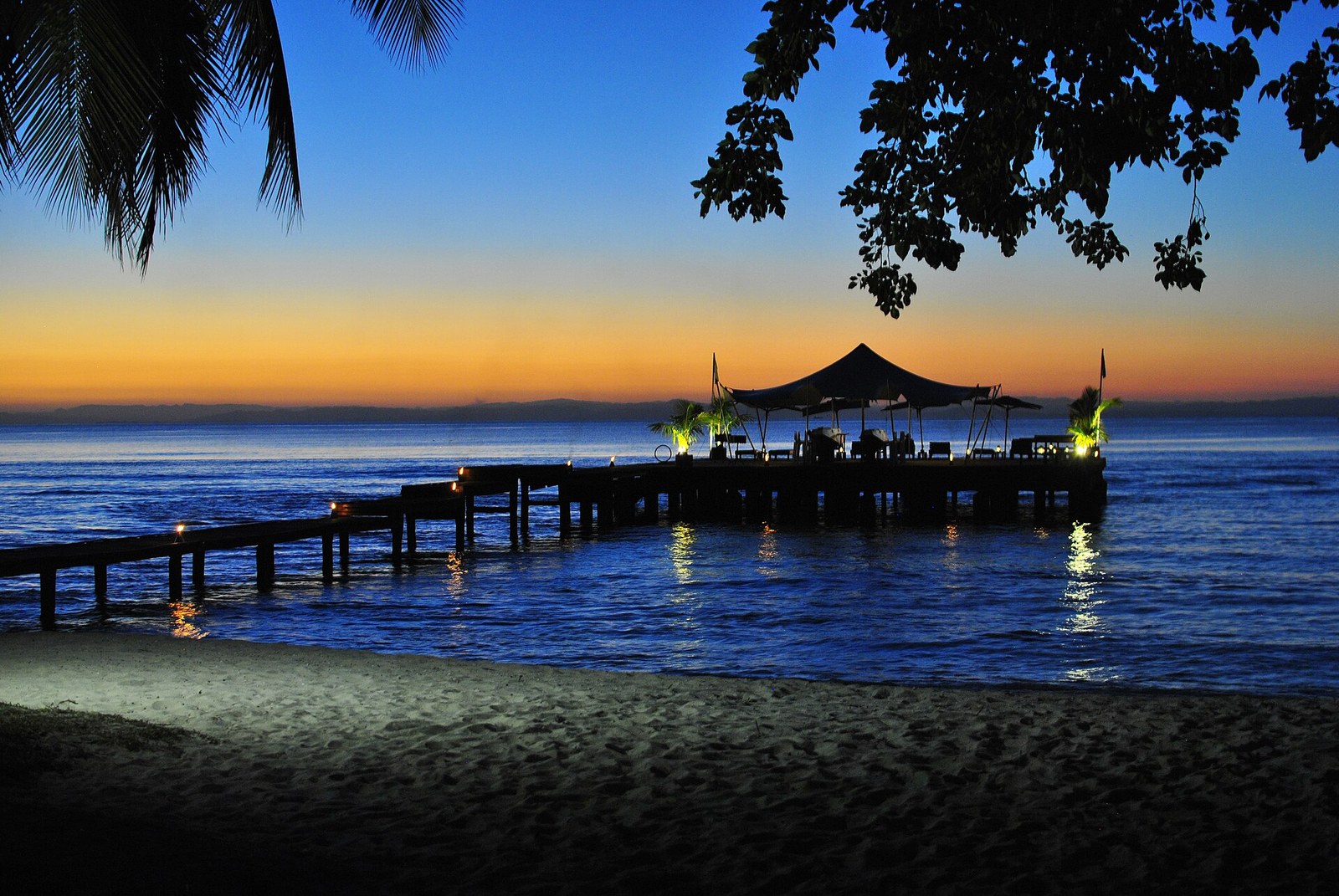
The west of Madagascar feels hot, dusty and wide open, with a slower pace than the highlands. Morondava itself has a sandy peninsula of hotels called Nosy Kely, a lively market and fishing pirogues pulled up on the beach. But most people come for what lies beyond: baobabs, a dry forest where you may see the fossa, Madagascar's largest predator, and the jagged stone forest of the Tsingy.
The Avenue of the Baobabs
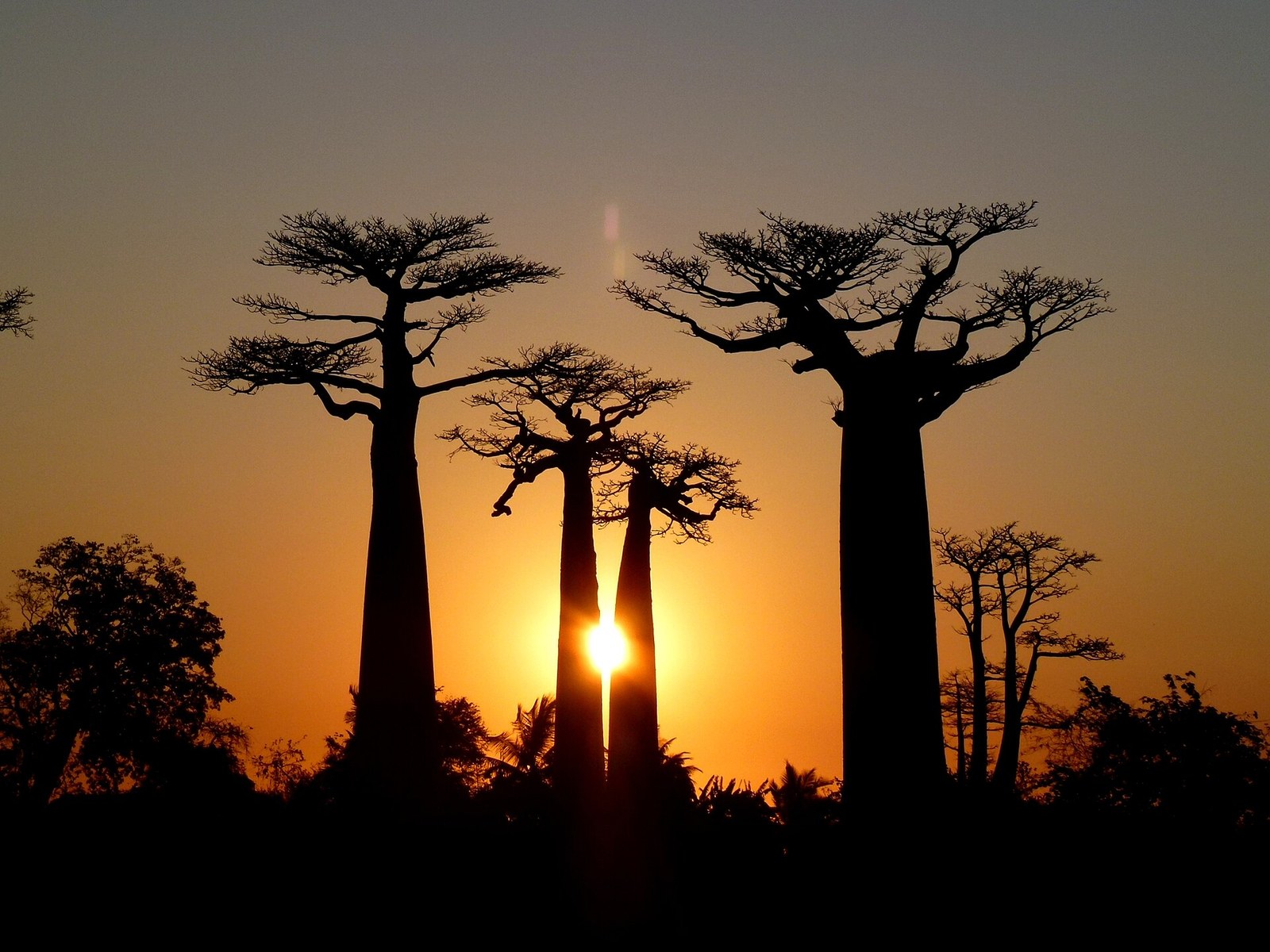
About half an hour north of town, the Avenue of the Baobabs is a short stretch of road lined with towering Grandidier's baobabs, some of them centuries old. Sunset is the classic time to visit, when the trunks turn pink and gold and the sky behind them flames. Sunrise is quieter and just as lovely. Nearby, the Baobab Amoureux are two trees twisted around each other, and a sacred baobab receives offerings from local people. Please respect any signs or requests about photography and behaviour at sacred trees.
Kirindy Forest Reserve
Kirindy, an hour or two north, is a dry deciduous forest and one of the best places in the country to see the fossa, especially in the mating season in late spring. You will also see Verreaux's sifakas, brown lemurs and, on night walks, mouse lemurs including the tiny Madame Berthe's mouse lemur, among the smallest primates in the world. Many people stay a night in Kirindy's simple lodges or nearby to make the most of night walks.
Tsingy de Bemaraha
Further north, the Tsingy de Bemaraha is one of the great sights of Madagascar: a forest of razor sharp limestone pinnacles, crossed on guided routes with ladders, cables and suspension bridges. The Petit Tsingy is accessible to most people, while the Grand Tsingy circuits are more demanding and require a head for heights. The base is the village of Bekopaka, and a canoe trip through the Manambolo Gorge is a lovely addition. The road from Morondava is long and rough, involves river ferries and is only passable in the dry season, roughly from May to November. Allow at least two nights at Bekopaka.
South of Morondava
The fishing village of Belo-sur-Mer, south along the coast, is known for its boat builders, who still make large wooden schooners by hand. Kirindy Mitea National Park nearby has baobabs, mangroves, lakes and dunes and sees very few visitors.
The Tsiribihina River
A popular adventure combines the west with a river trip: travellers start near Miandrivazo and spend several days drifting down the Tsiribihina River by pirogue or barge, camping on sandbanks, passing villages and waterfalls, and arriving near Belo-sur-Tsiribihina on the way to the Tsingy. It is a slow, memorable way to reach the west.
Where to stay
Most hotels in Morondava are on the Nosy Kely peninsula, either on the sea side for sunsets or the river side for calm. They range from simple bungalows to beach resorts with pools. At Bekopaka, lodges are more basic and book up in peak season. Browse options on our travel page.
Getting there
Morondava has a domestic airport with flights from Antananarivo, though schedules change often. By road, the RN35 from Antsirabe is paved most of the way but takes a long day. Do not drive after dark. Beyond town, a four by four with an experienced driver is essential for Kirindy and the Tsingy.
When to go
The dry season from April to November is best, and the Tsingy is usually closed from around December to April because of rain. The baobabs can be visited all year, and the green season brings leafy trees and dramatic skies. See more ideas on our places to visit list.
Questions about Morondava
How long should I spend around Morondava?
Two nights is enough for the baobabs and Kirindy. Add three or four nights if you are going on to the Tsingy de Bemaraha.
When is the Tsingy de Bemaraha open?
It is usually accessible only in the dry season, roughly May to November. Check with the park authority, Madagascar National Parks, for current dates.
Is sunrise or sunset better at the Avenue of the Baobabs?
Sunset is the classic and busiest time. Sunrise is quieter, cooler and equally beautiful, so try both if you can.
Can I see a fossa?
Kirindy is one of the best places to try, especially from October to December, but sightings are never guaranteed.
Facts checked . Fees, schedules and entry rules change, so always confirm the latest with the official source.