At a glance
- Best for
- Royal history, markets, food and getting your bearings
- Region
- Central Highlands
- Time needed
- One to two days
- Airport
- Ivato International, about half an hour to an hour north of the centre
- Getting around
- Taxis arranged by your hotel and walking in daylight
- Language
- Malagasy and French
Why Tana is worth your time
Many travellers treat Antananarivo as a place to land and leave, and it is true that traffic is heavy and the air can be smoky. But the capital is also the heart of Malagasy history and culture. The Merina kingdom ruled much of the island from these hills, and the city still feels like nowhere else in Africa: part highland village, part French colonial town, with zebu carts and rice fields only minutes from the centre. One full day, ideally with a local guide, is enough to see the highlights.
The upper town and the Rova
The Haute-Ville, or upper town, is the most atmospheric part of the city. Cobbled lanes wind past churches, old houses and the square of Andohalo, where kings were once crowned. At the top stands the Rova of Antananarivo, the royal compound, with the stone shell of the Manjakamiadana palace. A fire in 1995 destroyed much of it, and restoration has brought it back as a symbol of national pride. Nearby, Andafiavaratra Palace, the former residence of the prime minister, holds many of the royal objects saved from the fire. The views from the hill over Lake Anosy and the paddies are the best in the city.
Ambohimanga, the blue hill
About an hour north, the royal hill of Ambohimanga is a UNESCO World Heritage Site and the spiritual home of the Merina monarchy. Its wooden palace, stone gates sealed by giant rolling discs, sacred fig trees and burial sites give a powerful sense of the old kingdom. It is still a sacred place, so follow the guides' advice about where to walk and what not to do. Antsahadinta, another royal hill to the southwest, is quieter still.
Markets and crafts
Analakely, in the lower town, is the commercial centre, with stalls spilling down stairways and along the streets. It is busy and a hot spot for pickpockets, so carry very little. For souvenirs, the Marché Artisanal de la Digue on the road towards the airport is the best place in the country to compare raffia bags, wood carvings, embroidered tablecloths, semi precious stones, spices and vanilla in one place. Haggling is normal but should stay friendly.
Lakes, parks and lemurs
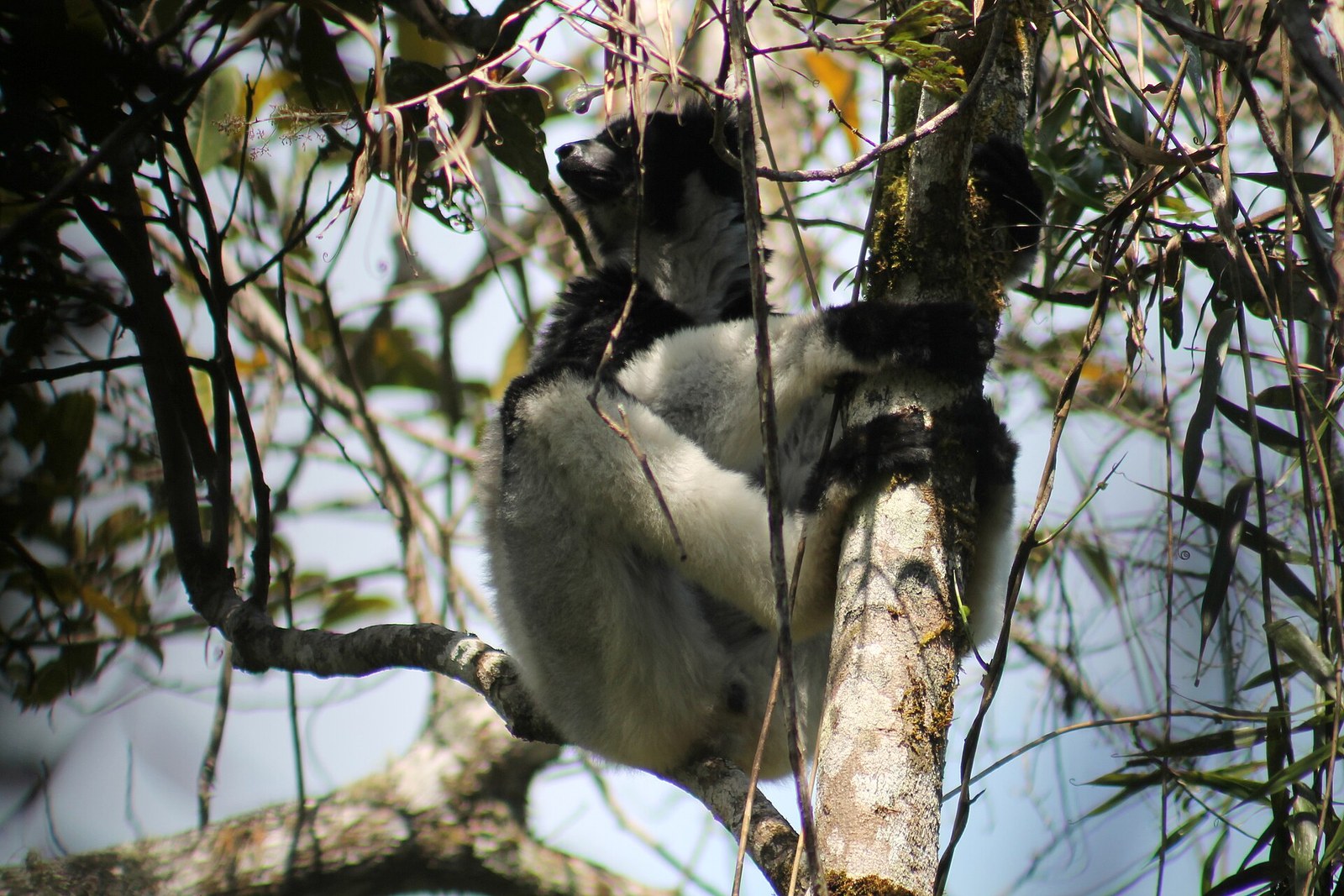
Lake Anosy, ringed with jacaranda trees that bloom purple in October, has a monument to the soldiers of the First World War. Tsimbazaza, in the south of the city, combines a botanical garden, a zoo with lemurs and a natural history museum. If you have a spare half day near the start or end of your trip, Lemurs' Park, about an hour west of the city, lets you see several lemur species roaming freely in a garden setting.
Food and evenings
Tana has the best restaurants in the country, from simple hotely canteens serving romazava, a beef and greens broth, and ravitoto, pounded cassava leaves with pork, to elegant French Malagasy dining rooms. The Antaninarenina and Isoraka neighbourhoods have many of the best known restaurants and hotels. Café culture is strong too, and the restored railway station at Soarano now houses a grand café.
Where to stay
Most first-time visitors stay in the centre, around Antaninarenina, Isoraka or the upper town, where hotels can arrange taxis and you can walk short distances in daylight. If you arrive late or leave very early, a hotel near Ivato airport saves a long drive through traffic. Browse options on our travel page.
Staying safe in the capital
Petty theft, bag snatching and phone grabbing are common, particularly around Analakely, Avenue de l'Indépendance and other crowded places. Leave valuables at your hotel, carry a copy of your passport, and use taxis arranged by your hotel or a restaurant after dark rather than walking. Demonstrations sometimes gather around central squares, so avoid crowds and follow local news.
Getting around
Traffic in Tana is famously slow, so allow plenty of time, especially for the airport. Taxis are cream coloured and have no meters; agree the fare before you get in, or ask your hotel to book one. Walking is pleasant in the upper town during the day, but the hills are steep. For ideas on what to see and eat, use our places to visit list.
Questions about Antananarivo
How many days do I need in Antananarivo?
One full day covers the upper town, the Rova and a market. Add half a day for Ambohimanga or Lemurs' Park if you have time between flights.
Is Antananarivo safe for tourists?
Most visits are trouble free, but petty theft is common. Keep valuables hidden, avoid walking after dark and use hotel arranged taxis.
How far is the airport from the city?
Ivato airport is north of the centre. The drive can take from half an hour to well over an hour depending on traffic, so leave early.
Can I see lemurs near Antananarivo?
Yes. Lemurs' Park to the west and Tsimbazaza in the city both have lemurs, but for wild lemurs in rainforest, head to Andasibe.
Facts checked . Fees, schedules and entry rules change, so always confirm the latest with the official source.