At a glance
- Best for
- Beaches, snorkelling, island hopping and relaxing
- Region
- Northwest coast
- Time needed
- Four to seven nights
- Airport
- Fascene Airport, with international and domestic flights
- Getting around
- Taxis, scooters and boats
- Main town
- Hell-Ville (Andoany)
Why Nosy Be is worth your time
Nosy Be combines beach time with real Madagascar wildlife. In a few days you can swim with turtles, see black lemurs in an island forest, climb to a sunset viewpoint over crater lakes and eat grilled fish on the sand. Tourism is more developed here than elsewhere in Madagascar, with resorts, dive centres and restaurants, but it still feels laid back, and the surrounding islands are quiet and beautiful.
Beaches
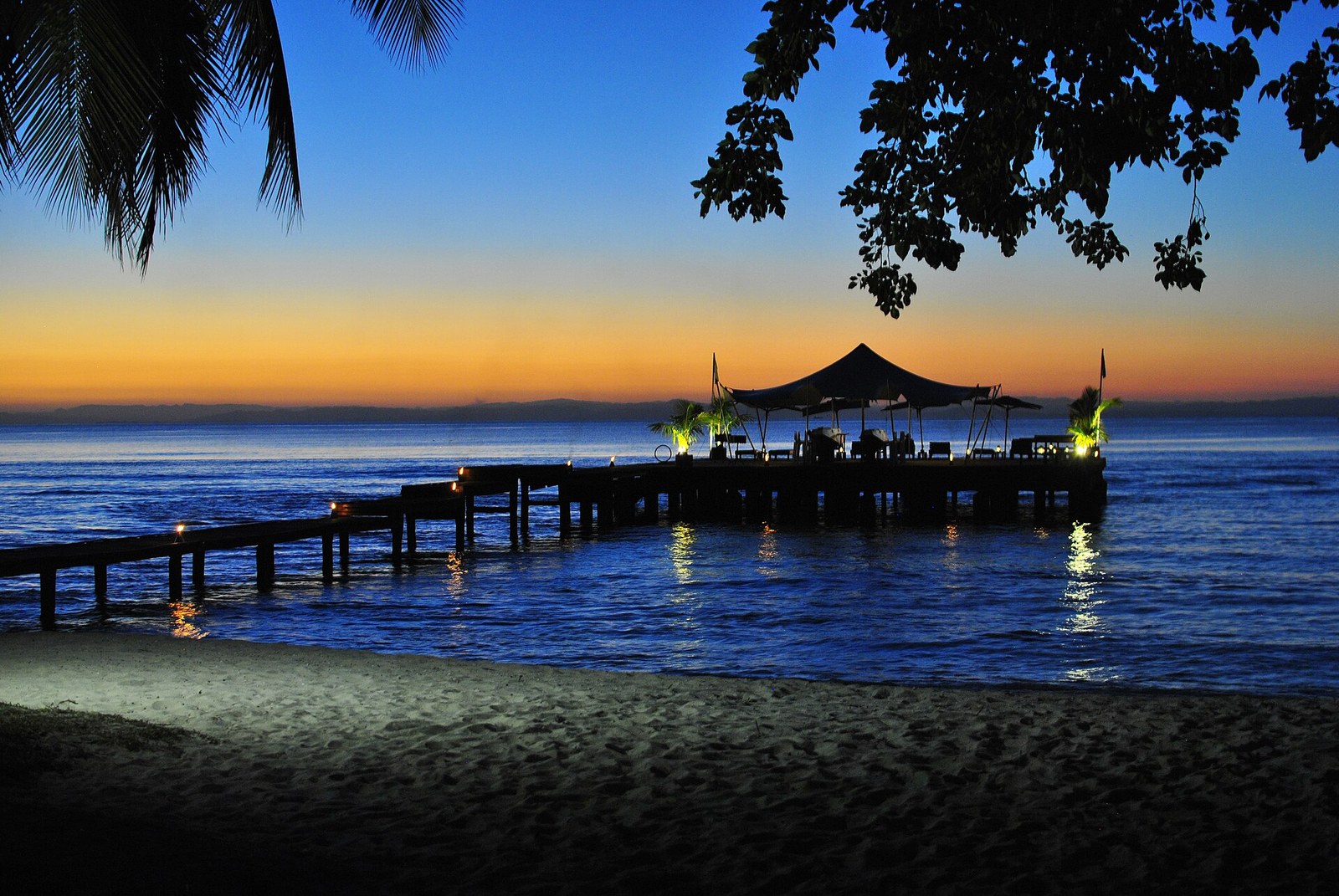
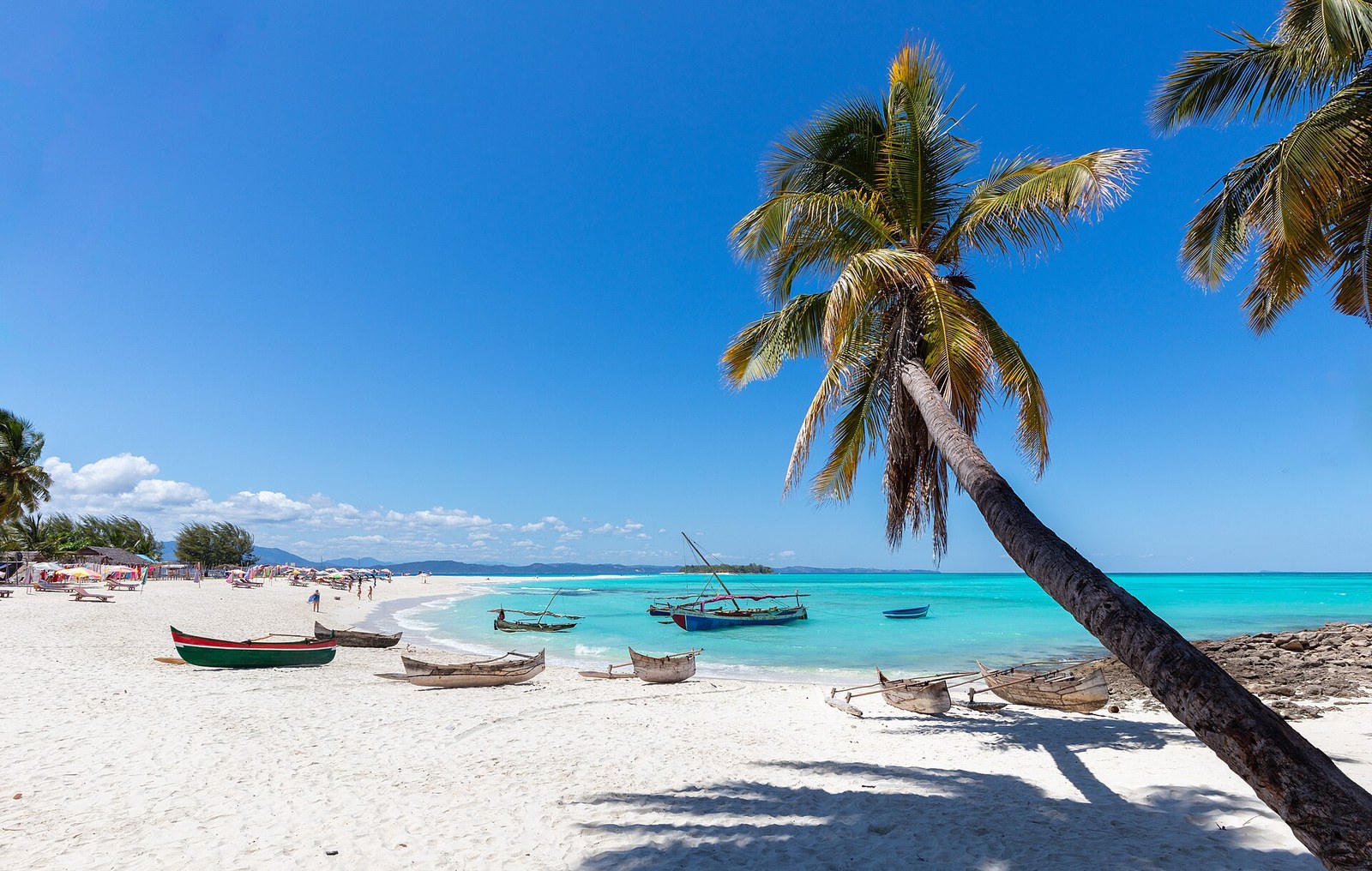
Andilana, in the north, is the best beach on the island, with calm, clear water ideal for swimming and a wonderful sunset. Ambatoloaka, on the southwest coast, is the busiest beach village, with restaurants, bars and dive shops; it is fun but can be noisy. Madirokely and Ambondrona nearby are a little calmer. Note that the tide range is large in this part of the Mozambique Channel, so some beaches change a lot through the day.
Island hopping
Boat trips are the heart of a Nosy Be stay. Nosy Komba, a short ride away, is a village island where black lemurs come close and women sell embroidered cloth. Nosy Tanikely is a protected marine reserve with excellent snorkelling: turtles, reef fish and coral just off the beach, plus a lighthouse with views. Nosy Iranja, further south, is two islands joined by a white sandbar at low tide, where turtles nest. Nosy Sakatia, off the west coast, is quiet and good for spotting turtles in the seagrass. Choose operators with good safety equipment and life jackets, and avoid overloaded boats.
Lokobe National Park
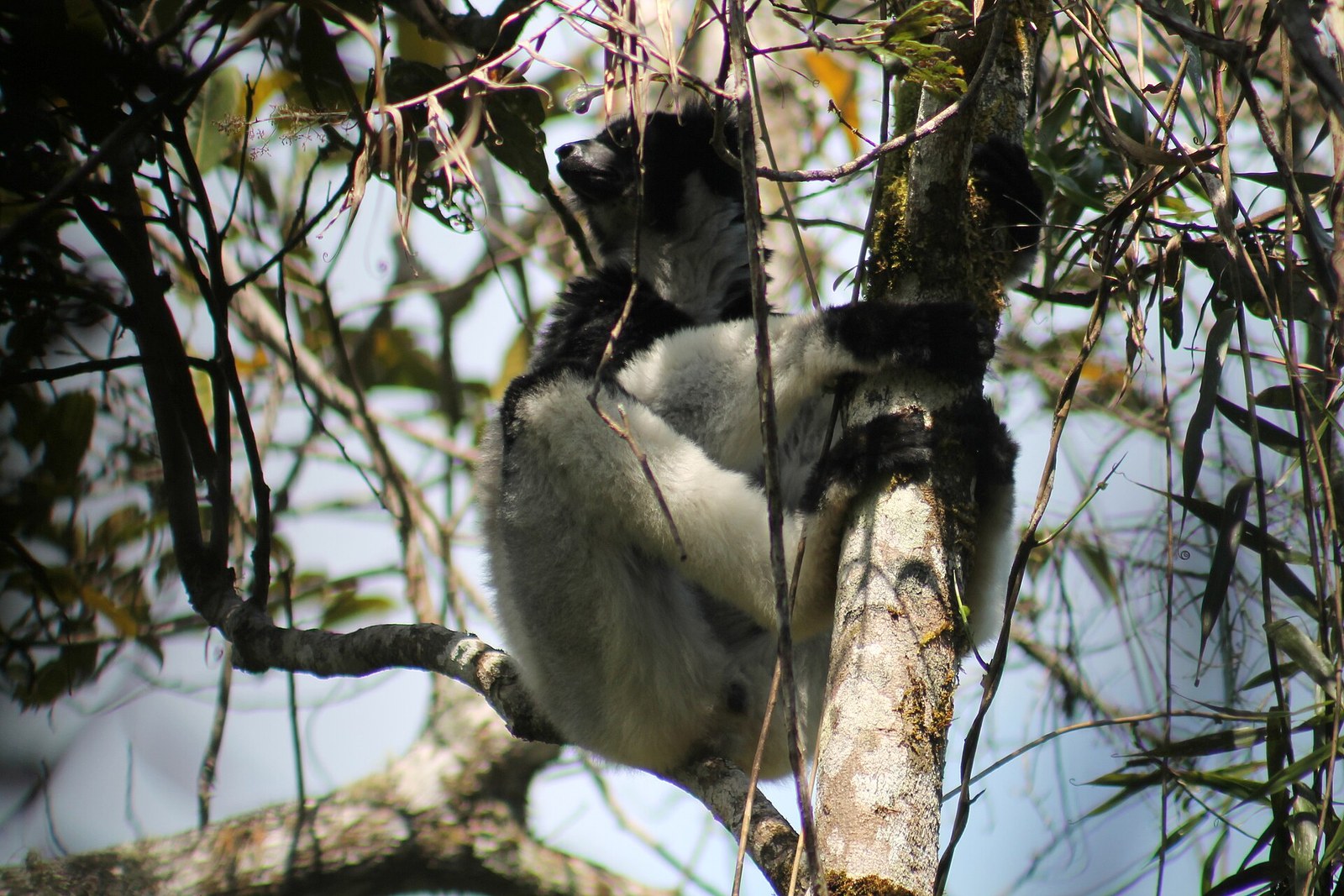
In the southeast of the island, Lokobe protects the last area of original forest on Nosy Be. Most visits combine a pirogue trip to a fishing village with a guided walk to see black lemurs, boas, tiny chameleons and leaf tailed geckos. It is a gentle, rewarding half day or full day.
Mont Passot and the crater lakes
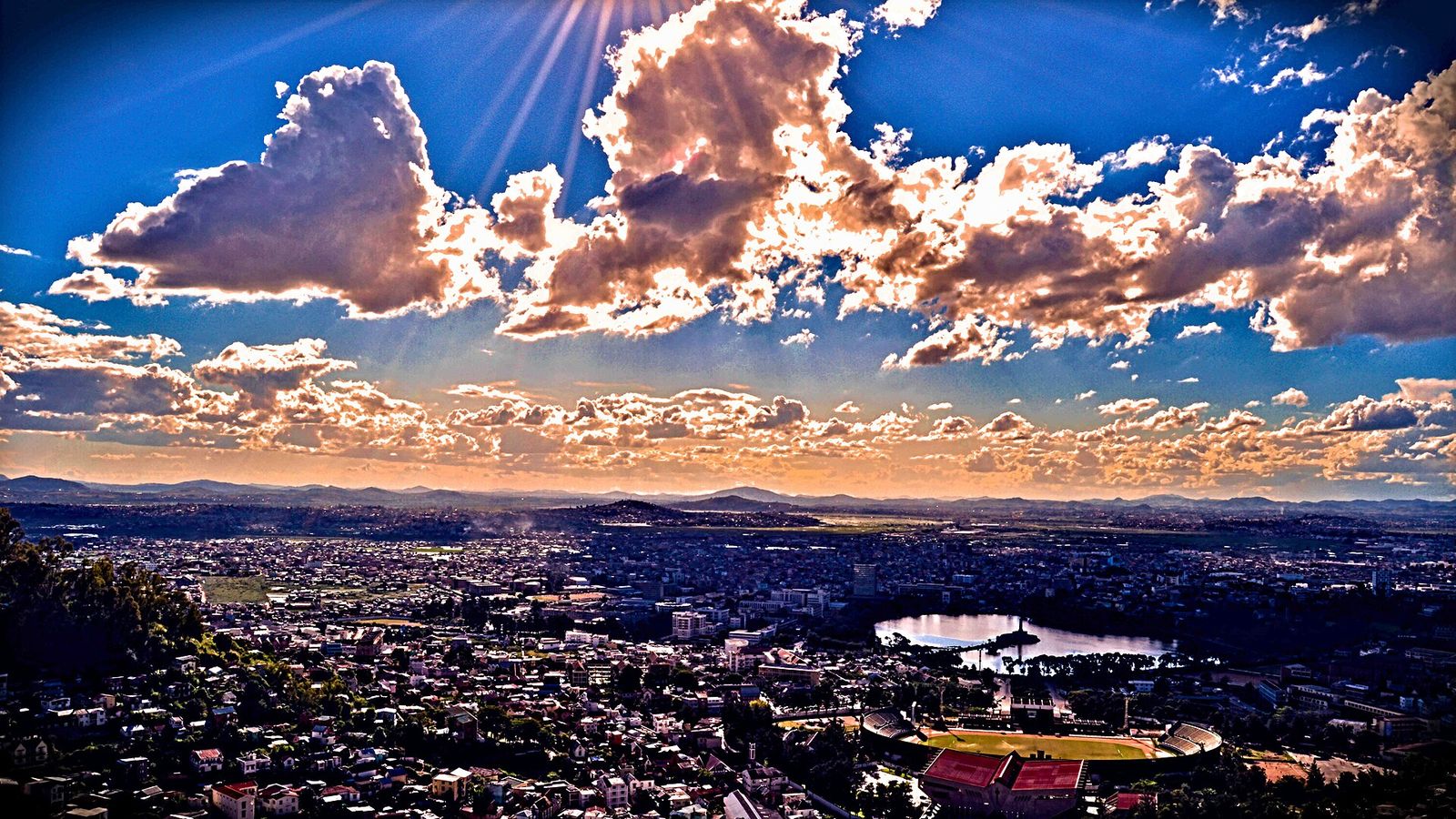
Mont Passot is the highest point of the island, and sunset here, looking over volcanic crater lakes and out to the islands, is a classic. The roads are bumpy but most taxis can reach the top.
Whale sharks and whales
Nosy Be has become well known for whale sharks, which gather offshore from roughly September to December. Humpback whales pass through earlier in the dry season, and dolphins and turtles are seen year round. Choose operators who follow responsible viewing guidelines, keeping distance and limiting the number of swimmers.
Culture and town life
Hell-Ville, officially Andoany, is the main town, with a colourful market selling vanilla, pepper and spices, faded colonial buildings and the port for boats to the mainland. The Mahatsinjo sacred tree, a vast banyan, is a royal Sakalava site; visitors usually wear a lamba wrap and remove shoes. Around Pentecost, the Donia festival brings musicians from across the Indian Ocean.
Where to stay
Nosy Be has the widest choice of beach hotels in Madagascar, from simple bungalows to all inclusive resorts and private island lodges on nearby islets. Stay in the north near Andilana for calm swimming, or around Ambatoloaka for restaurants and nightlife. Browse options on our travel page.
Getting there and around
Fascene Airport has domestic flights from Antananarivo and international flights from some regional hubs. Boats and ferries also link Hell-Ville to Ankify on the mainland. On the island, taxis are easy to find; agree the fare first. Many visitors rent scooters, but roads are potholed and accidents are common, so only ride if you are experienced and insured.
When to go
April to November is the dry season, with sunshine and calmer seas, and September to December is best for whale sharks. January to March brings heavy rain and the risk of cyclones. See more ideas on our places to visit list.
Questions about Nosy Be
How many days do I need in Nosy Be?
Four nights covers the island, Lokobe and two boat trips. A week lets you relax and add Nosy Iranja or a whale shark trip.
Can I fly directly to Nosy Be?
Yes. Fascene Airport has domestic flights from Antananarivo and some international routes. Check current schedules, as they change often.
Is Nosy Be good for families?
Yes. Calm beaches like Andilana, lemurs on Nosy Komba and snorkelling at Nosy Tanikely are great for children.
When can I see whale sharks?
Usually from about September to December, depending on the year. Choose an operator that follows responsible viewing rules.
Facts checked . Fees, schedules and entry rules change, so always confirm the latest with the official source.