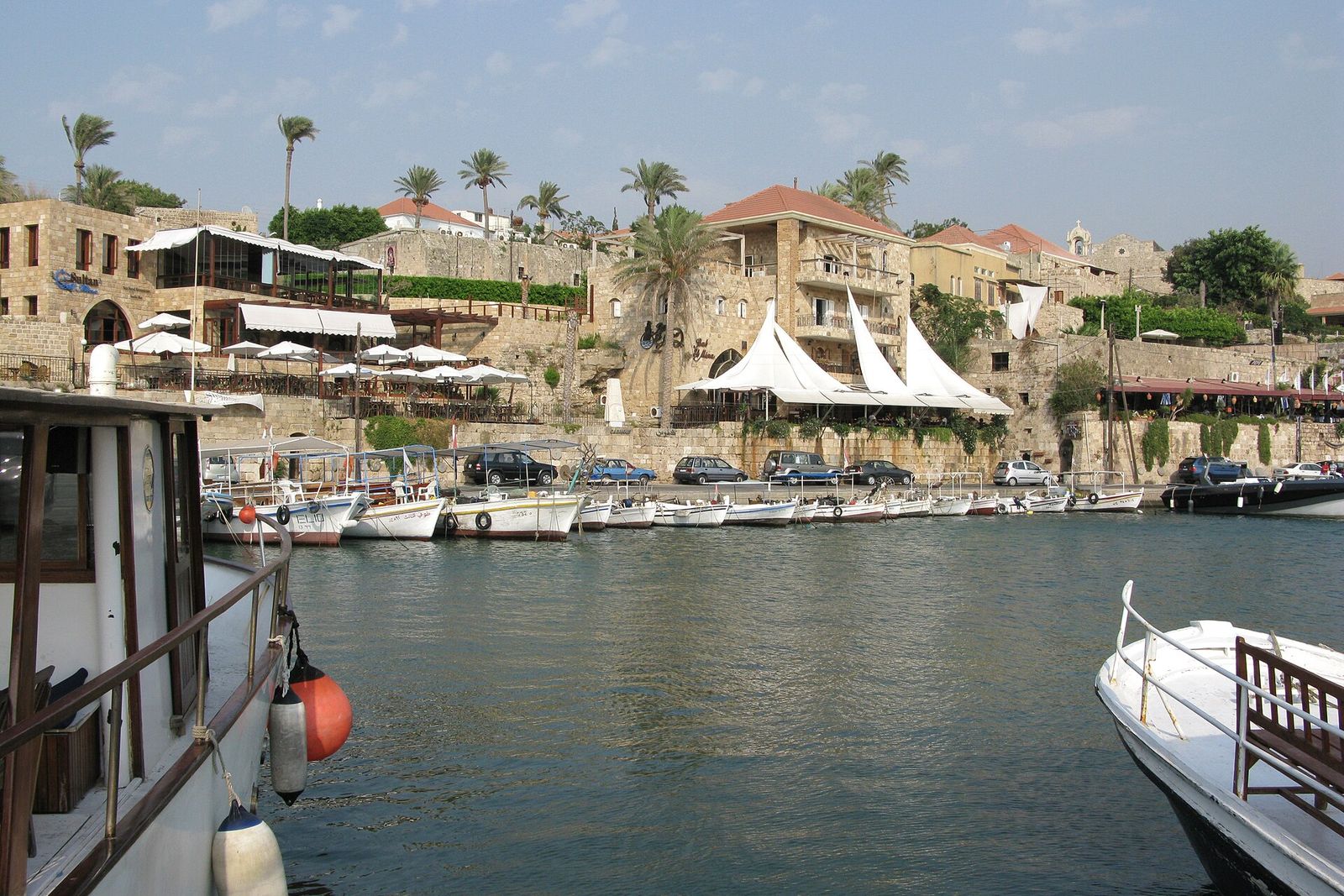
Byblos harbour, LebanonPhoto: Vyacheslav Argenberg, CC BY 4.0, via Wikimedia Commons
Find your Bliss in Lebanon
Lebanon, made simple: Mediterranean towns, cedar mountains and the best food in the region
Lebanon packs a remarkable amount into a small country: a sociable, resilient capital, one of the oldest continuously inhabited towns on earth, Roman ruins, monasteries cut into cliffs, ancient cedar forests and a table of mezze that people cross oceans for. It also comes with real questions about safety advice, cash, power cuts and entry rules. This guide answers them plainly so you can travel with confidence.
Your trip, step by step
- Before you flyEntry rules, current safety advice, seasons and cash, answered
- LandingBeirut airport, SIM cards, dollars and your first night in the city, explained
- Your days in LebanonCoast, mountains, food and history, planned at a realistic pace
- Home againDeparture tips so the last day is as calm as the first
Where to go, eat and stay
- Plain answersClear, honest guidance on the questions first-timers and returning families actually ask.
- Official sourcesEntry, health and safety facts point you to the official pages to confirm before you go.
- No price surprisesWe explain cash, dollars, cards, taxis and tipping so costs never catch you off guard.
- Free to useEvery guide and the trip planner are free.
Our promise
Lebanon should feel like a warm welcome, not a worry. We answer the questions about safety advice, entry, money, power and transport before they start, so you arrive informed and ready to find your Bliss.
Coming home from Sydney, Montreal, Paris, Detroit or São Paulo to see family in the village, or tasting real Lebanese food at the source for the first time? This guide was written with you in mind.
How to use this guide
Four steps from first idea to a trip that feels easy.
- Check the adviceRead your government's current travel advice for Lebanon first, because it changes and some regions are off limits.
- Choose your LebanonCity nights, coastal towns, mountain hikes or history: start with the destinations that fit you.
- Pick your placesUse our places to visit list for restaurants, bars, souks, museums and stays.
- Plan your routeUse the free trip planner to link Beirut, the coast and the mountains at a realistic pace.
Everything your Lebanon trip needs
Free tools and guides for every stage of the journey.
Destinations
Beirut, Byblos, Batroun, the Qadisha Valley and the Chouf, each explained in depth.
Explore destinationsPlaces to visit
More than a hundred restaurants, bars, souks, museums, hikes and stays, from classics to hidden corners.
See places to visitFlights and stays
Search flights into Beirut and stays along the coast and in the mountains.
Plan travelPlaces finder
Restaurants, sights and stays mapped around each base.
Find placesFree trip planner
Tell us your dates and interests and build a route that fits.
Plan your trip
The classic Lebanon trip
Beirut, the northern coast and the cedar mountains
Most first trips base in Beirut for three or four nights, eating and walking through Gemmayzeh, Mar Mikhael, Hamra and the Corniche, with day trips to the Jeita Grotto and Harissa. Then head north along the coast to the ancient harbour of Byblos and the relaxed seaside town of Batroun, before climbing into the Qadisha Valley and the Cedars of God above Bsharri. Finish with a night or two in the Chouf mountains at Deir el Qamar and Beiteddine. A week covers the essentials; ten days lets you slow down.
- Sunset on the Corniche and dinner in Mar Mikhael
- The crusader castle and old harbour of Byblos
- Cliff monasteries in the Qadisha Valley
- The palace of Beiteddine and the Chouf cedar forest
Start with the destinations
See how the capital, the coast and the mountains fit together.
Lebanon destinationsPlan with confidence
Your route, without the worry
Lebanon rewards a little preparation: your government's current advice checked, entry rules confirmed for your passport, plenty of US dollars in small notes, and a plan that keeps to the regions open to visitors. Our free planner helps you shape it.
- Which regions current advice covers
- Cash, dollars and the two currency system
- Where to base yourself outside Beirut
Where to go in Lebanon
From the restaurants and nightlife of Beirut to the ancient harbour of Byblos, the beaches of Batroun, the holy Qadisha Valley and the villages and forests of the Chouf.
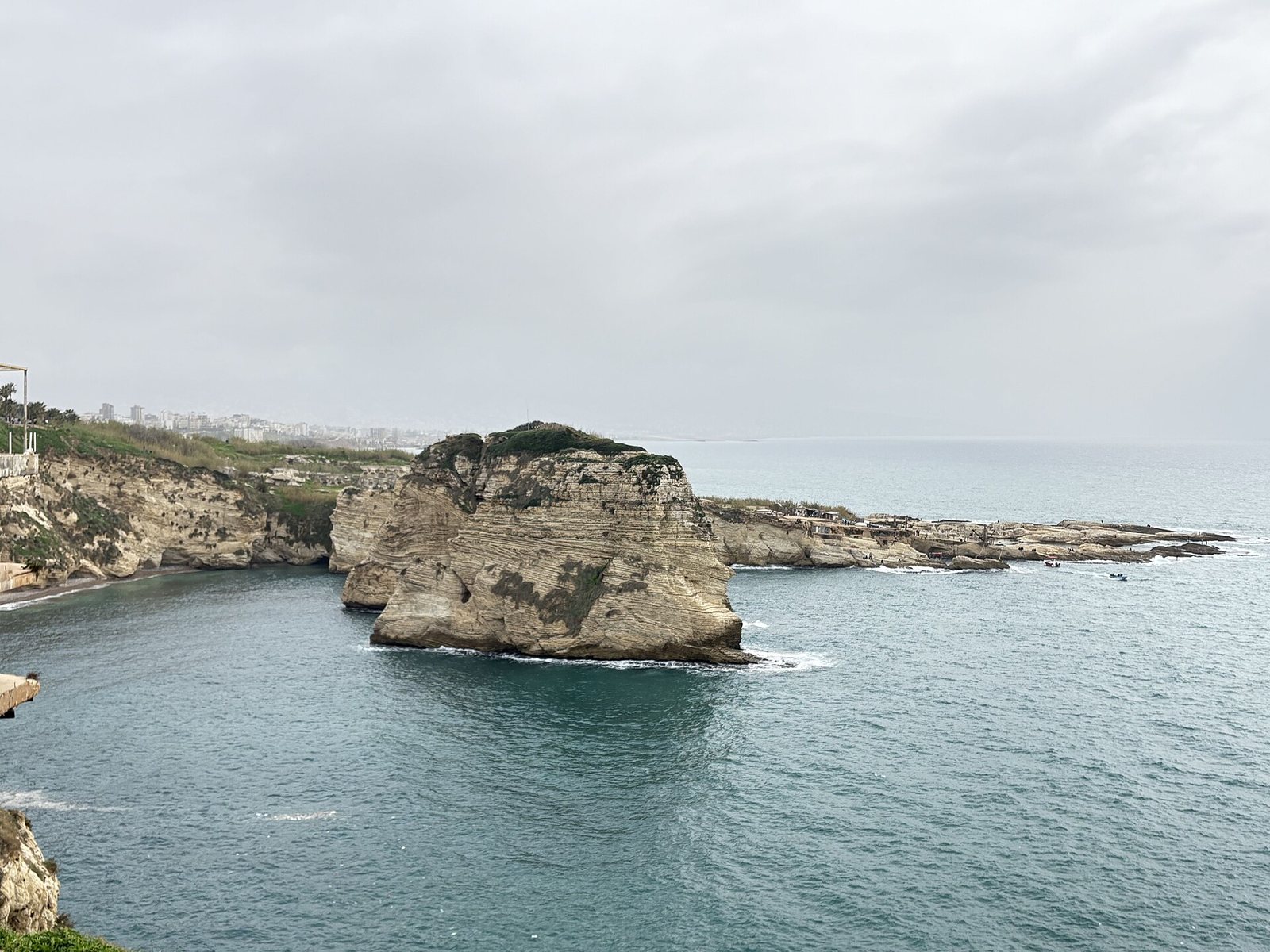
Beirut
Beirut
A seafront capital of restored old houses, superb food, lively bars and a story of resilience on every street.
Read the guidePhoto: باسم, Public domain, via Wikimedia Commons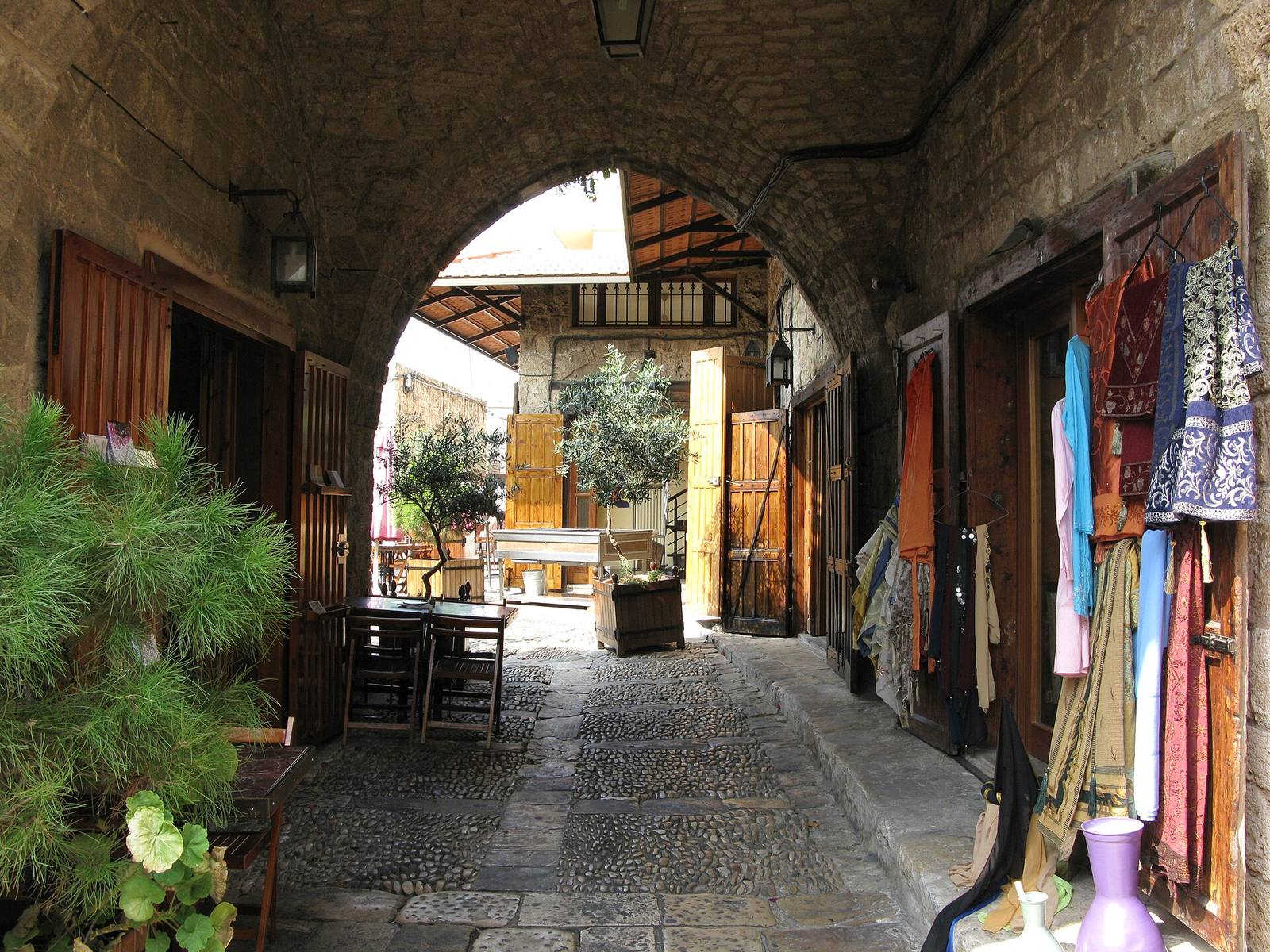
Mount Lebanon (Keserwan Jbeil)
Byblos
One of the oldest continuously inhabited towns in the world, with a crusader castle, an old souk and a tiny fishing harbour.
Read the guidePhoto: Vyacheslav Argenberg, CC BY 4.0, via Wikimedia Commons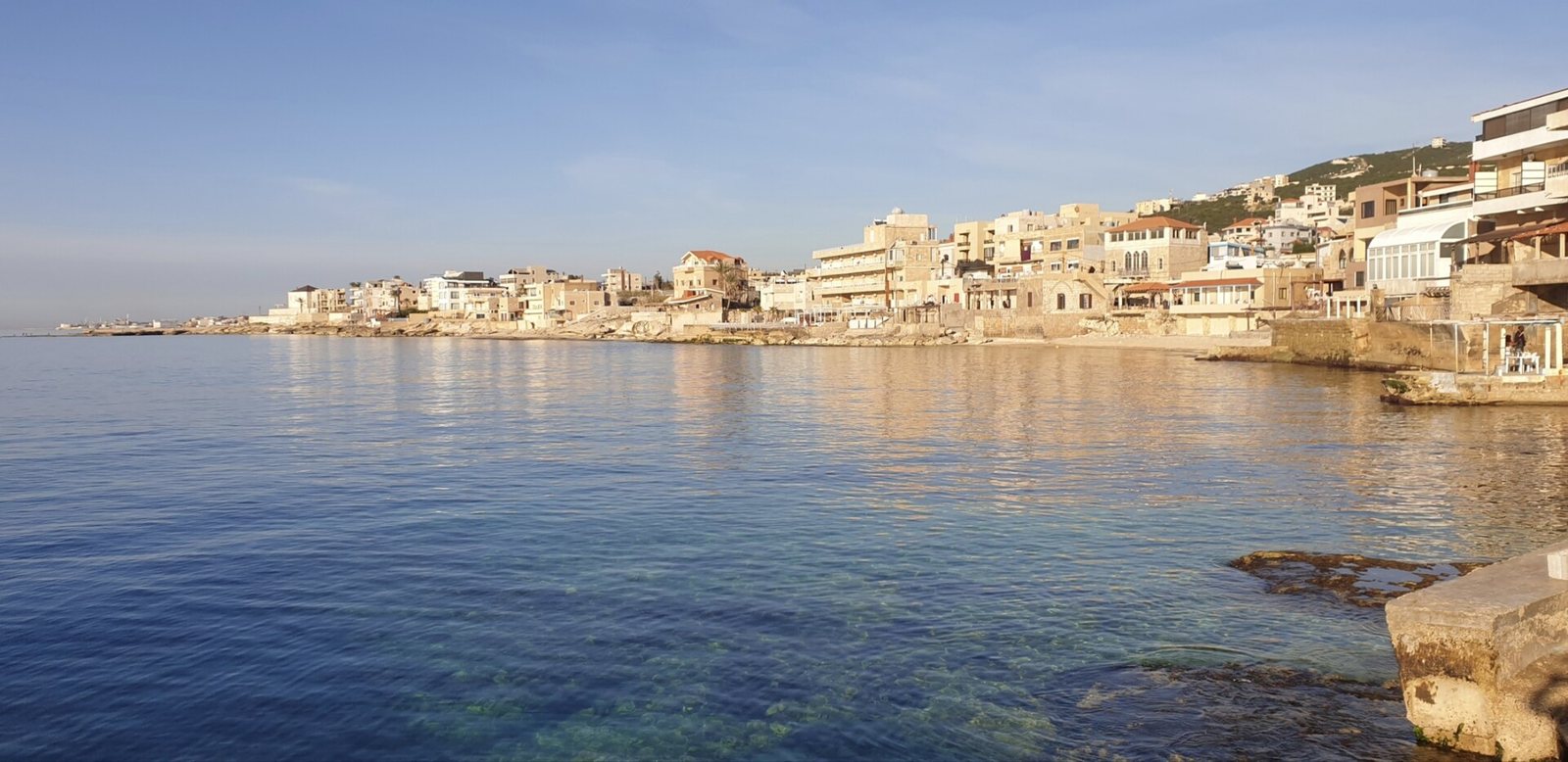
North Lebanon
Batroun
A relaxed old seaside town of Phoenician walls, lemonade, seafood, beach bars and nearby wineries.
Read the guidePhoto: Histoliban, CC BY-SA 4.0, via Wikimedia Commons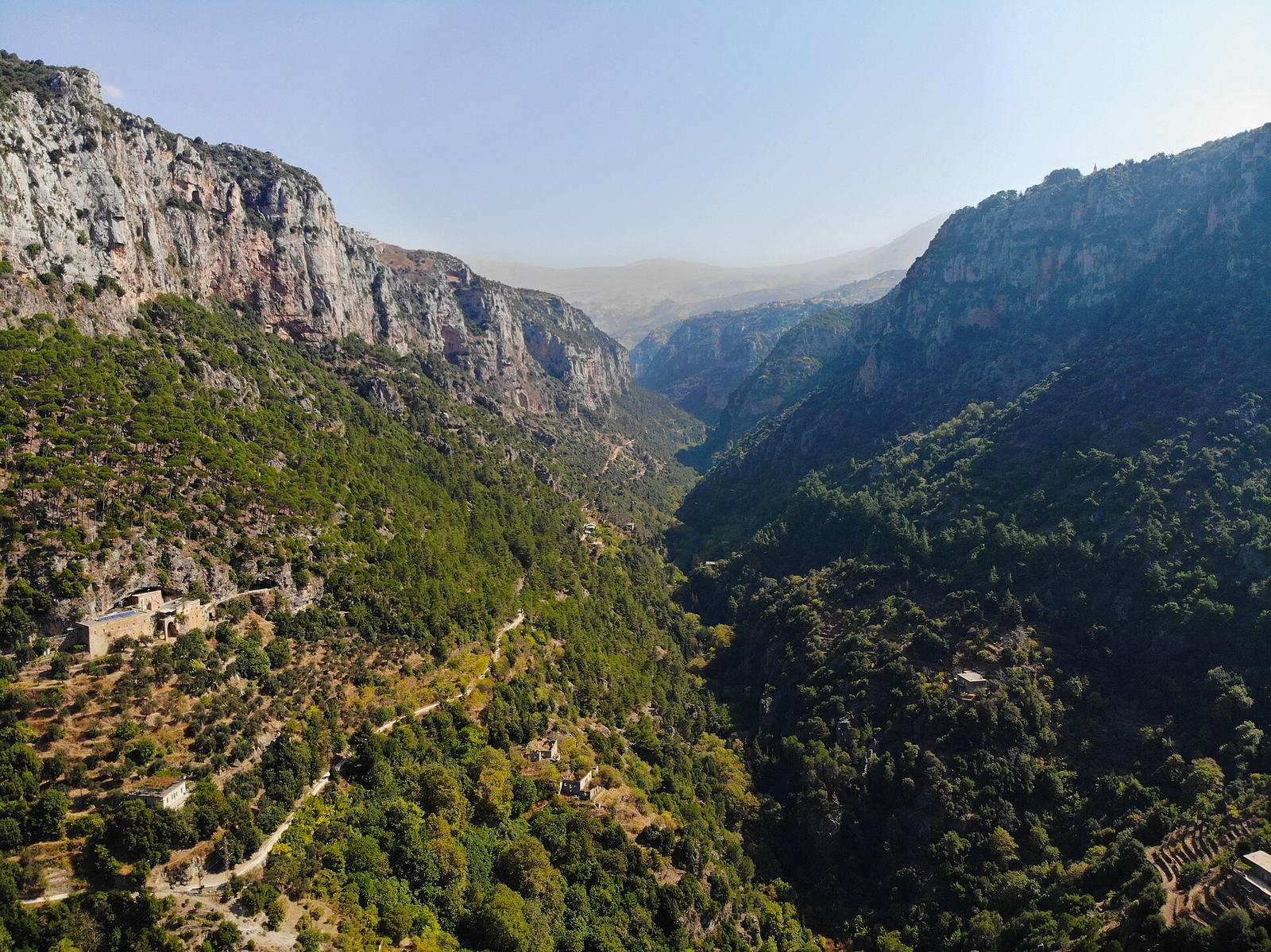
North Lebanon
Qadisha Valley
A deep, green gorge of cliff monasteries and hermit caves, with the Cedars of God and the town of Bsharri above it.
Read the guidePhoto: Evan Williams, CC BY-SA 4.0, via Wikimedia Commons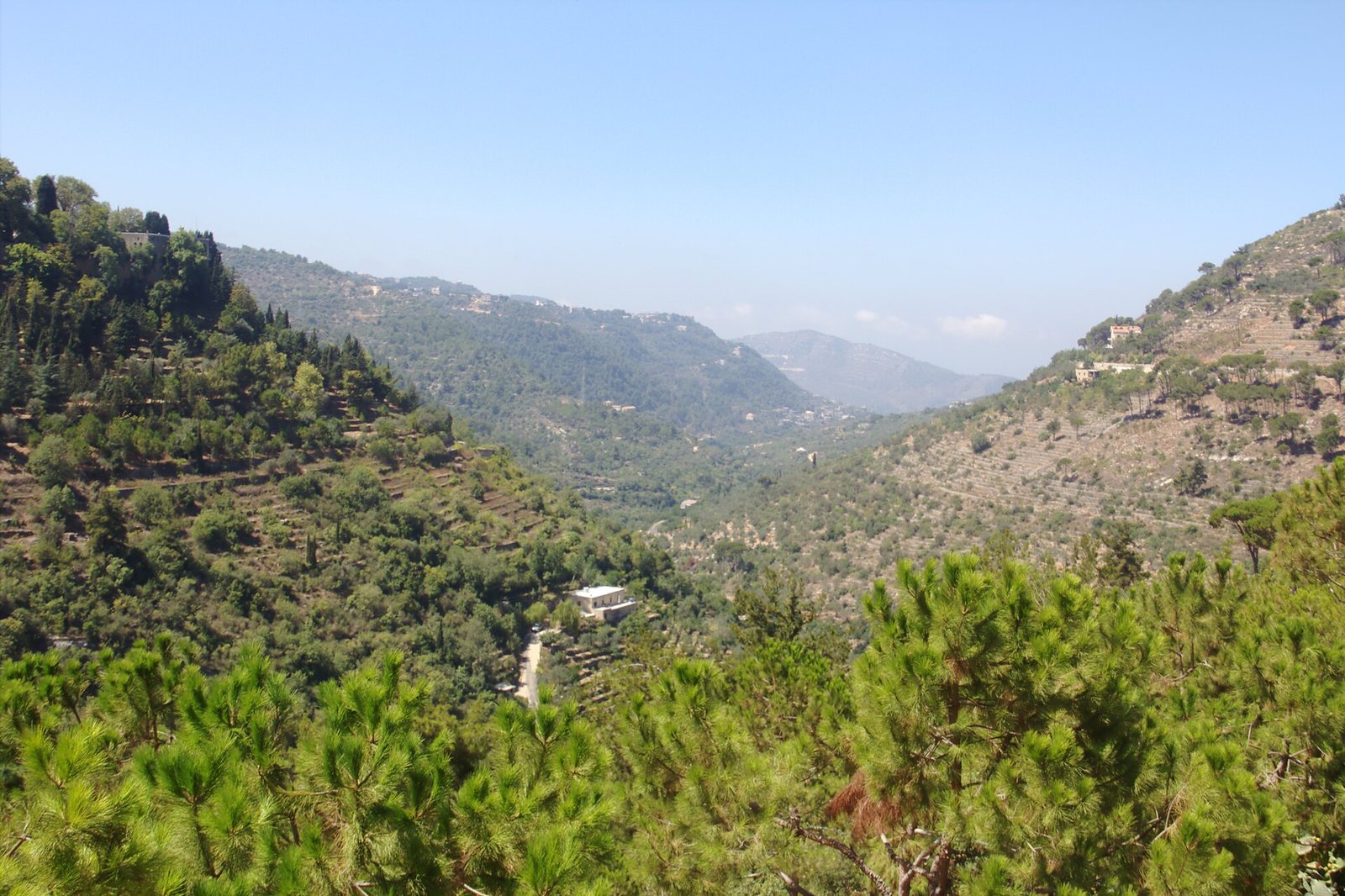
Mount Lebanon (Chouf)
Chouf Mountains
Stone villages, a nineteenth century palace and the largest cedar forests in Lebanon, an hour from Beirut.
Read the guidePhoto: Elgaard, CC BY-SA 3.0, via Wikimedia Commons
A note from our founder
A note from our founder
My first time visiting Kenya, I was genuinely surprised with how fast it began feeling like home. The people are so friendly, the food is delicious and familiar, and the accommodations are modern and upscale.
During my travels throughout the continent, I commonly hear tourists share stories about being scammed or taken advantage of, which is both frustrating and disheartening.
Living in Kenya for the last 2 years, I have had the great fortune to meet a network of wonderful Kenyans who have continuously help guide my family's journey. Their shared knowledge has not only greatly enhanced our overall experience here, but it has also saved us tons of time, energy, and resources.
With BlissPoint Travel, my hope is to build a global community that is willing to share useful, uncommon knowledge so that we can all blissfully enjoy the wonders our world has to offer.
Questions we hear most
Is Lebanon safe to visit?
Beirut and much of the coast and mountains north of the capital have welcomed visitors for years, but the situation can change quickly. Several governments advise against travel to the south and to parts of the Bekaa Valley and border areas. Read your own government's current advice before you book and again before you travel.
Do I need a visa for Lebanon?
It depends on your passport. Many nationalities have received a visa on arrival at Beirut airport, while others must apply in advance. Check the Lebanese General Directorate of General Security website and your nearest Lebanese embassy before you book.
What currency should I bring to Lebanon?
Bring US dollars in clean, small notes. Prices are widely quoted in dollars, cards are not accepted everywhere and the Lebanese lira is used for small purchases, often given as change.
How many days do I need in Lebanon?
Five days covers Beirut, Byblos and one mountain trip. A week to ten days lets you add Batroun, the Qadisha Valley and the Chouf without rushing.
What language is spoken in Lebanon?
Arabic is the official language, and French and English are widely spoken, especially in Beirut, hotels and restaurants. Many people switch between all three in one sentence.
When is the best time to visit Lebanon?
April to June and September to October bring warm days, cool mountain evenings and fewer crowds. Summer is hot and busy on the coast, and winter brings snow and skiing to the mountains.
Ready to find your Bliss in Lebanon?
Use the free trip planner to shape your days, or send us a question through the contact page.