At a glance
- Best for
- Hiking, monasteries, mountain villages and the cedars
- Distance from Beirut
- About two to three hours by road
- Time needed
- One or two nights
- Best season
- May to October for hiking, January to March for snow
- Base
- Bsharri, Hadchit or Ehden
- UNESCO
- Qadisha Valley and the Forest of the Cedars of God
Why go
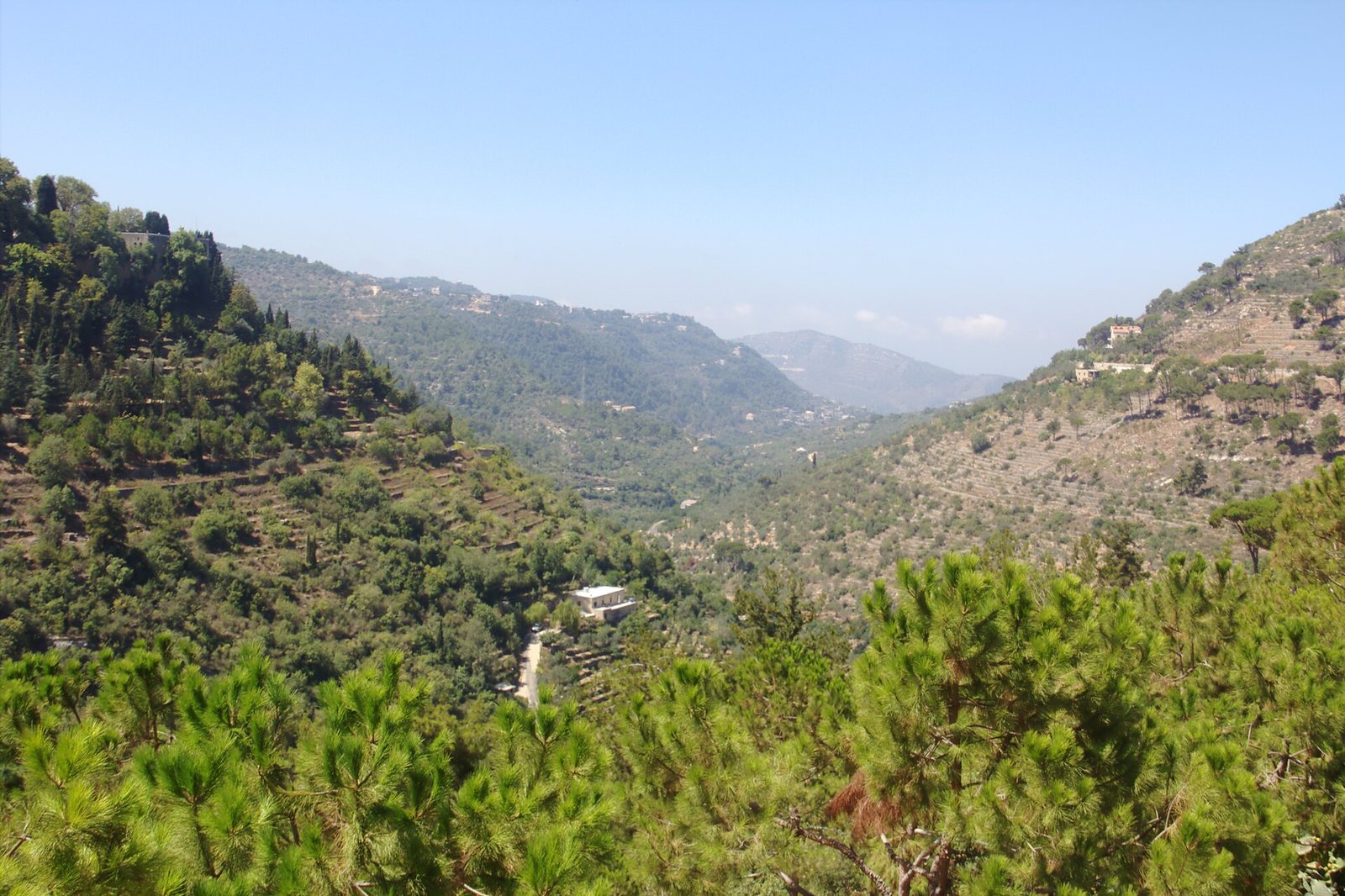
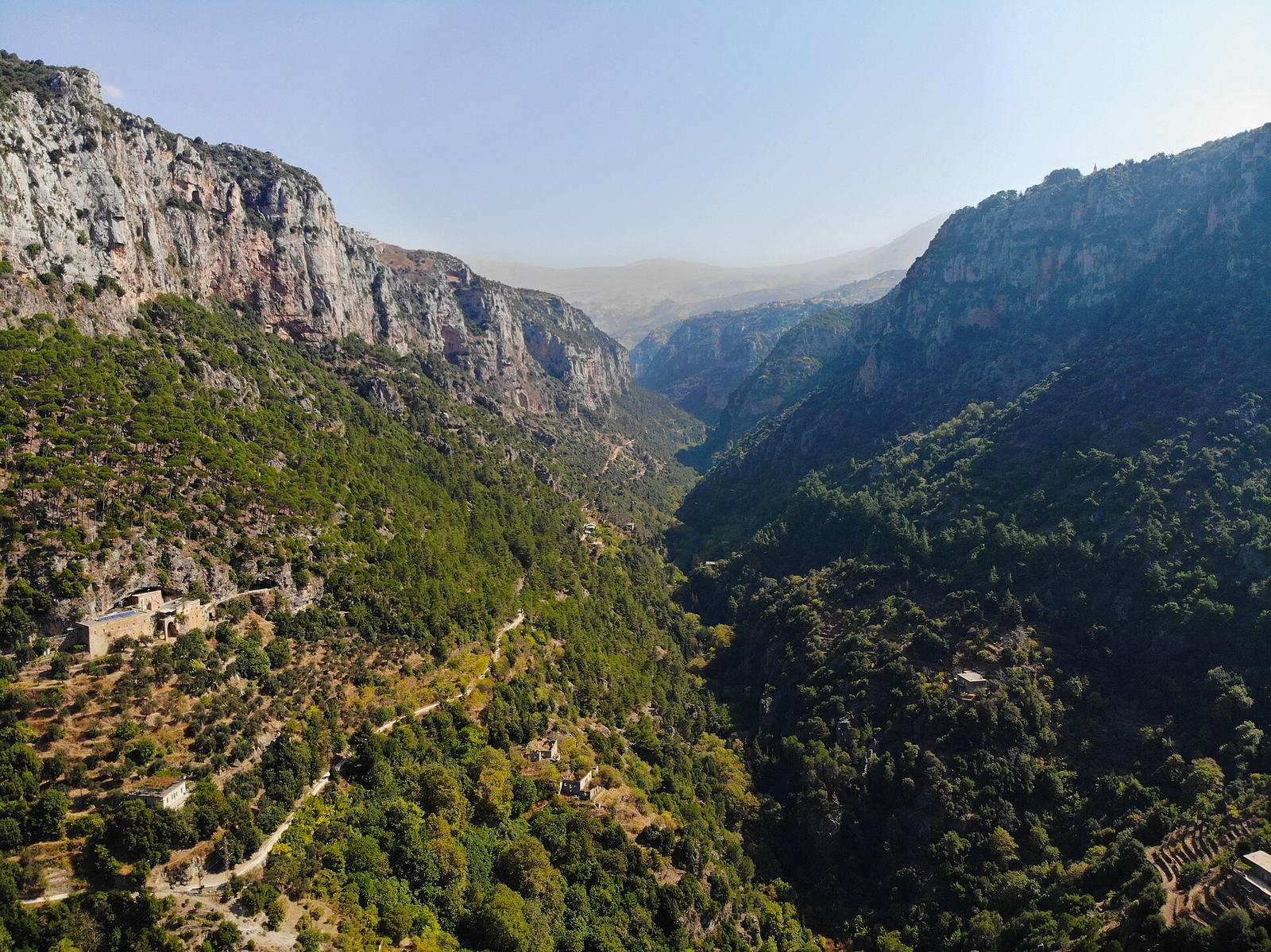
This is Lebanon at its most dramatic and peaceful. Sheer limestone walls drop to a river lined with poplars and orchards, chapels cling to rock faces, and red roofed villages sit along the rim. The air is cool even in summer, and the walking is some of the best in the eastern Mediterranean. It is also the heart of Maronite faith and identity, which makes it especially meaningful for many diaspora families.
Top things to do
Walk down into the valley to **Deir Qannoubine**, the old seat of the Maronite patriarchs, built into the cliff with faded frescoes inside. Continue along the valley floor to **Deir Mar Elisha**, a monastery under an overhang near Bsharri, and the hermitages scattered along the trail. The paths are rough and steep in places, so wear proper shoes and carry water.
Visit the **Monastery of Saint Anthony of Qozhaya**, at the valley's western end, with its cave chapel and one of the oldest printing presses in the Middle East. In **Bsharri**, the **Gibran Museum** is set in a former monastery where the poet Khalil Gibran, author of The Prophet, is buried. His manuscripts and paintings are displayed in cool stone rooms above the valley.
Drive up to the **Cedars of God**, a protected grove of cedars, some well over a thousand years old, on a high slope beneath the bare peaks. A walking path loops through the trees. Next to the grove, the **Cedars ski area** is one of the country's main ski resorts in winter.
The **Lebanon Mountain Trail** passes through the area, and local guides lead day hikes between villages such as Hadchit, Hasroun and Bqaa Kafra, the highest village in Lebanon and the birthplace of Saint Charbel.
Food
Mountain food is hearty: grilled meats, raw kibbeh, kishk made from fermented wheat and yoghurt, local cheese, honey and fruit from the valley orchards. Restaurants along the valley rim have terraces with wide views.
Where to stay
Bsharri and the Cedars area have small hotels and guesthouses, and Ehden, a summer town to the north, has more choice. In winter some places close and roads can be icy, so check before you travel.
Getting there
The road climbs from the coast near Batroun or Chekka through Amioun and Hadath el Jebbeh, or from Tripoli via Ehden. Driving is slow and winding. Most visitors come on an organised tour or with a driver arranged through their hotel; minibuses from Tripoli run to Bsharri.
Practical notes
Carry cash, as cards are less common in the mountains. Dress modestly to visit monasteries. Mobile signal fades in the valley floor, so tell your guesthouse your route before a long hike.
When to go
Late spring and early autumn are ideal: green slopes, flowing streams, mild days and fewer crowds than in high summer. Winter brings snow to the Cedars and skiing, but some valley paths become muddy and slippery.
What to pack
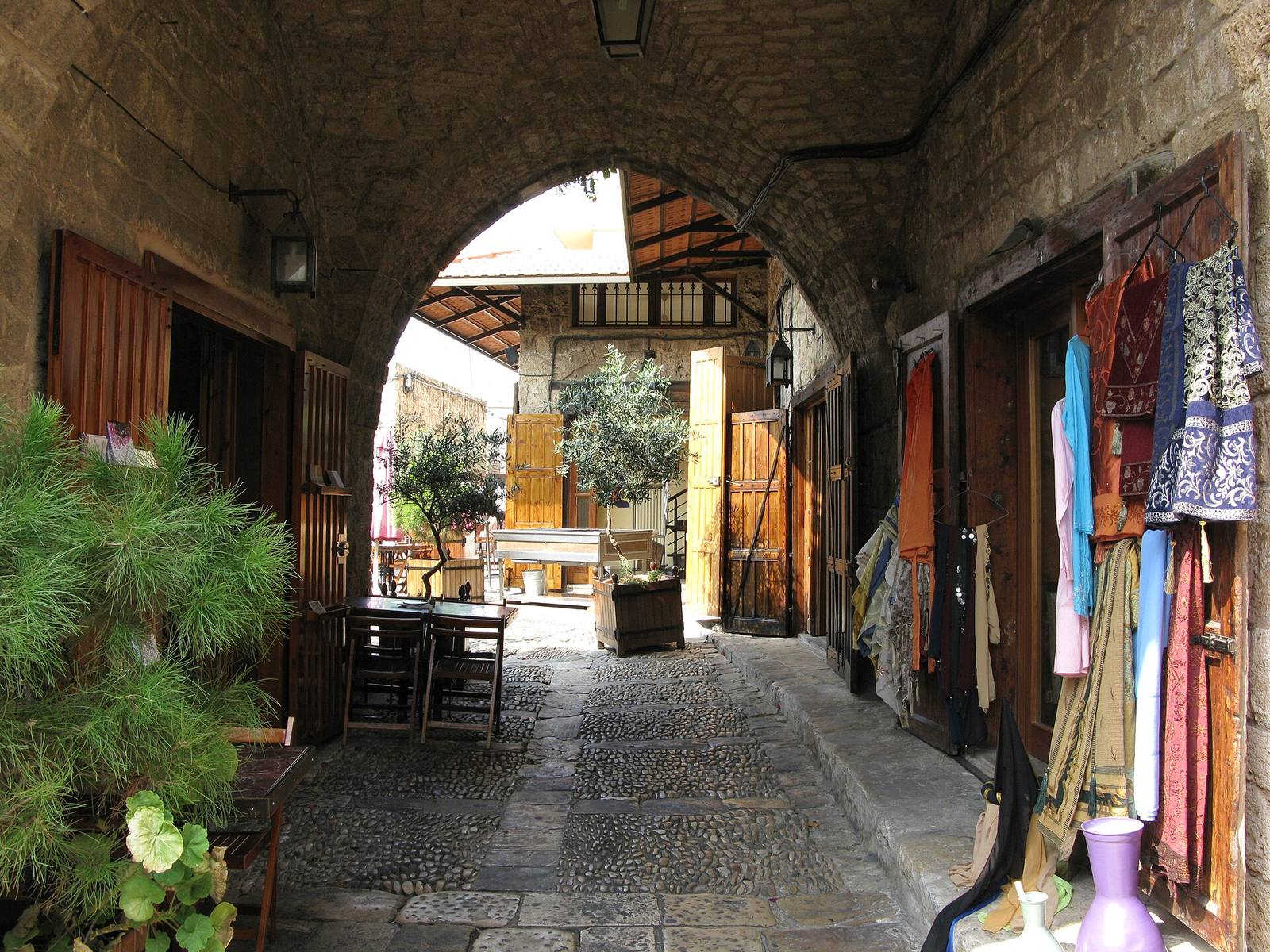
Pack modest clothes for churches and monasteries, sun protection and water. Bring a light jacket for evenings, comfortable shoes for stone lanes and cash for small purchases, and allow extra time for winding roads and weekend traffic.
Questions about the Qadisha Valley
Can I visit the Qadisha Valley as a day trip from Beirut?
It is possible on a long organised tour, but the drive is slow. One or two nights in Bsharri or Ehden is much more relaxed and leaves time to hike.
Is hiking in the Qadisha Valley difficult?
The valley floor paths are moderate, but the descents from the rim are steep. Wear good shoes, carry water and consider a local guide.
When can I see snow at the Cedars?
Snow usually covers the Cedars area from around December to March, when the ski area opens. Check road conditions before driving up.
Who was Khalil Gibran?
A Lebanese American poet and artist born in Bsharri, best known for The Prophet. The Gibran Museum in Bsharri holds his tomb, paintings and belongings.
Facts checked . Fees, schedules and entry rules change, so always confirm the latest with the official source.