At a glance
- Best for
- Food, nightlife, museums and city walks
- Airport
- Beirut Rafic Hariri International Airport (BEY), about twenty minutes from the centre
- Time needed
- Three to four days including day trips
- Best season
- April to June and September to November
- Getting around
- Walking, taxi apps and shared service taxis
- Good base for
- Byblos, Jeita Grotto, Harissa and the Chouf
Why go
Beirut is a city you feel as much as see. Mornings are for coffee and manakish, afternoons for walking between museums and old neighbourhoods, and evenings for long dinners that turn into late nights. People are famously warm and quick to help, and most speak English or French as well as Arabic. It is not a polished city: traffic is heavy, pavements are uneven and power cuts still happen, but its energy is hard to match.
Top things to do
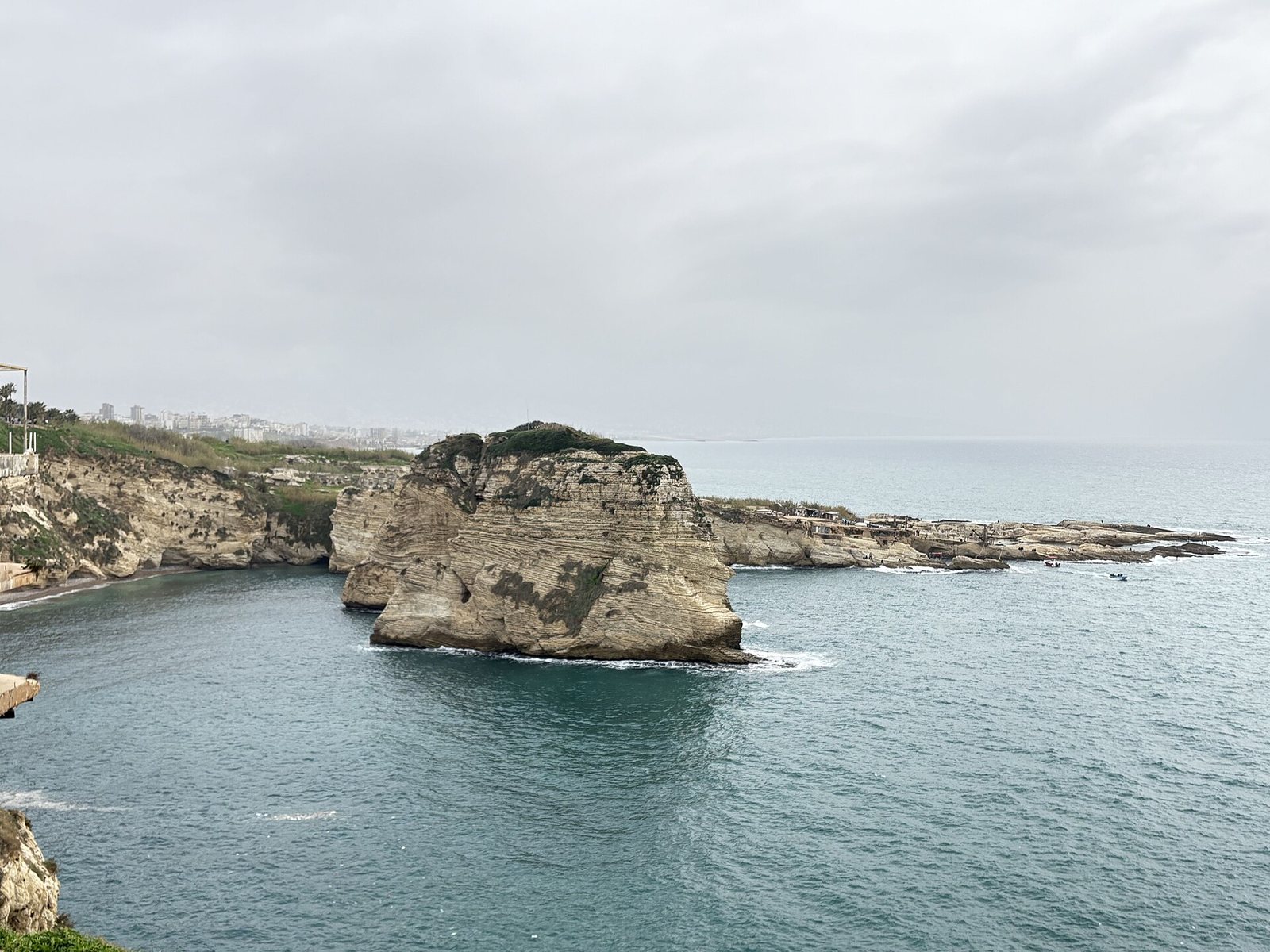
Start with the **Corniche**, the seafront promenade that runs from Ain el Mreisseh to Raouche, where families stroll, fishermen cast lines and joggers pass at sunset. At the western end, the **Pigeon Rocks** of Raouche rise from the sea; take a small boat around them in calm weather.
The **National Museum of Beirut** is a must: Phoenician sarcophagi, Roman mosaics and a powerful film on how the collection was protected during the civil war. Nearby, the **Sursock Museum** shows modern Lebanese art in a restored white mansion in Achrafieh. In the centre, see the **Mohammad Al Amin Mosque** and the neighbouring **Saint George Maronite Cathedral**, the Roman baths and the restored streets around Nejmeh Square.
Then walk the old neighbourhoods. **Gemmayzeh** and **Mar Mikhael** have the Saint Nicholas Stairs, galleries, design shops, bakeries and the best bar street in the country. **Hamra**, near the American University of Beirut, is bookish and busy, with old cafés and the green AUB campus by the sea. The **Beit Beirut** museum, a bullet scarred building on the old Green Line, tells the story of the civil war.
Food
Beirut is a food city first. Eat manakish for breakfast at a neighbourhood bakery, falafel and shawarma at long running street counters, and settle into a proper mezze lunch of hummus, moutabal, tabbouleh, fattoush, kibbeh and grilled meats. Souk el Tayeb, the farmers market, brings producers from across the country, and the Gemmayzeh and Mar Mikhael restaurants mix home cooking with modern ideas. Finish with knafeh or ice cream in the evening.
Where to stay
For first trips, stay in **Achrafieh**, **Gemmayzeh** or **Mar Mikhael** to walk to restaurants and bars, or in **Hamra** for a livelier, lower cost base with plenty of cafés. **Downtown** and **Ain el Mreisseh** have larger hotels near the sea. Ask any hotel about generator power and water before you book, since supply can be patchy.
Getting around
The centre is walkable in parts, but distances and traffic make taxi apps the easiest option. Service taxis, shared cars that pick up along set routes, are cheap and local, but agree the destination first. There is no metro.
Safety
Beirut's main visitor neighbourhoods have long been open to travellers, but some governments advise caution in or against travel to the southern suburbs and areas near Palestinian refugee camps. Avoid demonstrations, carry your passport, and check your government's current advice before and during your trip.
Day trips from Beirut
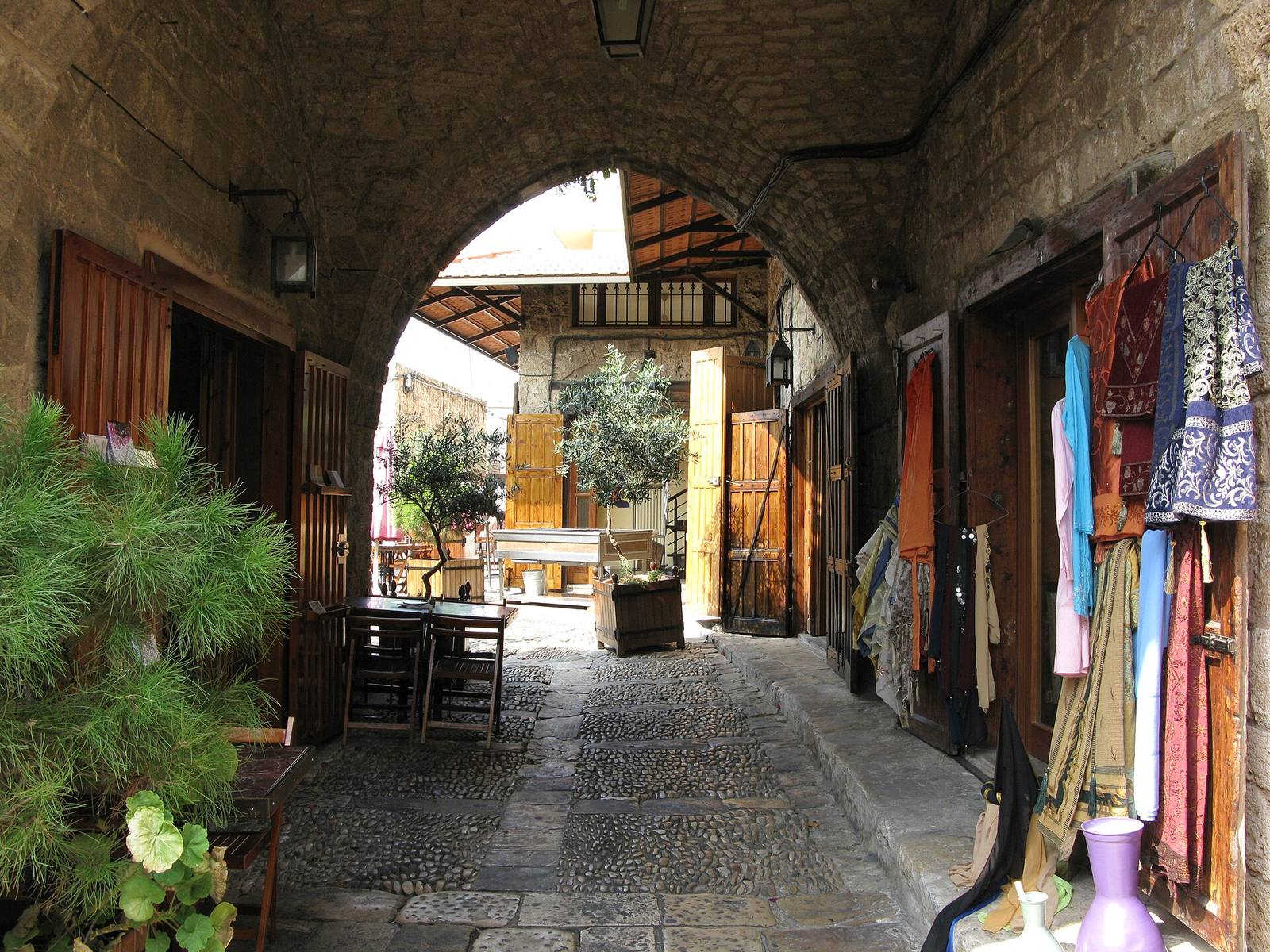
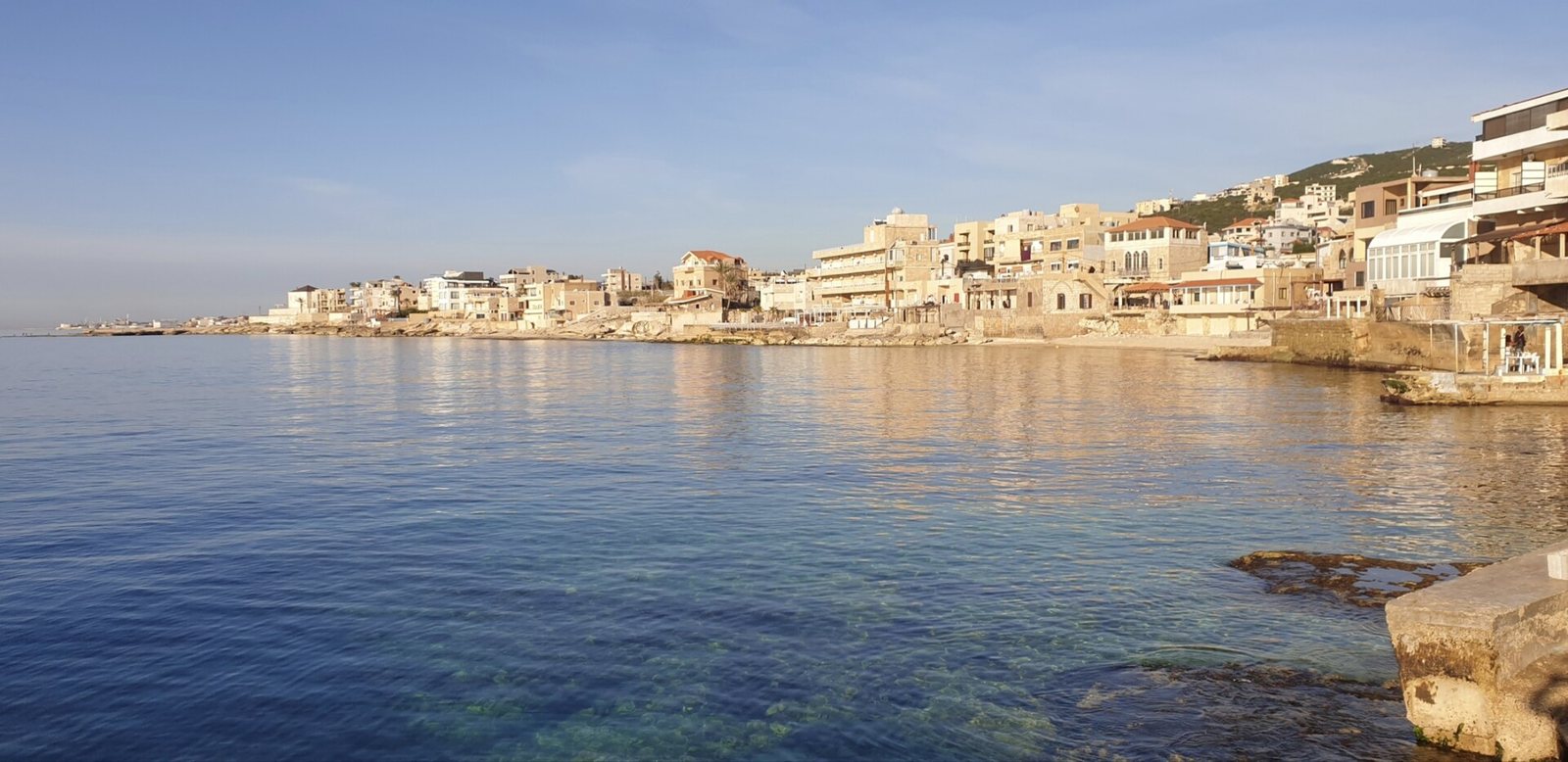
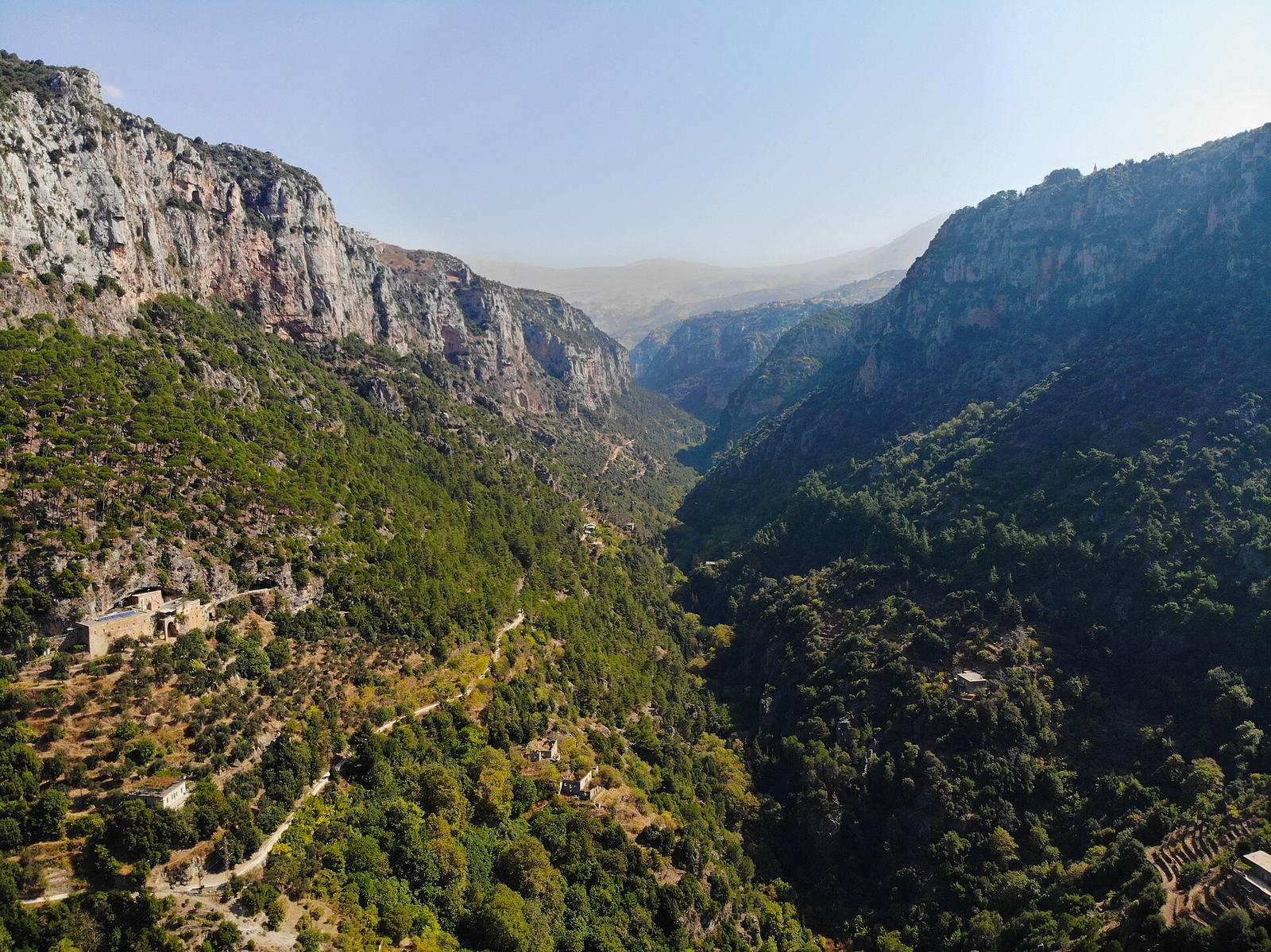
The classic day trips are the Jeita Grotto and the cable car up to Harissa, both north of the city, and Byblos, about an hour up the coast. In summer, the hill towns of Broummana and Beit Mery offer cool evenings and views, and the Chouf mountains make a full day out.
Questions about Beirut
How many days do I need in Beirut?
Two full days covers the main sights and neighbourhoods. Add a day or two for day trips to Byblos, Jeita Grotto and Harissa.
Which area of Beirut is best to stay in?
Gemmayzeh, Mar Mikhael and Achrafieh are best for walking to restaurants and bars. Hamra is good for a lively, lower cost base near the sea and the AUB campus.
Is Beirut walkable?
Neighbourhoods like Gemmayzeh, Hamra and the Corniche are pleasant on foot, but the city is hilly and spread out, so most visitors use taxi apps between areas.
Is Beirut good for nightlife?
Yes. Mar Mikhael and Gemmayzeh are packed with bars, and Beirut's rooftop and club scene is famous across the region, especially in summer.
Facts checked . Fees, schedules and entry rules change, so always confirm the latest with the official source.