At a glance
- Best for
- Palaces, stone villages, cedar forests and quiet stays
- Distance from Beirut
- About one to one and a half hours by road
- Time needed
- A full day, or two nights
- Best season
- April to June and September to November
- Base
- Deir el Qamar, Beiteddine or Barouk
- Nature
- Shouf Biosphere Reserve
Why go
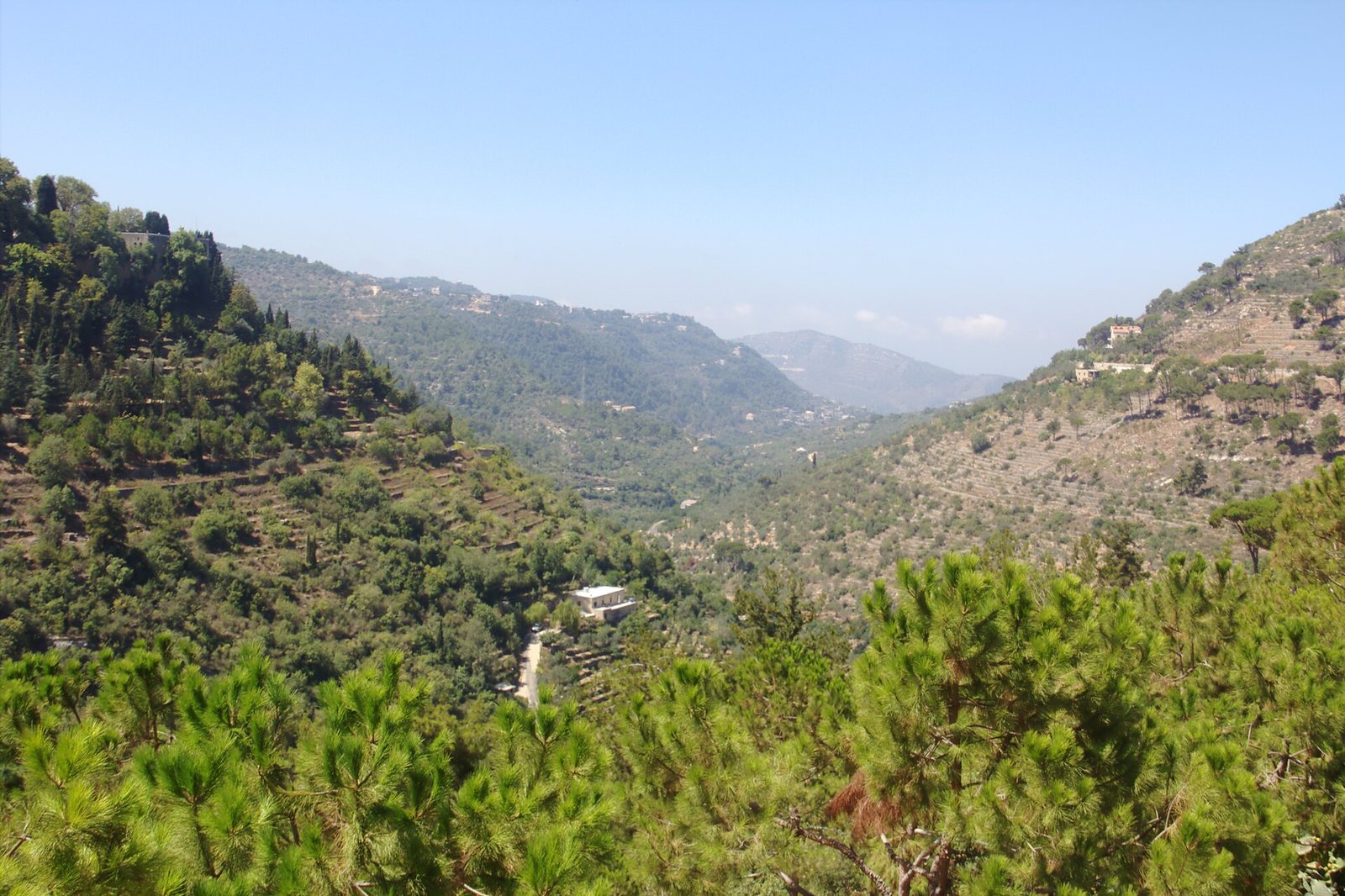
The Chouf shows a quieter, more rural Lebanon. The roads wind through pine forests and terraced valleys, the villages are built of honey coloured stone, and the cedar reserve is the largest protected area in the country. It is also central to Lebanese history: the emirs who ruled Mount Lebanon in the eighteenth and nineteenth centuries built their palaces here.
Top things to do
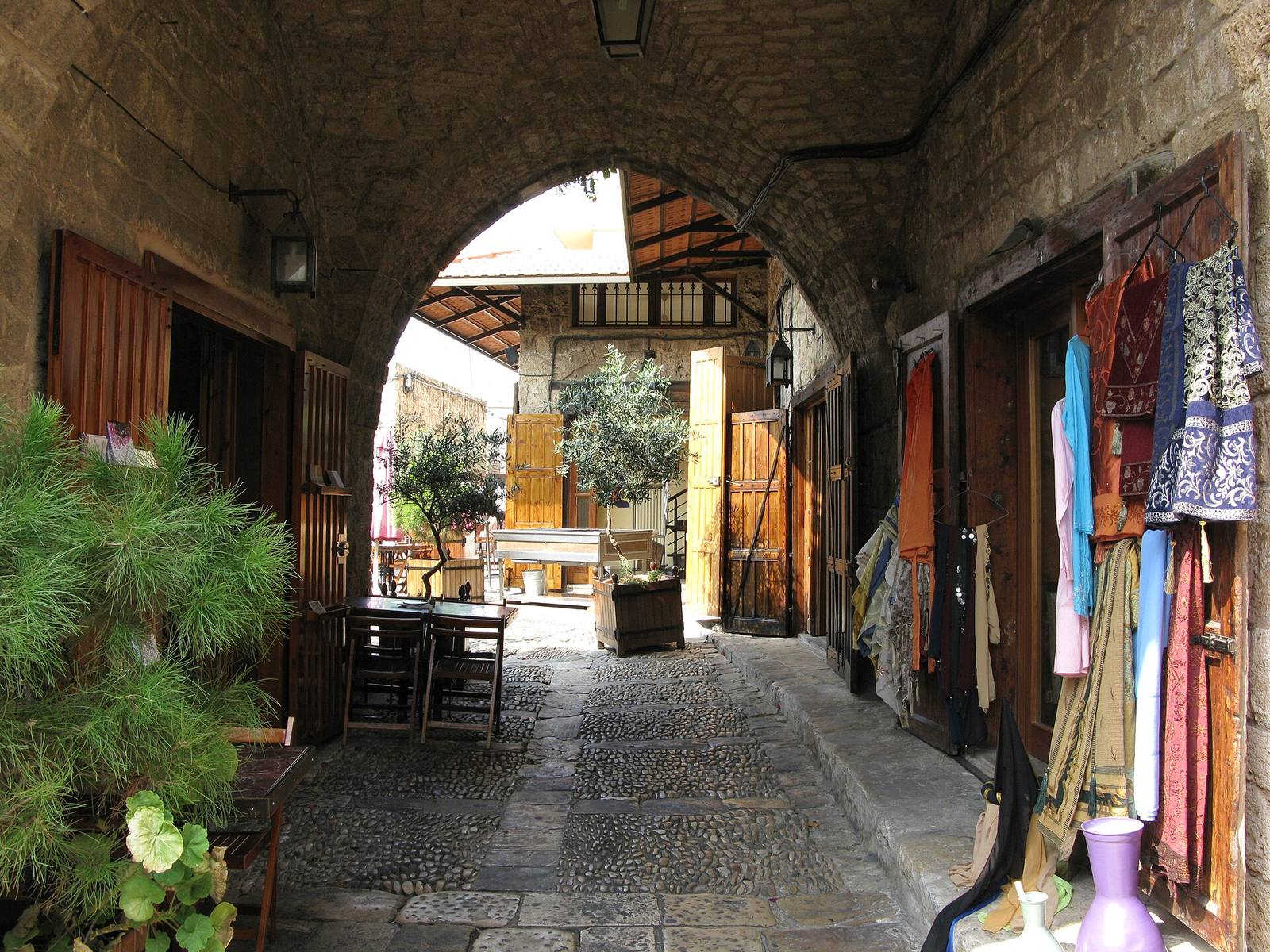
**Deir el Qamar** was once the capital of the emirs of Mount Lebanon and is one of the best preserved old towns in the country. Its main square has a fountain, an old mosque, a seventeenth century palace and the Saydet el Talle church, with stone lanes climbing the hillside around it. The **Marie Baz wax museum** in the old Fakhreddine palace is a quirky stop for families.
Across the valley, **Beiteddine Palace** was built by Emir Bashir Shihab II in the early nineteenth century. Its courtyards, fountains, painted ceilings and beautiful mosaic collection in the old stables are a highlight of any trip. In summer the **Beiteddine Art Festival** fills the palace courtyard with concerts, in years when it goes ahead.
Higher up, the **Shouf Biosphere Reserve** protects cedar forests at Barouk, Maasser el Chouf and Ain Zhalta. Walk the marked trails among the trees, some of them very old, with views across the Bekaa on clear days. Guides from the reserve lead longer hikes, and there is snowshoeing in winter.
Near Deir el Qamar, the **Moussa Castle** is an eccentric castle built single handedly by a local man over decades, packed with dioramas and collections. It is pure fun for children. The village of **Baakline** and the Druze town of **Moukhtara** are worth a slow drive.
Food
Chouf cooking is rich in mountain produce: olive oil, wild thyme, honey, mountain cheeses and grilled meats. Look for family restaurants serving mezze on terraces, and roadside stalls selling seasonal fruit, jams and dried figs. Some villages run small cooperatives selling local products.
Where to stay
Stay in a restored guesthouse in Deir el Qamar or Beiteddine, or an eco lodge near the reserve. The evenings are cool and quiet, a welcome change from the coast in summer.
Getting there
The Chouf is reached via the coastal road south of Beirut and then the mountain road through Damour, or via Aley. Drivers booked through your hotel or a tour are the easiest options, as public transport is limited.
Safety and practical notes
The Chouf has generally been calm and open to visitors, but check your government's current advice for the region and for routes south of Beirut before you travel. Carry cash, dress modestly in religious sites and respect Druze customs in villages.
When to go
Spring is the loveliest time, with wildflowers, green terraces and clear views. Summer evenings are cool and the Beiteddine festival may be on. Autumn brings harvests and golden light, and in winter the high cedar forests are often under snow, with snowshoe walks led by reserve guides. Weekends in summer are busy with day trippers from Beirut, so visit on a weekday if you can.
What to pack
Pack modest clothes for churches and monasteries, sun protection and water. Bring a light jacket for evenings, comfortable shoes for stone lanes and cash for small purchases, and allow extra time for winding roads and weekend traffic.
Questions about the Chouf mountains
Can I visit the Chouf as a day trip from Beirut?
Yes. Deir el Qamar, Beiteddine and a cedar walk in the reserve fit into one full day. A night in the mountains makes it more relaxed.
Which cedar forest is best to visit?
The Shouf Biosphere Reserve, with entrances at Barouk and Maasser el Chouf, has the largest forests and the best walking. The Cedars of God near Bsharri are fewer but older and more famous.
Is Beiteddine Palace open all year?
It generally opens to visitors most of the year, though hours change with the seasons and during the summer festival. Check locally before you go.
Facts checked . Fees, schedules and entry rules change, so always confirm the latest with the official source.