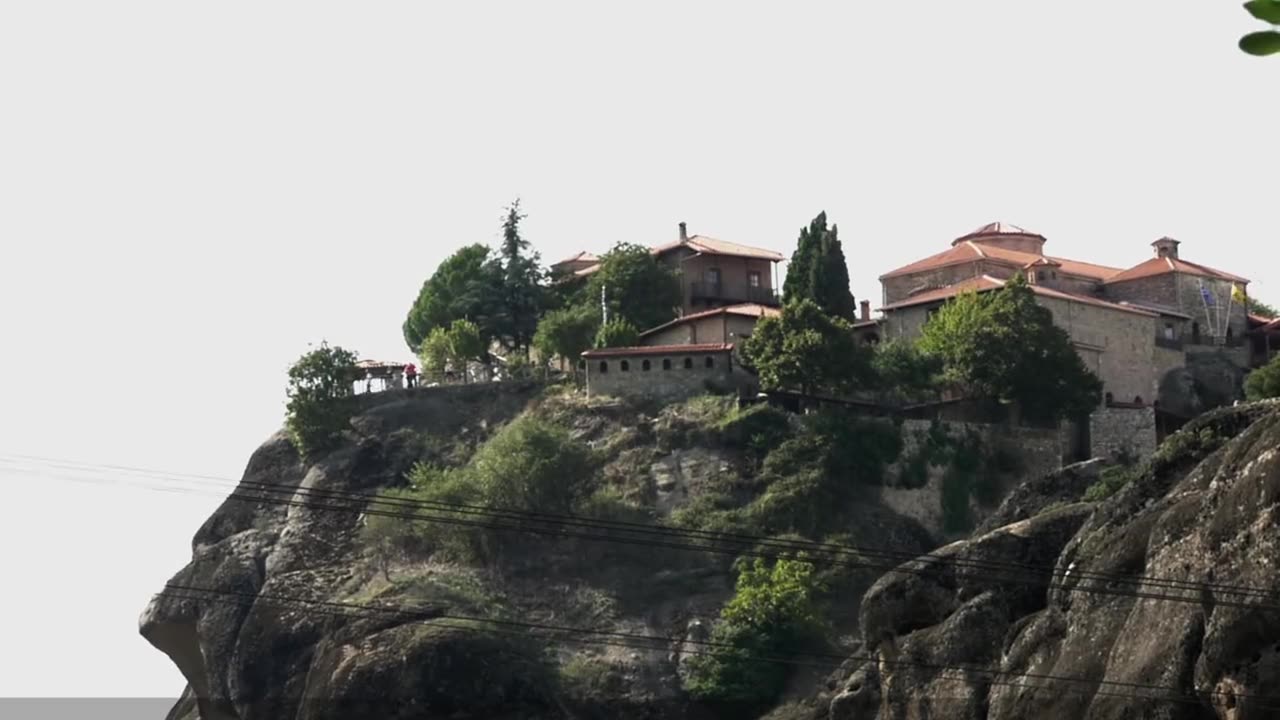
Meteora, GreeceVideo: Le Monde en Vidéo, CC BY 3.0, via Wikimedia Commons
Find your Bliss in Greece
Greece, made simple: ancient stones, island ferries and long tables by the sea
Greece pairs the Acropolis and thousands of years of history with more than two hundred inhabited islands, mountain monasteries and some of the best home cooking in Europe. It is easy and welcoming, but ferries, summer crowds, heat and the new European entry systems reward a little planning. This guide takes the guesswork out so you travel with confidence.
Your trip, step by step
- Before you flyEntry rules, seasons, safety advice and health, answered
- LandingAirports, SIM cards, euros and your first night, explained
- Your days in GreeceRuins, islands, food and ferries, planned with care
- Home againDeparture tips so the last day is calm too
Where to go, eat and stay
- Plain answersClear, honest guidance on the questions first-timers actually ask.
- Official sourcesEntry, health and safety facts point you to the official pages to confirm.
- No price surprisesWe explain cards, cash, ferries, island taxes and typical budgets so costs never catch you off guard.
- Free to useEvery guide and the trip planner are free.
Our promise
Greece should feel like a holiday from the first coffee, not a puzzle. We answer the questions about entry, money, ferries, heat and crowds before they start, so you arrive confident and ready to find your Bliss.
Coming home from Melbourne, New York, Chicago, Toronto, Germany or London to see family in the village, or bringing your children to Greece for the first time? This guide was written with you in mind.
How to use this guide
Four steps from first idea to a trip that feels easy.
- Choose your GreeceHistory, island beaches, mountains or food: start with the destinations that fit you.
- Sort the essentialsEntry rules, the right season and current travel advice, checked against official sources.
- Pick your placesUse our places to visit list for tavernas, beaches, museums, hikes and stays across the country.
- Plan your routeUse the free trip planner to link Athens, the islands and the mainland at a realistic pace.
Everything your Greece trip needs
Free tools and guides for every stage of the journey.
Destinations
Athens, Santorini, Naxos, Crete, Meteora and Thessaloniki, each explained in depth.
Explore destinationsPlaces to visit
More than a hundred tavernas, beaches, museums, hikes, markets and stays, from classics to hidden corners.
See places to visitFlights and stays
Search flights into Athens, Thessaloniki and the islands, and stays in every region.
Plan travelPlaces finder
Restaurants, sights and stays mapped around each base.
Find placesFree trip planner
Tell us your dates and interests and build a route that fits.
Plan your trip
The classic Greece trip
Athens, two Cycladic islands and Crete or the mainland
Many first trips start with three nights in Athens for the Acropolis, the Plaka and a day out to Cape Sounion. From Piraeus or Rafina, ferries run to the Cyclades: pair the views of Santorini with the beaches and villages of Naxos. Finish on Crete for gorges, Minoan palaces and Chania's old harbour, or swap the islands for the mainland and the cliff top monasteries of Meteora. Ten days covers a good taste; two weeks feels relaxed.
- The Acropolis at opening time, before the heat and the crowds
- Sunset over the caldera in Oia or Imerovigli
- Long beach days and mountain villages on Naxos
- Chania's harbour, the Samaria Gorge and Knossos on Crete
Start with the destinations
See how the capital, the islands and the mainland fit together.
Greece destinationsPlan with confidence
Your route, without the worry
Greece rewards a little preparation: entry rules checked for your passport, ferry seats booked ahead in July and August, timed entry for the Acropolis, and a season that suits you, since midsummer is hot and busy while May, June, September and October feel calmer. Our free planner helps you shape it.
- Realistic ferry times between islands
- The right season for beaches, hiking or city breaks
- Where to base yourself on each island
Where to go in Greece
From Athens and the Acropolis to the caldera of Santorini, the beaches of Naxos, the gorges of Crete, the monasteries of Meteora and the food city of Thessaloniki.
Attica
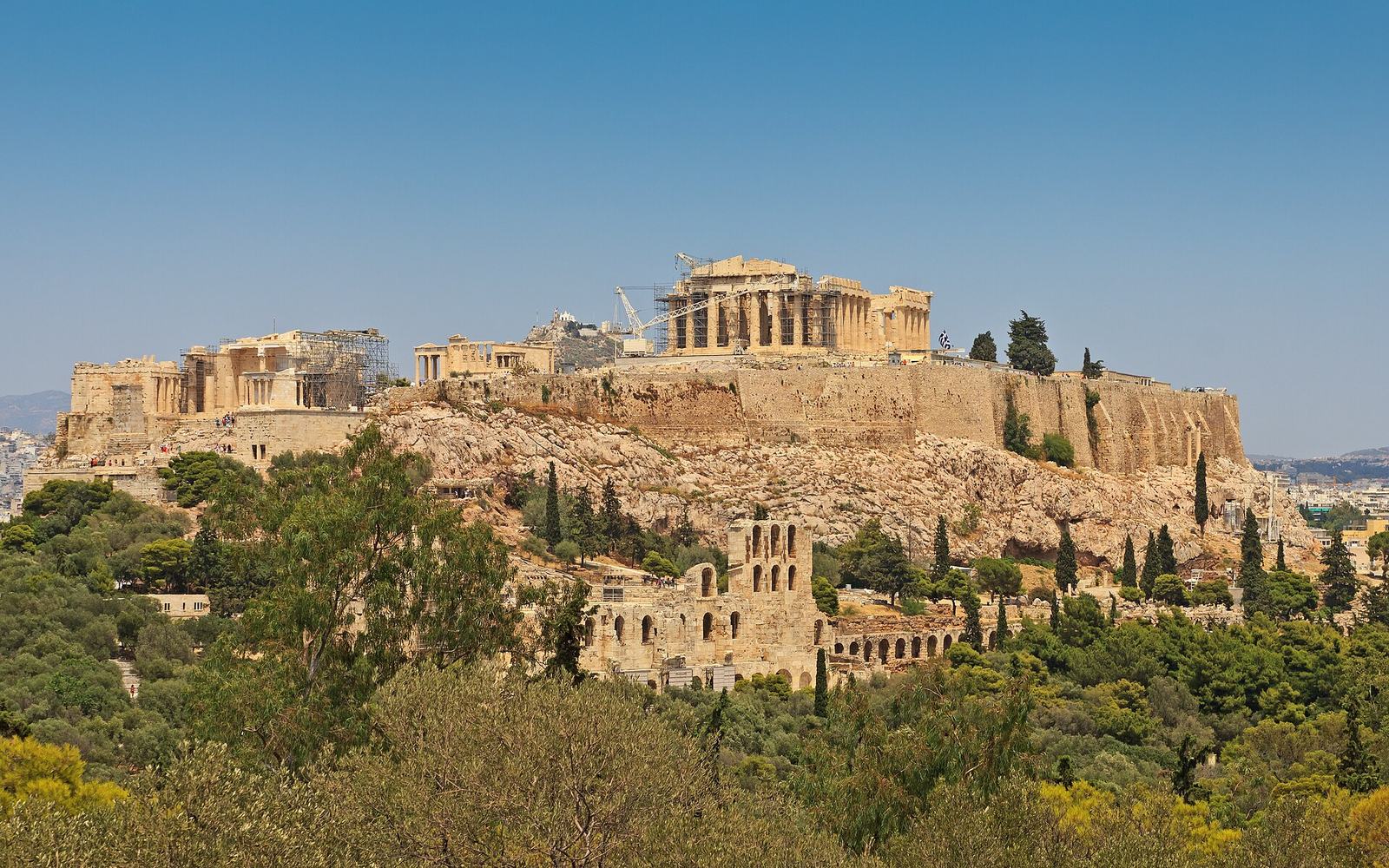
Athens
The capital of ancient and modern Greece: the Acropolis above, lively neighbourhoods, rooftop bars and some of the best food in the country below.
Read the guidePhoto: A.Savin, CC BY-SA 3.0, via Wikimedia Commons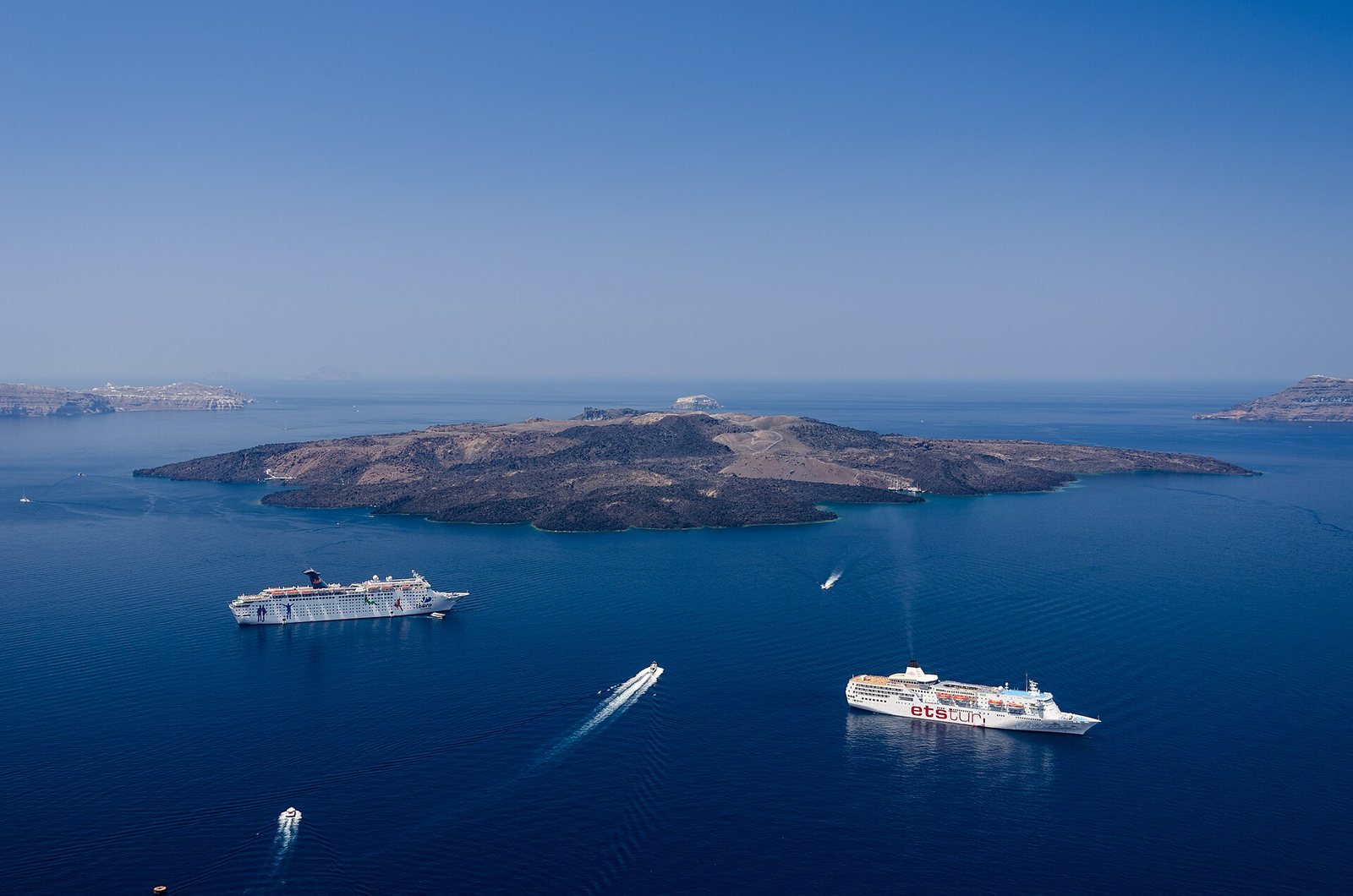
Cyclades
Santorini
The volcanic island of white villages on a cliff edge, famous sunsets, black sand beaches and crisp island wines.
Read the guidePhoto: Norbert Nagel, CC BY-SA 3.0, via Wikimedia Commons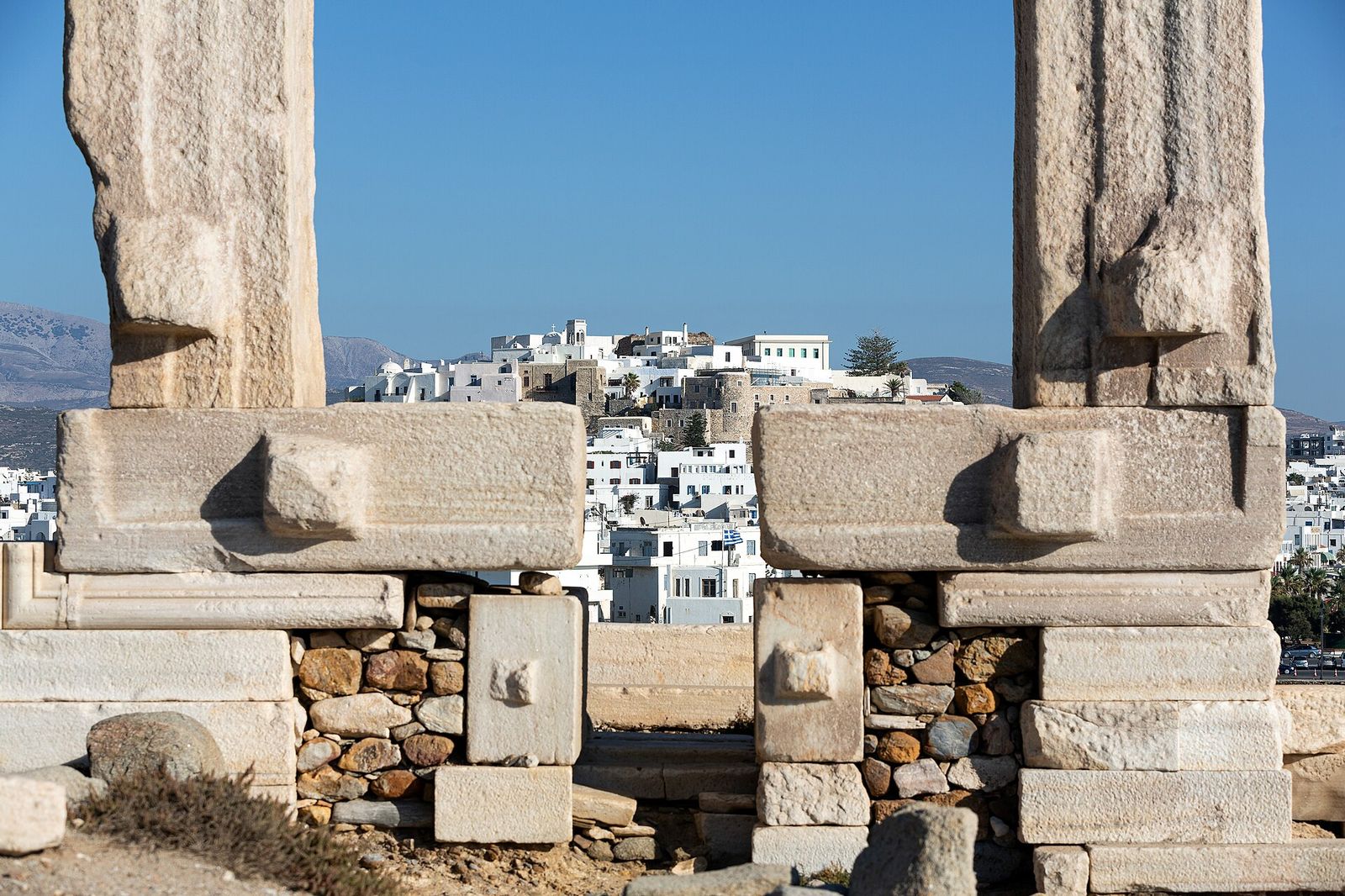
Cyclades
Naxos
The largest Cycladic island, with long sandy beaches, marble mountain villages, farm food and a relaxed, family friendly pace.
Read the guidePhoto: Manfred Werner (Tsui), CC BY-SA 4.0, via Wikimedia Commons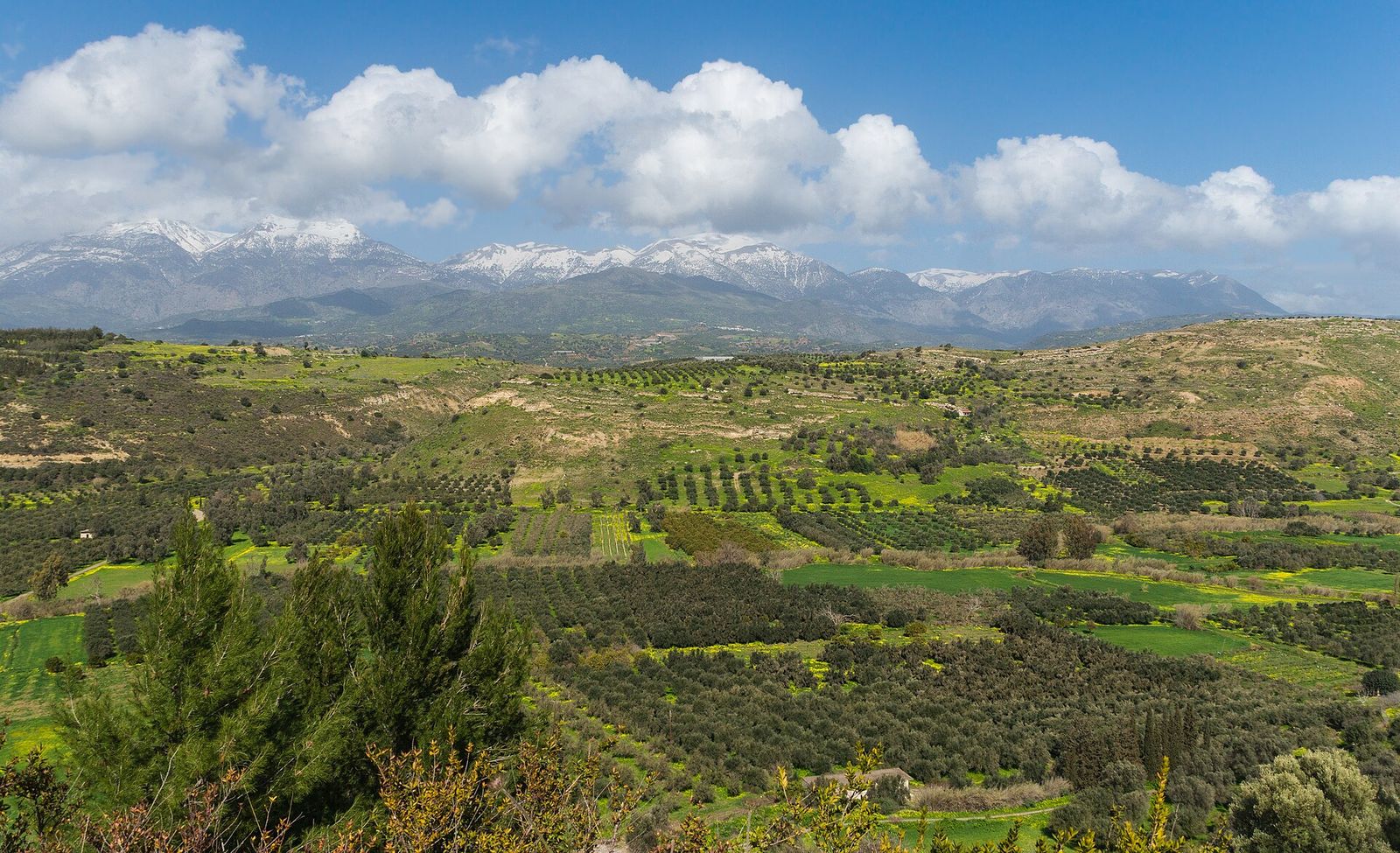
Crete
Crete
Greece's largest island: Minoan palaces, Venetian harbours, deep gorges, pink sand beaches and a food culture all of its own.
Read the guidePhoto: Jebulon, CC0, via Wikimedia Commons
Thessaly
Meteora
Huge rock pillars crowned with Byzantine monasteries above the town of Kalambaka, one of the most extraordinary sights in Europe.
Read the guidePhoto: Berthold Werner, CC BY-SA 3.0, via Wikimedia Commons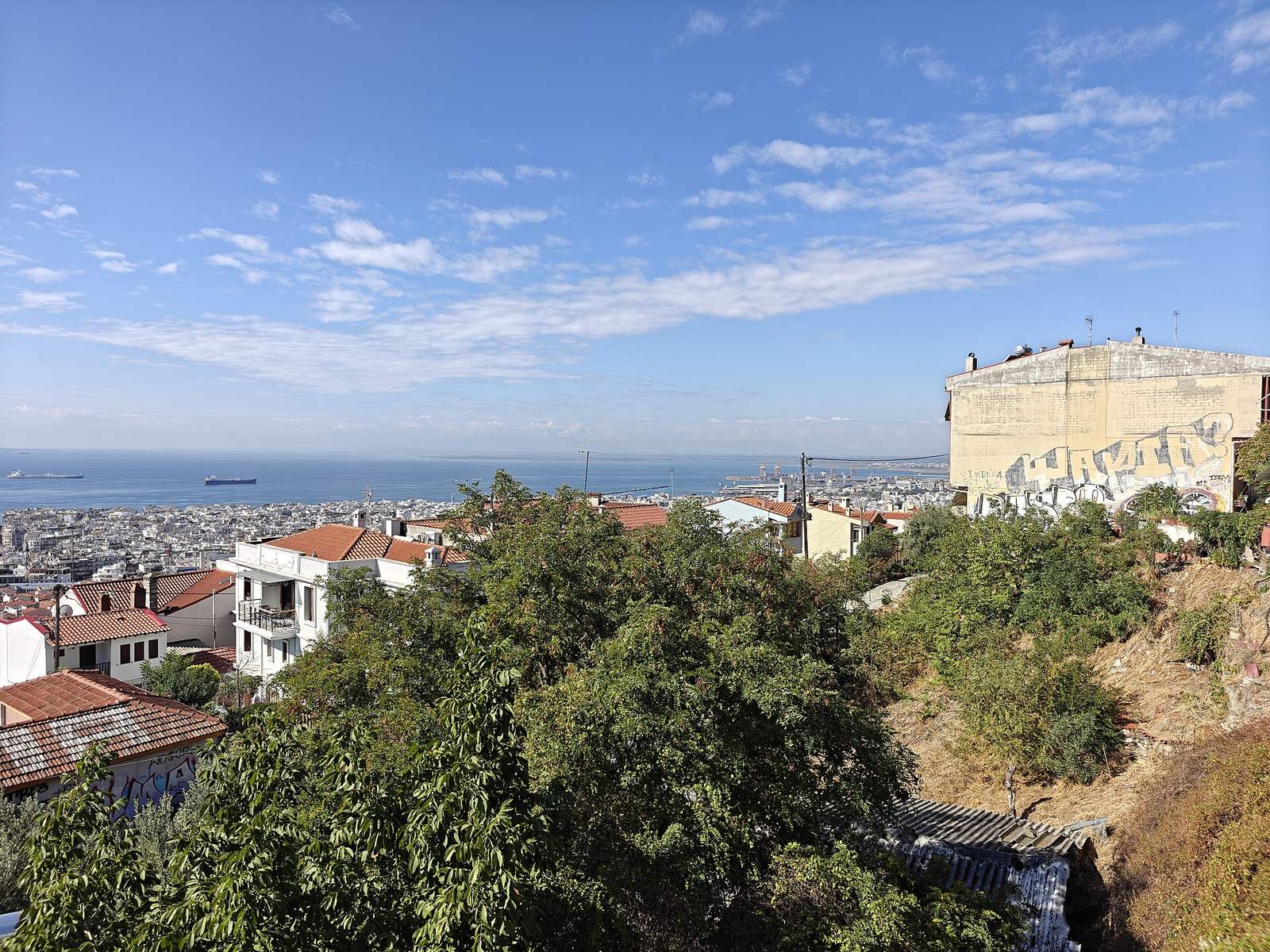
Central Macedonia
Thessaloniki
Greece's second city: a seafront promenade, Roman and Byzantine monuments, a student buzz and some of the best food in the country.
Read the guidePhoto: Anastasiya Lvova, CC BY-SA 4.0, via Wikimedia Commons
A note from our founder
A note from our founder
My first time visiting Kenya, I was genuinely surprised with how fast it began feeling like home. The people are so friendly, the food is delicious and familiar, and the accommodations are modern and upscale.
During my travels throughout the continent, I commonly hear tourists share stories about being scammed or taken advantage of, which is both frustrating and disheartening.
Living in Kenya for the last 2 years, I have had the great fortune to meet a network of wonderful Kenyans who have continuously help guide my family's journey. Their shared knowledge has not only greatly enhanced our overall experience here, but it has also saved us tons of time, energy, and resources.
With BlissPoint Travel, my hope is to build a global community that is willing to share useful, uncommon knowledge so that we can all blissfully enjoy the wonders our world has to offer.
Questions we hear most
Is Greece safe to visit?
Greece is generally safe, with low violent crime. The main risks are pickpocketing in central Athens and on the metro, summer heat, wildfires, sea and road safety, and occasional strikes and demonstrations. Read your own government's travel advice before you go.
Do I need a visa for Greece?
Greece is in the Schengen area, so the rules depend on your passport. Many visitors can stay visa free for short trips, while others need a Schengen visa. Check the official Greek and EU entry pages for your nationality before booking.
What currency does Greece use?
Greece uses the euro. Cards are widely accepted in cities and larger islands, but carry some cash for small tavernas, kiosks, village shops and remote beaches.
When is the best time to visit Greece?
Late May, June, September and early October offer warm sea, long days and fewer crowds than July and August. Winter suits Athens, Thessaloniki and the mountains, but many island businesses close.
How many days do I need in Greece?
Seven to ten days covers Athens and two islands. Two weeks lets you add Crete, Meteora or a slower island stay without rushing.
How do I get between the islands?
Ferries and fast boats link most islands, mostly from Piraeus and Rafina near Athens, and domestic flights reach the larger ones. Book ahead in summer and leave slack for weather delays.
Ready to find your Bliss in Greece?
Use the free trip planner to shape your days, or send us a question through the contact page.