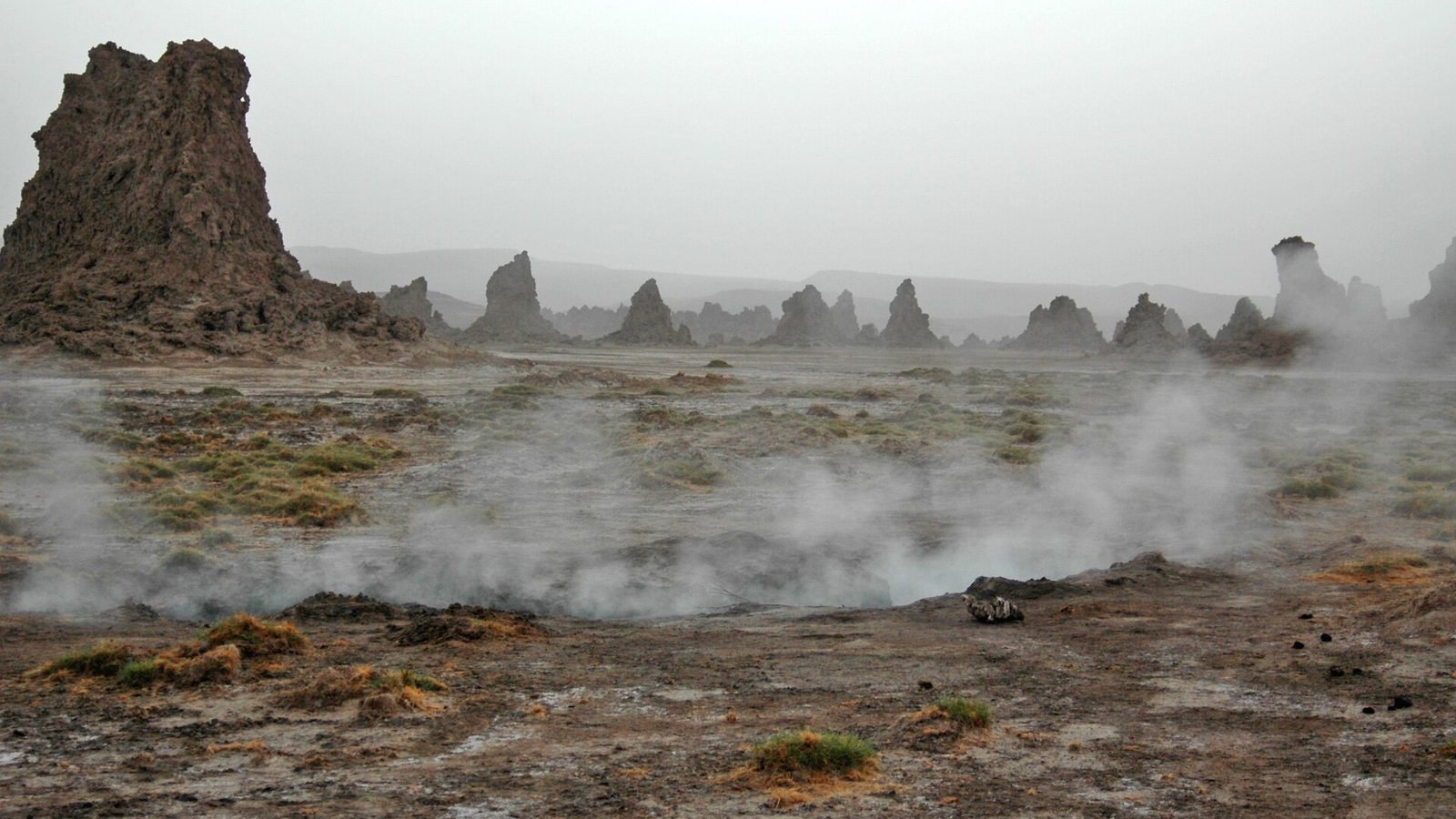
Lake Abbe, DjiboutiPhoto: Rolf Cosar, CC BY 3.0, via Wikimedia Commons
Find your Bliss in Djibouti
Djibouti, made simple: salt lakes, whale sharks and desert, without the worry
Djibouti is a small country on the Horn of Africa where the Red Sea meets the Gulf of Aden: a land of blinding salt lakes, smoking limestone chimneys, volcanic desert and warm seas where whale sharks gather each winter. Few tourists come, so this guide takes the guesswork out of entry, money, heat, getting around and safety before you go.
Your trip, step by step
- Before you flyE-visa, cash, health and the cooler season, answered
- LandingDjibouti City's airport and the first hour explained
- Your days in DjiboutiThe capital, the salt lakes, the gulf and the north, planned with care
- Home againDeparture tips so the last day is calm too
Where to go, eat and stay
- Plain answersClear, honest guidance on the questions first-timers actually ask.
- Official sourcesEntry, health and safety facts point you to the official pages to confirm.
- No price surprisesWe explain what costs more and what costs less, so your budget holds.
- Free to useEvery guide and the trip planner are free.
Our promise
Djibouti should feel like a bold discovery, not a gamble. We answer the tricky questions about heat, permits, tours and costs before they start, so you arrive ready to find your Bliss.
Visiting family in Djibouti City, Tadjourah or Ali Sabieh from France, Canada or beyond? This guide was written with you in mind too.
How to use this guide
Four steps from first idea to a trip that feels easy.
- Choose your placesThe capital, Lake Assal, Lake Abbe, Tadjourah and the Day Forest or the Moucha islands: start with the destinations that fit you.
- Sort the essentialsThe e-visa, enough cash, health advice and the cooler season, checked against official sources.
- Pick your placesUse our places to visit list for food, markets, beaches, dives, desert camps and stays.
- Plan your routeUse the free trip planner to shape your days, with early starts and rest in the midday heat.
Everything your Djibouti trip needs
Free tools and guides for every stage of the journey.
Destinations
Djibouti City, Lake Assal, Lake Abbe, Tadjourah and the Moucha islands, each explained in depth.
Explore destinationsPlaces to visit
More than a hundred restaurants, markets, beaches, dive spots, camps and stays, from classics to hidden corners.
See places to visitFlights and stays
Search flights into Djibouti City and stays across the country.
Plan travelPlaces finder
Restaurants, sights and stays mapped around each base.
Find placesFree trip planner
Tell us your dates and interests and build a route that fits.
Plan your trip
The classic Djibouti trip
Salt lakes, desert and a warm blue gulf
Most first trips start in Djibouti City, with its European quarter, Somali and Yemeni food and the busy central market. From there, day trips and overnight tours reach Lake Assal, a dazzling salt lake far below sea level, and Lake Abbe, where hundreds of limestone chimneys rise from the plain. In the cooler months, boats from the capital look for whale sharks in the Gulf of Tadjoura, and the Moucha islands offer snorkelling close to town.
- Lake Assal, one of the lowest points on earth
- Sunrise among the chimneys of Lake Abbe
- Swimming near whale sharks from about November to February
- Tadjourah's white town and the Day Forest
Start with the destinations
See how the capital, the lakes and the gulf fit together.
Djibouti destinationsPlan with confidence
Your route, without the worry
Djibouti's best sights are far apart on desert roads with little shade, fuel or signal, and heat shapes every day. Our free planner helps you build a realistic route around the cooler months, early starts and properly equipped tours.
- The right season for whale sharks
- Realistic travel times to the lakes
- Where to base yourself
Where to go in Djibouti
From the capital's markets to salt flats, limestone chimneys, a white coastal town and coral islands.
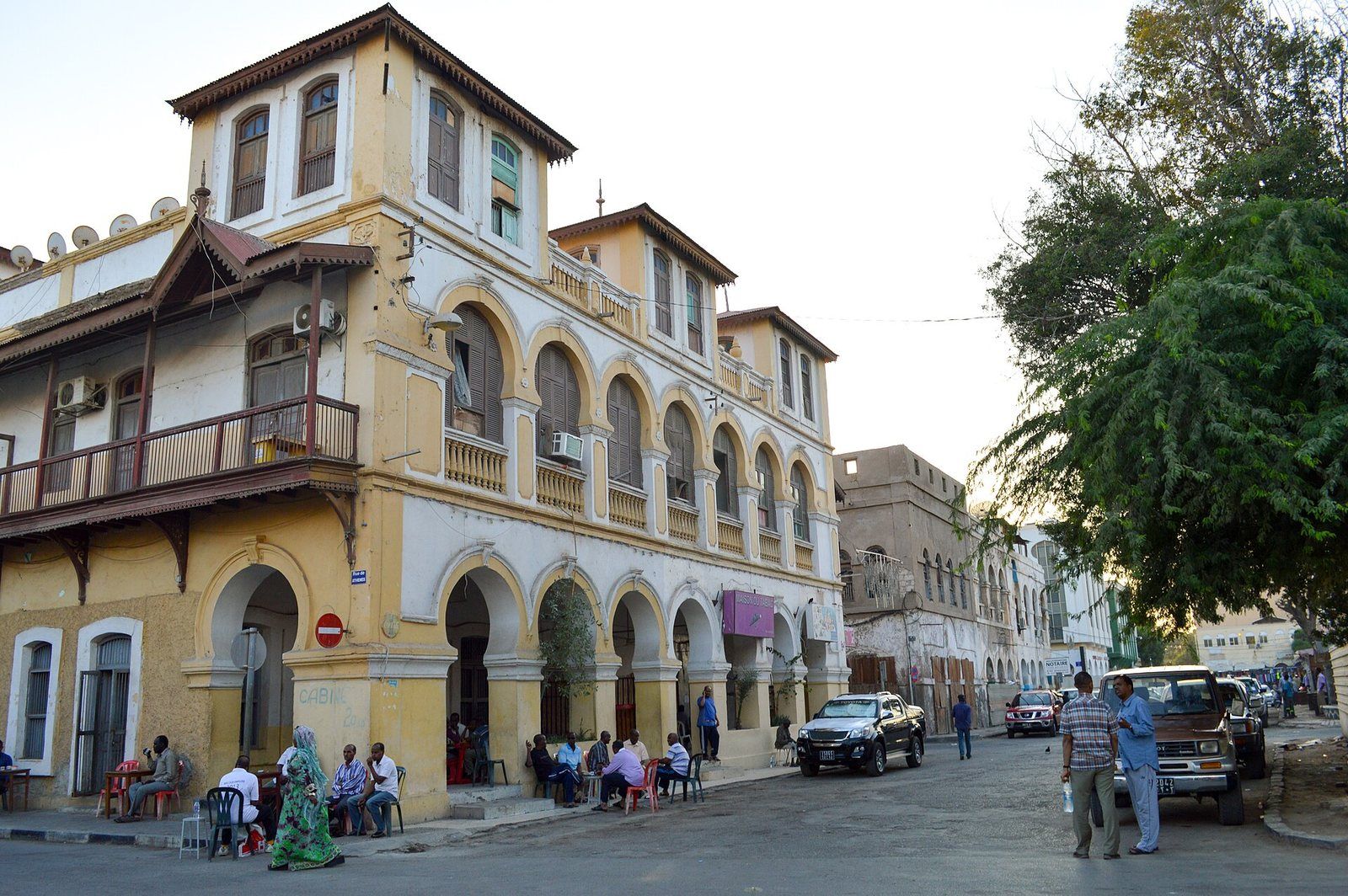
Djibouti Region
Djibouti City
A busy port capital with a colonial old quarter, lively markets and the best food in the country.
Read the guidePhoto: Francisco Anzola, CC BY 2.0, via Wikimedia Commons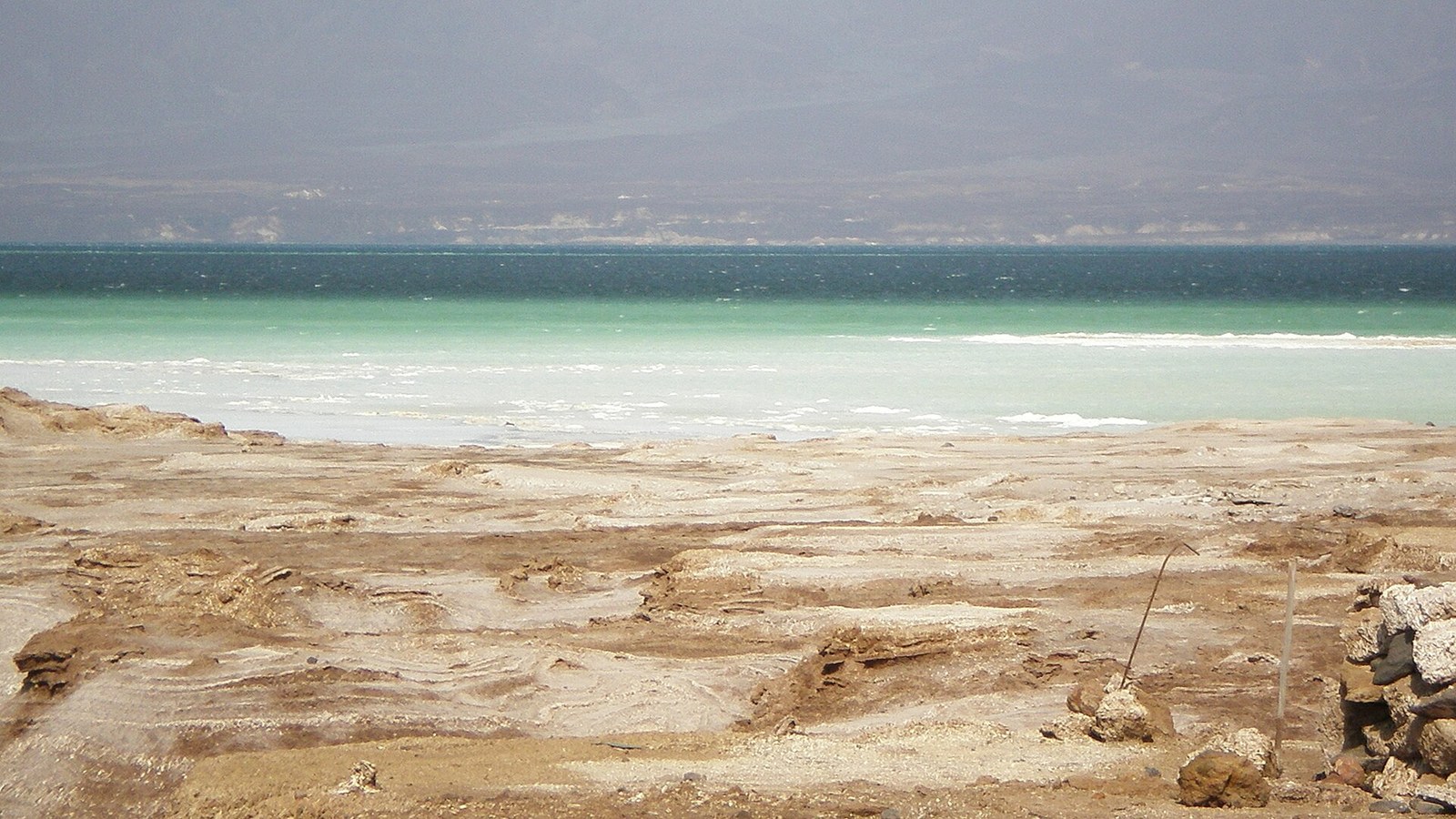
Tadjourah and Arta regions
Lake Assal
A turquoise crater lake ringed by white salt, one of the lowest and saltiest places on earth.
Read the guidePhoto: Benlilkon93, CC BY-SA 4.0, via Wikimedia Commons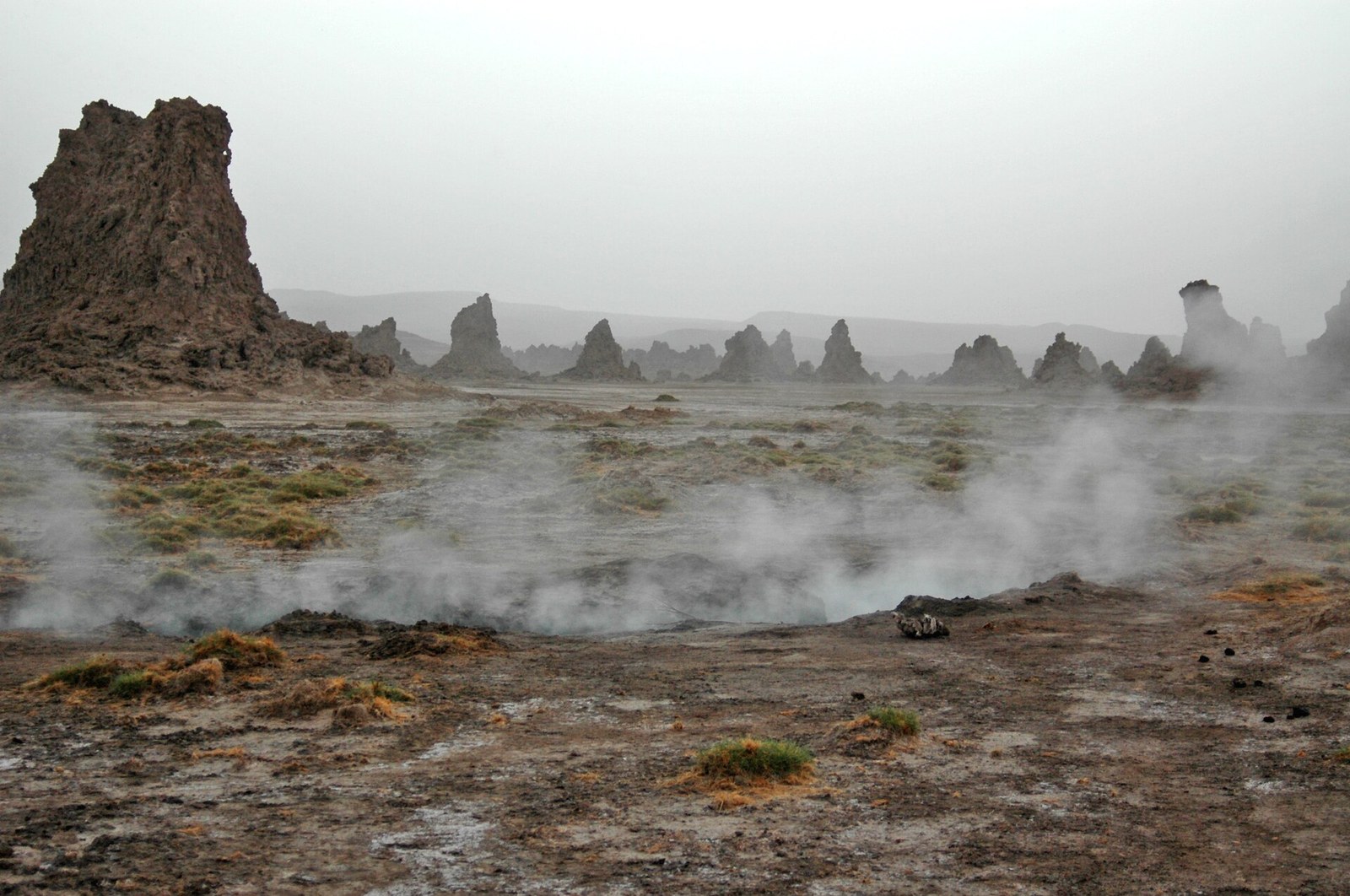
Dikhil Region
Lake Abbe
A remote plain of steaming limestone chimneys, flamingos and Afar nomads on the Ethiopian border.
Read the guidePhoto: Rolf Cosar, CC BY 3.0, via Wikimedia Commons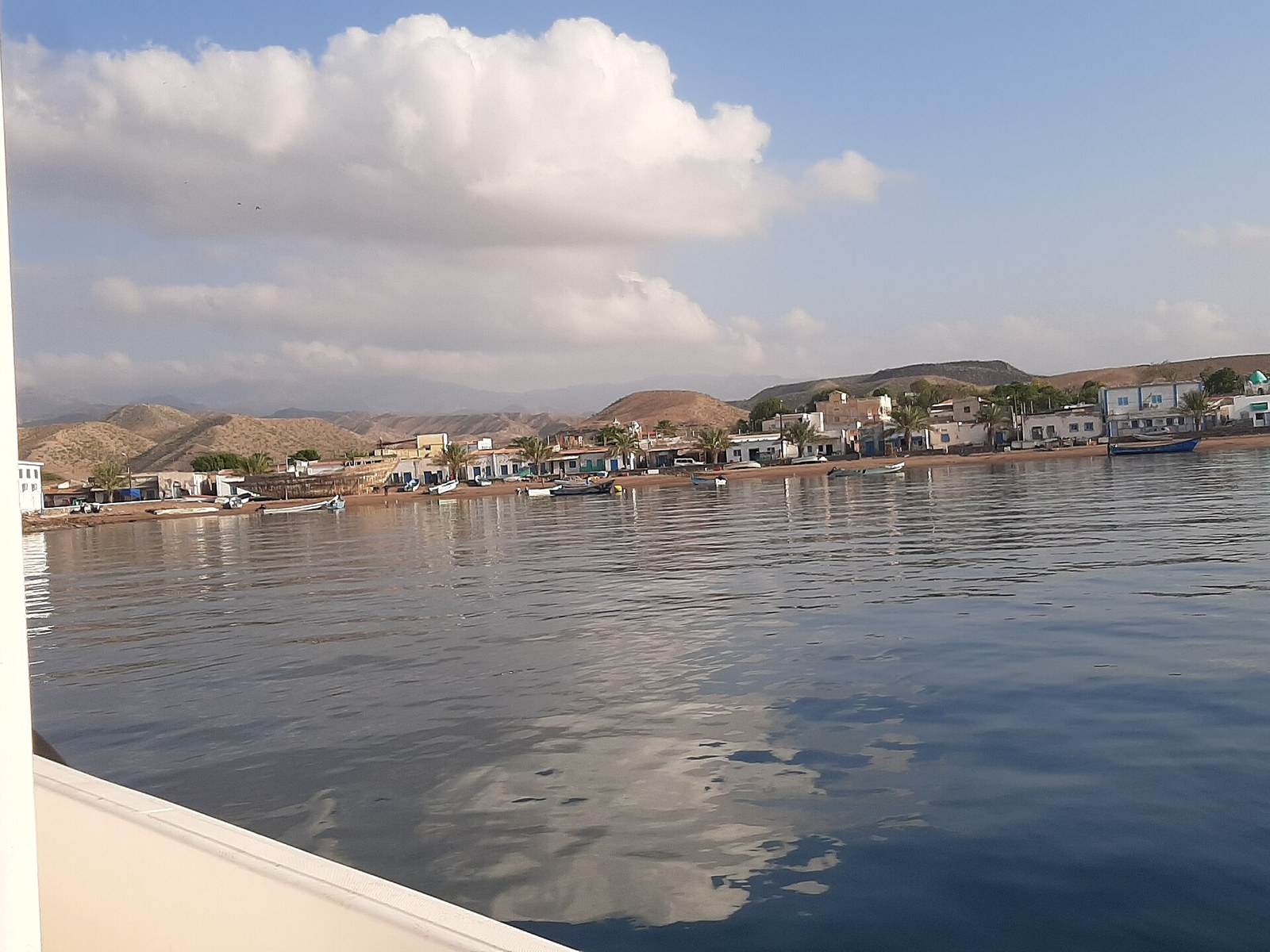
Tadjourah Region
Tadjourah and the Day Forest
The country's oldest town, all white walls and mosques, with cool green mountains behind it.
Read the guidePhoto: Miaz85, CC BY-SA 4.0, via Wikimedia Commons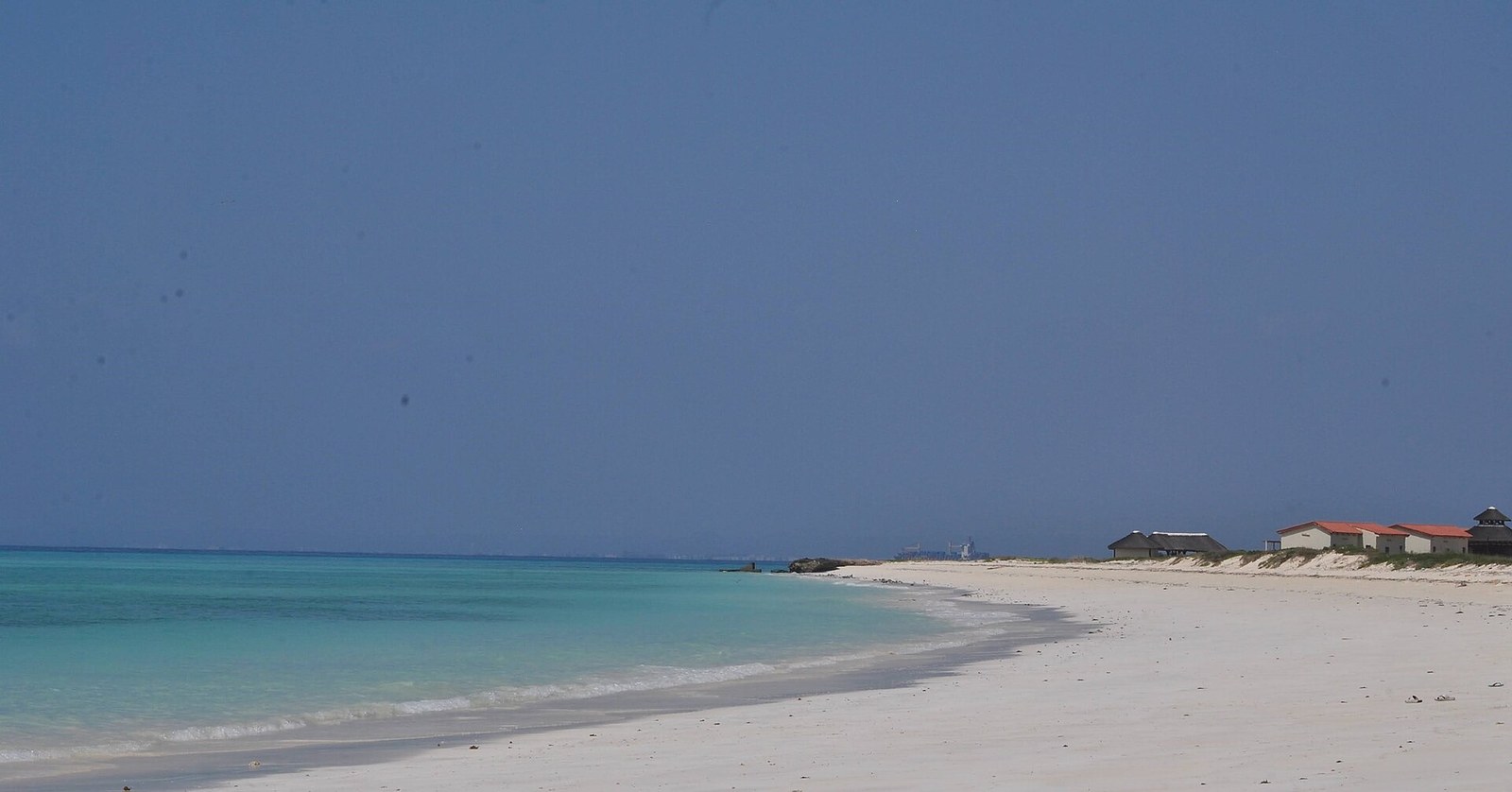
Gulf of Tadjoura
Moucha and Maskali Islands
White sand islands with reefs close to the capital, and whale sharks in the gulf each winter.
Read the guidePhoto: Anai171, CC BY-SA 4.0, via Wikimedia Commons
A note from our founder
A note from our founder
My first time visiting Kenya, I was genuinely surprised with how fast it began feeling like home. The people are so friendly, the food is delicious and familiar, and the accommodations are modern and upscale.
During my travels throughout the continent, I commonly hear tourists share stories about being scammed or taken advantage of, which is both frustrating and disheartening.
Living in Kenya for the last 2 years, I have had the great fortune to meet a network of wonderful Kenyans who have continuously help guide my family's journey. Their shared knowledge has not only greatly enhanced our overall experience here, but it has also saved us tons of time, energy, and resources.
With BlissPoint Travel, my hope is to build a global community that is willing to share useful, uncommon knowledge so that we can all blissfully enjoy the wonders our world has to offer.
Questions we hear most
Is Djibouti worth visiting?
Yes, if you like dramatic landscapes and places few travellers reach. You get salt lakes, volcanic desert, whale sharks, coral reefs and a lively food scene, but tourism is small and costs are higher than many expect, so plan ahead.
Do I need a visa for Djibouti?
Most visitors need a visa, and Djibouti runs an official e-visa website. Rules vary by passport and can change, so check the official e-visa site and your own government's travel advice before you book.
What currency is used in Djibouti?
The Djiboutian franc, which is pegged to the US dollar. US dollars and euros in cash are easy to exchange in the capital, and cards work in larger hotels, but carry cash for trips outside the city.
What language do people speak?
French and Arabic are the official languages, while Somali and Afar are spoken every day. French is the most useful for visitors, and some English is spoken in hotels and tour companies.
When is the best time to go?
The cooler months from about November to March are by far the most comfortable, and are also whale shark season. From June to September the heat is extreme and many tours slow down.
Is Djibouti safe for tourists?
Djibouti City is generally calm for visitors, but some border areas carry official warnings and the desert itself is a real hazard. Read your government's current travel advice before you go.
Ready to find your Bliss in Djibouti?
Use the free trip planner to turn ideas into a route that fits your dates and budget.