At a glance
- Best for
- Old town walks, beaches, hiking and cooler air
- Distance
- Around three hours by road from Djibouti City
- Time needed
- Two to three days
- Getting there
- Road around the gulf, or a boat when running
- Where to sleep
- Small hotels in town and ecolodges in the hills
- Best season
- November to March
Why visit the north
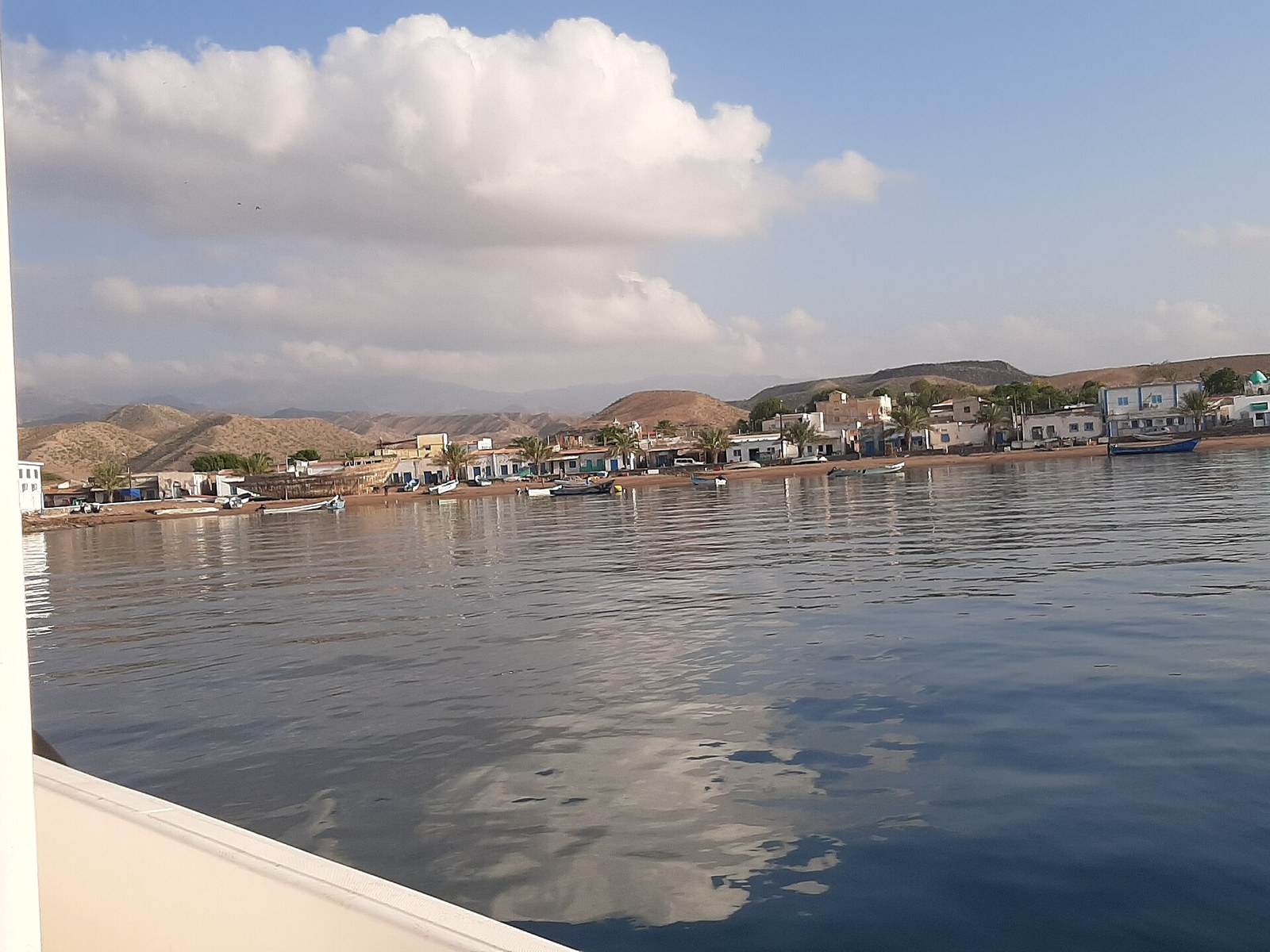
After the bustle of the capital, Tadjourah feels slow and peaceful. It is often called the white city, for its whitewashed houses and its many mosques, and it remains the seat of an Afar sultan. Life moves at a gentle pace along the seafront, where fishing boats are pulled up on the sand and men chat in the shade. It is a good place to see everyday Afar culture and to break up the long drive around the gulf.
The town
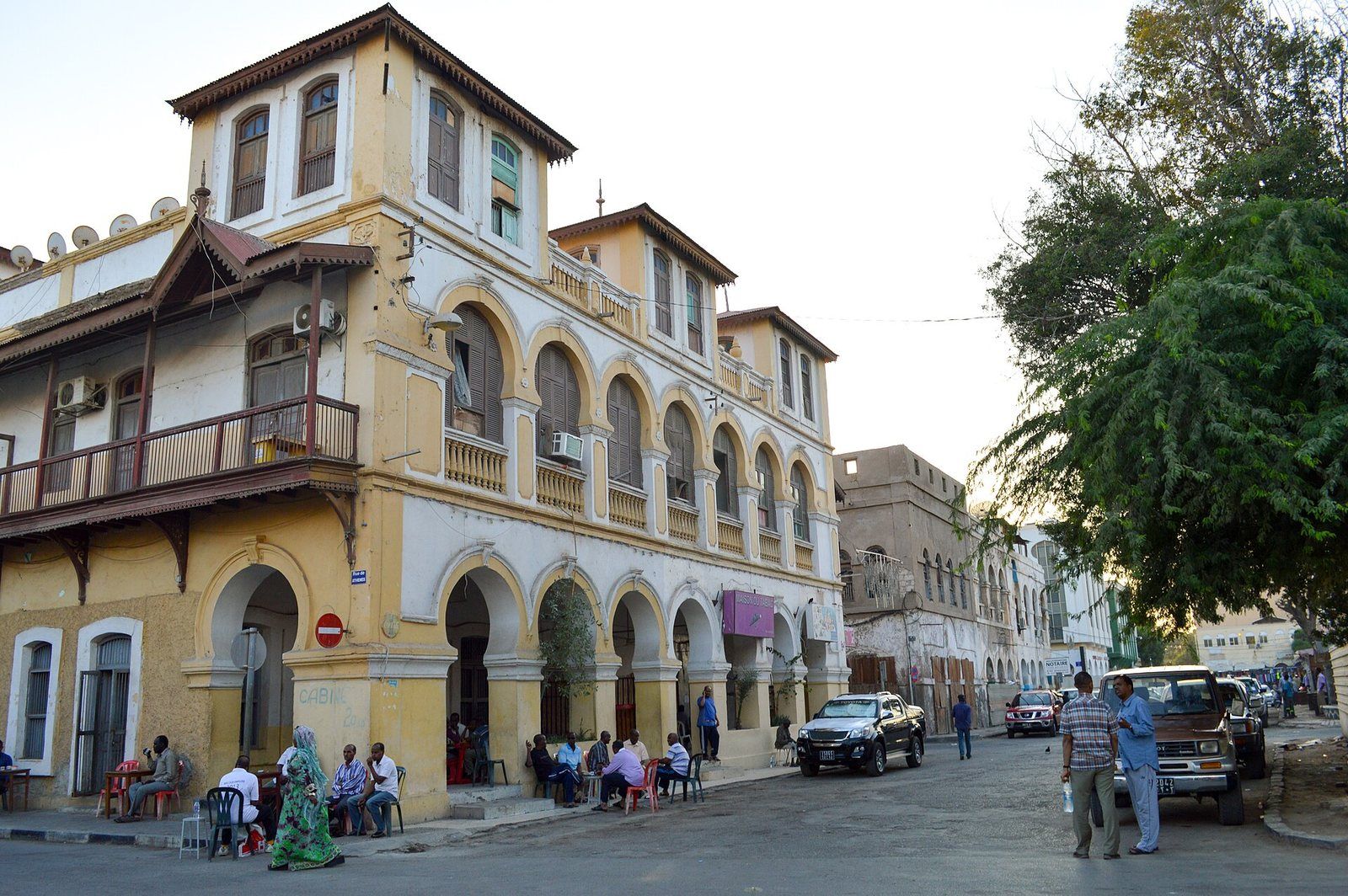
Wander the lanes of the old town in the late afternoon, past mosques with white domes and minarets, small shops and courtyards. The seafront promenade is the place for sunset. Dress modestly, as this is a conservative town, and ask before photographing people. On Fridays, life pauses around midday prayers.
Beaches near Tadjourah
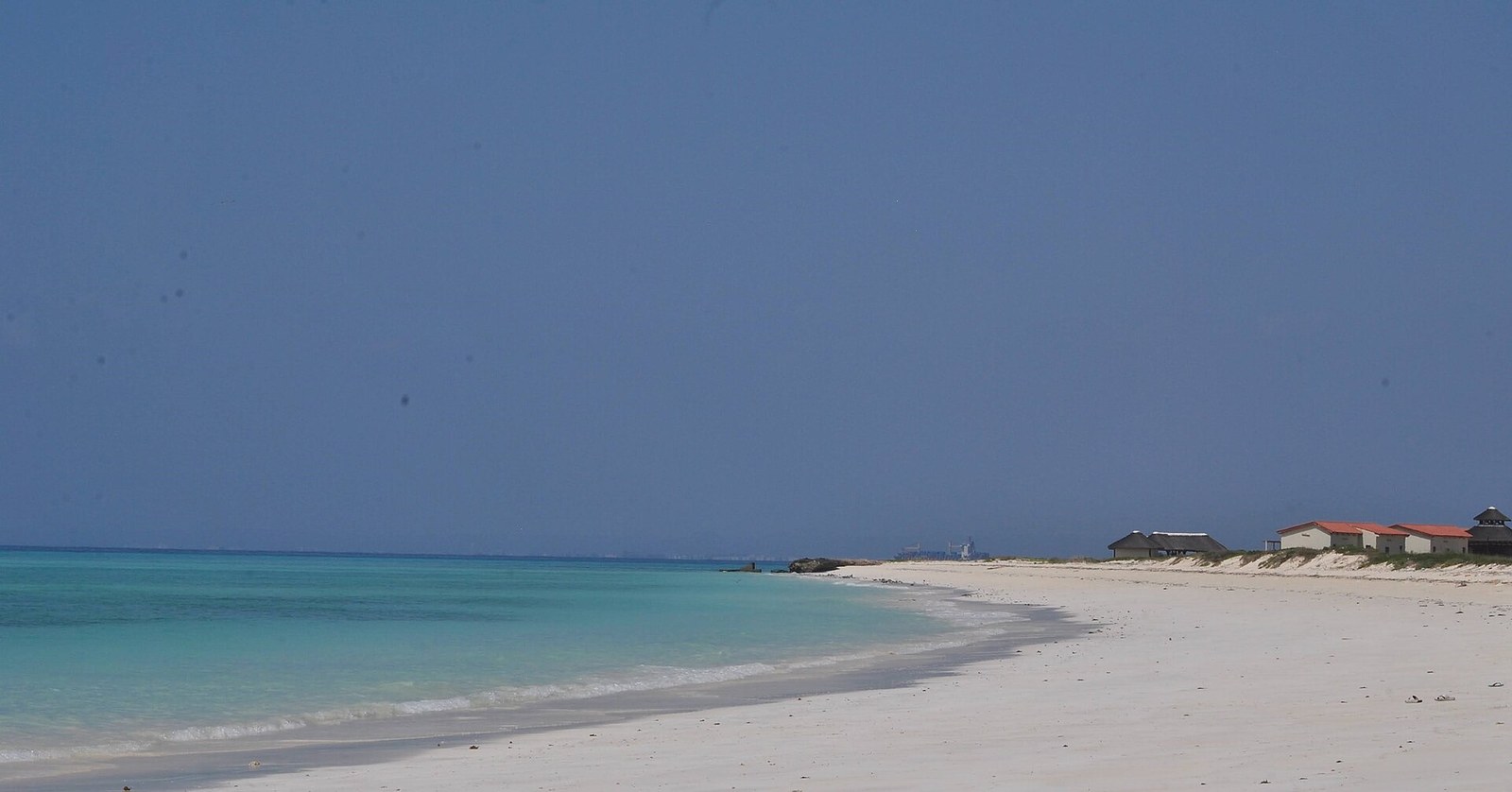
The coast west of town has quiet beaches with clear water, and some small hotels and camps sit right on the sand. Sables Blancs, a white sand beach between Tadjourah and Obock, is popular for swimming and snorkelling, with simple beach huts. The water of the gulf is warm and calm in the cooler season.
The Day Forest and the Goda Mountains
Inland from Tadjourah, a road climbs into the Goda Mountains to the village of Dittilou and the Day Forest National Park. This is one of the few forests in the country, with juniper, wild olive, fig and acacia trees, and it is home to birds found almost nowhere else, such as the Djibouti francolin. The air is noticeably cooler, and short walks lead to viewpoints, seasonal streams and small Afar villages. A simple ecolodge at Dittilou and campements in the area offer huts, meals and guided walks.
Getting there
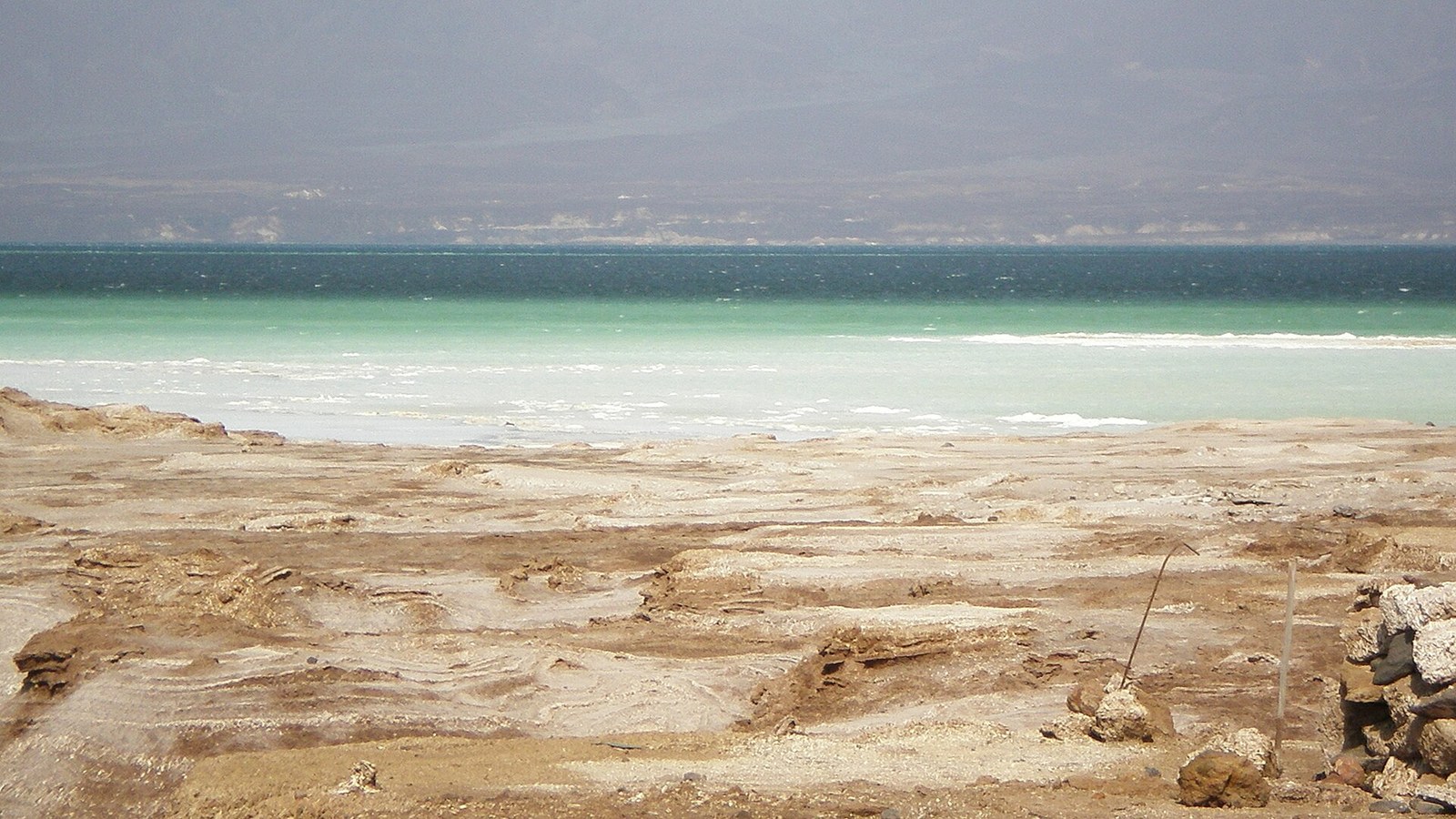
The road from the capital runs west past Lake Assal and then around the end of the gulf to Tadjourah, taking around three hours or more with stops. Ferries and boats across the gulf from Djibouti City have run at times, but schedules are irregular, so ask locally. To reach the Day Forest you need a 4x4 and a driver who knows the mountain road, and most visitors go with a tour.
Further north: Obock
Beyond Tadjourah, the small town of Obock was the first French base in the region and has an old colonial cemetery and a quiet seafront. The road north towards the Eritrean border carries official travel warnings near the frontier, so check your government's travel advice before going further than Obock.
When to go
The cooler months from November to March are best. In the hills, nights can be surprisingly fresh, so bring a light jacket. Summer is very hot on the coast, though the mountains offer some relief.
A suggested plan
Spend a day driving from the capital via Lake Assal, stay a night in Tadjourah or on a nearby beach, then head up to the Day Forest for one or two nights of walking and birdwatching before returning to the capital.
Food and supplies
Tadjourah has small shops, cafés and seafront grills, but choice is limited, and the Day Forest has none. Stock up on water, snacks and cash in the capital before you leave.
Questions about Tadjourah and the Day Forest
How do I get from Djibouti City to Tadjourah?
Most people go by road around the gulf, which takes around three hours or more. Boats across the gulf run at times, but schedules are irregular, so check locally.
What is the Day Forest?
A rare mountain forest in the Goda range above Tadjourah, protected as a national park, with cooler air, walking trails and rare birds such as the Djibouti francolin.
Do I need a guide for the Day Forest?
A local guide is strongly recommended. Trails are not well marked, the mountain road needs a 4x4, and guides help you meet villagers respectfully.
Is Tadjourah safe?
Tadjourah is generally calm for visitors. Areas near the Eritrean border to the north carry official warnings, so check your government's travel advice.
Facts checked . Fees, schedules and entry rules change, so always confirm the latest with the official source.